Carbide nail drill bits are essential tools in the beauty and manufacturing sectors, particularly for nail salons and jewelry applications. These specialized bits are designed to efficiently shape and finish nails with precision. When purchasing carbide nail drill bits, buyers often prioritize quality, performance, and cost-effectiveness. This article will provide insights into selecting the right bits, understanding pricing factors, addressing common issues, exploring various applications, and highlighting the benefits of carbide material.
When evaluating carbide nail drill bits, several specifications are crucial for ensuring high performance. Key specifications include:
Diameter and Length: The diameter determines the size of the hole or the area to be worked on, while the length affects ease of use and reach. Common diameters range from 2.32mm to 3.0mm, depending on the intended application.
Shape and Grit: Different shapes (like tapered or cylindrical) cater to specific tasks, such as cuticle work or surface smoothing. Grit levels indicate the coarseness of the bit, influencing the speed of material removal versus the finish quality. Finer grits are suitable for polishing, while coarser grits excel in shaping.
Shank Compatibility: Ensure compatibility with the grinder or nail drill being used. Standard shank sizes include 1/8 inch and 3/32 inch, which should match the collet of the tool.
Heat Resistance: Quality carbide bits should withstand high operating temperatures without losing their hardness. This is essential for maintaining cutting efficiency and prolonging tool life.
Coating and Treatment: Some bits may have coatings, like titanium, to enhance durability and reduce friction. This can lead to improved performance and a smoother finish.
Understanding these specifications helps buyers select the right carbide nail drill bits tailored to their specific needs and applications. For instance, if you're looking for high-performance options, consider checking out the ODM Professional 90W High Power Brushless Metal Vacuum Cleaner designed for nail applications.
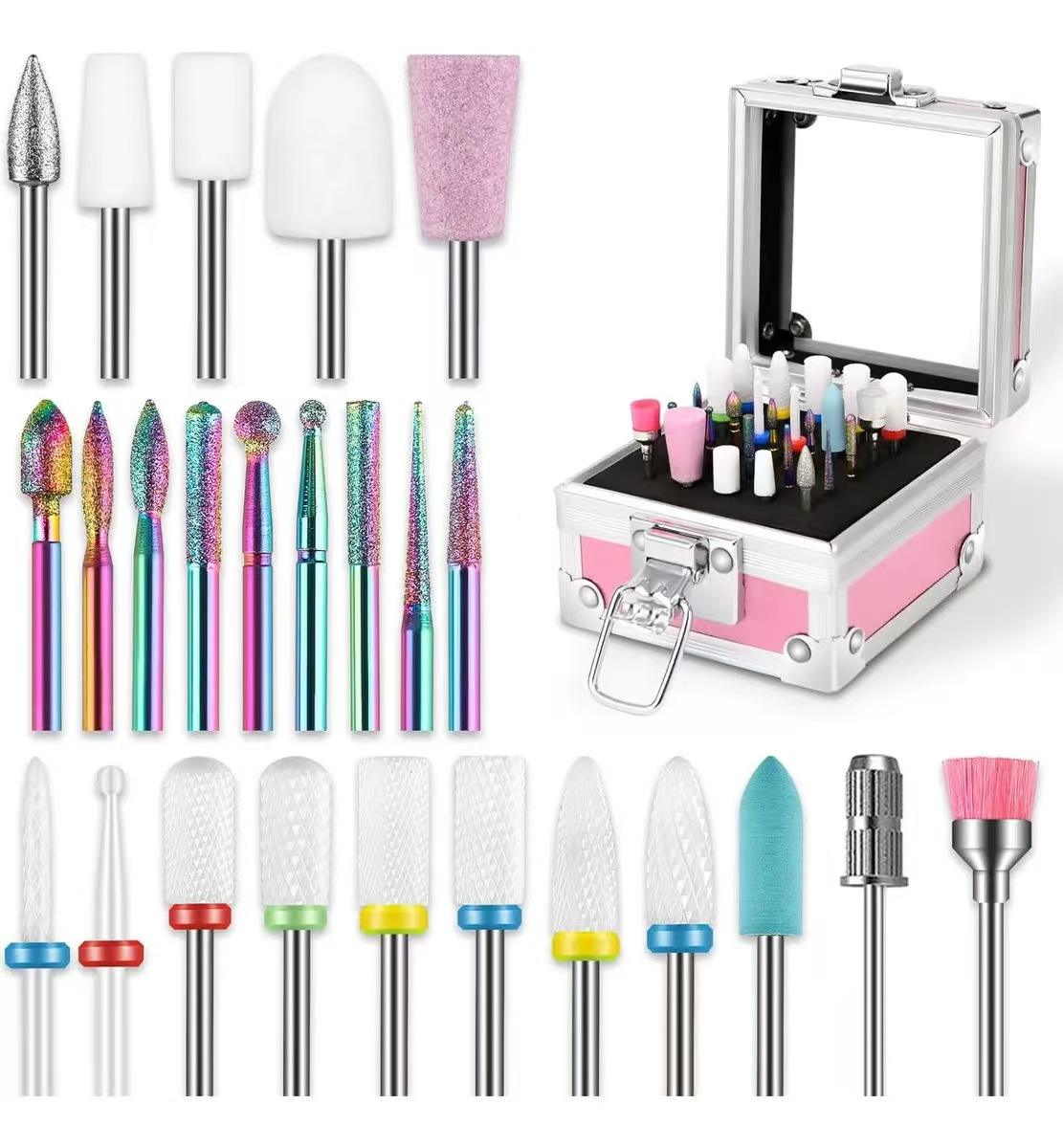
The cost of carbide nail drill bits can vary significantly based on several factors. Distributors should consider:
Material Quality: Higher-quality carbide typically leads to better performance and longevity but comes at a higher price. Manufacturers that utilize advanced manufacturing techniques and stringent quality control processes may charge more for their products.
Production Volume: Larger orders usually result in lower per-unit costs due to economies of scale. Distributors should evaluate their purchasing strategies based on forecasted demand to maximize cost efficiency.
Customization: Customized bits tailored to specific applications or user preferences may incur additional costs. Buyers should assess whether the benefits of customization justify the extra expense.
Supplier Reputation: Established suppliers with a proven track record may charge a premium due to their reliability and quality assurance processes. Buyers should weigh the long-term value of partnering with reputable manufacturers against initial cost savings from lesser-known brands.
Market Trends: The demand for specific types of carbide nail drill bits can fluctuate, influencing prices. Keeping abreast of market conditions and trends can help distributors make informed purchasing decisions.
By understanding these cost factors, distributors can better navigate pricing and ensure they are getting a fair value for their investments in carbide nail drill bits. Additionally, considering products like STRONG 204 102L Brushed Micromotor can also contribute to enhancing overall performance.
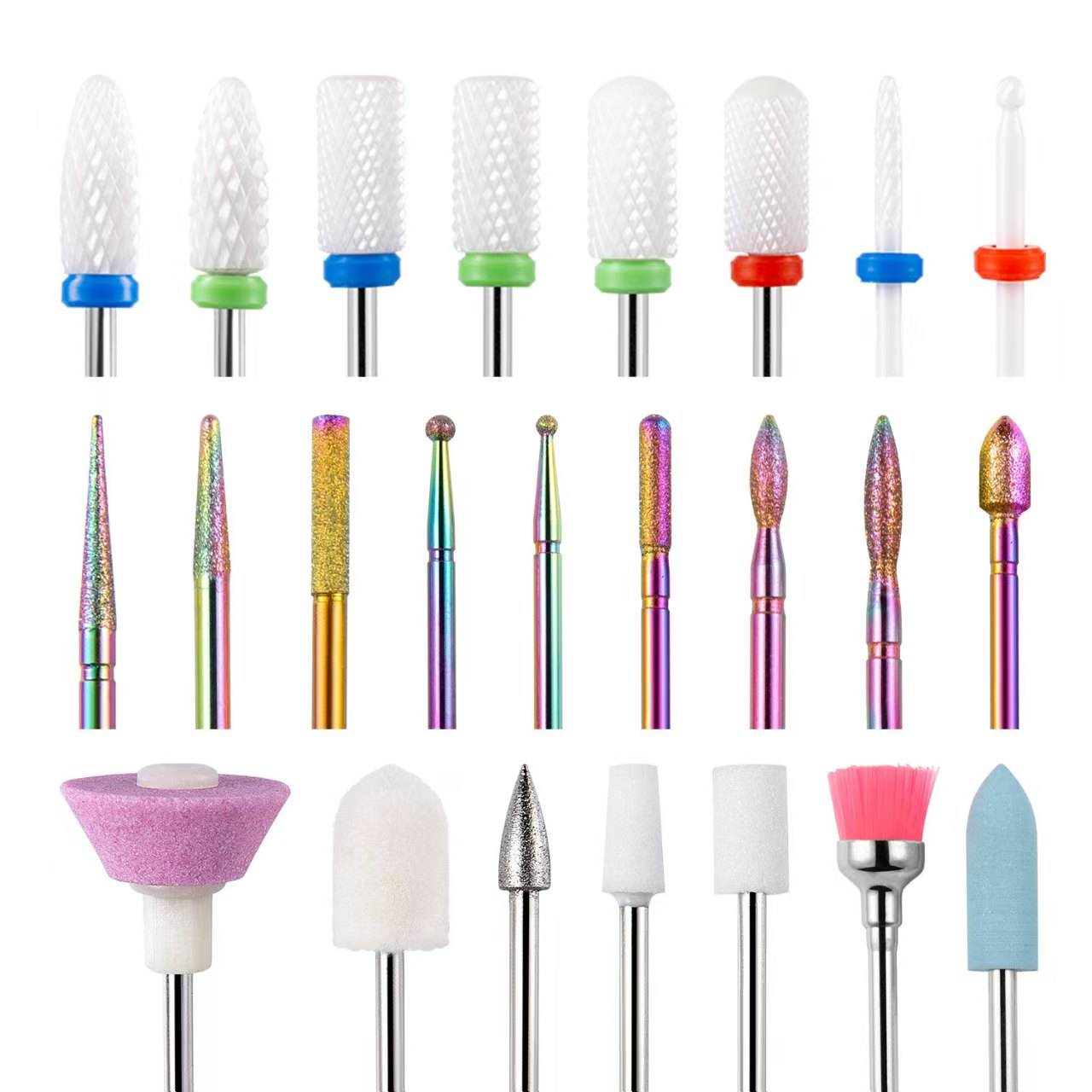
Despite their advantages, carbide nail drill bits can encounter several issues that may affect performance. Here are some common problems and their solutions:
Chipping or Breaking: This can occur due to excessive pressure or improper usage. To mitigate this, users should ensure they are using the correct speed and pressure settings for their specific application. Training staff on proper handling techniques can also reduce the risk of damage.
Dulling: Over time, bits may lose their sharpness, leading to inefficient performance. Regularly monitoring the condition of the bits and replacing them as needed is crucial. Implementing a maintenance schedule can help prolong the life of the drill bits.
Heat Build-Up: Excessive heat can cause bits to warp or lose effectiveness. Using a cooling solution, such as water or air, can help dissipate heat during prolonged use. Buyers should also ensure that the bits are compatible with their equipment to avoid overheating.
Incorrect Fit: If the shank size does not match the tool, this can lead to instability and reduced performance. Always verify shank compatibility before purchase to avoid this issue.
By proactively addressing these challenges, users can maintain their carbide nail drill bits' efficiency, ensuring optimal performance and longevity.
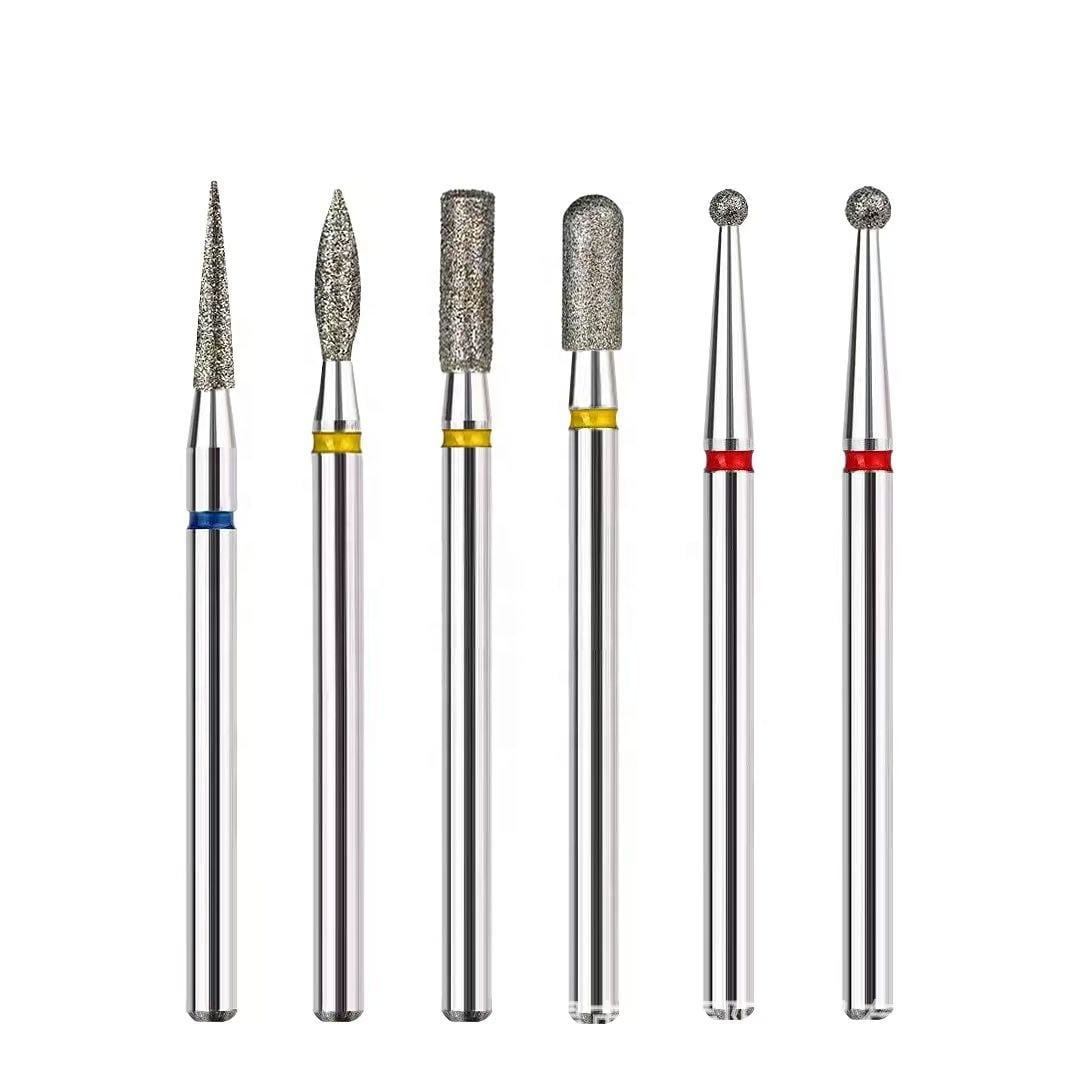
Carbide nail drill bits are versatile tools used in various applications beyond nail salons. Key applications include:
Nail Salons: In the beauty industry, these bits are primarily used for manicure and pedicure services, allowing professionals to shape, smooth, and refine natural or artificial nails effectively.
Jewelry Making: Carbide bits are valuable in jewelry manufacturing for engraving and refining precious metals. Their precision allows jewelers to create intricate details and finishes.
Dental Applications: In dentistry, these bits can assist with shaping and polishing dental materials, ensuring a smooth finish on restorative work.
Industrial Manufacturing: Various manufacturing processes, such as automotive and aerospace, utilize carbide bits for machining and finishing components, providing high precision in critical applications.
The adaptability of carbide nail drill bits across these industries demonstrates their importance in both aesthetic and functional applications, making them a vital investment for businesses. Moreover, using a Custom Built-in Table Embedded Design Electric Nail Vacuum Cleaner can further enhance the efficiency of these applications.
Choosing carbide material for nail drill bits offers numerous advantages, making them a preferred choice in various applications:
Durability: Carbide is significantly harder than traditional steel, allowing bits to withstand demanding conditions and maintain their sharpness over time. This leads to less frequent replacements and lower overall costs.
Precision: The hardness of carbide enables the production of finely detailed bits that can create intricate designs and smooth finishes. This is particularly valuable in the beauty and jewelry industries.
Heat Resistance: Carbide's ability to resist heat build-up ensures consistent performance and prevents warping during prolonged use. This makes carbide bits ideal for high-speed applications.
Versatility: Available in various shapes and sizes, carbide bits can be tailored to specific tasks, ranging from shaping nails to engraving jewelry. Their adaptability enhances their utility across different sectors.
Cost-Effectiveness: While the initial investment may be higher than other materials, the longevity and performance of carbide bits often result in lower total ownership costs over time.
By understanding the advantages of carbide materials, buyers can make informed decisions that align with their operational needs and budget considerations.
 EN
 AR
 BG
 HR
 CS
 DA
 NL
 FI
 FR
 DE
 EL
 IT
 JA
 NO
 PL
 PT
 RU
 ES
 SV
 CA
 TL
 IW
 ID
 LV
 SR
 SK
 SL
 UK
 SQ
 ET
 GL
 MT
 FA
 MS
 GA
 CY
 BE
 MK
 KA
 BN