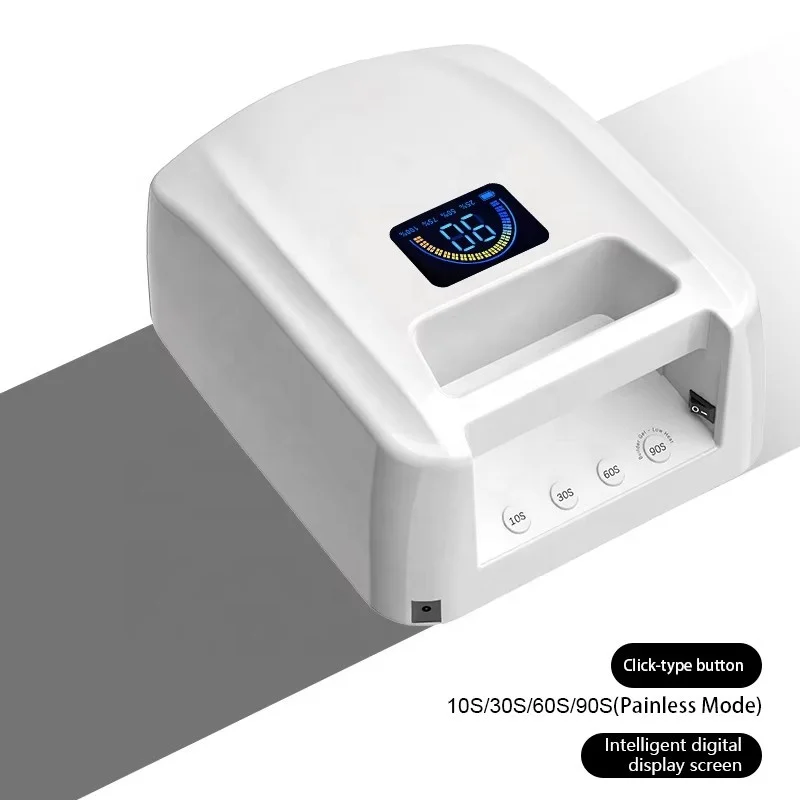
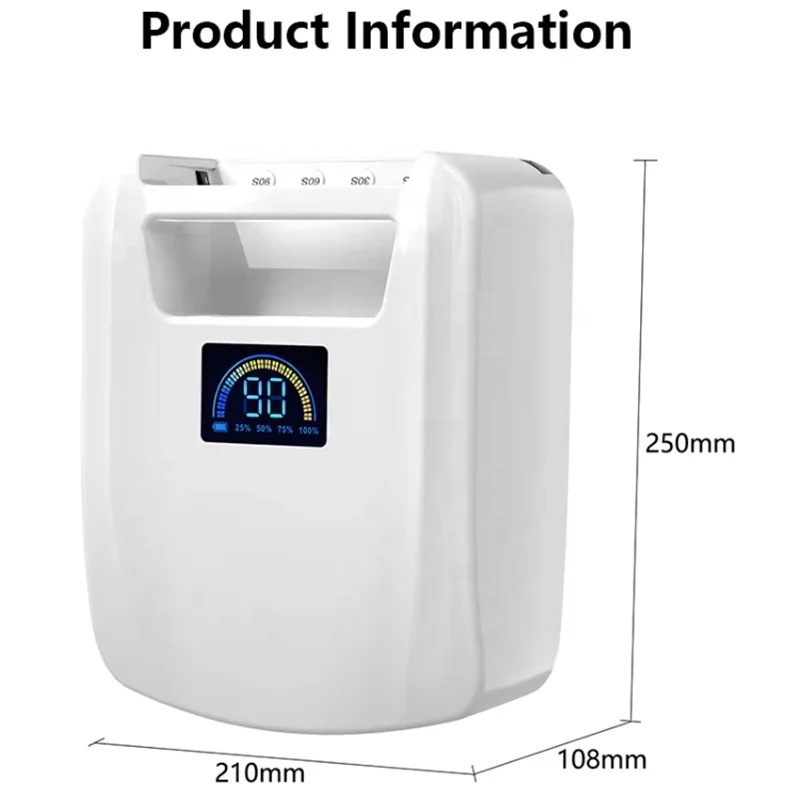
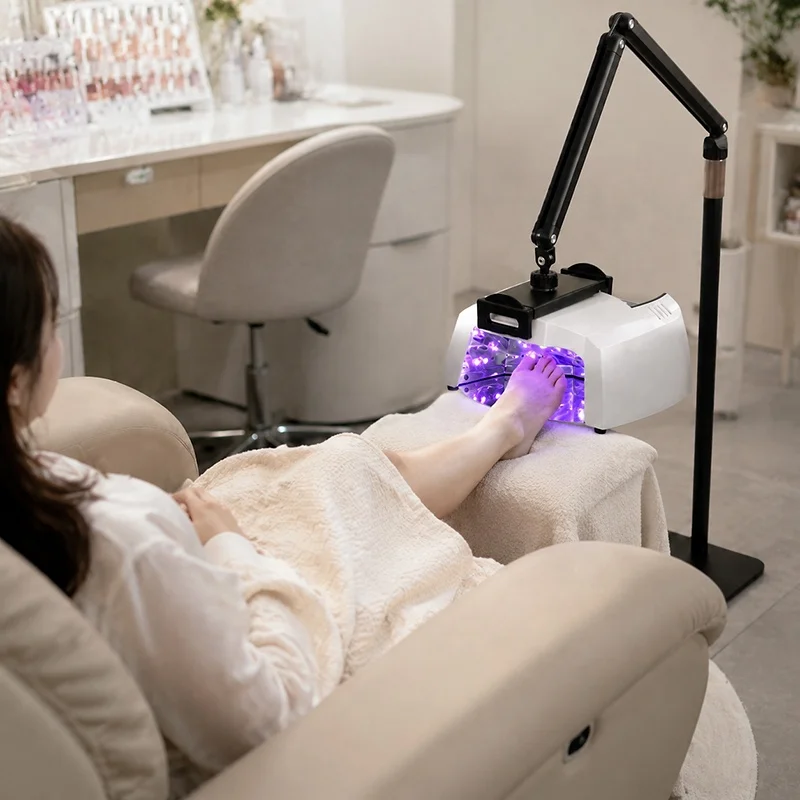
Choosing the right nail lamp is crucial for nail salons aiming to deliver quality services efficiently. A nail lamp is an essential piece of equipment used to cure gel nail polish, ensuring a long-lasting finish. For B2B buyers, particularly purchasing managers and salon owners, understanding the features, specifications, and applications of nail lamps will help make informed decisions that meet their salon needs. This article will guide you through the selection process and key considerations when sourcing nail lamps.
Selecting the appropriate nail lamp involves evaluating several factors that directly affect performance and efficiency in a salon environment. Key considerations include the type of lamp (LED vs. UV), wattage, size, and curing time.
Lamp Type: LED lamps cure gel polish much faster than traditional UV lamps and have a longer lifespan. They are increasingly popular due to their efficiency and lower energy consumption. UV lamps may still be preferred for certain types of gel products, so understanding the specific needs of your salon is important.
Wattage: Higher wattage generally translates to quicker curing times. A lamp with 36 watts or more can significantly reduce service time, which can increase customer turnover and satisfaction.
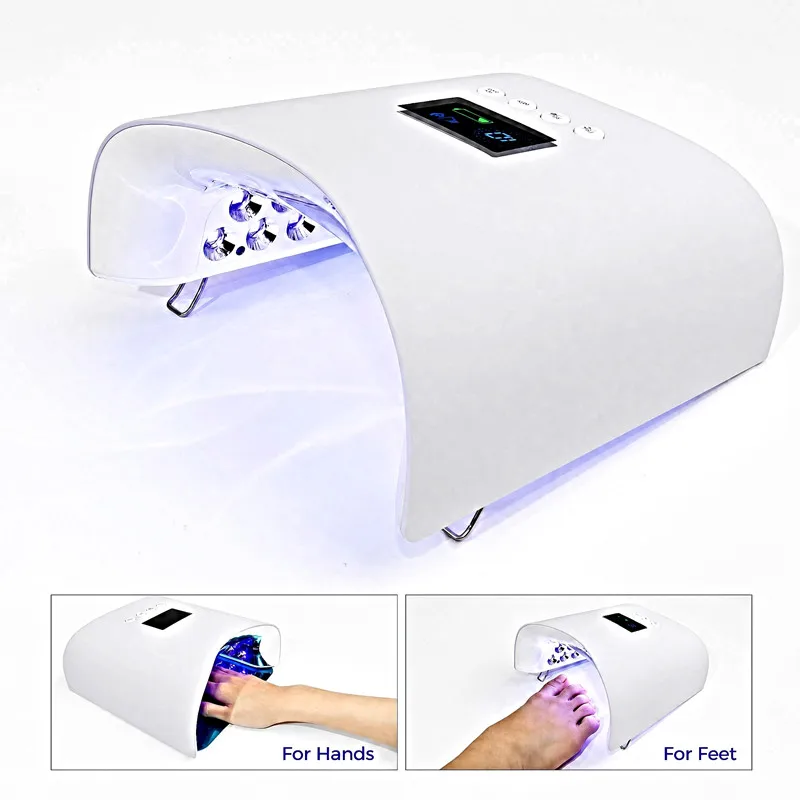
Size and Design: Consider the size of the lamp and whether it can accommodate different hand sizes or multiple fingers at once. A larger chamber is useful for gel applications that require curing on toes or for clients with wider hands.
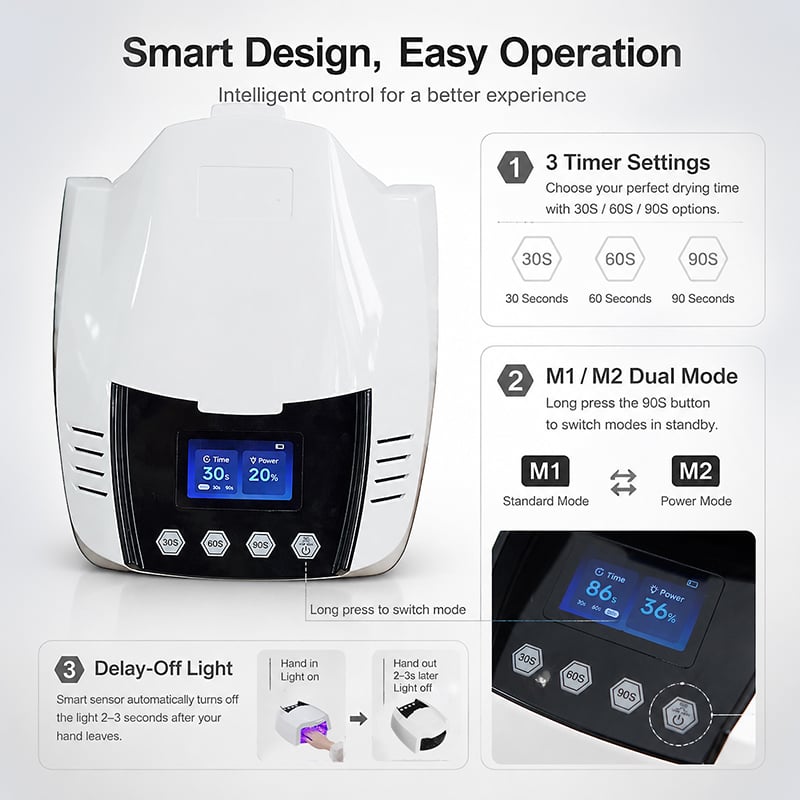
Curing Time: Different products have varying curing times. Ensure that the nail lamp you choose is compatible with the specific gel brands you plan to use. Some lamps offer programmable settings for different curing times. Additionally, exploring options for Other nail products can enhance your salon's offerings.
By assessing these factors, salon owners can select a nail lamp that enhances their service offerings while efficiently meeting customer demands.
When sourcing nail lamps from manufacturers, importers should consider several key factors to ensure a successful procurement process:
Quality Control: Verify the manufacturer's quality control processes. A reliable manufacturer should have certifications and a systematic approach to testing their products for performance and safety.
Customization Capabilities: Depending on your market needs, the ability to customize features such as wattage, color, and size can be a significant advantage. Determine if the manufacturer can accommodate custom orders and the minimum order quantities (MOQ) associated with these requests. For instance, manufacturers may offer Spare Parts that can be tailored to fit specific lamp models.
Production Capacity: Understand the manufacturer’s production capacity to ensure they can meet your demand, especially during peak seasons. This includes lead times for production and shipping.
Export Markets: Check if the manufacturer has experience exporting to your region, as this can affect compliance with local regulations and standards.
Technical Support: Assess the level of support offered post-purchase. This includes warranties, repair services, and guidance on product usage.
Having a clear communication strategy with potential suppliers will facilitate a smoother importation process and ensure you receive products that align with your business needs.
To streamline the procurement of nail lamps, importers and buyers can follow a systematic approach:
Market Research: Identify the types of nail lamps that are in demand within your target market. This can involve analyzing competitors and customer preferences.
Supplier Identification: Compile a list of potential suppliers based on their experience, product range, and reputation in the industry. Attend trade shows or industry events to connect with manufacturers directly.
Request for Quotations (RFQ): Prepare a comprehensive RFQ that includes specifications, quantities, lead times, and any customization requirements. This will allow suppliers to provide accurate quotes.
Sample Evaluation: Before committing to a large order, request samples to evaluate the quality, performance, and compatibility with your products. Testing samples under real-world conditions can help avoid issues during mass production.
Finalize Order: Once satisfied with the samples, finalize the order terms, including pricing, payment terms, and delivery schedules.
By following this structured approach, buyers can minimize risks and ensure they select the right nail lamps for their needs.
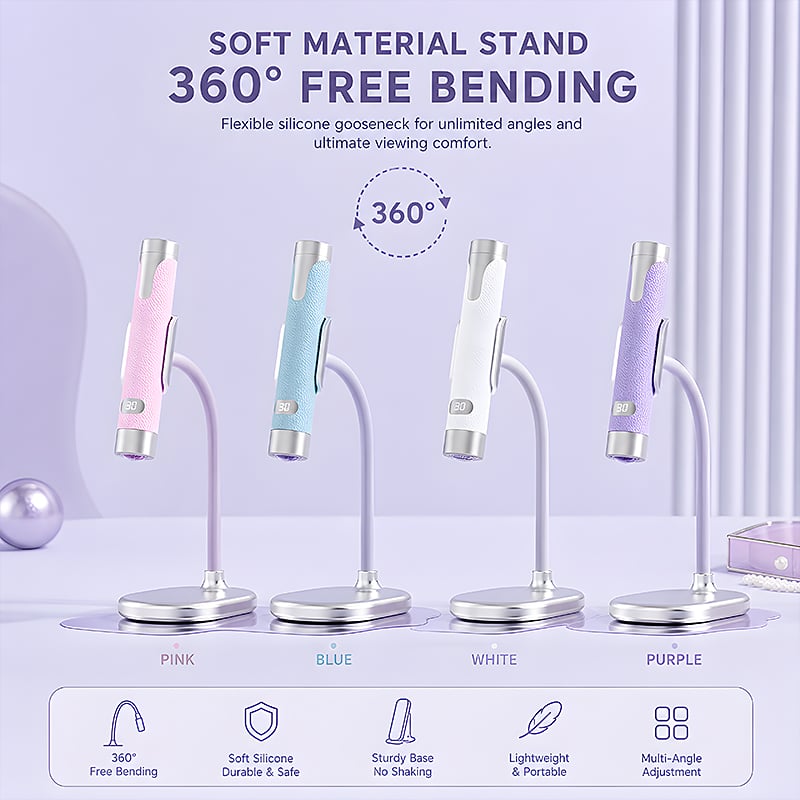
When evaluating nail lamps, certain specifications and features should be prioritized to ensure optimal performance:
Curing Technology: Look for lamps that use dual-channel control chips for stable power output, which enhances curing efficiency and ensures uniform results.
Materials and Build Quality: Review the materials used in the lamp’s construction. High-quality plastics and glass can improve durability and performance.
Energy Efficiency: Consider energy-efficient models that can lower operational costs over time. LED lamps are typically more energy-efficient compared to UV lamps.
Safety Features: Ensure the lamp has built-in safety features, such as automatic shut-off timers and UV shielding, to protect both users and clients.
User-Friendly Design: A lamp that is easy to operate and clean can save time and enhance overall salon efficiency. Look for features like removable trays and intuitive controls.
By focusing on these factors, buyers can select nail lamps that not only meet their performance needs but also enhance the overall salon experience.
Nail lamps serve multiple applications in professional settings, particularly in nail salons, beauty schools, and dental practices:
Nail Salons: In nail salons, nail lamps are essential for curing gel polish and nail enhancements. The efficiency and speed of the lamp can directly impact service delivery and client satisfaction.
Beauty Schools: Educational institutions utilize nail lamps for training future professionals. The ability to demonstrate different curing techniques using various lamp types is crucial for hands-on learning.
Dental Practices: Some dental procedures utilize curing lamps for dental materials like bonding agents and composites. Nail lamps designed for dental applications may have different specifications tailored to the unique needs of dental care.
Customization for Specific Applications: Manufacturers like Fujian Aite Precision Machinery Co., Ltd. can provide tailored solutions for different application needs, ensuring that the right technology is used for each specific scenario.
Understanding these applications helps buyers appreciate the versatility of nail lamps and consider broader market opportunities, such as cross-industry applications.
By keeping these factors in mind, both B2B buyers and importers can make informed decisions when selecting nail lamps for their businesses. This not only enhances operational efficiency but also contributes to improved customer satisfaction in the long run.
 EN
 AR
 BG
 HR
 CS
 DA
 NL
 FI
 FR
 DE
 EL
 IT
 JA
 NO
 PL
 PT
 RU
 ES
 SV
 CA
 TL
 IW
 ID
 LV
 SR
 SK
 SL
 UK
 SQ
 ET
 GL
 MT
 FA
 MS
 GA
 CY
 BE
 MK
 KA
 BN