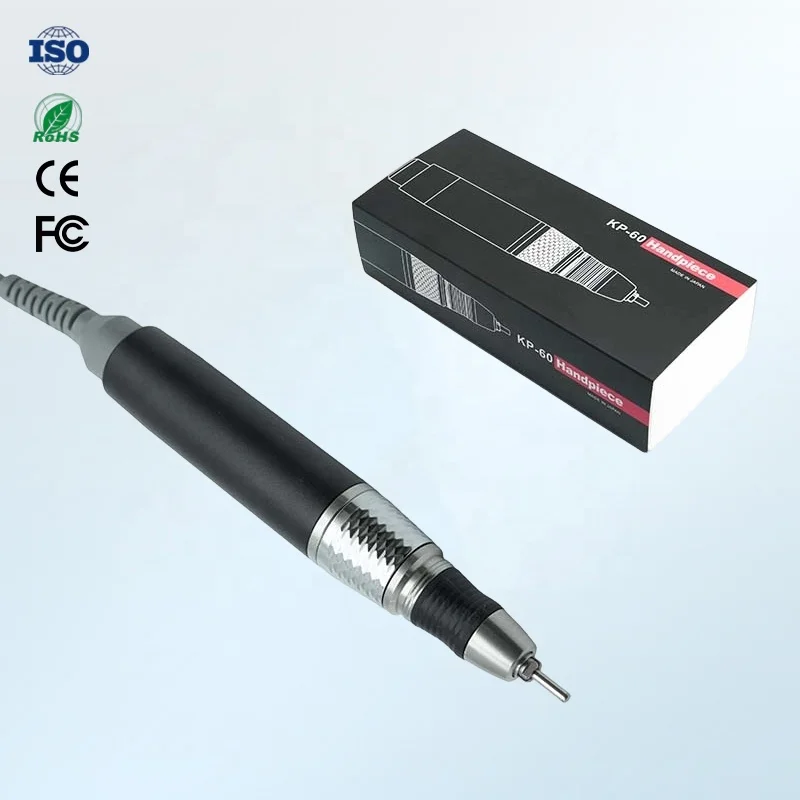
Choosing the right plastic engraving machine is essential for businesses aiming to produce high-quality engraved products efficiently. These machines play a critical role in various industries, including jewelry, dentistry, and nail salons, where precision is vital. B2B buyers often seek machines that offer durability, reliability, and the ability to handle bulk orders. This article will guide you through the key considerations and specifications necessary for selecting a plastic engraving machine, ensuring you make an informed purchasing decision.
When selecting a plastic engraving machine for bulk orders, several factors should be taken into account:
Production Capacity: Evaluate the machine's throughput to ensure it meets your volume requirements. For businesses producing large quantities, a high-speed machine with efficient processing capabilities is crucial.
Material Compatibility: Different machines may be optimized for various types of plastics. Ensure that the engraving machine can handle the specific materials you intend to use, such as acrylic, polycarbonate, or PVC.
Precision and Quality: Look for machines that provide consistent engraving quality without sacrificing speed. Features like dual-channel control chips can enhance precision and stability, ensuring that every piece meets quality standards.
Customization Options: Many manufacturers offer customization capabilities. If your production needs include specific designs or dimensions, confirm that the machine can accommodate these requirements, potentially including options like Nail desk lamp & UV lamp for specialized projects.
Technical Support and Training: Ensure that the manufacturer provides adequate training and technical support for your staff. Understanding operation and maintenance can significantly affect the longevity and performance of the machine.

When assessing potential manufacturers for plastic engraving machines, consider the following criteria:
Experience and Expertise: Choose manufacturers with a proven track record in producing engraving machines. Fujian Aite Precision Machinery Co., Ltd., for example, specializes in high-speed brushless electronic grinders and has extensive experience in the manufacturing of core components.
Quality Control Processes: Investigate the quality control measures implemented by the manufacturer. Look for certifications and standards that ensure the machines are built to last and operate reliably.
Customer Reviews and References: Seek feedback from other businesses that have purchased similar machines. This can provide insights into the manufacturer's reputation, product performance, and customer service.
After-Sales Support: Evaluate the level of after-sales support provided, including warranty terms, maintenance services, and availability of spare parts. Reliable support can minimize downtime and operational disruptions.
Export Markets: If you are sourcing from international manufacturers, check their experience in exporting to your region. Familiarity with local regulations and shipping logistics can simplify the procurement process.

Understanding the technical specifications of plastic engraving machines is essential for selecting the right model:
Motor Type: Brushless motors are often preferred for their efficiency and longevity. They provide stable performance, which is critical in maintaining engraving accuracy over time.
Engraving Speed: Measured in mm/min, this specification determines how quickly the machine can complete an engraving job. Higher speeds can enhance productivity, especially in bulk orders.
Engraving Depth: This refers to the maximum depth the machine can engrave into the material. Depending on your application, choose a machine that can achieve the necessary depth without compromising material integrity.
Control System: The machine's control system should allow for easy programming and adjustments. User-friendly interfaces can significantly reduce training time and improve operational efficiency.
Safety Features: Look for machines equipped with safety mechanisms, such as emergency stops and safety covers, to protect operators and ensure safe working conditions.

Proper installation is key to the efficient operation of plastic engraving machines. Here are some practical steps:
Site Assessment: Before installation, assess the workspace for sufficient power supply, ventilation, and space requirements. Ensure that there is adequate room for machine operation and maintenance.
Calibration: After installation, calibrate the machine according to the manufacturer’s specifications. This step is crucial to ensure precision engravings and optimal performance.
Training: Provide thorough training for operators on how to use the machine effectively. Understanding the controls, safety features, and maintenance requirements will help prevent operational issues.
Routine Maintenance: Establish a routine maintenance schedule to keep the machine running smoothly. Regular inspections and servicing can prevent unexpected breakdowns and prolong the machine's lifespan.
Even with high-quality machines, issues may arise during operation. Here are common problems and potential solutions:
Inconsistent Engraving Depth: This can occur due to improper calibration or worn-out bits. Regularly check and calibrate the machine, and replace bits as necessary to maintain engraving quality.
Material Jamming: If the material frequently jams during operation, check the feed mechanism and ensure it is clean and free from debris. Adjust the feed rate if necessary to improve material movement.
Overheating: Machines may overheat during prolonged use. Ensure that the machine is adequately ventilated and take breaks during extended operations. Consider using cooling systems if overheating persists.
Software Issues: Glitches or bugs in the control software can hinder performance. Keep the software updated and consult the manufacturer for troubleshooting advice if problems occur.
By understanding these considerations, specifications, and common issues, B2B buyers can make informed decisions when selecting a plastic engraving machine that best fits their operational needs.
 EN
 AR
 BG
 HR
 CS
 DA
 NL
 FI
 FR
 DE
 EL
 IT
 JA
 NO
 PL
 PT
 RU
 ES
 SV
 CA
 TL
 IW
 ID
 LV
 SR
 SK
 SL
 UK
 SQ
 ET
 GL
 MT
 FA
 MS
 GA
 CY
 BE
 MK
 KA
 BN