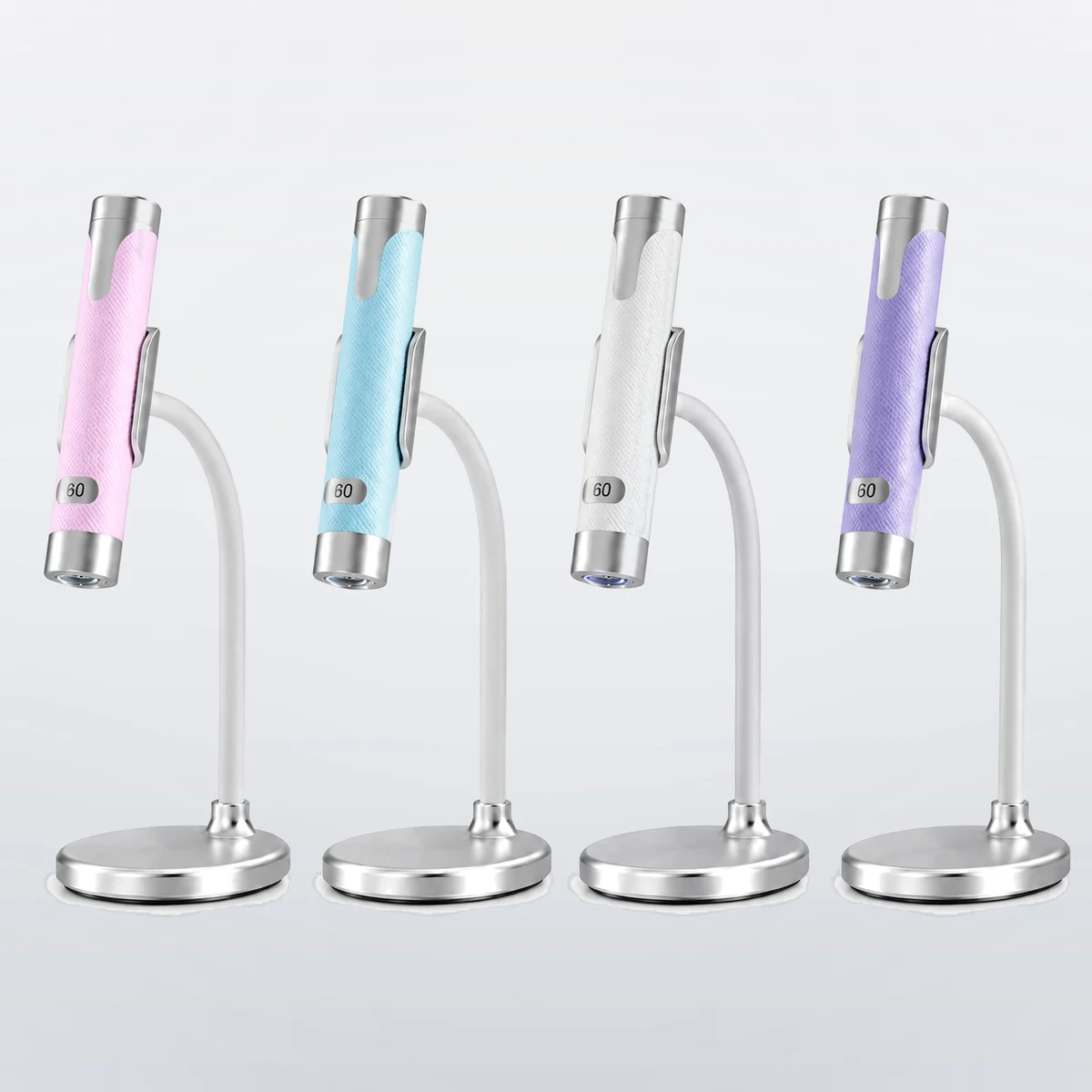
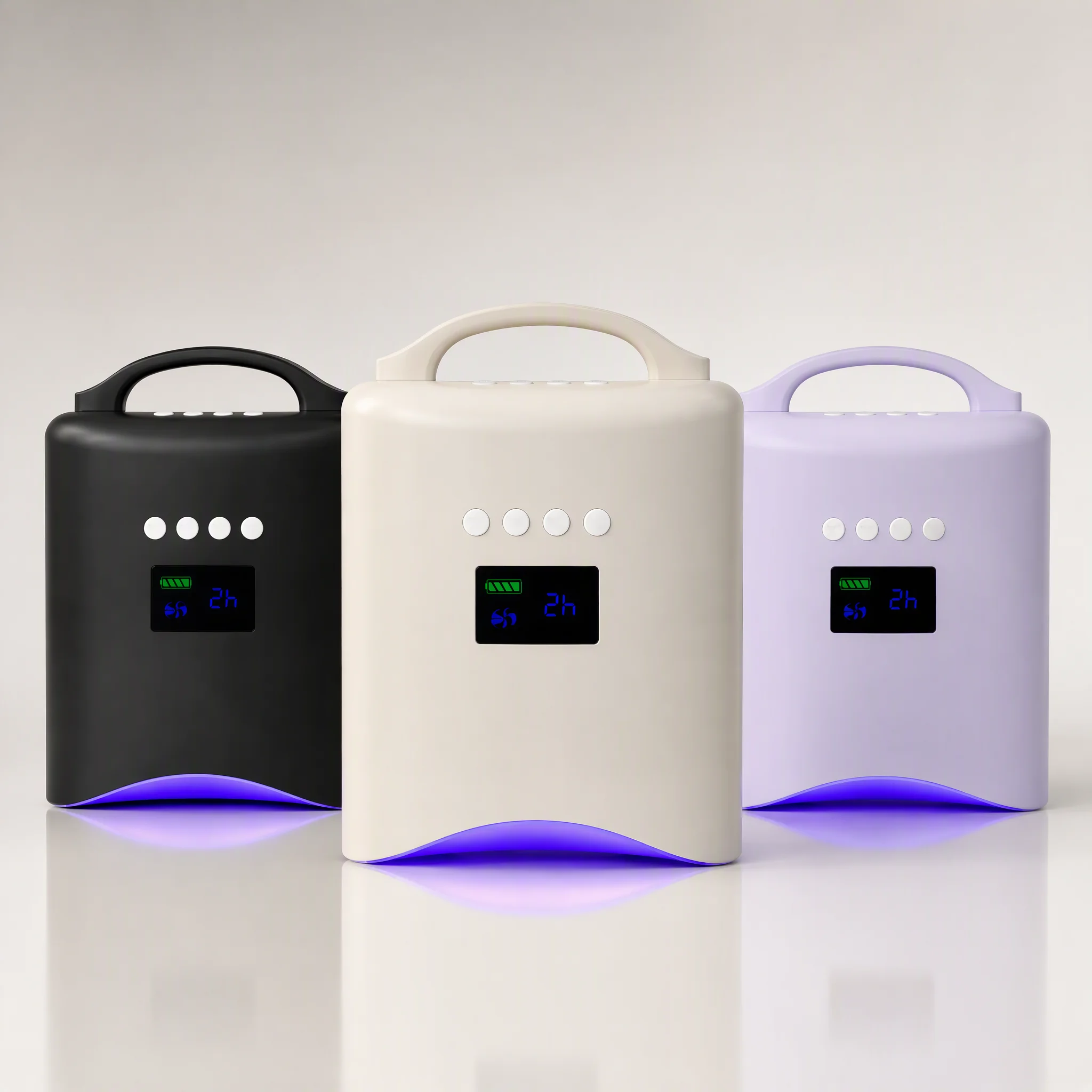
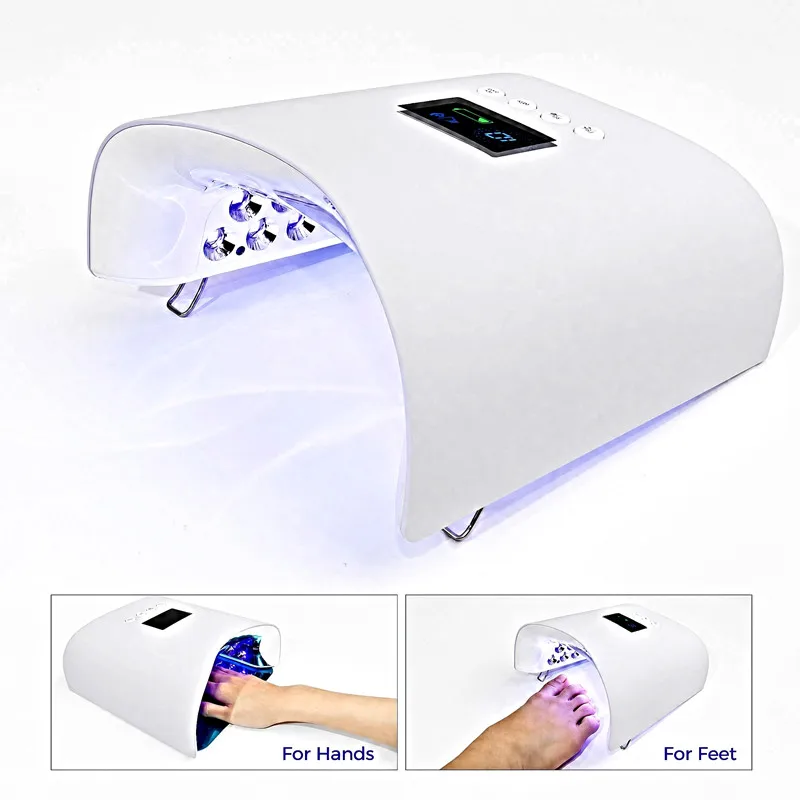
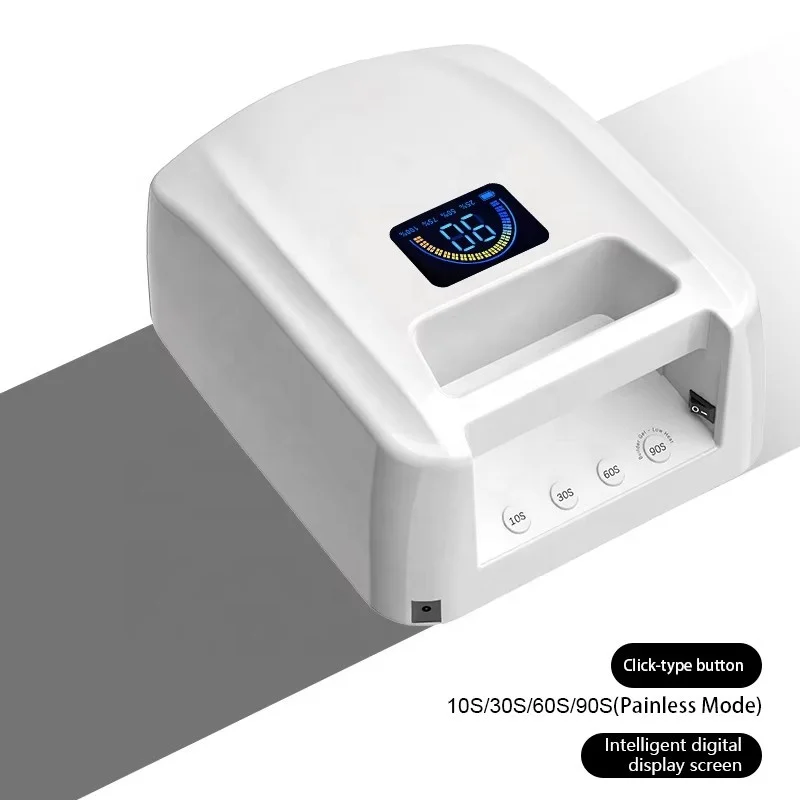
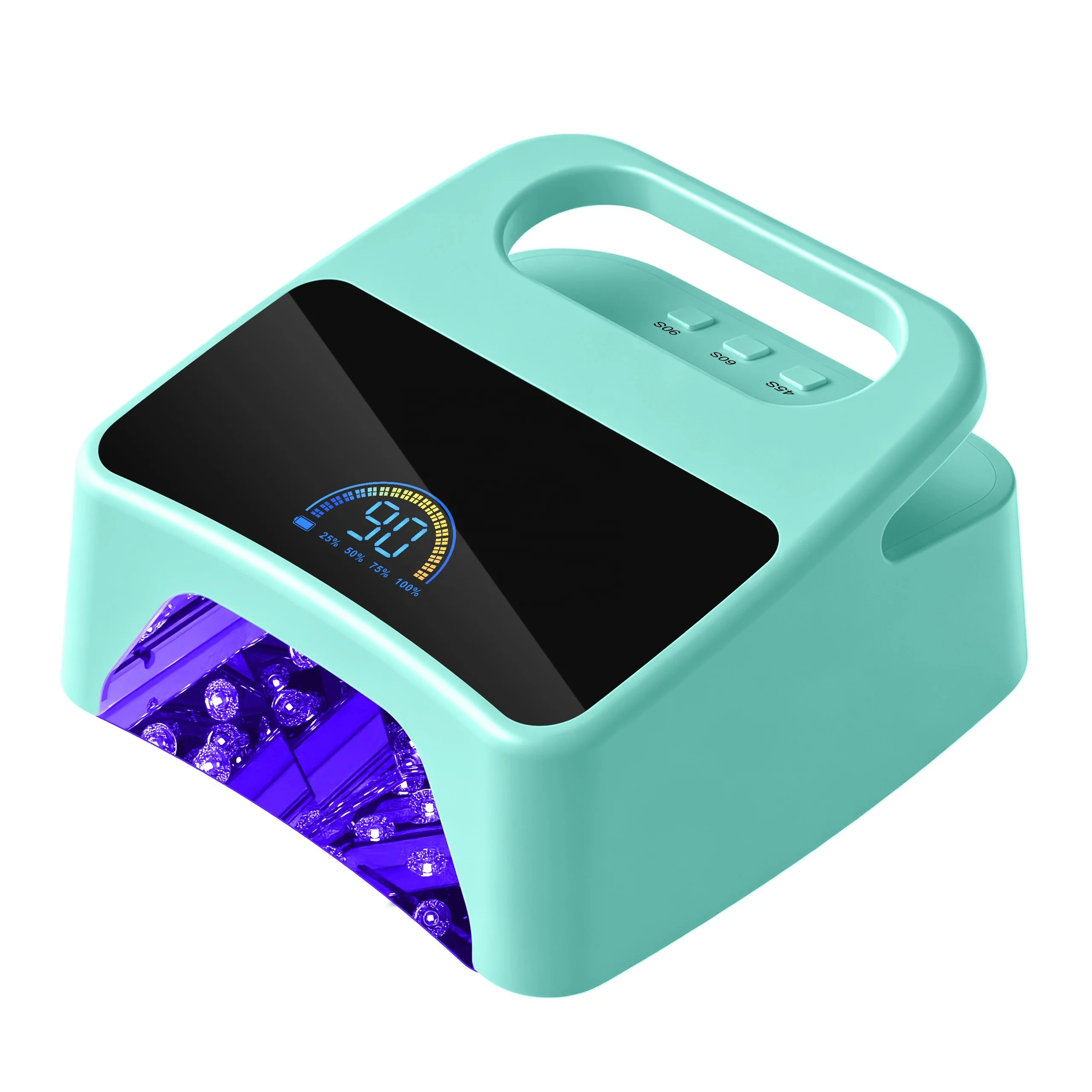
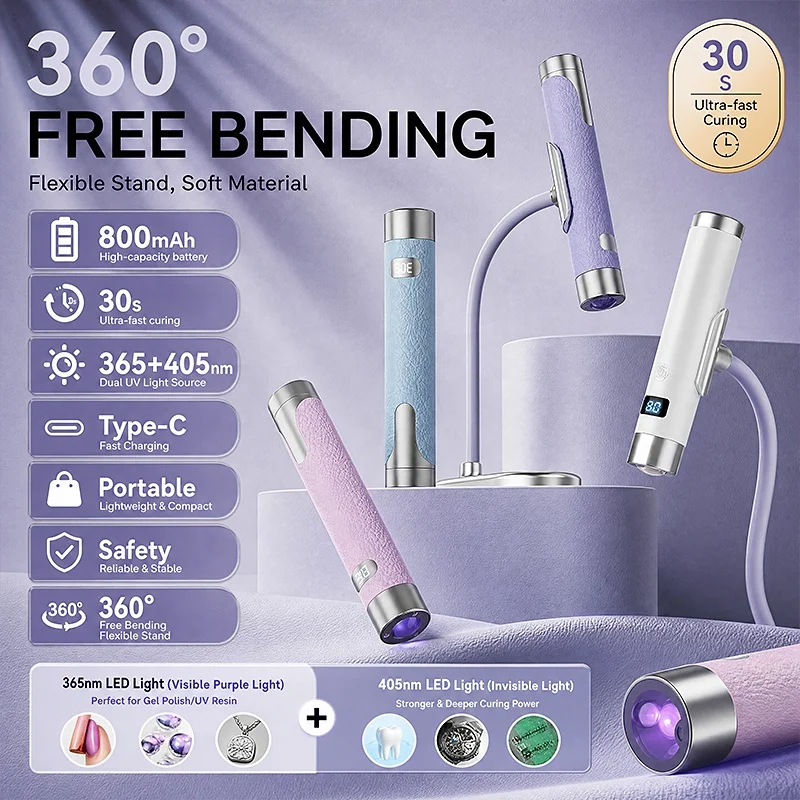
Portable UV lamps are essential tools in various industries, including jewelry making, dentistry, and nail salons. These lamps provide a reliable and efficient method for curing materials, ensuring quick and effective results. However, when considering bulk orders, B2B buyers often have concerns about quality, supplier reliability, and application suitability. This article will guide you through evaluating the quality of portable UV lamps, identifying reliable suppliers, addressing common installation challenges, comparing different models, and understanding the benefits they bring to your manufacturing processes.
When purchasing portable UV lamps in bulk, it is crucial to evaluate the quality to ensure they meet your operational standards. Key specifications to consider include:
Wavelength Output: Portable UV lamps typically operate at specific wavelengths (often between 320-400 nm) that are effective for curing various materials. Ensure the wavelength matches your application requirements.
Power Rating: A higher wattage generally leads to faster curing times. Evaluating the power output will help determine the efficiency of the lamp in your processes.
Durability and Build Quality: Examine the materials used in the lamp’s construction. High-quality materials can affect longevity and performance. Look for lamps that are resistant to wear and tear, especially in high-use environments.
Heat Emission: Excessive heat can damage sensitive materials. Assess whether the lamp has adequate cooling features to mitigate heat during operation.
Certifications: Verify if the product has necessary certifications (e.g., CE, RoHS) that indicate compliance with safety and environmental standards. For instance, suppliers of from alibaba often provide products that meet these certifications.
Buyers should request samples and conduct performance testing to confirm that the lamps function correctly under actual operating conditions before committing to a larger order.
Finding a reliable supplier is paramount for consistent quality and service. Here are criteria to consider when evaluating suppliers of portable UV lamps:
Experience and Reputation: Look for suppliers with a solid track record in the industry. Experienced suppliers like Fujian Aite Precision Machinery Co., Ltd. often have established quality control processes and can offer insights into product performance over time.
Manufacturing Capabilities: Assess whether the supplier has the necessary manufacturing equipment and capabilities to produce high-quality UV lamps. An advanced manufacturing facility equipped with modern technology can significantly impact product quality. For example, consider those who offer Spare Parts to ensure continuous operation of their products.
Customization Options: Suppliers that can offer customization (e.g., specific wavelengths, sizes) can better meet your unique operational needs, enhancing the suitability of the lamps for your applications.
Customer Support and Communication: A responsive supplier that provides clear communication and support can help resolve any issues quickly. Consider reviewing testimonials or case studies from previous clients to gauge their service quality.
Quality Assurance Procedures: Confirm that the supplier has stringent quality control processes in place. This may include regular testing and inspection of products to ensure they meet agreed-upon specifications.
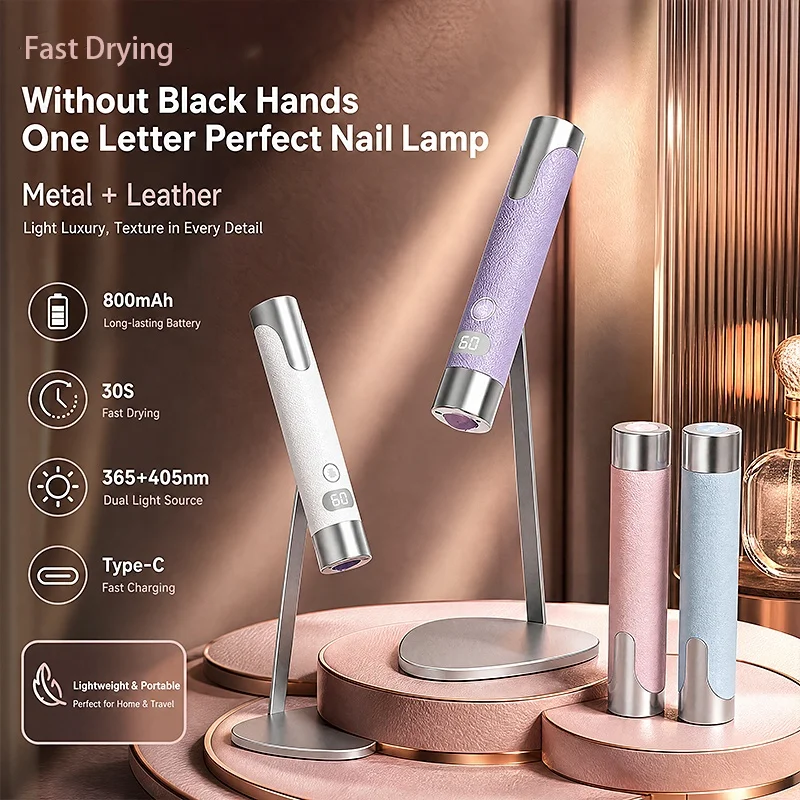
Installing portable UV lamps can present challenges, particularly when integrating them into existing workflows. Here are common issues and potential solutions:
Power Supply Compatibility: Ensure that the power requirements of the UV lamp align with your existing electrical systems. If the lamp requires a specific voltage or frequency, confirm compatibility before installation.
Placement and Positioning: Proper positioning of the lamp is crucial for optimal curing. If the lamp needs to be at a specific distance from the material, ensure your workspace can accommodate this requirement without compromising efficiency.
Safety Concerns: UV light poses risks to skin and eyes. Establish clear safety protocols and provide protective equipment for operators. Ensure that the lamps come with safety features, such as automatic shut-off mechanisms when not in use.
Maintenance Needs: Regular maintenance is essential for consistent performance. Develop a maintenance schedule to inspect the lamps for wear, clean lenses, and replace bulbs as necessary.
Training for Operators: Ensure that staff are adequately trained in the operation and safety procedures associated with UV lamps. This training should cover installation, maintenance, and emergency protocols.
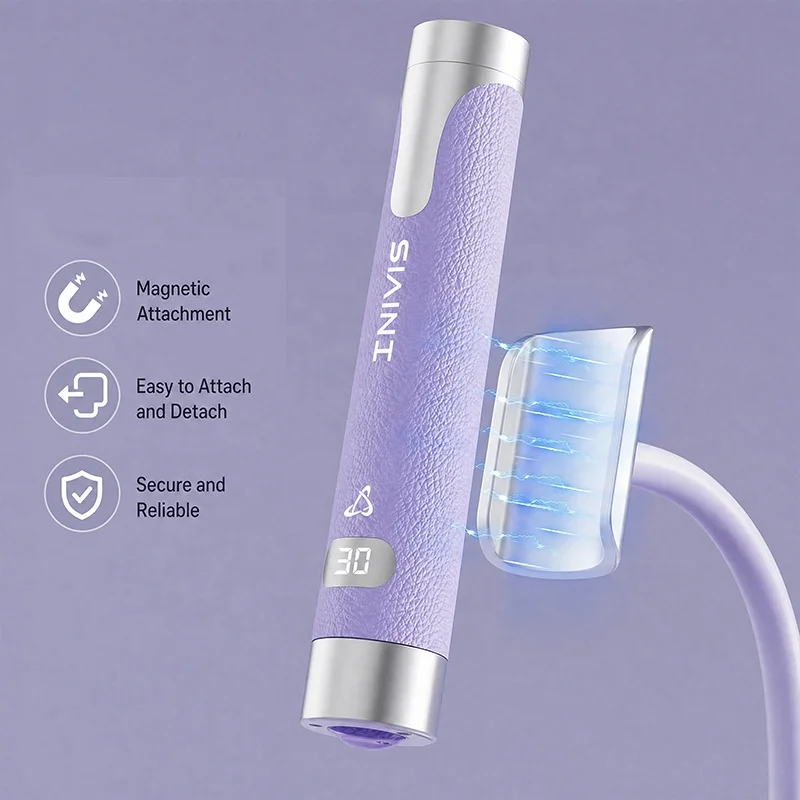
Comparing different models of portable UV lamps requires careful consideration of several factors:
Specifications and Features: Create a comparison chart highlighting key specifications like wavelength, power output, and cooling systems. Understanding these differences can help determine which models best meet your requirements.
Application Suitability: Consider the materials you will be curing. Some lamps may be optimized for specific applications, such as dental resins or nail products. Ensure that the model you choose is appropriate for your intended use, especially if you are looking for options like a Nail dust collector.
User Reviews and Feedback: Research user experiences and reviews. Feedback from other professionals can provide insights into the reliability and performance of specific models in real-world applications.
Warranty and Support: Check the warranty period and the level of customer support provided by the manufacturer. A robust warranty can offer peace of mind regarding the quality and longevity of the product.
Cost Considerations: While price is an important factor, consider the overall value, including potential operating costs and maintenance. Sometimes, investing in a slightly more expensive model can lead to cost savings in the long run due to durability and efficiency.
Integrating portable UV lamps into your manufacturing processes can provide several advantages:
Speed and Efficiency: UV lamps cure materials quickly, reducing production times. This efficiency can lead to increased throughput and higher productivity levels.
Versatility: Portable UV lamps can be used across various applications, from curing resins in jewelry making to disinfecting dental instruments. This adaptability can streamline operations and minimize the need for multiple curing solutions.
Quality and Consistency: The precision of UV curing ensures uniform results, enhancing the overall quality of the final product. This consistency is particularly important in industries where precision is critical.
Reduced Environmental Impact: UV curing processes typically use less energy compared to traditional curing methods. Additionally, many UV-curable materials have lower VOC emissions, contributing to a more environmentally friendly operation.
Compact Design: The portability of these lamps allows for flexible use in various settings, making them ideal for businesses with limited space or those that require mobility in their operations.
Understanding these benefits can help you make informed decisions about incorporating portable UV lamps into your manufacturing processes, ultimately enhancing productivity and product quality.
 EN
 AR
 BG
 HR
 CS
 DA
 NL
 FI
 FR
 DE
 EL
 IT
 JA
 NO
 PL
 PT
 RU
 ES
 SV
 CA
 TL
 IW
 ID
 LV
 SR
 SK
 SL
 UK
 SQ
 ET
 GL
 MT
 FA
 MS
 GA
 CY
 BE
 MK
 KA
 BN