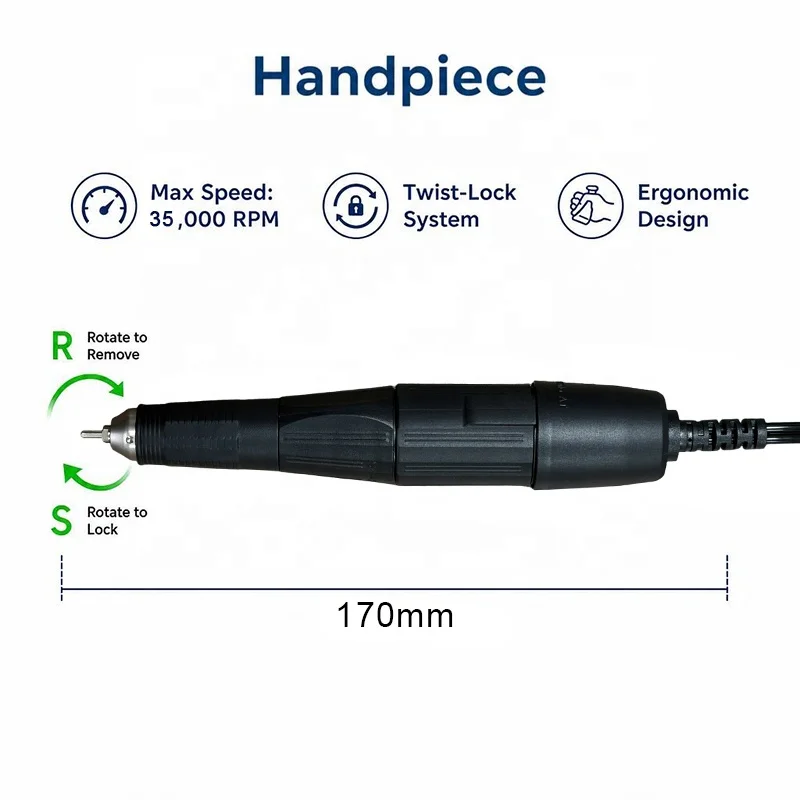
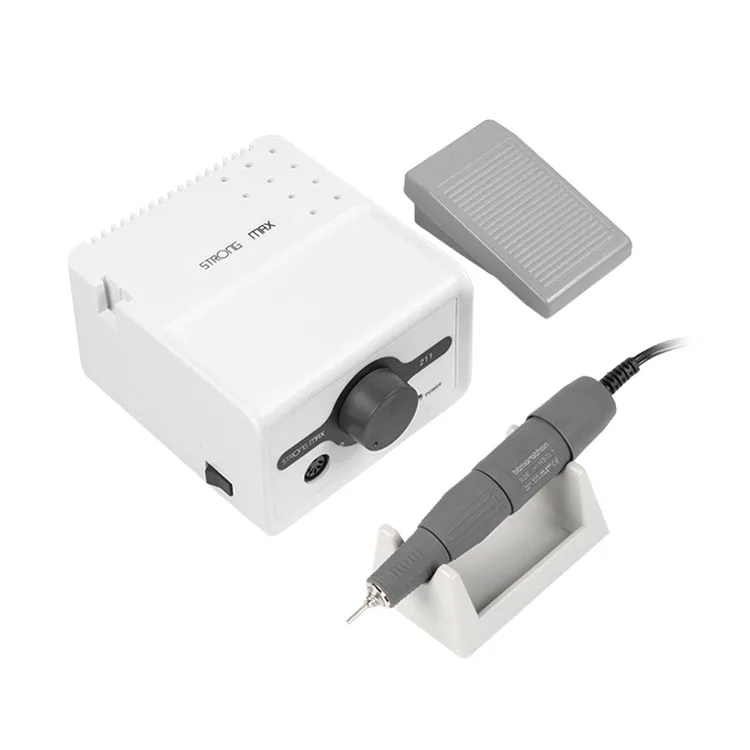
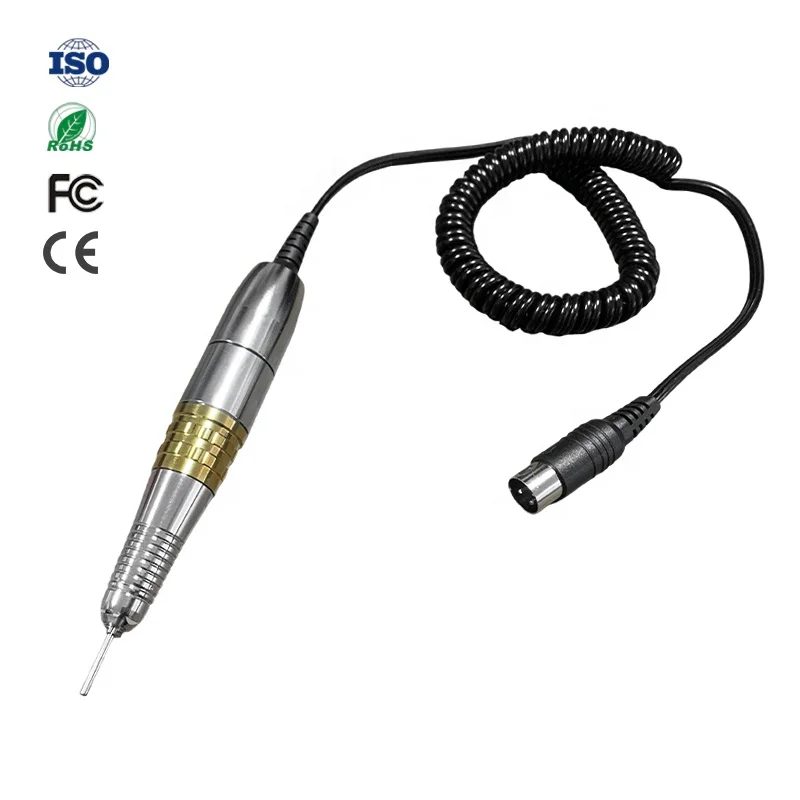
A stone engraving machine is an essential tool for industries such as jewelry making, monument crafting, and decorative stonework. Buyers often seek machines that offer precision, speed, and versatility to meet their specific engraving needs. This article will guide you through key considerations when selecting a stone engraving machine, ensuring you make an informed purchasing decision that aligns with your business requirements.
When evaluating stone engraving machines, several critical specifications should be taken into account:
Motor Power: The power of the motor affects the machine's engraving speed and capability. A higher wattage typically enables faster and more efficient engraving, which is essential for high-volume production.
Engraving Area: The size of the engraving area determines the dimensions of the items you can work on. Ensure that the machine's capacity aligns with the sizes of the stones or materials you plan to engrave.
Precision: Look for machines that offer high precision, typically measured in microns. A machine with better precision will produce detailed and accurate engravings, which is crucial for sectors like jewelry and dental applications.
Software Compatibility: Ensure that the machine supports the software you intend to use for design. Some machines come with proprietary software, while others may allow integration with third-party programs.
Cooling System: A robust cooling system is vital to prevent overheating during extended use, which can impact performance and longevity.
These specifications significantly impact the machine's performance and suitability for your specific applications.
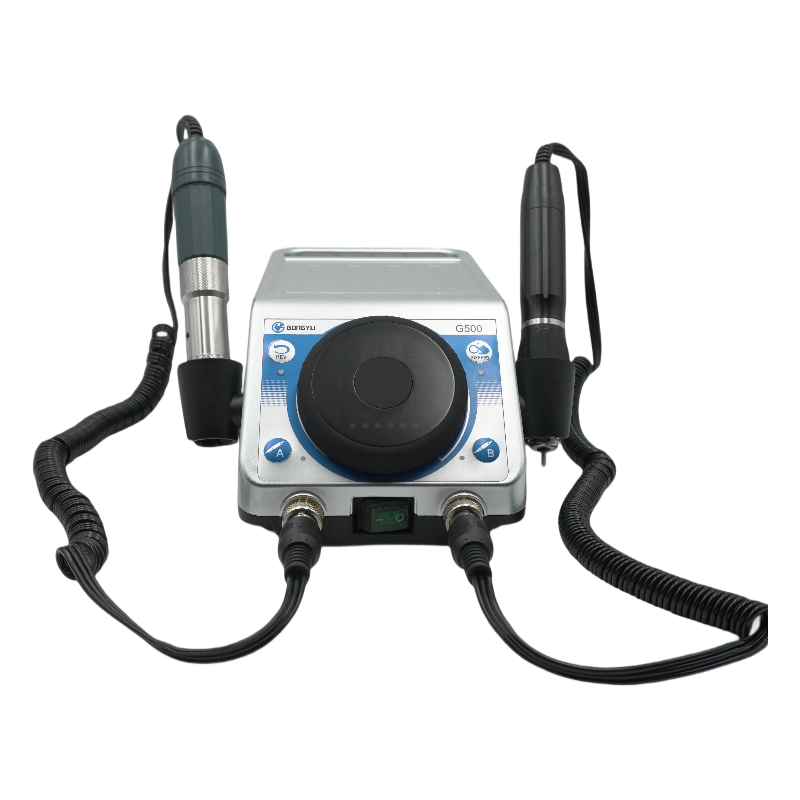
When selecting a stone engraving machine, consider the following factors to ensure you choose the right model:
Application Versatility: Determine if the machine can handle various materials, including granite, marble, and other types of stone. Some machines are also designed for softer materials, which may broaden your operational capabilities. For instance, if you're also interested in Spare Parts, make sure your chosen model can accommodate those needs.
User-Friendliness: Look for machines that are easy to operate, particularly if your team has varying skill levels. A user-friendly interface can lead to increased productivity and reduced training time.
Durability and Build Quality: Machines constructed from high-quality materials will generally last longer and require less maintenance. A sturdy build can handle the vibrations and stresses associated with engraving.
Warranty and Support: Check the warranty period and the manufacturer’s support services. A comprehensive warranty can provide peace of mind, while robust customer support can help resolve issues quickly.
Cost of Consumables: Consider the cost of replacement parts and consumables, such as engraving bits. Long-term operational costs can significantly affect your overall investment. Additionally, exploring options like Handpiece may be beneficial for your projects.
By focusing on these aspects, you can select a stone engraving machine that not only meets your immediate needs but also supports future growth.
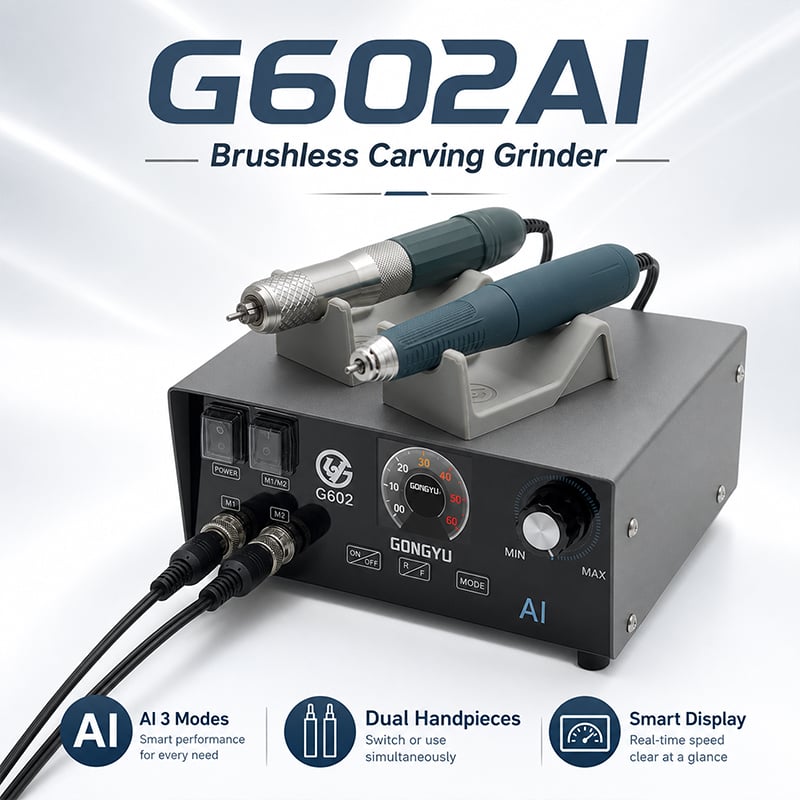
To effectively compare different stone engraving machines, follow these steps:
Create a Comparison Matrix: List potential machines and their specifications side by side. Factor in aspects like motor power, engraving area, and precision. This visual representation can clarify which machines stand out.
Prioritize Features: Based on your business requirements, rank the importance of various features. For example, if precision is critical for your applications, prioritize machines known for their accuracy.
Seek Testimonials and Reviews: Look for feedback from other businesses that have used the machines you are considering. Real-world performance can provide insights that specifications alone may not reveal.
Request Demos or Samples: If possible, arrange for a demonstration or a test run with the machine. This hands-on experience can help you assess its performance, usability, and suitability for your specific tasks.
Evaluate After-Sales Service: Investigate the manufacturer’s reputation for after-sales support. A supplier that offers good service can be a valuable partner in ensuring your machine operates smoothly over time.
By systematically comparing machines against your prioritized features, you can make a well-informed decision that aligns with your business strategy.
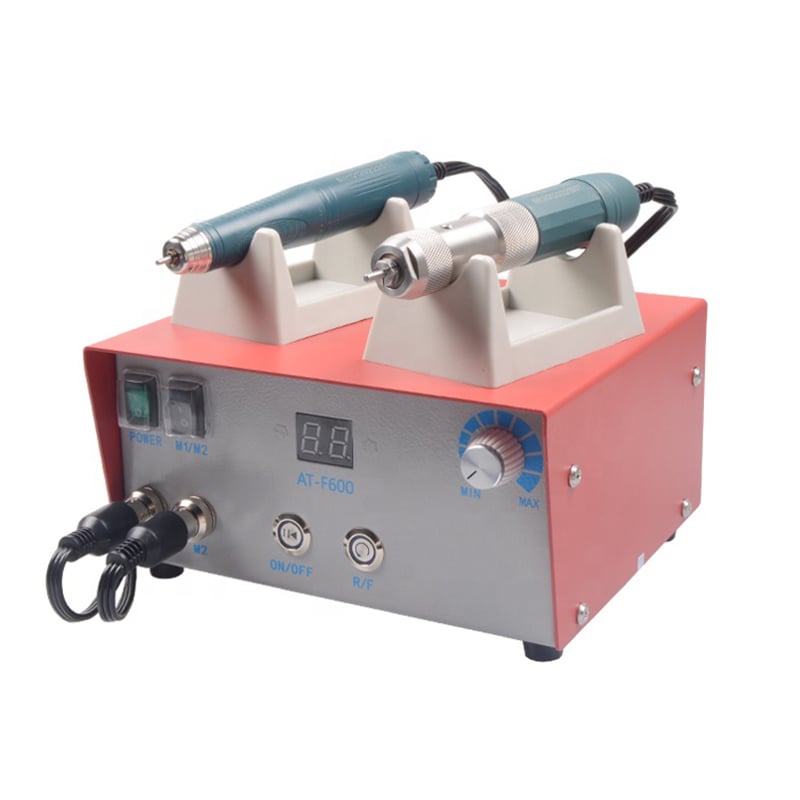
Proper installation is crucial for maximizing the performance of your stone engraving machine. Follow these guidelines:
Location Setup: Choose a stable, flat surface that can support the machine’s weight. Ensure there is adequate space around the machine for ventilation and easy access.
Electrical Requirements: Verify the electrical specifications of the machine, including voltage and current requirements. Ensure that your installation site can accommodate these needs to prevent electrical issues.
Calibration: After installation, calibrate the machine according to the manufacturer’s instructions. Proper calibration ensures that the machine engraves accurately and consistently.
Software Installation: Install and configure the necessary software as per the manufacturer's guidelines. Familiarizing yourself with the software can enhance operational efficiency.
Safety Precautions: Adhere to all safety protocols during installation and operation. This includes using personal protective equipment and ensuring the workspace is free of hazards.
Following these installation steps will help ensure that your stone engraving machine operates at its best from the outset.
Several factors influence the cost of stone engraving machines, which include:
Machine Type and Features: The specific features and capabilities of the machine will significantly impact its price. Advanced machines with higher precision and versatility will typically come at a premium.
Brand and Manufacturer Reputation: Established manufacturers with a track record of quality and reliability usually price their machines higher. This is often justified by superior build quality and customer support.
Customization Options: If you require specific customizations tailored to your business needs, this can increase the overall cost. Custom features may include unique engraving patterns or specialized software capabilities.
Shipping and Installation Costs: Don't overlook additional costs related to shipping, installation, and setup. These can vary significantly based on location and the complexity of the installation.
Maintenance and Operating Costs: Consider the long-term costs of maintaining the machine, including the price of consumables and potential repairs. Choosing a machine with lower operating costs can lead to significant savings over time.
By understanding these cost factors, you can better evaluate your budget and make a more informed purchasing decision regarding stone engraving machines.
 EN
 AR
 BG
 HR
 CS
 DA
 NL
 FI
 FR
 DE
 EL
 IT
 JA
 NO
 PL
 PT
 RU
 ES
 SV
 CA
 TL
 IW
 ID
 LV
 SR
 SK
 SL
 UK
 SQ
 ET
 GL
 MT
 FA
 MS
 GA
 CY
 BE
 MK
 KA
 BN