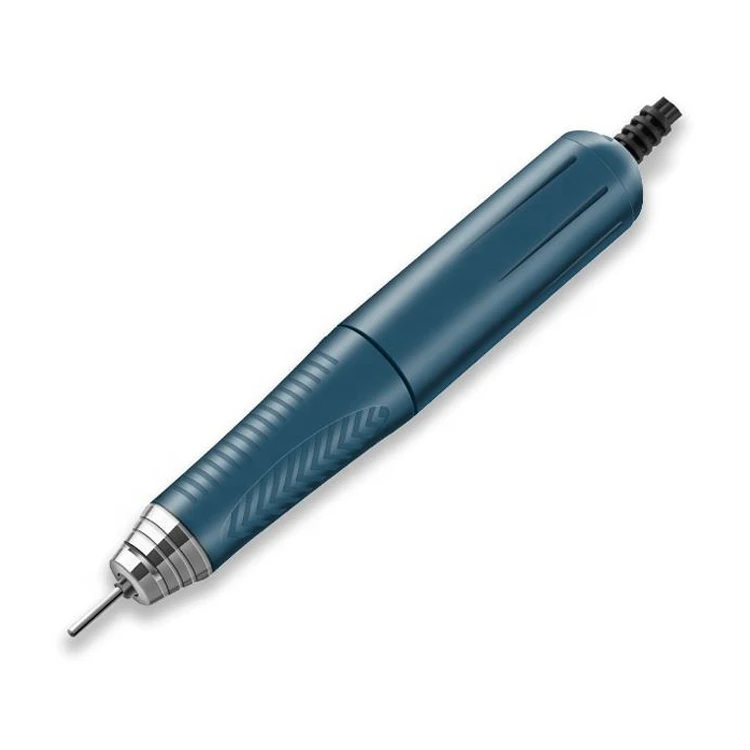
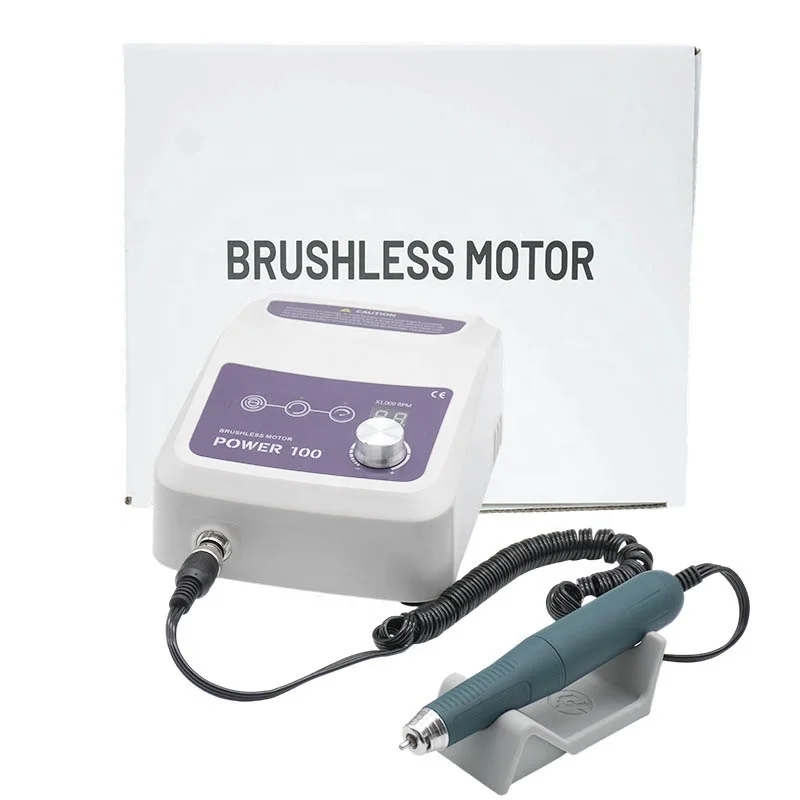
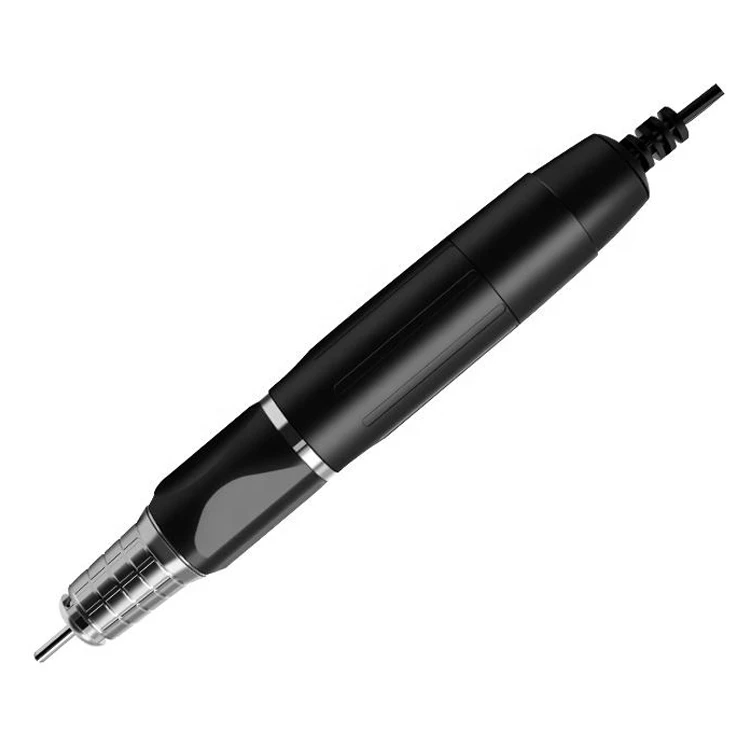
Portable stone engraving machines are essential tools in various industries, including jewelry, dentistry, and decorative stonework. As a purchasing manager or distributor, your main concerns revolve around selecting a reliable machine that meets your specific engraving needs while ensuring high precision and durability. This article aims to provide you with valuable insights into finding trustworthy suppliers, understanding key specifications, troubleshooting common issues, obtaining installation guidance, and evaluating cost factors when purchasing portable stone engraving machines.
Finding reliable suppliers for portable stone engraving machines requires a strategic approach. Start by researching manufacturers with a proven track record in the industry. Look for companies that specialize in precision machinery, such as Fujian Aite Precision Machinery Co., Ltd., known for their expertise in producing high-speed brushless electronic grinders and accessories.
Online marketplaces, industry trade shows, and networking within professional associations can also lead you to reputable suppliers. Reviews and testimonials from other buyers can provide insights into the supplier’s reliability and product quality. When evaluating potential suppliers, consider their experience in manufacturing core components, the range of products offered, and their ability to provide customized solutions. You might also want to explore options like the ODM Professional 90W High Power Brushless Metal Vacuum Cleaner for added efficiency in your workspace.

When selecting a portable stone engraving machine, several key specifications should be evaluated to ensure it meets your operational needs:
Motor Power: Look for machines with high-speed brushless motors, which provide stable output and efficiency, especially for intricate designs.
Engraving Depth and Speed: Consider the maximum engraving depth and speed capabilities. These factors influence how quickly and deeply you can engrave various materials.
Control System: Machines with dual-channel control chips offer enhanced precision and control, reducing the likelihood of errors during the engraving process.
Compatibility with Materials: Ensure the machine is suitable for the specific types of stone or materials you plan to engrave, as different materials require different handling and tooling.
Portability Features: Since the machine is portable, check its weight, size, and ease of transport, especially if you plan to use it across multiple job sites. If you're looking for a versatile machine, consider options like the STRONG 204 102L Brushed Micromotor.
Understanding these specifications will help you select a machine tailored to your specific application and performance requirements.

Despite their advantages, portable stone engraving machines can encounter several common issues:
Inconsistent Engraving Quality: This problem often arises from improper machine calibration or worn-out bits. Regular maintenance and using high-quality engraving bits can help maintain consistent performance.
Overheating: Extended use can lead to overheating, which may damage the motor or electronics. Implementing proper cooling measures, such as taking breaks between jobs or using fans, can help mitigate this issue.
Material Compatibility Issues: Not all engraving machines can handle every type of stone. Buyers should verify the machine's specifications against the materials they intend to use, ensuring compatibility to avoid operational problems.
Software Compatibility: Some machines require specific software for optimal performance. Ensure that the machine you choose is compatible with your existing design software to streamline the engraving process.
By being aware of these issues and their solutions, you can better prepare for potential challenges and ensure smooth operation.

Proper installation is critical for the effective operation of your portable stone engraving machine. Follow these steps to ensure a smooth setup:
Unpacking and Inspection: Carefully unpack the machine and inspect it for any shipping damage. Verify that all components are included as per the manufacturer’s specifications.
Location Setup: Choose a stable and level surface to set up the machine. Ensure that the workspace is well-ventilated and free from dust and debris, which can affect engraving quality.
Connecting Power and Software: Follow the manufacturer’s instructions to connect the machine to a power source. If the machine requires software installation, download the latest version from the manufacturer’s website and follow the setup instructions.
Calibration: Before starting any engraving work, calibrate the machine according to the manufacturer’s guidelines. This step is crucial for achieving accurate engraving results.
Training: If possible, invest time in training on machine operation and maintenance. Understanding how to use the machine efficiently will enhance productivity and reduce errors.
By adhering to these installation guidelines, you can set up your engraving machine for optimal performance and longevity.
When considering bulk purchases of portable stone engraving machines, several cost factors come into play:
Unit Price: Bulk orders typically qualify for discounts. However, the total price can also depend on the machine's specifications and features. Ensure you balance cost with the necessary features to meet your needs.
Shipping Costs: Factor in shipping expenses, especially if the machines are being delivered internationally. Shipping costs can significantly impact the overall budget.
Import Duties and Taxes: If purchasing from overseas suppliers, be aware of potential import duties and taxes that may apply, which can add to the overall cost.
Warranty and Support: Consider the warranty offered by the manufacturer. A longer warranty period can be an indicator of quality and can save you costs related to repairs or replacements down the line.
Maintenance and Operating Costs: Evaluate the long-term costs associated with maintenance, including potential repairs and the need for replacement parts. Machines that require frequent servicing can increase overall operating expenses.
By understanding these cost factors, you can make informed decisions that align with your budget while meeting your engraving needs effectively.
 EN
 AR
 BG
 HR
 CS
 DA
 NL
 FI
 FR
 DE
 EL
 IT
 JA
 NO
 PL
 PT
 RU
 ES
 SV
 CA
 TL
 IW
 ID
 LV
 SR
 SK
 SL
 UK
 SQ
 ET
 GL
 MT
 FA
 MS
 GA
 CY
 BE
 MK
 KA
 BN