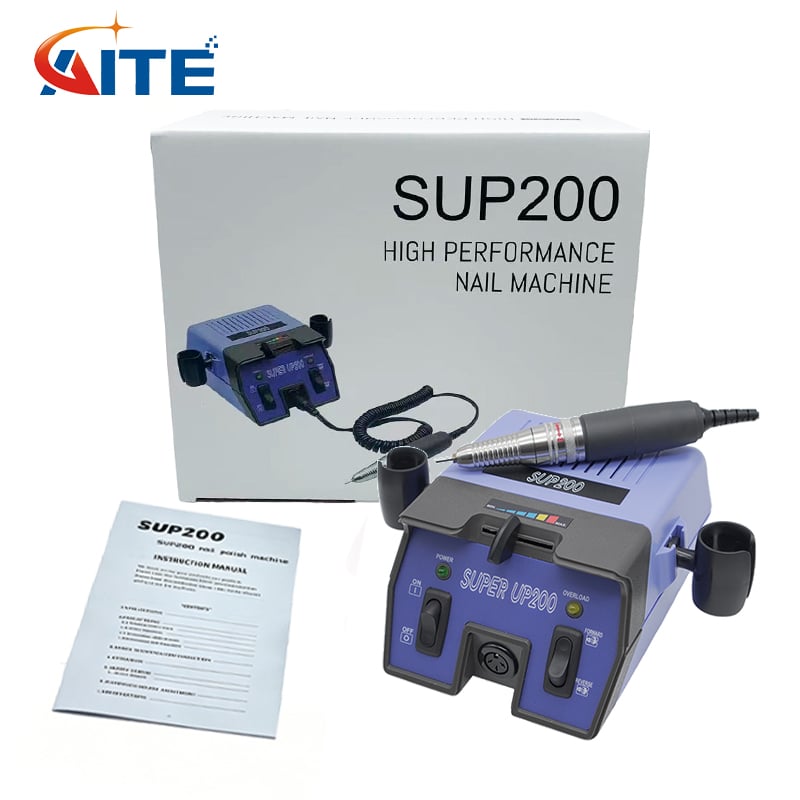
When sourcing a stone carving machine, B2B buyers must navigate a range of considerations from specifications to supplier reliability. A stone carving machine is a specialized tool designed for shaping and finishing stone, widely used in industries such as construction, art, and manufacturing. The main concerns for buyers include machine capabilities, cost-effectiveness, and the suitability for specific applications. This article aims to provide clarity on how to choose the right stone carving machine, detailing key specifications, cost factors, and practical applications.
Selecting the appropriate stone carving machine requires an understanding of your specific needs and operational requirements. Start by considering the type of stone materials you will be working with—different machines are optimized for various stone types, such as marble, granite, or softer materials. Evaluate the machine’s power output and speed, as these factors significantly influence the quality and efficiency of the carving process. For instance, machines like the ODM Professional 90W High Power Brushless Metal Vacuum Cleaner can enhance your workspace by keeping it clean during operations.
Moreover, assess the machine's versatility. Some machines are designed for specific tasks, while others can handle multiple functions, such as rough cutting, detailed engraving, or polishing. If your projects involve diverse stone types and finishing techniques, investing in a multifunctional machine may be beneficial. Additionally, consider the machine's compatibility with existing tools and equipment to ensure a seamless integration into your production workflow. For example, consider using a STRONG 204 102L Brushed Micromotor for intricate detailing.
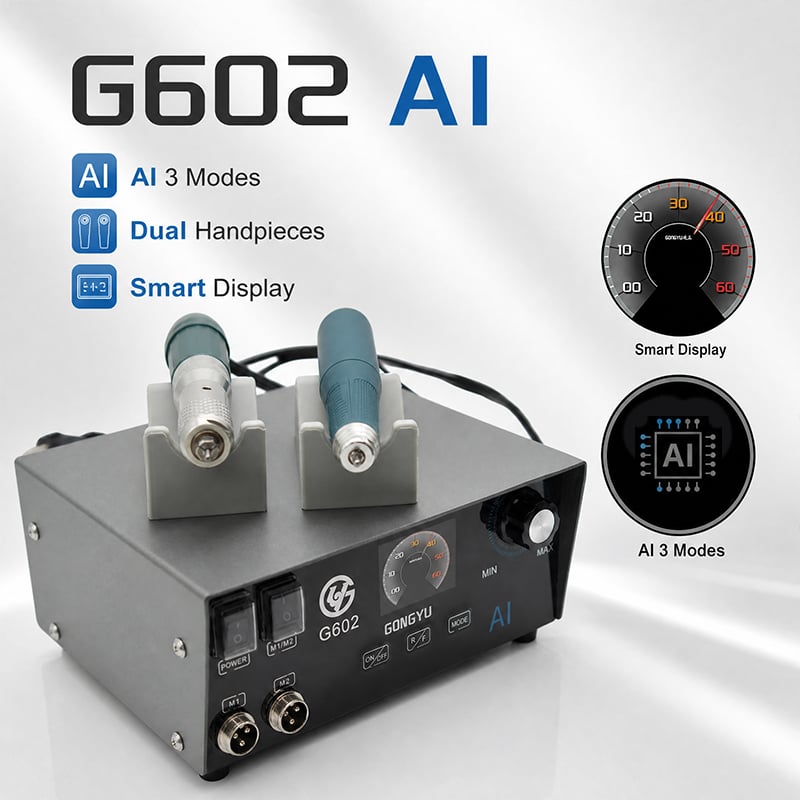
When sourcing a stone carving machine, several key specifications should be thoroughly evaluated:
Power and Motor Type: The power rating, often measured in watts or horsepower, indicates the machine's strength. A higher power rating allows for faster cutting and can handle tougher materials. Brushless motors, like those used in Fujian Aite's electronic grinders, offer stable output and longevity.
Speed Settings: Adjustable speed settings provide flexibility for different tasks. High speeds are ideal for rough cuts, while lower speeds are more suitable for detailed work. Look for machines that allow for easy adjustments to optimize performance based on the task at hand.
Cutting Depth and Width: The maximum cutting depth and width determine the size of the stone pieces that can be processed. Ensure that the specifications meet the requirements of your typical projects to avoid limitations during operation.
Weight and Portability: Depending on your workspace, the weight of the machine can be a critical factor. Portable models are ideal for onsite work, while heavier machines may offer greater stability and durability in a fixed location.
Control Systems: Look for machines with advanced control systems that enhance precision. Some models feature dual-channel control chips, which can improve the accuracy and consistency of cuts.
Safety Features: Ensure that the machine is equipped with safety features, such as emergency stop buttons and protective shields, to minimize risks during operation.
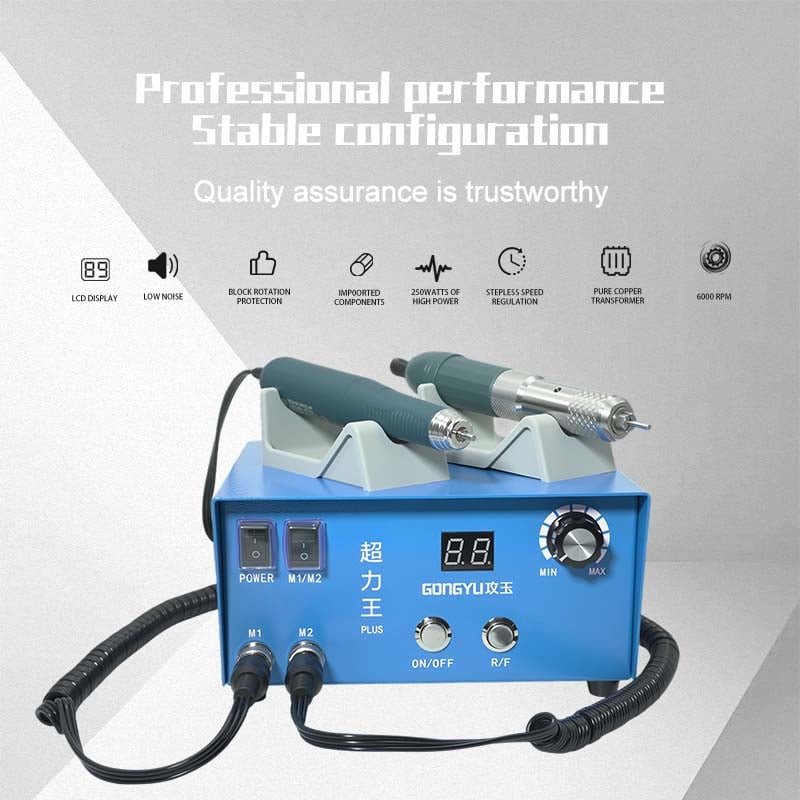
When planning to purchase stone carving machines in bulk, several cost factors must be taken into account:
Unit Cost vs. Total Cost of Ownership: While a lower unit cost may seem attractive, consider the total cost of ownership, which includes maintenance, operational efficiency, and longevity. Higher-quality machines might have a higher initial investment but can lead to lower costs over time due to reduced downtime and repair needs.
Bulk Discounts: Many manufacturers offer discounts for bulk orders. Inquire about pricing tiers based on quantity, as negotiating can lead to significant savings.
Shipping and Handling Fees: Shipping costs can vary widely based on the weight of the machines and the distance to the delivery location. Be sure to account for these costs when budgeting for your purchase.
Customizations and Accessories: If you require specific customizations or additional accessories, such as specialized cutting heads or safety equipment, factor these costs into your overall budget.
Lead Times: Understand the expected lead times for bulk orders. Delays can disrupt project timelines, so align your purchasing schedule with production needs.
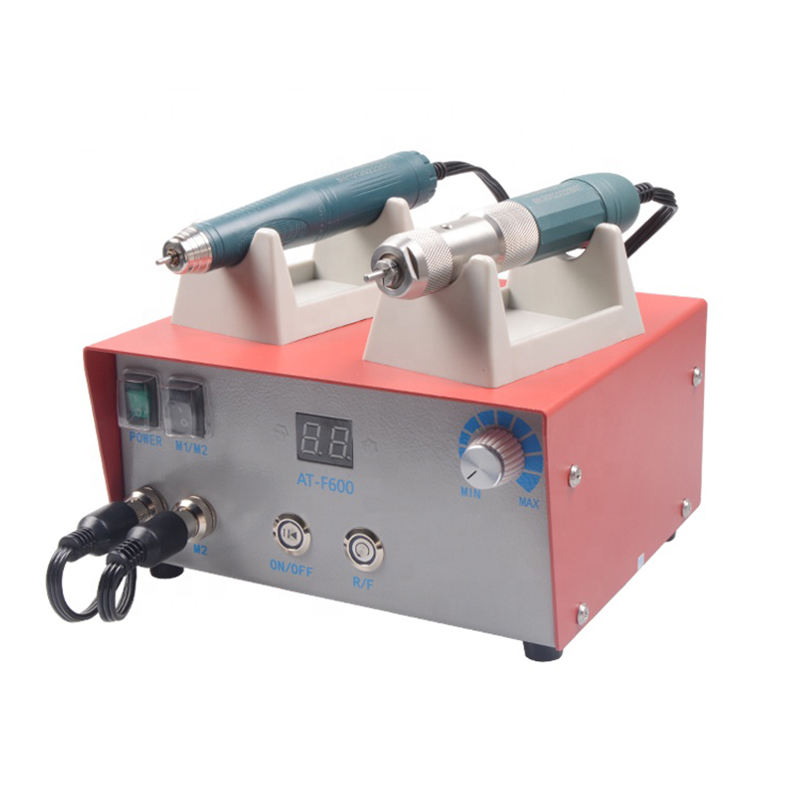
Finding a reliable supplier for stone carving machines involves researching potential manufacturers and evaluating their capabilities. Start by checking industry-specific trade shows, exhibitions, and online marketplaces focusing on industrial equipment. Established manufacturers, like Fujian Aite Precision Machinery Co., Ltd., often participate in these events to showcase their latest technologies.
Next, utilize online platforms and directories that list reputable suppliers. Look for feedback and reviews from other customers to gauge the supplier's reliability. Also, consider reaching out to industry contacts for recommendations based on firsthand experiences.
When evaluating suppliers, check for certifications that demonstrate compliance with industry standards, such as ISO certification or other relevant quality assurance measures. A supplier with extensive experience in manufacturing core components and a proven track record in exporting machinery can provide additional confidence in their reliability.
Stone carving machines serve diverse applications across multiple industries:
Construction: In the construction sector, these machines are used for shaping and finishing stone for architectural features, flooring, and countertops. The ability to produce precise cuts and intricate designs enhances the aesthetic appeal of buildings.
Art and Sculpture: Artists and sculptors utilize stone carving machines to create detailed sculptures and art installations. The machines allow for fine detailing that would be challenging to achieve manually, enabling the production of complex designs.
Jewelry: In the jewelry industry, stone carving machines are essential for shaping gemstones and creating intricate designs in materials like jade or lapis lazuli. The precision offered by advanced machines ensures high-quality finishes that meet market demands.
Monuments and Memorials: Manufacturers of memorial stones rely on stone carving machines to create customized headstones and monuments. The ability to engrave text and designs accurately is crucial for these applications.
Nail Salons: Interestingly, stone carving machines have found applications in the beauty industry as well, particularly in nail salons for shaping and decorating nail enhancements with precision. For this purpose, machines like the STRONG 204 102L Brushed Micromotor are particularly effective.
Understanding the specifications, cost factors, and reliable suppliers of stone carving machines is essential for B2B buyers. With the right knowledge and preparation, you can make informed decisions that enhance your projects and operational efficiency.
 EN
 AR
 BG
 HR
 CS
 DA
 NL
 FI
 FR
 DE
 EL
 IT
 JA
 NO
 PL
 PT
 RU
 ES
 SV
 CA
 TL
 IW
 ID
 LV
 SR
 SK
 SL
 UK
 SQ
 ET
 GL
 MT
 FA
 MS
 GA
 CY
 BE
 MK
 KA
 BN