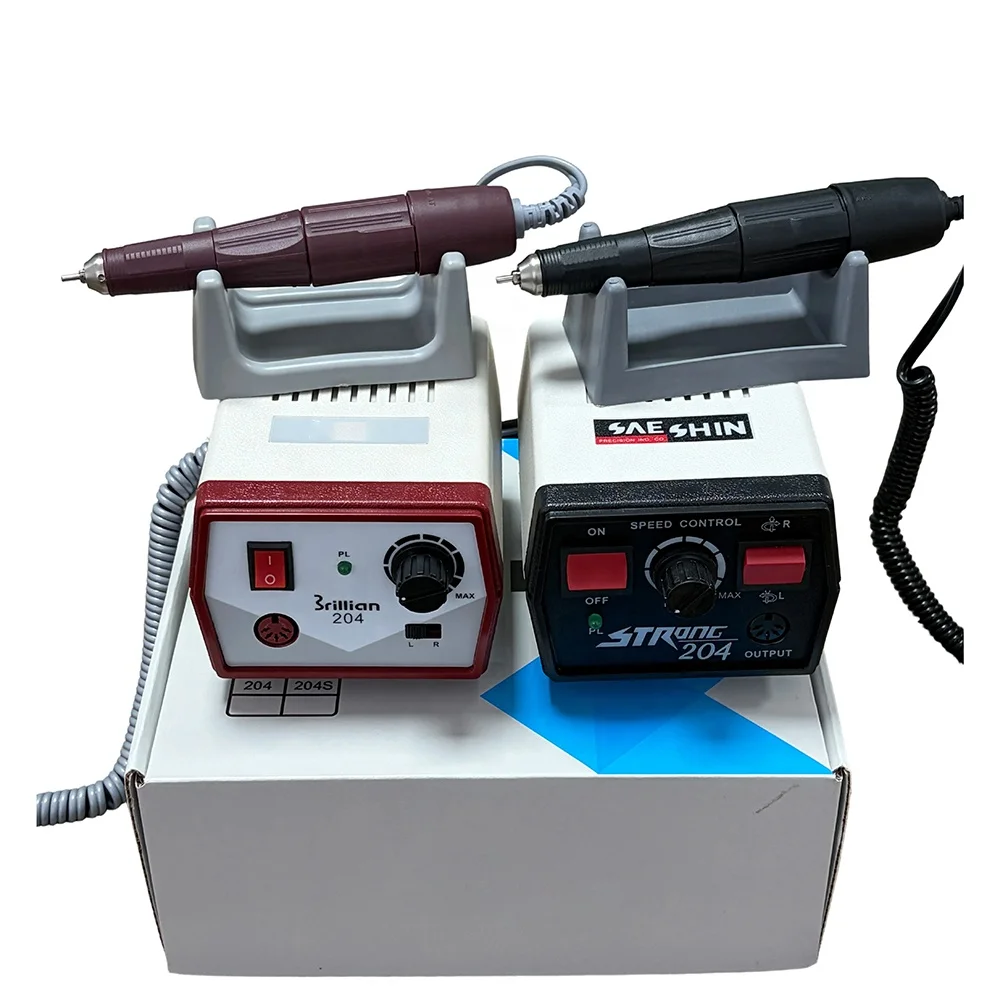
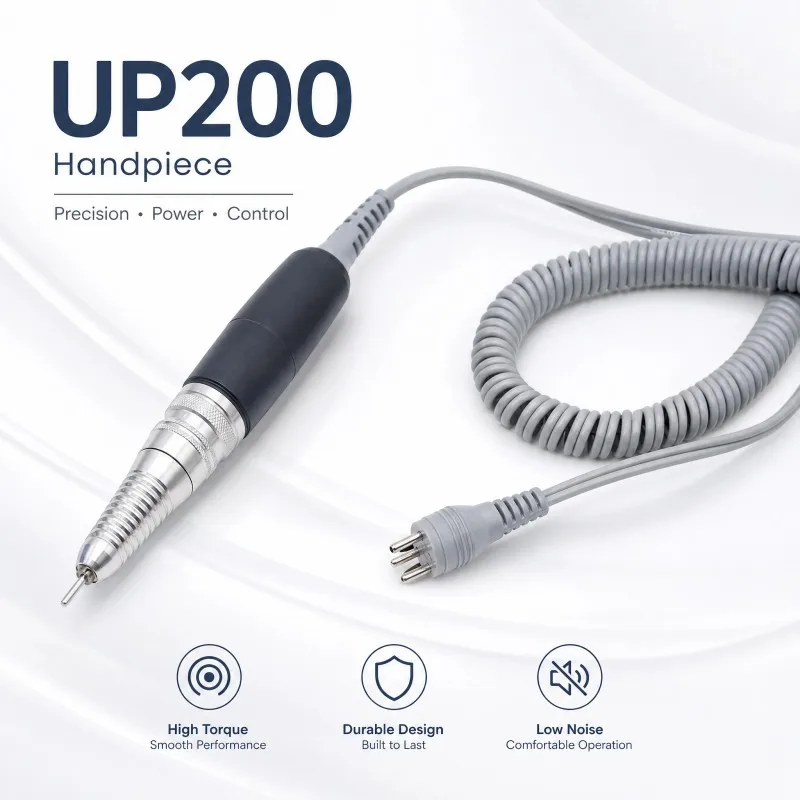
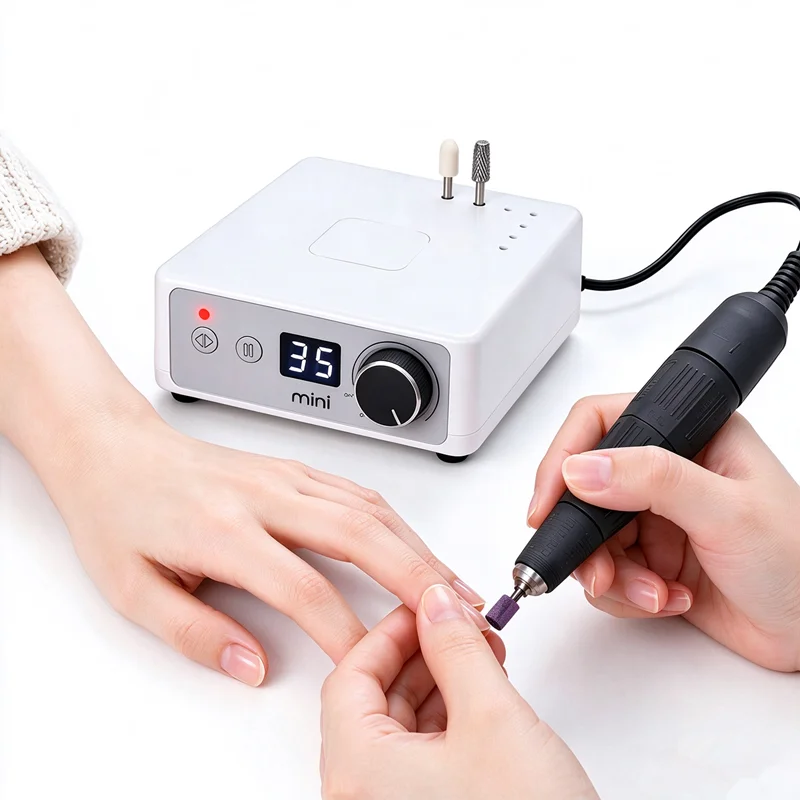
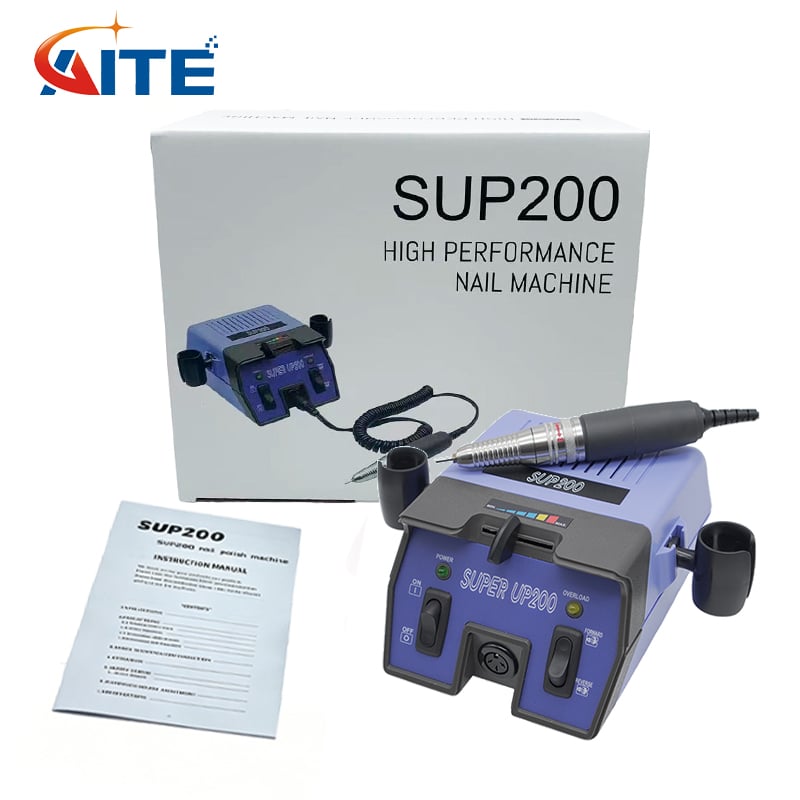
High-speed handpieces are critical tools in various industries, including dentistry, jewelry making, and nail salons. These precision instruments allow professionals to perform intricate tasks efficiently and effectively. When considering a high-speed handpiece for your business, it's essential to address key buyer concerns such as performance, durability, and application suitability. This article will guide you through the essential aspects of high-speed handpieces, helping you make informed purchasing decisions.
A high-speed handpiece is a specialized rotary tool designed to operate at high RPMs (revolutions per minute), allowing for quick and precise material removal or shaping. These handpieces typically feature brushless motors, which enhance reliability and reduce maintenance needs compared to traditional brushed motors. Key characteristics to look for include torque output, speed range, and ergonomic design, which can significantly influence both user comfort and operational efficiency.
When selecting a high-speed handpiece, understanding the specific application is crucial. For example, dental handpieces require certain specifications to handle various procedures, while those used in jewelry making may prioritize precision and control for intricate designs. With the right knowledge, you can ensure that the handpiece you choose meets your operational needs effectively. Additionally, consider looking into Dental lab & Jade engraving drill machine options that may fit your requirements.
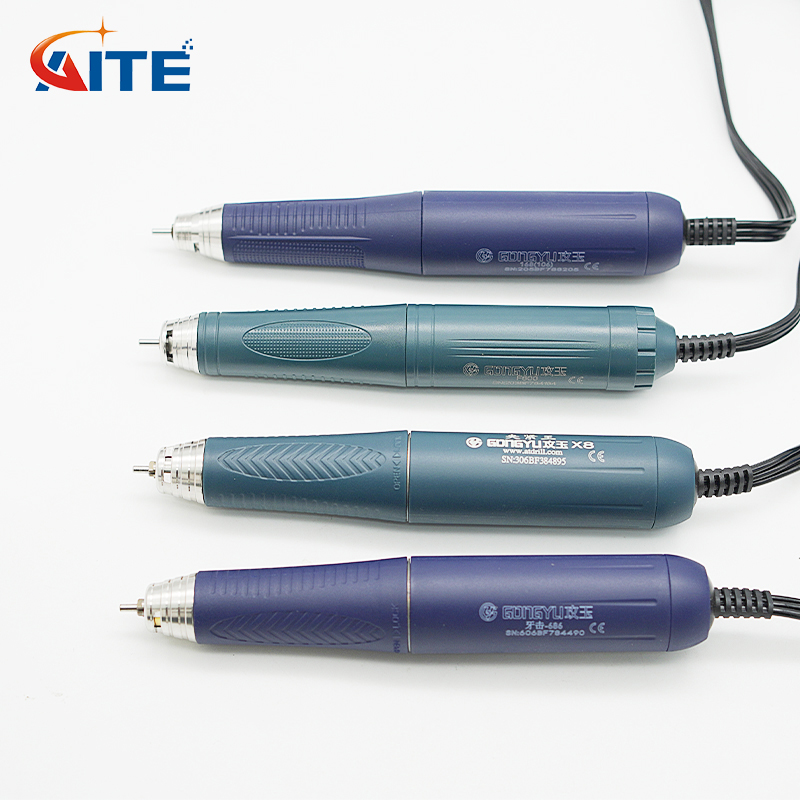
Choosing the right high-speed handpiece involves assessing several factors tailored to your specific requirements. Begin by considering the primary application—whether it’s for dental work, jewelry crafting, or nail services. Each industry may have different needs in terms of speed, torque, and functionality.
Next, evaluate the handpiece's specifications, including its speed range, typically measured in RPM. A higher RPM can lead to faster material removal, but it’s vital to ensure the speed aligns with the material you’re working on. For instance, softer materials may require lower RPMs to avoid damage, while harder substances can benefit from higher speeds.
Additionally, consider ergonomics and weight. Handpieces that are too heavy or poorly designed can lead to fatigue over extended use. Look for a model that offers a comfortable grip and is lightweight enough to facilitate prolonged use without discomfort. You might also want to explore Nail drill machine options that are ergonomically designed for better user experience.
Lastly, check for compatibility with existing equipment. Ensure that the handpiece can work seamlessly with the accessories and attachments you plan to use, such as burs or drills.
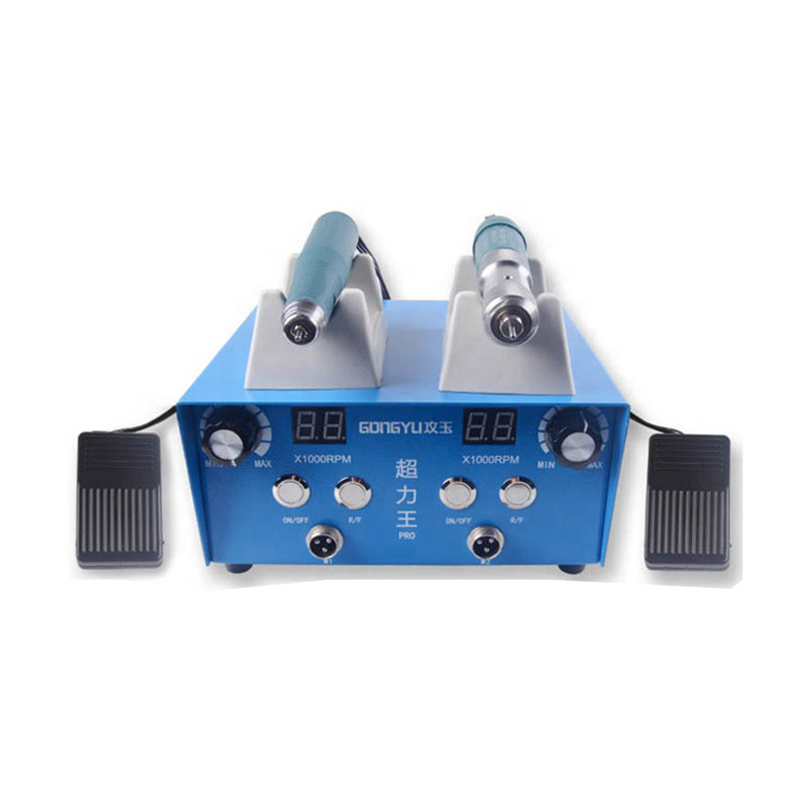
When evaluating high-speed handpieces, several critical factors should guide your decision-making process:
Motor Type: Brushless motors offer enhanced efficiency and longevity. They reduce heat generation and require less maintenance, making them ideal for continuous use.
Speed Control: Look for models with adjustable speed settings. This feature allows operators to tailor the tool's performance to specific tasks, enhancing versatility.
Cooling Mechanism: A cooling system helps prevent overheating, which is particularly important during extended operations to maintain performance and safety.
Durability: Consider the materials used in the construction of the handpiece. Metal housings generally offer greater durability than plastic, which may wear down more quickly.
Warranty and Support: Evaluate the manufacturer's warranty and customer support options. A robust warranty can provide peace of mind regarding the product's quality and longevity.
By keeping these factors in mind, you can choose a high-speed handpiece that aligns with your operational needs and enhances productivity.
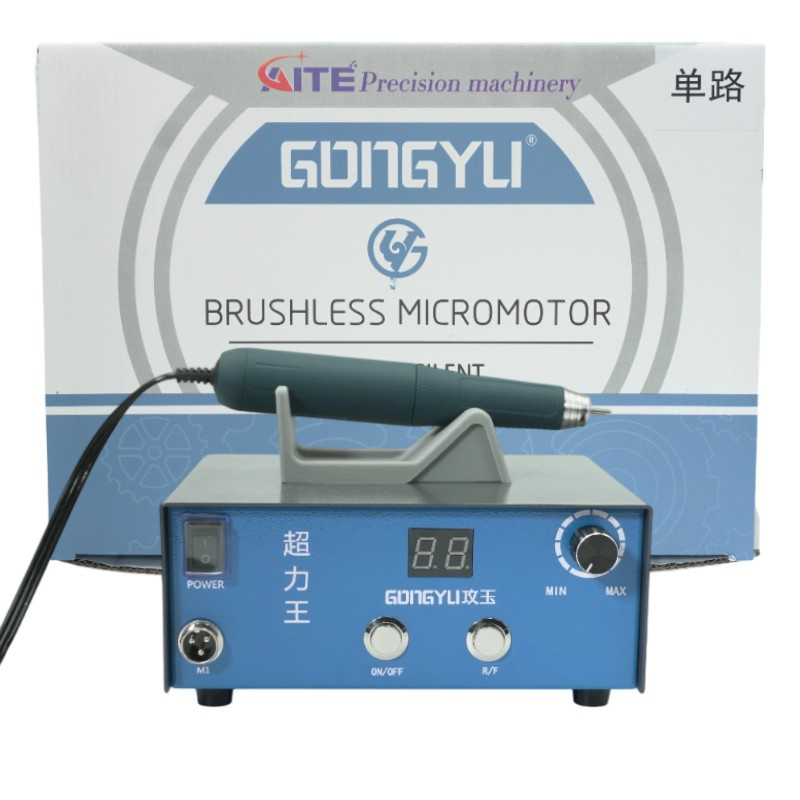
Despite their efficiency, high-speed handpieces can encounter operational issues over time. Here are some common problems and their solutions:
Overheating: This can occur during prolonged use or if the cooling system is inadequate. To mitigate this, ensure that the handpiece is regularly cleaned and maintained. If overheating persists, consider using a model with enhanced cooling features.
Speed Variability: If the handpiece exhibits inconsistent speeds, it could indicate motor issues or a problem with the power supply. Regular maintenance checks and ensuring compatibility with the power source can help prevent this issue.
Excessive Vibration: High levels of vibration can lead to operator fatigue and reduce precision. Look for handpieces with built-in vibration dampening features. Additionally, ensure that the attachments are correctly secured to reduce unnecessary movement.
Wear and Tear on Attachments: Regularly inspect and replace attachments, as worn-out tools can affect performance and safety. Always use high-quality accessories designed for your specific handpiece model.
By being aware of these common issues and implementing preventive measures, you can maintain optimal performance and extend the lifespan of your handpiece.
To ensure a successful purchase and integration of a high-speed handpiece into your operations, follow this step-by-step approach:
Identify Your Needs: Clearly define the applications and tasks you will use the handpiece for. This will help narrow down your options.
Research Options: Gather information on various models and manufacturers, focusing on those with a strong reputation for quality and reliability in your industry.
Request Samples: If possible, obtain samples of the handpieces you are considering. Testing the tools in real-world conditions will provide insights into their performance and suitability.
Evaluate Specifications: Compare the technical specifications of shortlisted models. Pay attention to speed, torque, weight, and user comfort.
Consider Customization: If your operations require specific features, consult with manufacturers about customization options. A tailored solution can enhance efficiency and productivity.
Review Support and Warranty: Investigate the support services and warranty conditions offered by the manufacturer. A reliable supplier should provide comprehensive customer service.
Make an Informed Decision: After considering all factors, select the high-speed handpiece that best meets your operational needs, ensuring it aligns with your budget and performance expectations.
By approaching the selection process methodically, you can maximize the value of your investment in a high-speed handpiece, leading to enhanced productivity and satisfaction in your operations.
 EN
 AR
 BG
 HR
 CS
 DA
 NL
 FI
 FR
 DE
 EL
 IT
 JA
 NO
 PL
 PT
 RU
 ES
 SV
 CA
 TL
 IW
 ID
 LV
 SR
 SK
 SL
 UK
 SQ
 ET
 GL
 MT
 FA
 MS
 GA
 CY
 BE
 MK
 KA
 BN