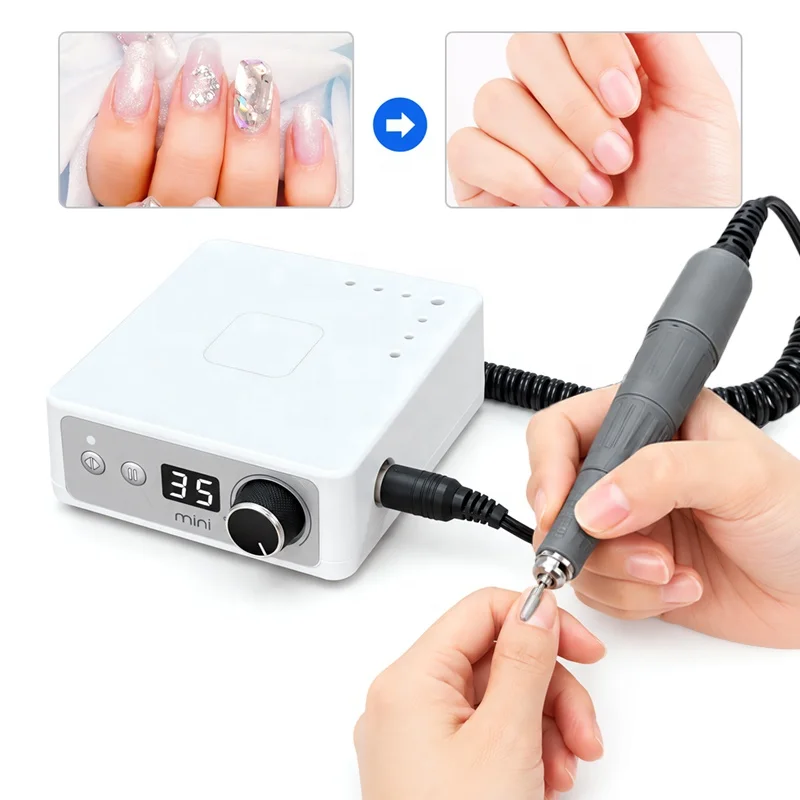
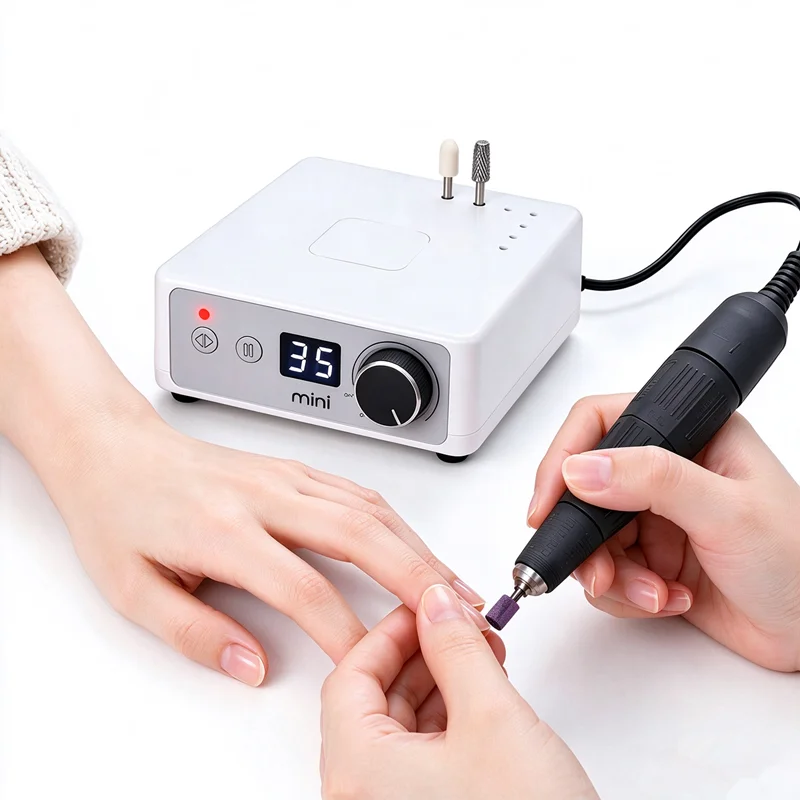
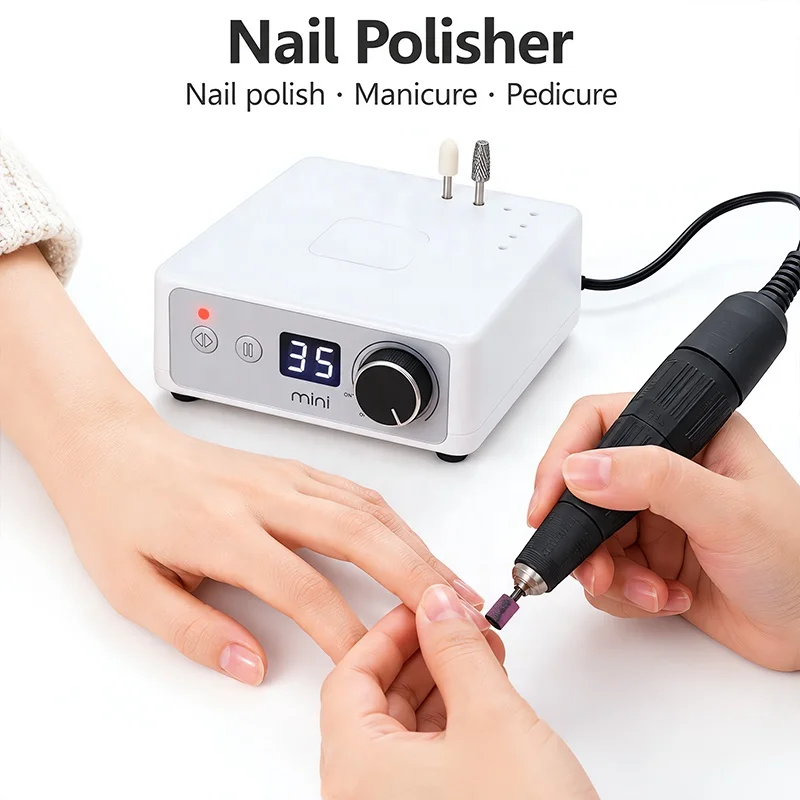
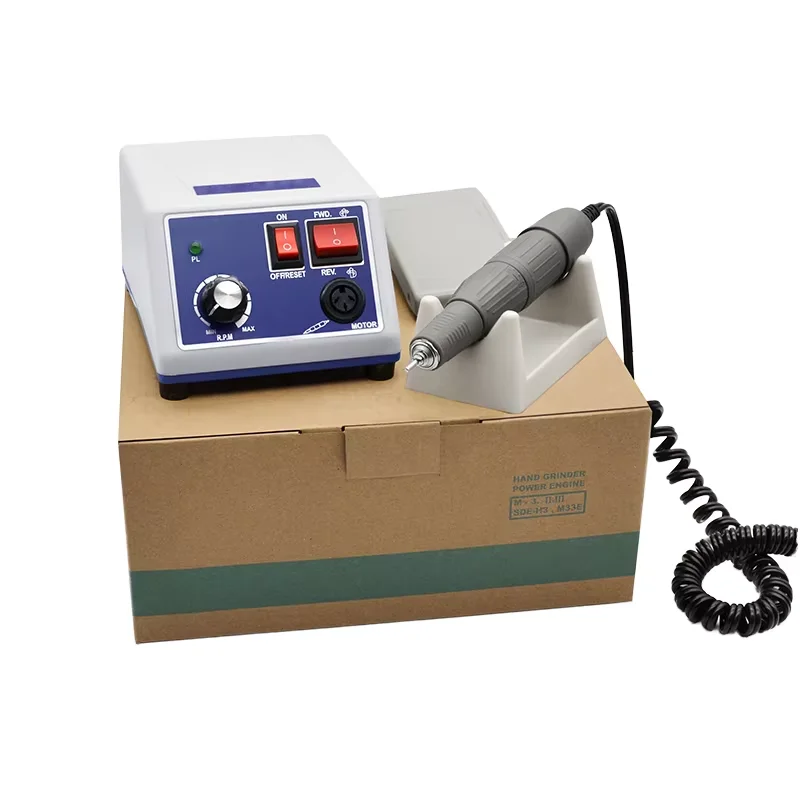
Electric nail file bits are essential tools in various industries, including nail salons, dentistry, and jewelry making. These bits, compatible with high-speed brushless electric grinders, are designed for precision and efficiency. However, buyers often face concerns regarding specifications, cost, performance, and potential issues related to these bits. This article aims to provide insights into selecting the right electric nail file bits, understanding bulk purchasing considerations, identifying common problems, and exploring the technical advantages of materials used in these tools.
When selecting electric nail file bits, understanding their specifications is critical for optimal performance. Key specifications include size, shape, grit, and material composition.
Size and Shape: The diameter and length of the bit determine its suitability for specific applications. For example, smaller bits are ideal for detailed work, while larger bits are better for surface area reduction. It’s important to match the bit size to the task at hand, as an incorrect size can lead to inefficiencies or damage.
Grit: The grit refers to the coarseness of the bit's surface. Finer grits are used for polishing and finishing, while coarser grits are designed for shaping and refining surfaces. Buyers should consider the intended application when selecting grit levels, as using the wrong grit can affect both the finish quality and the longevity of the bit.
Material Composition: Electric nail file bits can be made from various materials, including tungsten carbide, diamond, and ceramic. Each material offers unique benefits; for instance, tungsten carbide provides durability and is suitable for hard materials, while diamond bits are excellent for achieving a smooth finish on sensitive surfaces. Additionally, options like the ODM Professional 90W High Power Brushless Metal Vacuum Cleaner can enhance your workspace by managing dust effectively.
Understanding these specifications helps buyers select bits that not only meet their operational needs but also enhance productivity and reduce wear on equipment.
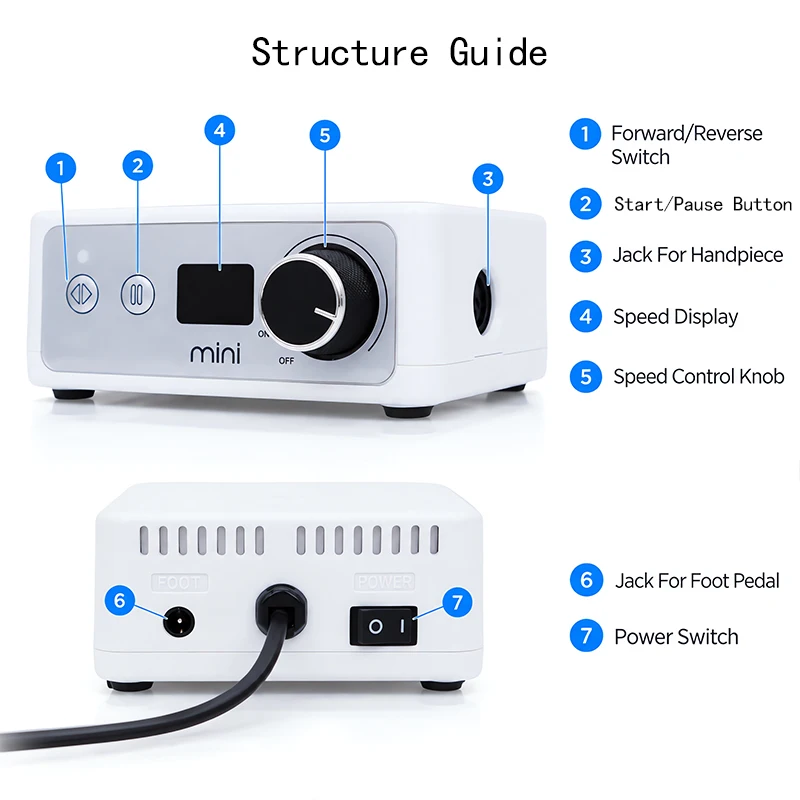
When purchasing electric nail file bits in bulk, several cost factors come into play. Bulk purchasing often provides cost savings, but it’s essential to consider the following elements:
Material Quality: Higher quality materials may come at a premium but can offer better performance and durability. Investing in quality bits reduces the need for frequent replacements, ultimately lowering long-term costs.
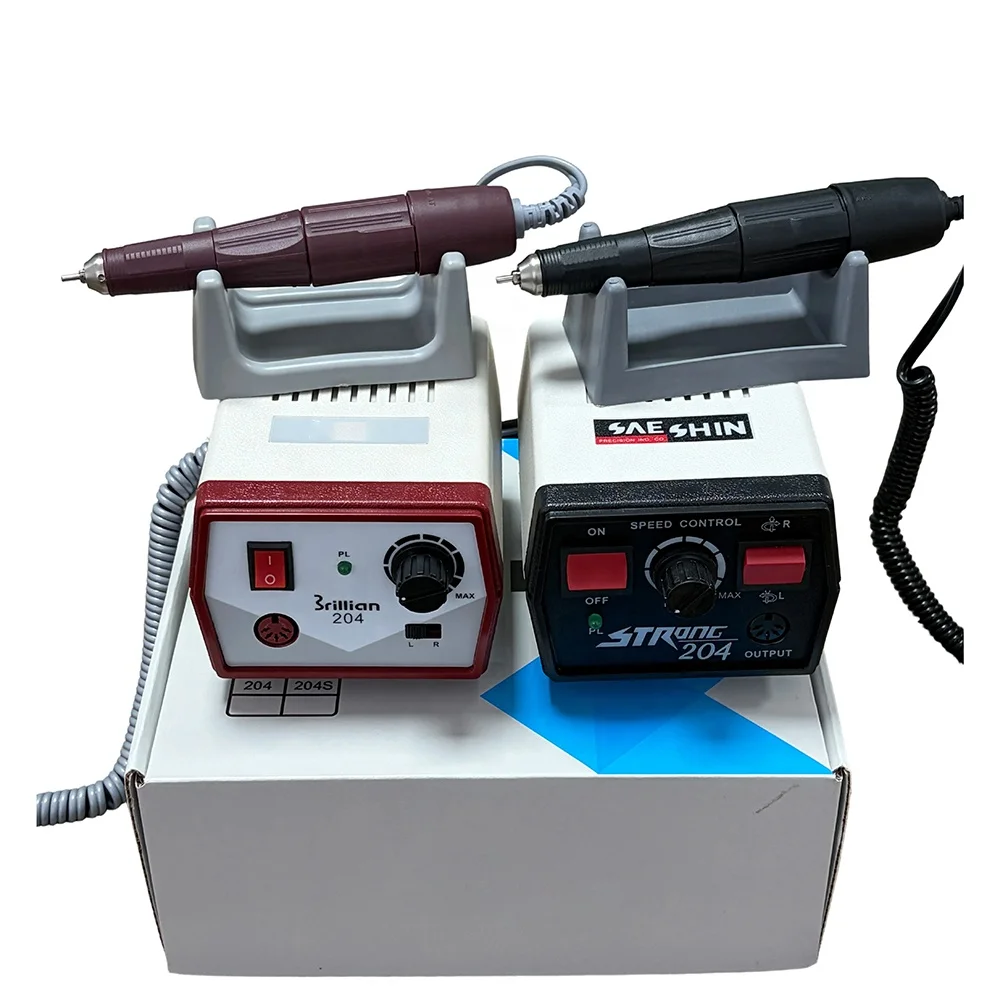
Customization and Specifications: Custom bits tailored to specific applications may incur additional costs. Buyers should weigh the benefits of customization against the upfront investment, as tailored solutions can lead to improved efficiency and reduced operational issues. For example, custom solutions like the STRONG 204 102L Brushed Micromotor can provide specialized performance for unique applications.
Order Quantity: Most suppliers have a minimum order quantity (MOQ) for bulk purchases. Understanding the MOQ can help buyers plan their purchasing strategy effectively. Ordering beyond the MOQ can sometimes lead to discounts, but it’s important to assess actual needs to avoid overstocking.
Shipping and Handling: Costs associated with shipping and handling can vary based on the size and weight of the order. Buyers should consider these costs when calculating the total expenditure for bulk purchases.
By evaluating these cost factors, buyers can make informed choices that align their budget with operational requirements.
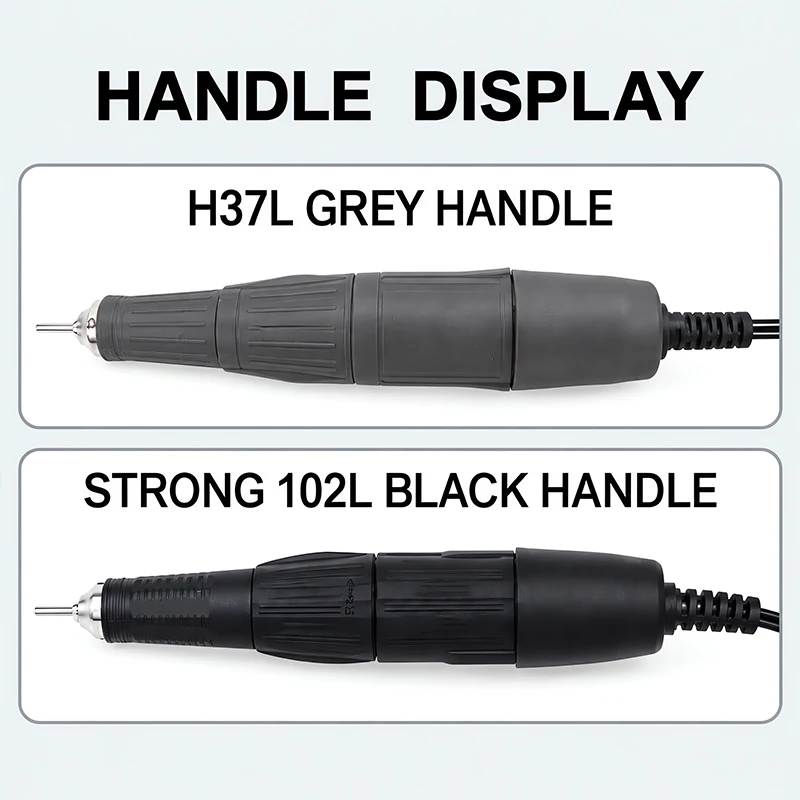
Electric nail file bits may encounter several common issues that can affect performance. Understanding these problems and their solutions is vital for maintaining efficiency:
Bit Wear and Tear: Over time, bits can become worn, leading to decreased effectiveness. Regular inspection and timely replacement are necessary to maintain performance. Buyers should establish a schedule for replacing bits based on usage frequency and the material being processed.
Compatibility Issues: Not all electric nail file bits are compatible with every grinder. It’s crucial to verify compatibility before purchasing. Buyers should consult with manufacturers or suppliers to confirm that the selected bits will work with their equipment.
Heat Generation: Excessive heat during operation can lead to bit degradation and affect the material being worked on. To mitigate this, users should ensure proper usage techniques, such as not applying too much pressure and allowing the bit to cool between uses.
By identifying these common issues and implementing preventive measures, buyers can extend the life of their electric nail file bits and improve overall productivity.
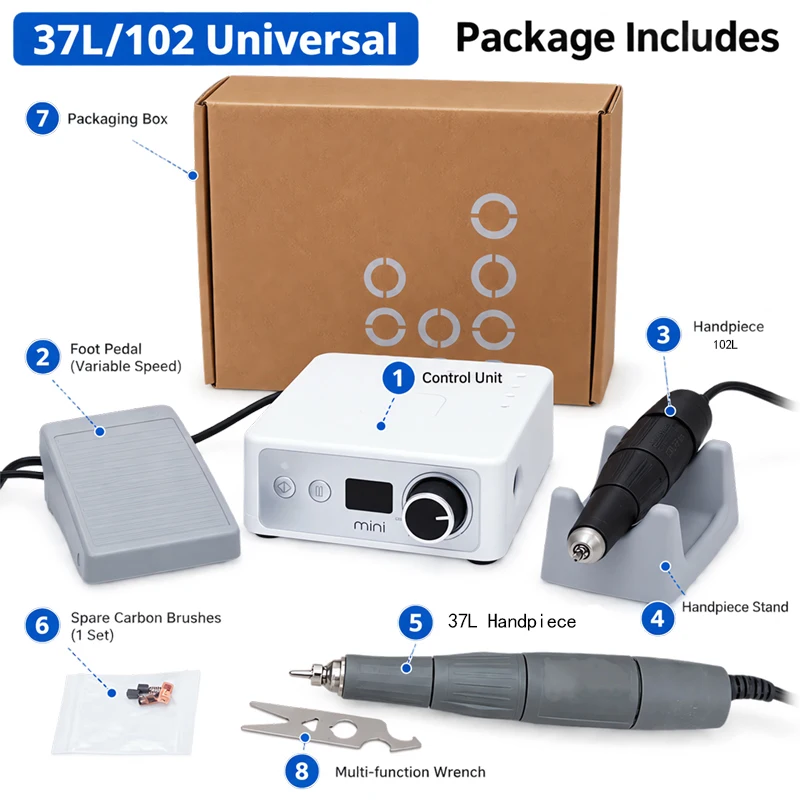
The choice of material for electric nail file bits is critical for achieving desired performance outcomes. Each material has its advantages that can significantly impact application results:
Tungsten Carbide: Known for its hardness and durability, tungsten carbide bits are ideal for heavy-duty applications. They can efficiently handle tough materials, making them suitable for both nail and jewelry work. Their longevity reduces the frequency of replacements, which is beneficial for cost management.
Diamond Coatings: Diamond bits offer superior cutting performance and are exceptional for finishing tasks. Their fine grit provides a smooth finish, making them perfect for applications requiring precision, such as in dentistry.
Ceramic: Ceramic bits are excellent for polishing and finishing, particularly on softer materials. They generate less heat, which is advantageous for sensitive applications. Buyers should consider ceramic bits when working with materials that require gentle handling.
Understanding the advantages of these materials enables buyers to select the most appropriate bits for their specific applications, enhancing performance and achieving better results.
Effective purchasing strategies can help buyers maximize their investment when sourcing electric nail file bits. Here are some key strategies:
Research Suppliers: Identify reputable suppliers with a track record of quality and reliability. Look for manufacturers, like Fujian Aite Precision Machinery Co., Ltd., that specialize in electric nail file bits and have proven manufacturing capabilities.
Request Samples: Before committing to a large order, request samples to evaluate quality and performance. This step is crucial for ensuring that the bits meet specific operational needs.
Negotiate Terms: Engage in discussions regarding pricing, lead times, and payment terms. Suppliers may offer discounts for larger orders or flexible payment options that can enhance cash flow.
Plan for Customization: If specific customization is required, communicate these needs early in the purchasing process. Custom bits can optimize performance for particular applications, and suppliers can provide insights into feasibility and costs.
Establish Relationships: Building a strong relationship with suppliers can lead to better service, preferential pricing, and access to new products. Regular communication ensures that suppliers are aware of the buyer's needs and can respond proactively.
By implementing these strategies, buyers can establish a more efficient and cost-effective procurement process for electric nail file bits, ensuring they receive the best products for their operational requirements.
 EN
 AR
 BG
 HR
 CS
 DA
 NL
 FI
 FR
 DE
 EL
 IT
 JA
 NO
 PL
 PT
 RU
 ES
 SV
 CA
 TL
 IW
 ID
 LV
 SR
 SK
 SL
 UK
 SQ
 ET
 GL
 MT
 FA
 MS
 GA
 CY
 BE
 MK
 KA
 BN