Nail file drill bits are essential tools used across various industries, including nail salons, dentistry, and jewelry making. These specialized drill bits are designed for precision work, enabling professionals to shape, smooth, and finish materials effectively. As a purchasing manager or distributor, understanding the nuances of nail file drill bits is crucial for making informed decisions. This article will help you navigate the selection process, evaluate quality, understand specifications, identify common issues, and consider cost factors—all vital for ensuring that you source the right products for your business needs.
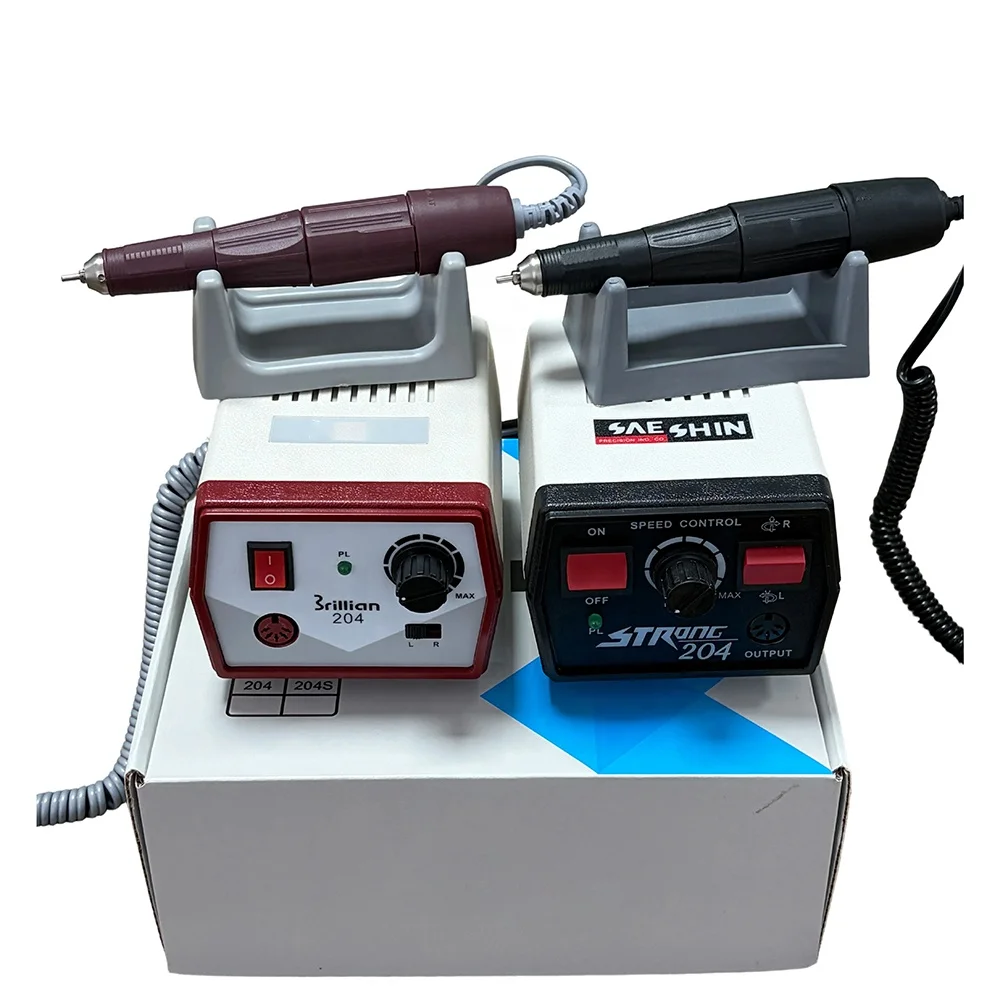
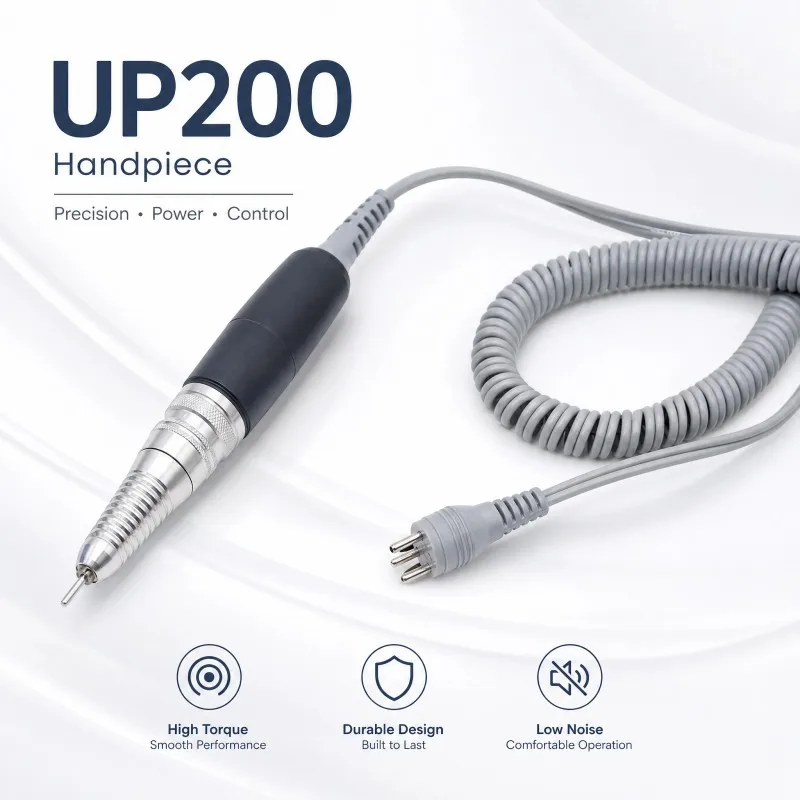
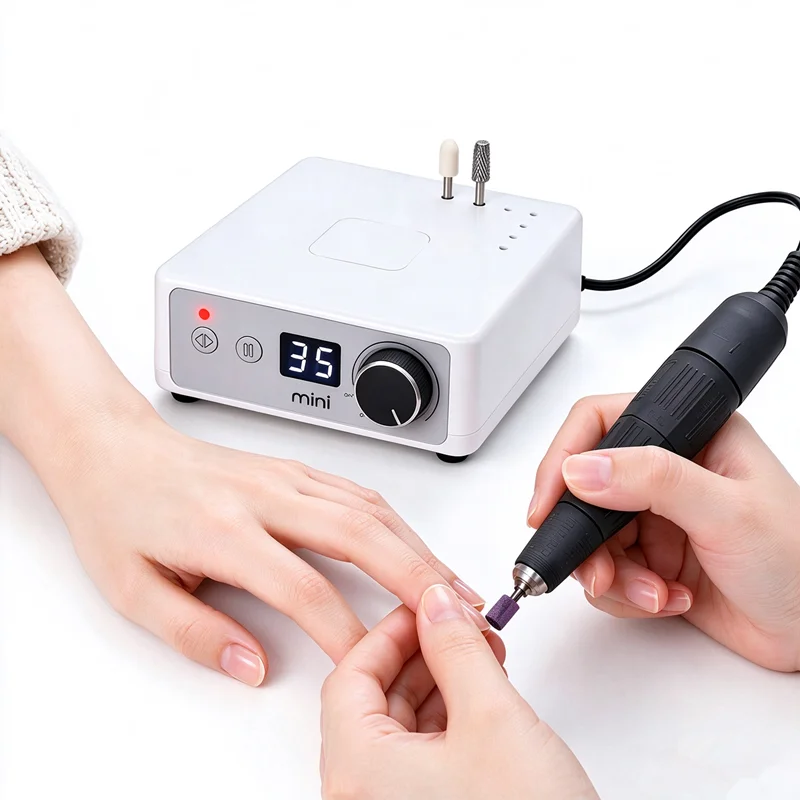
When selecting nail file drill bits, consider the specific applications they will be used for. Nail salons typically require bits that can efficiently shape and smooth acrylic or gel nails, while dental professionals may need finer bits for precise work on dental materials. Jewelry makers often seek bits designed for metal or stone. For instance, the STRONG 204 102L Brushed Micromotor is an excellent option for salons looking for high performance.
The material of the drill bit is another important aspect. Common materials include tungsten carbide, diamond, and ceramic. Tungsten carbide bits are durable and effective for acrylics, while diamond bits provide finer detail and are ideal for ceramics. Understanding the application and material compatibility ensures that you choose the right type of drill bit, minimizing the risk of damage to both the bit and the material being worked on.
Additionally, consider the size and shape of the bits. Different shapes are designed for various functions, such as tapered bits for fine detailing or barrel-shaped bits for more extensive surface work. Ensure the selected bits align with your intended use to maximize their effectiveness.
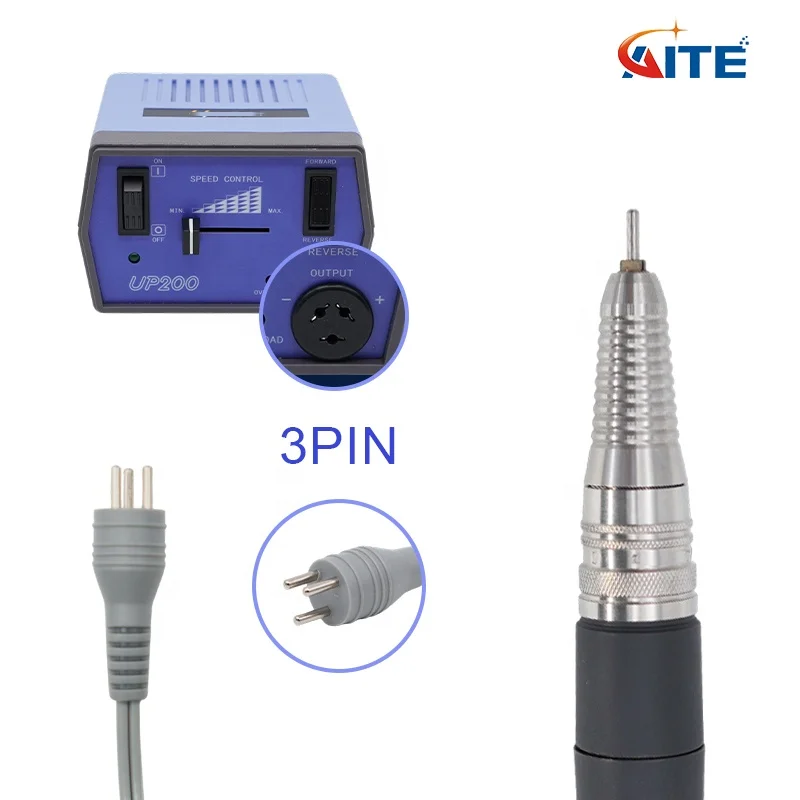
Quality is paramount when sourcing nail file drill bits, as inferior products can lead to poor performance and customer dissatisfaction. Start by assessing the manufacturing processes used by the supplier. Fujian Aite Precision Machinery Co., Ltd., for instance, specializes in high-speed brushless electronic grinders and accessories, which indicates a commitment to quality and innovation in their products. Their OEM/ODM Professional Manicure Table Embedded Vacuum Cleaner is a great example of quality equipment in the industry.
Look for certifications or patents, as these can signal adherence to industry standards. A supplier with national invention patents may demonstrate a higher level of expertise and reliability. Furthermore, inquire about their quality control processes to ensure consistency across production runs. Quality inspections at various stages of manufacturing can help identify defects early, reducing the risk of receiving subpar products.
Another key consideration is the supplier's reputation in the market. Reviews, testimonials, and case studies can provide insights into the reliability and performance of their drill bits. Establishing a relationship with a reputable supplier can lead to better pricing, reliability, and potential customization options for your business needs.
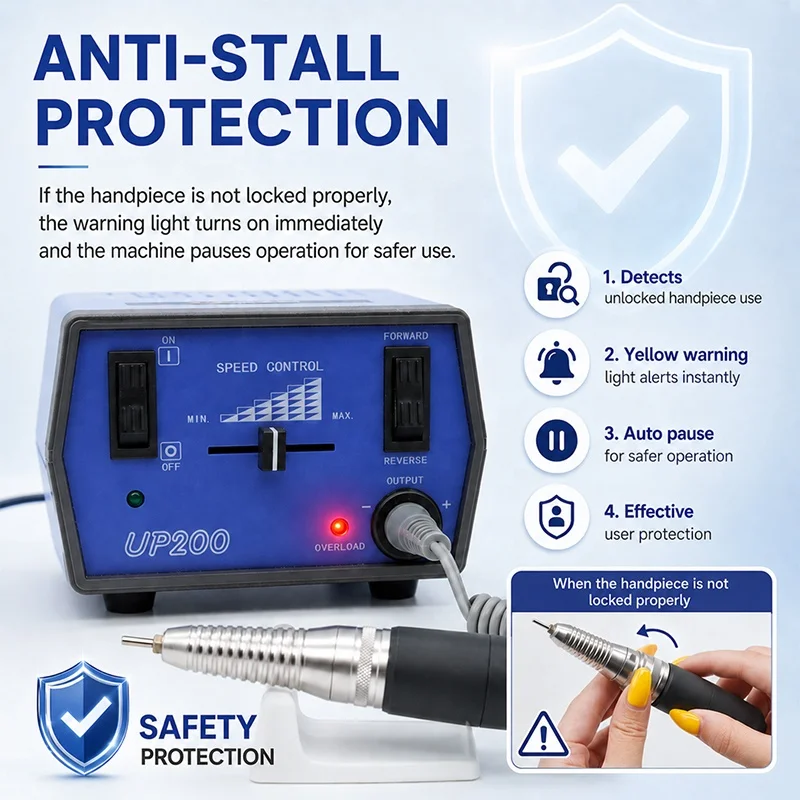
Specifications play a crucial role in the performance of nail file drill bits. Key specifications to understand include diameter, grit size, and shank type. The diameter of the bit affects its suitability for various tasks; larger bits work well for bulk material removal, while smaller bits are better for detailed work.
Grit size is another important specification, especially in applications like nail salons. A finer grit is ideal for finishing work and smoothing surfaces, whereas a coarser grit is necessary for shaping and removing material quickly. Understanding these specifications allows you to select the right bits for different stages of work, enhancing efficiency and results.
The shank type also matters, as it needs to be compatible with the grinder or drill being used. Common shank types include standard and slim, with slim shanks offering better visibility for detailed work. Confirming these details before placing an order ensures optimal performance in your applications.

Even high-quality nail file drill bits can encounter issues during use. One common problem is overheating, which can degrade the performance of the bit and damage the material being worked on. To mitigate this, ensure that the bit is used at the appropriate speed and for the recommended duration, allowing for cooling periods as necessary.
Another issue is bit wear and tear, especially with frequent use. Regular inspection of bits is essential to identify signs of wear, such as dulling or chipping. Establishing a maintenance schedule that includes cleaning and proper storage can prolong the life of your bits.
Additionally, ensure that the bits are properly secured in the grinder to prevent slippage or breakage during operation. Providing training for staff on proper usage techniques can also reduce the risk of damage and enhance overall performance.
When sourcing nail file drill bits, various cost factors should be taken into account. First, consider the initial purchase price, which can vary significantly based on material, brand, and quality. While it may be tempting to opt for the lowest price, remember that higher-quality bits often deliver better performance and durability, ultimately reducing long-term costs.
Shipping and handling fees can also impact the total cost, especially for bulk orders. Understanding the supplier's shipping policies and lead times is essential for budgeting and planning.
Finally, consider the minimum order quantity (MOQ) requirements. Some suppliers may have high MOQs, which can tie up capital if the bits are not utilized quickly. Assessing your business's current needs and future demand will help ensure that you make a cost-effective purchase.
By keeping these factors in mind and partnering with a reputable supplier like Fujian Aite Precision Machinery Co., Ltd., you can make informed decisions that align with your business needs and budget.
 EN
 AR
 BG
 HR
 CS
 DA
 NL
 FI
 FR
 DE
 EL
 IT
 JA
 NO
 PL
 PT
 RU
 ES
 SV
 CA
 TL
 IW
 ID
 LV
 SR
 SK
 SL
 UK
 SQ
 ET
 GL
 MT
 FA
 MS
 GA
 CY
 BE
 MK
 KA
 BN