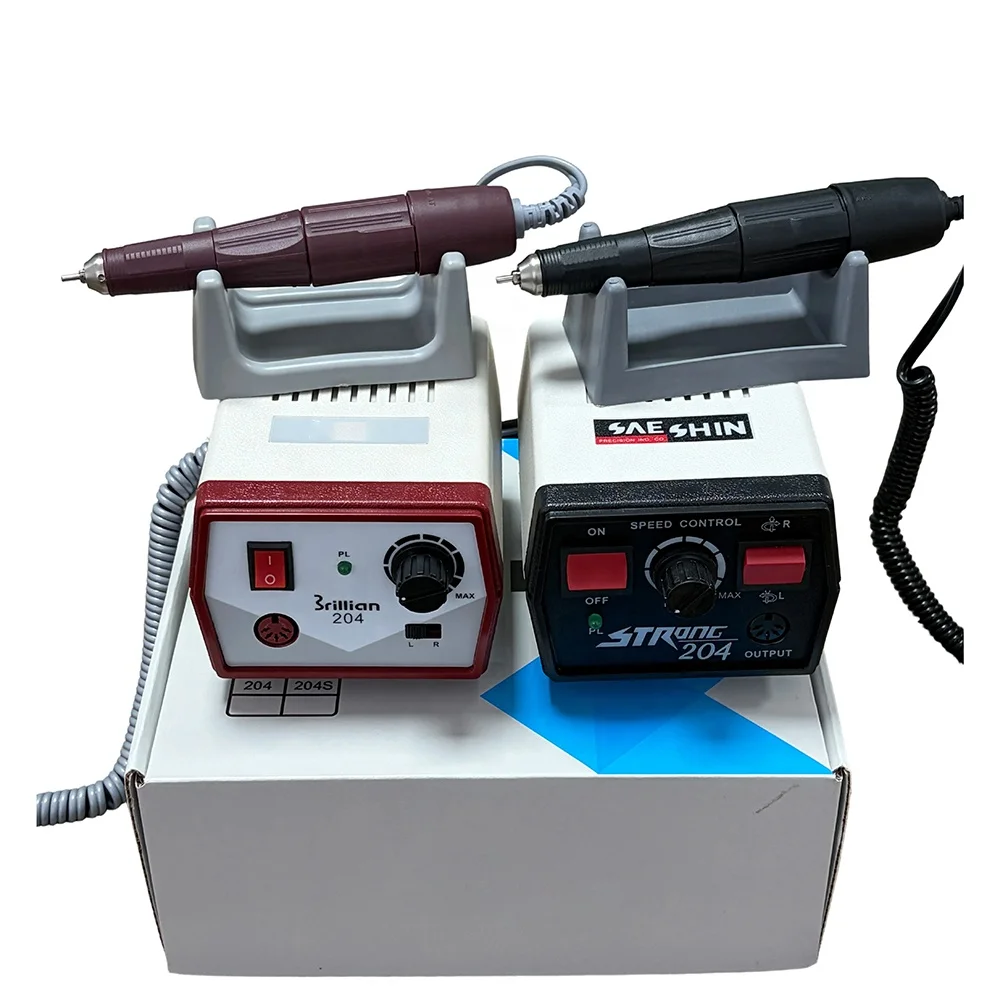
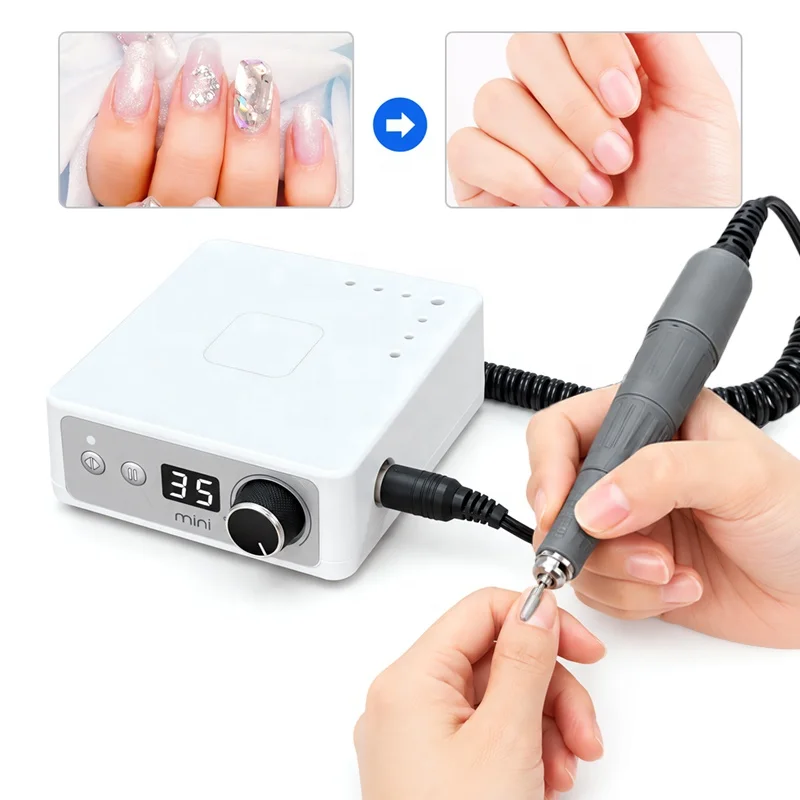
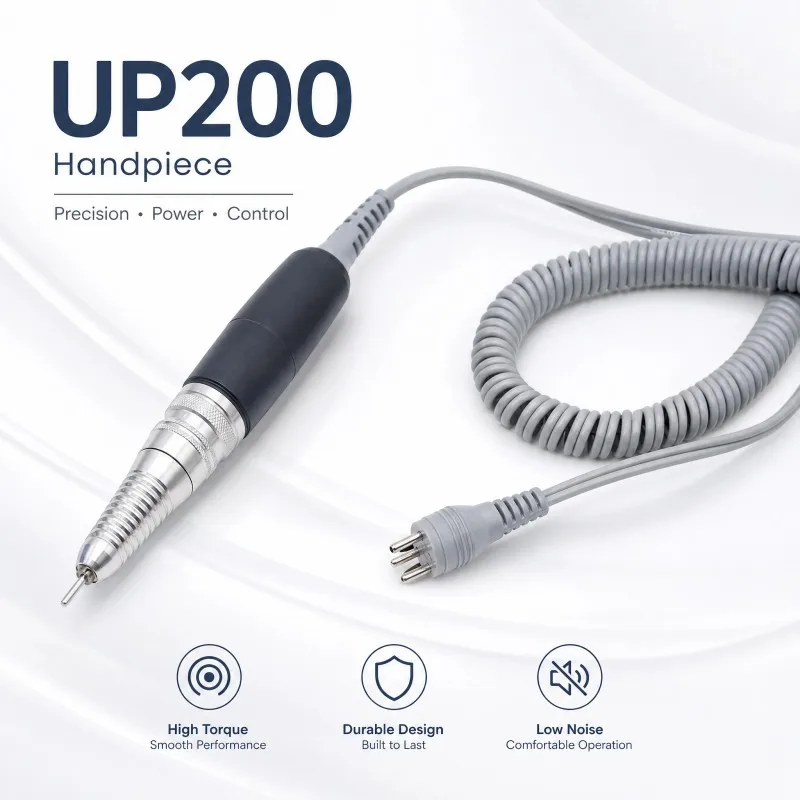
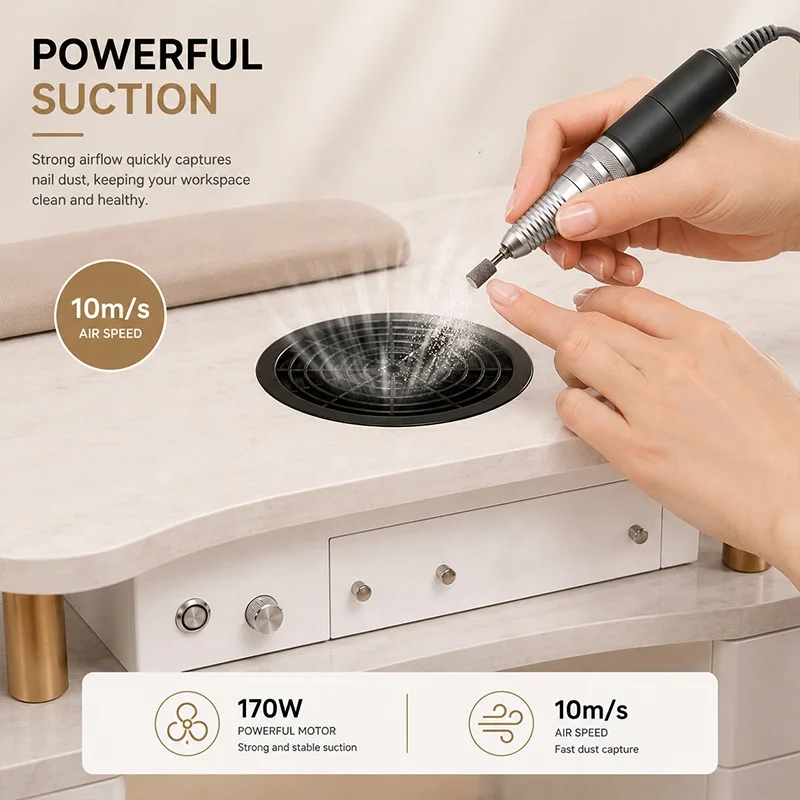
Nail bits are essential tools used in various industries, including nail salons, dentistry, and jewelry making. These specialized bits are designed to fit high-speed brushless electronic grinders, providing precision and efficiency in applications such as nail shaping, polishing, and intricate detailing. As a B2B buyer, your primary concerns likely revolve around product specifications, compatibility, cost factors, and optimal usage. This article aims to provide a comprehensive understanding of nail bits, addressing critical considerations for wholesale buyers, ensuring effective usage, and exploring their versatile applications across different sectors. For those interested in sourcing these tools, you might consider checking products From alibaba.
When purchasing nail bits, it’s vital to consider several specifications that directly impact performance and compatibility with your equipment. Key specifications include:
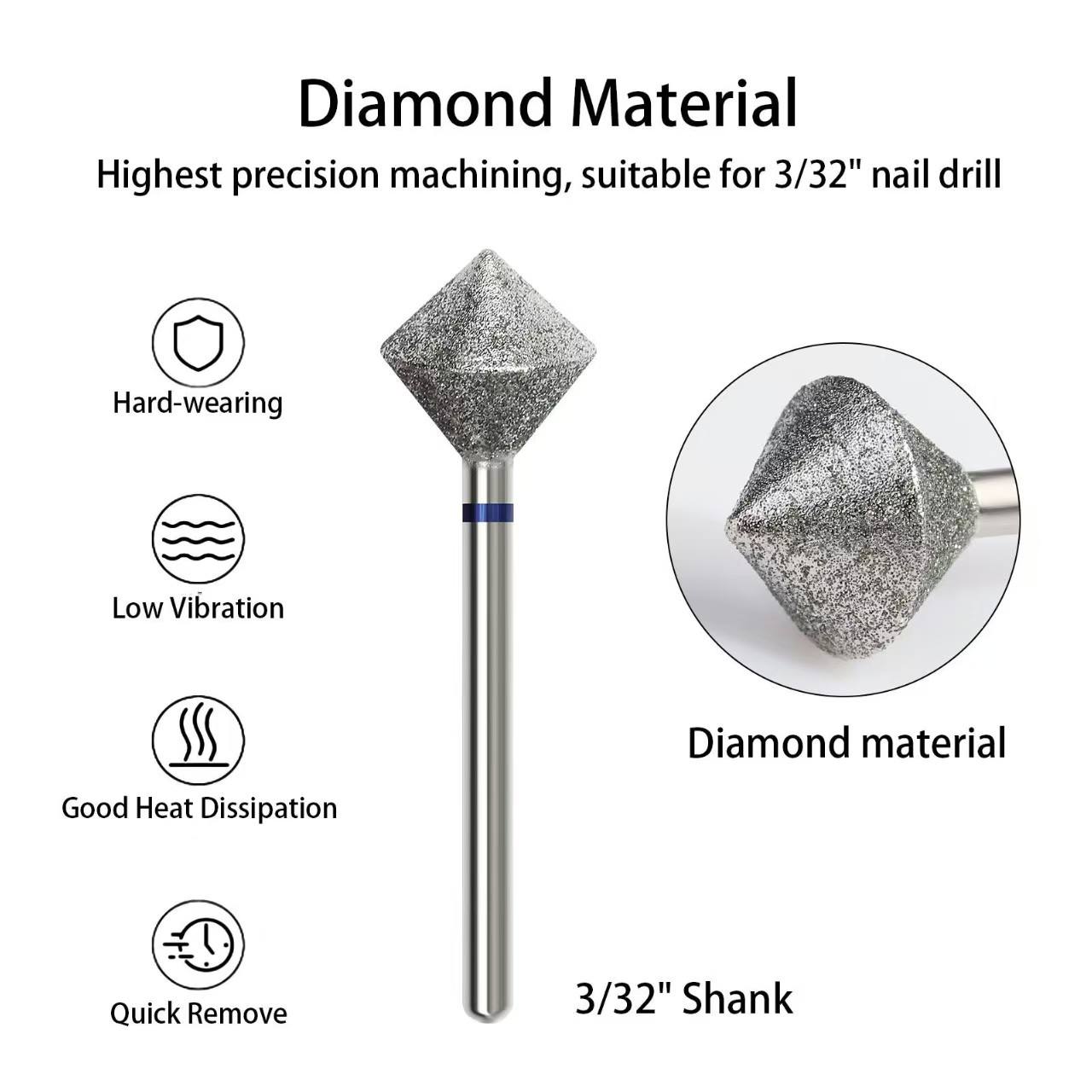
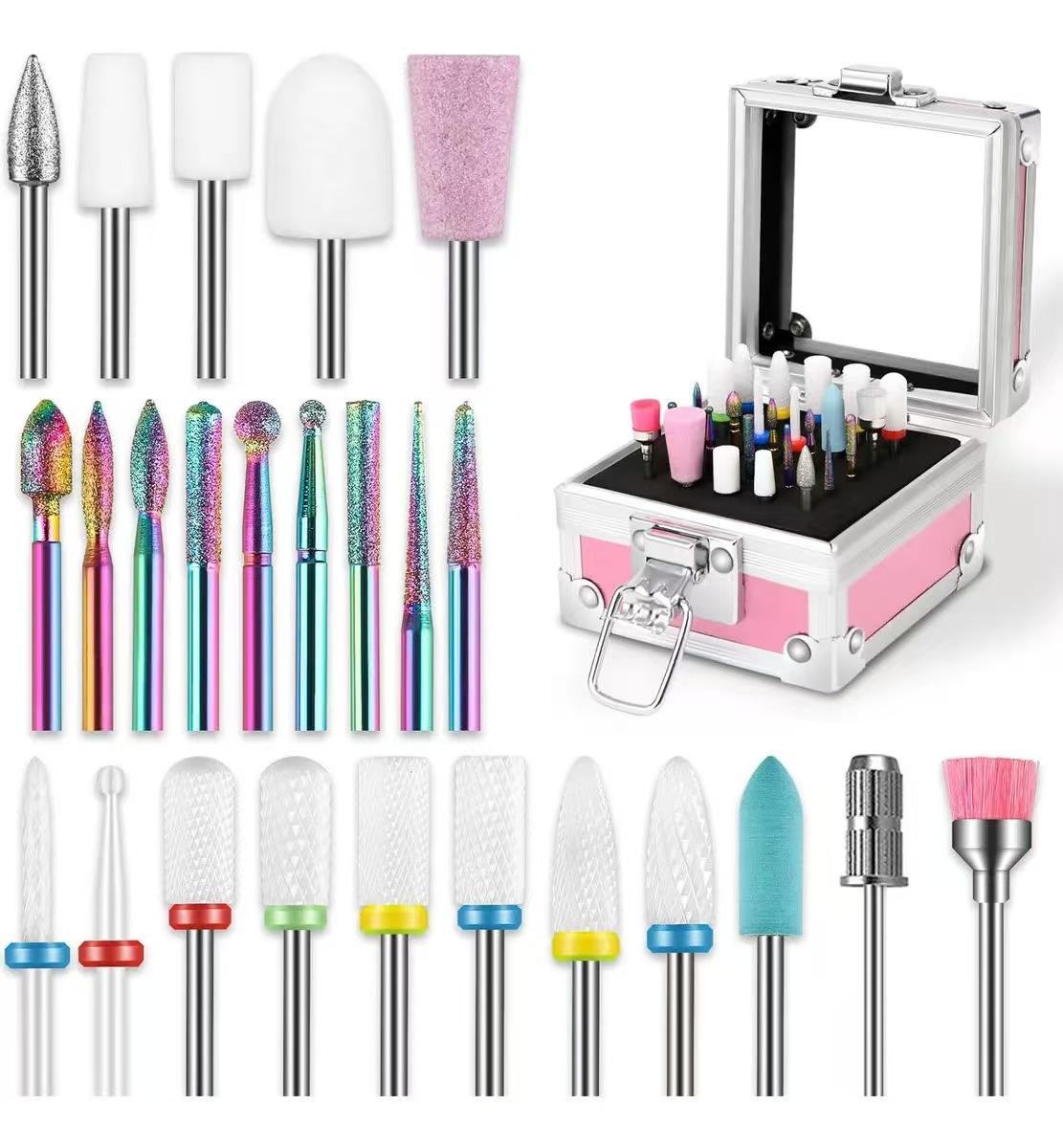
Material Composition: Nail bits can be made from various materials, such as tungsten carbide, diamond-coated, or stainless steel. Each material has distinct properties affecting durability, cutting efficiency, and suitability for different applications. For instance, diamond-coated bits offer superior longevity and are perfect for intricate work, while tungsten carbide bits are ideal for faster material removal.
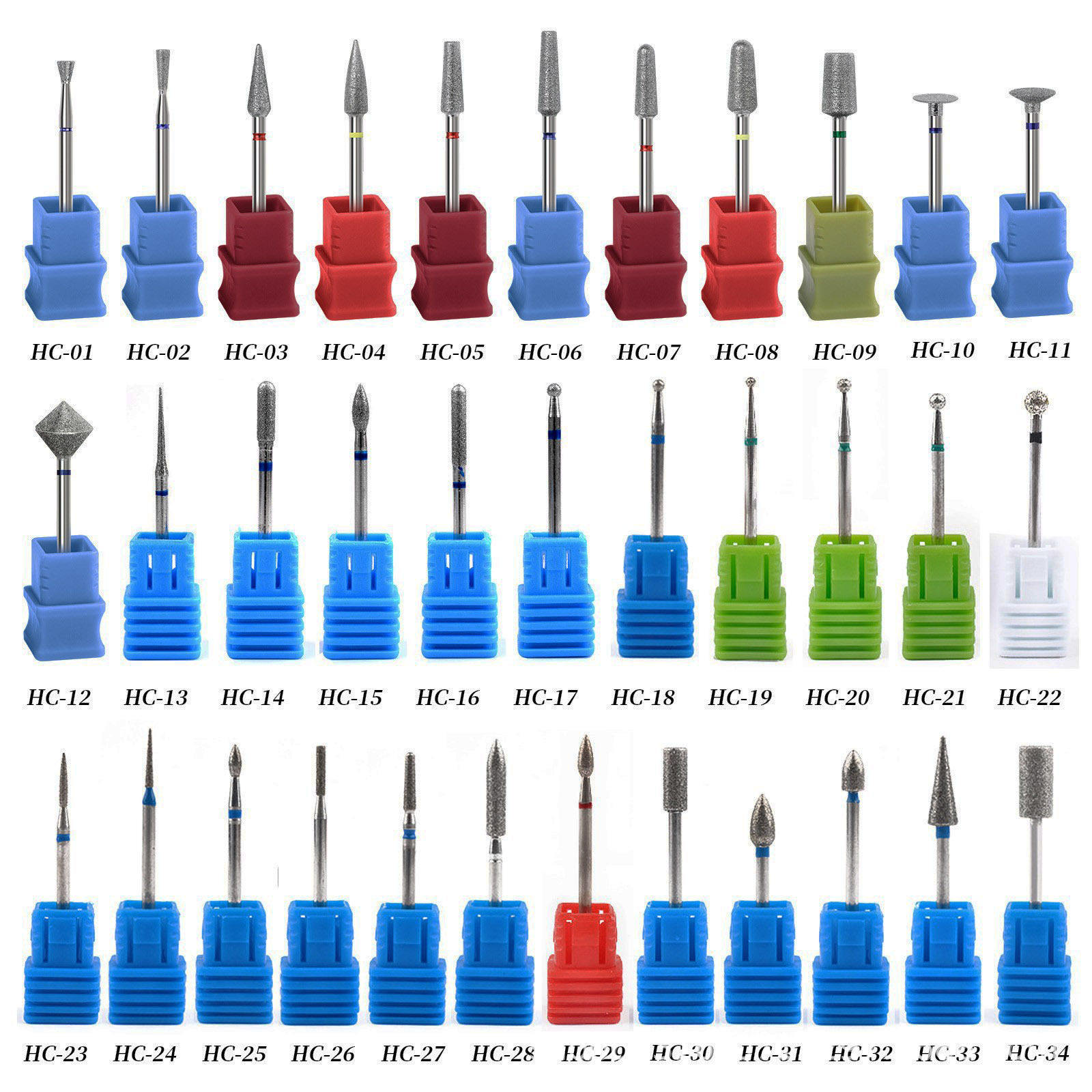
Dimensions and Shapes: Nail bits come in various shapes (e.g., flame, cylinder, cone) and sizes, which determine their application. The diameter, length, and grit level are crucial; finer grits are suitable for polishing, while coarser grits are better for shaping. Buyers should confirm the dimensions that align with their specific applications to avoid compatibility issues.
Shank Size: Ensure the shank size of the nail bits matches your grinders. Standard sizes typically include 1/8 inch and 1/4 inch, but variations exist. Using the incorrect shank size can lead to ineffective operation and potential damage to both the bit and the grinder.
Packaging and Minimum Order Quantity (MOQ): Understanding the packaging methods and MOQ is essential for effective inventory management. Suppliers may offer bulk packaging options, which can reduce costs but may require higher upfront investment. For example, purchasing Spare Parts in bulk can be a wise strategy for maintaining your inventory.
Several factors influence the pricing of nail bits, and understanding these can help you make informed purchasing decisions.
Material Quality: Higher-quality materials often result in better performance and durability, which can justify a higher initial cost. For example, diamond-coated bits typically come at a premium due to their longevity and effectiveness in detailed work.
Customization Options: If you require specific dimensions, shapes, or coatings, customization can increase costs. While this may initially seem like a drawback, tailored products may enhance productivity and reduce waste in the long run.
Production Volume: Bulk orders usually come with discounts, so assessing your needs in terms of volume can lead to cost savings. Long-term partnerships with suppliers can also lead to negotiated pricing based on order frequency and volume.
Shipping and Import Fees: If procuring from international suppliers, consider shipping costs, import duties, and other logistical fees that can influence the total cost of acquisition.
To maximize the lifespan and effectiveness of nail bits, proper usage and maintenance are essential.
Correct RPM Settings: Each nail bit is designed to operate optimally at specific RPM settings. Using a grinder at too high or low a speed can lead to bit wear or ineffective cutting. Refer to the manufacturer’s guidelines for recommended RPM ranges.
Regular Cleaning: After use, nail bits should be cleaned to remove any debris or residue. This not only ensures hygiene but also maintains cutting efficiency. A simple brush or ultrasonic cleaner can effectively remove buildup.
Inspection for Wear: Regularly inspect nail bits for signs of wear or damage. Dull or chipped bits should be replaced promptly to prevent compromised performance and ensure the quality of work.
Proper Storage: Store nail bits in a clean, dry environment, ideally in protective cases or holders that prevent damage. This practice extends their lifespan and maintains performance.
Despite their effectiveness, nail bits can encounter issues. Understanding these problems and their solutions can improve your overall experience.
Dull Bits: Over time, all bits will dull. If you notice reduced effectiveness, it may be time to replace or sharpen them. Using the right maintenance practices can prolong their life.
Vibration or Chattering: This issue could arise from incorrect RPM settings or improper bit fitment. Ensure your grinder is set to the appropriate speed and that the bit is securely attached.
Material Damage: If the bits are damaging the material you’re working with, reassess the type of bit and its specifications. Switching to a finer grit or a different material may resolve the issue.
Inconsistent Performance: Variability in performance may indicate quality control issues with the bits. Ensure your supplier maintains strict quality control processes to minimize these problems.
Nail bits are versatile tools used in several sectors, each with specific applications:
Nail Salons: In the beauty industry, nail bits are essential for manicures and pedicures. They are used for shaping, smoothing, and finishing nails, allowing technicians to deliver high-quality results efficiently.
Dentistry: Dental professionals utilize specialized nail bits for procedures such as polishing teeth and preparing surfaces for restorative work. The precision of these bits is crucial for patient comfort and treatment effectiveness.
Jewelry Making: In the jewelry industry, nail bits are used for fine detailing and polishing of intricate designs. The ability to work with various materials and achieve a high-quality finish is vital for customer satisfaction.
Manufacturing: Various manufacturing processes employ nail bits for deburring, shaping, and finishing components. Their efficiency and precision help improve productivity and product quality.
Understanding the applications of nail bits across different industries can aid in selecting the right product for your specific needs, ensuring optimal performance and cost-effectiveness.
 EN
 AR
 BG
 HR
 CS
 DA
 NL
 FI
 FR
 DE
 EL
 IT
 JA
 NO
 PL
 PT
 RU
 ES
 SV
 CA
 TL
 IW
 ID
 LV
 SR
 SK
 SL
 UK
 SQ
 ET
 GL
 MT
 FA
 MS
 GA
 CY
 BE
 MK
 KA
 BN