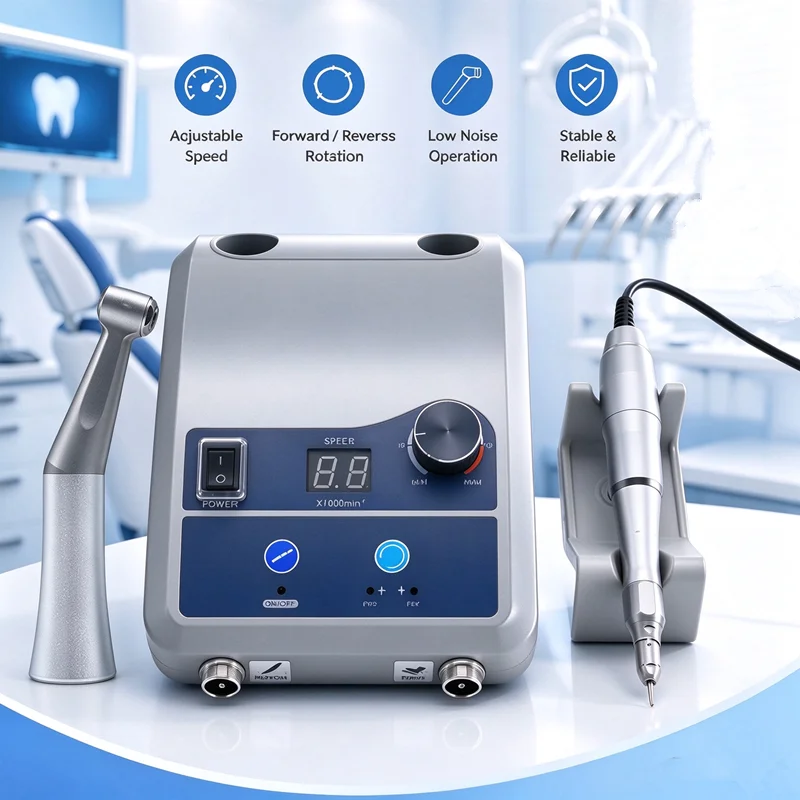
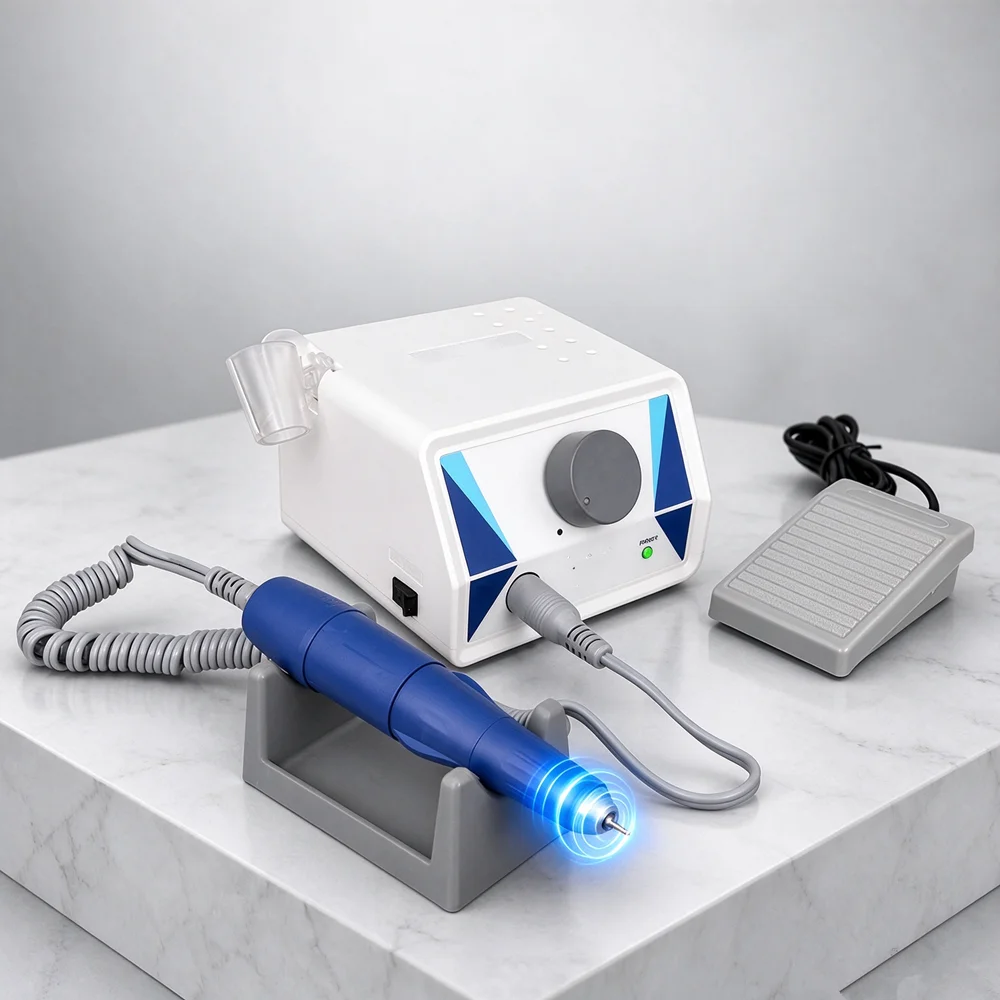
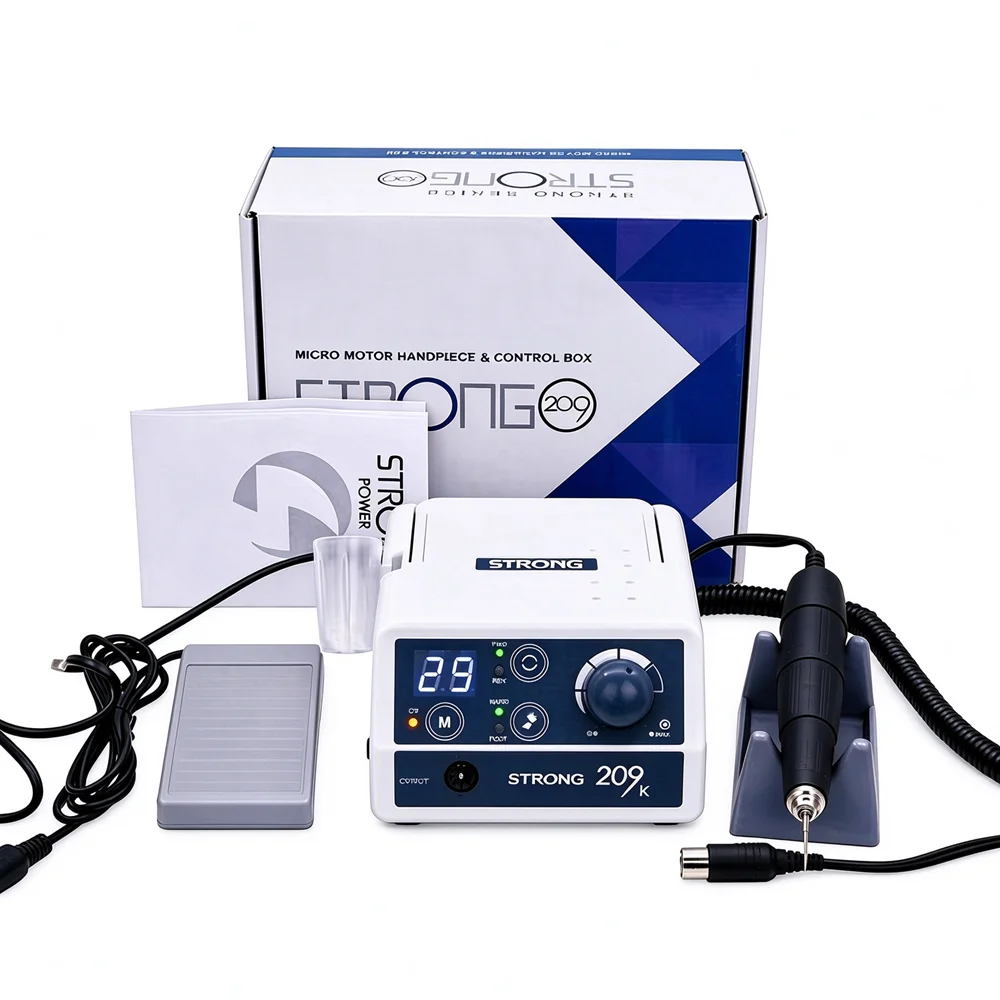
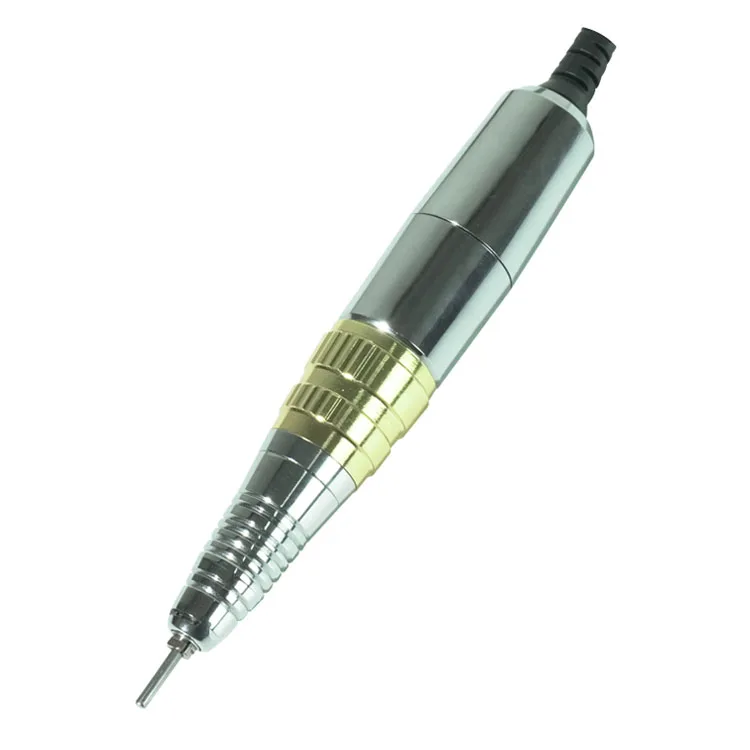
High-speed dental handpieces are essential tools for dental professionals, enabling precise procedures with efficiency and speed. As B2B buyers, purchasing managers, and product specialists evaluate these handpieces, their primary concerns often revolve around specifications, performance, reliability, and overall value. This article will delve into key specifications, common issues and solutions, applications, quality control measures, and installation guidelines specific to high-speed dental handpieces, equipping you with the necessary knowledge to make informed decisions.
When selecting a high-speed dental handpiece, several specifications should be carefully evaluated to ensure optimal performance and compatibility with your dental practice.
Speed: Typically measured in revolutions per minute (RPM), high-speed handpieces can range from 100,000 to over 400,000 RPM. The appropriate speed depends on the type of procedures performed; higher RPMs are often needed for cutting hard materials like enamel.
Torque: This specification indicates the handpiece's ability to maintain power under load. Sufficient torque is crucial for effective cutting and preparation.
Noise Level: A lower noise level enhances patient comfort and reduces fatigue for dental professionals. Look for handpieces designed with noise-reduction features.
Weight and Ergonomics: Lightweight designs that fit comfortably in the hand can reduce fatigue during long procedures. Ergonomic designs also improve control and precision.
Cooling Mechanisms: Effective cooling systems are essential to prevent overheating during prolonged use, which can damage both the handpiece and the dental material being worked on. Consider using products like ODM Professional 90W High Power Brushless Metal Vacuum Cleaner for better cooling in your workspace.
Compatibility: Ensure that the handpiece is compatible with existing equipment, including air pressure requirements and couplings.
By assessing these specifications, buyers can select a high-speed dental handpiece that meets their specific operational needs and enhances overall efficiency in dental procedures.
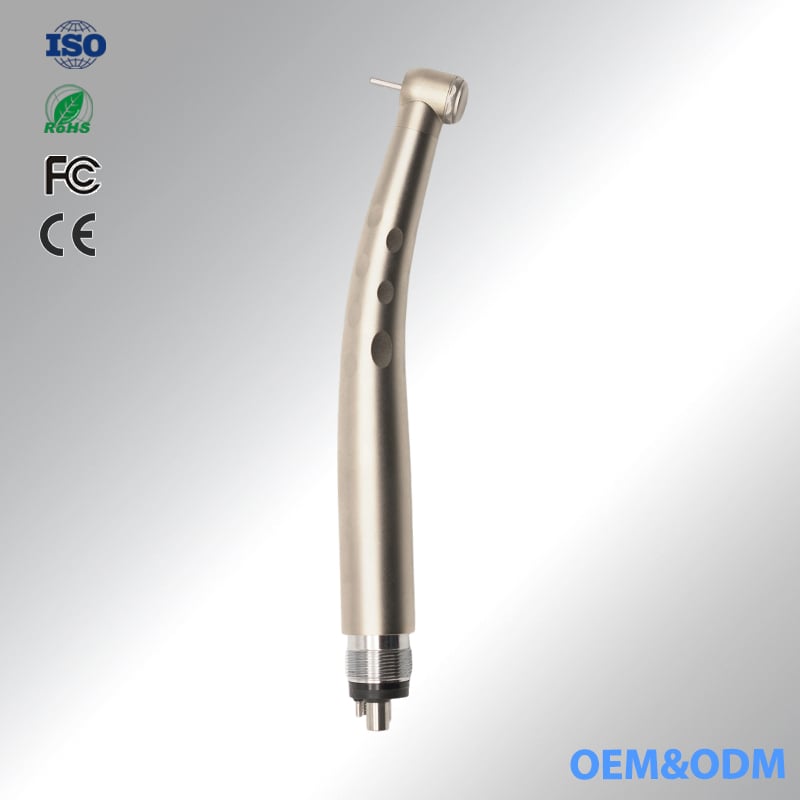
Despite their robustness, high-speed dental handpieces may encounter several common issues that can disrupt workflow if not addressed promptly:
Overheating: Overuse or inadequate cooling can lead to overheating. To mitigate this, ensure that the handpiece has a reliable cooling mechanism and that it is not used continuously for extended periods without rest.
Loss of Power: This can occur due to air leaks or blockages. Regular maintenance, including checking hoses and couplings, can prevent such issues. Cleaning and lubricating the handpiece according to the manufacturer's guidelines is also essential.
Noise Issues: Excessive noise may indicate wear or damage to internal components. Regular inspection and maintenance can help identify issues early, allowing for timely repairs or replacements.
Vibration: Excessive vibration can lead to operator discomfort and affect procedure precision. Handpieces with built-in vibration dampening features can minimize this problem.
Bearing Failure: This is a common issue in high-speed handpieces, often resulting from inadequate lubrication. Regular maintenance checks and using high-quality lubricants can extend bearing life.
Understanding these issues and their solutions can help dental professionals maintain their high-speed handpieces effectively, ensuring longevity and optimal performance.
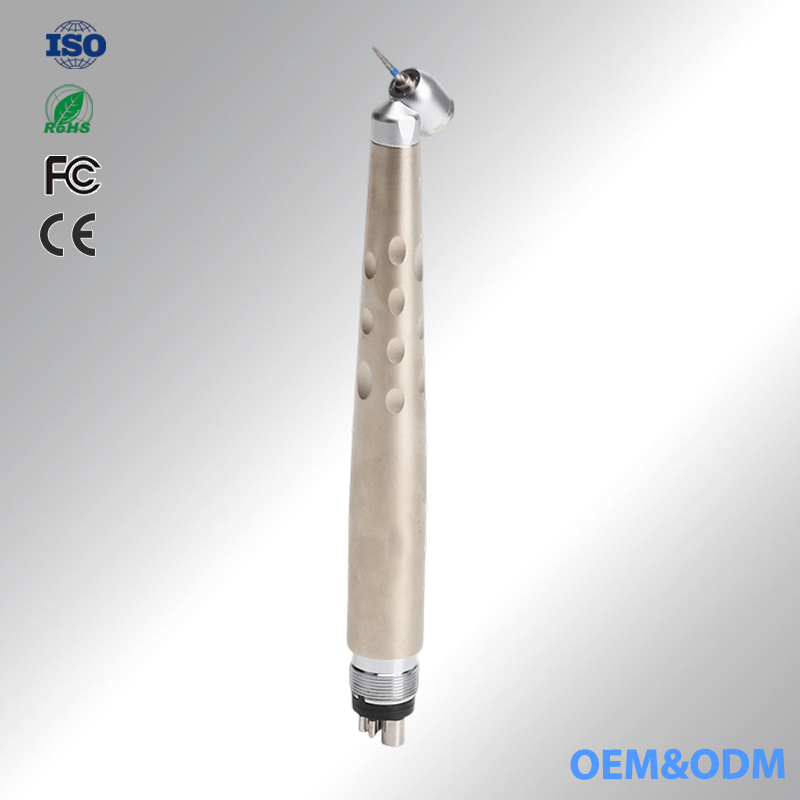
High-speed dental handpieces are versatile tools employed in various dental procedures, enhancing efficiency and precision. Some of the primary applications include:
Cavity Preparation: High-speed handpieces are ideal for removing decay and preparing cavities for fillings due to their ability to cut through enamel and dentin quickly.
Crown and Bridge Work: These handpieces facilitate the precise shaping of tooth structure for crowns and bridges, ensuring an accurate fit and seamless finish.
Endodontics: In root canal treatments, high-speed handpieces can aid in cleaning and shaping the canal, making the process more efficient.
Aesthetic Procedures: High-speed handpieces are also used in cosmetic dentistry, such as tooth reshaping and polishing, contributing to improved aesthetics.
Oral Surgery: They play a significant role in oral surgery for extracting teeth or performing other surgical procedures, where speed and precision are paramount. For enhanced performance in oral surgery, consider using the STRONG 204 102L Brushed Micromotor.
These applications underscore the importance of selecting the right high-speed dental handpiece to meet the diverse needs of dental practices.
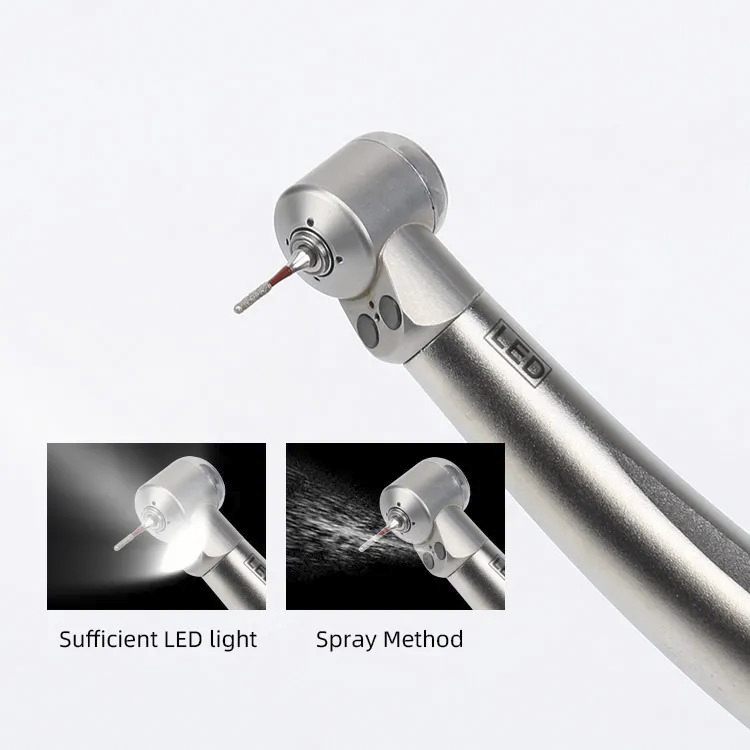
Quality control is vital in the manufacturing of high-speed dental handpieces to ensure they meet stringent performance and safety standards. At Fujian Aite Precision Machinery Co., Ltd., several measures are implemented:
Material Selection: Only high-grade materials are used to enhance durability and performance. Stainless steel, for example, is commonly used due to its resistance to corrosion and wear.
Precision Engineering: Advanced manufacturing techniques, including CNC machining, ensure that each component is manufactured to exact specifications, minimizing the risk of defects.
Testing Procedures: Each handpiece undergoes rigorous testing to assess speed, torque, noise levels, and overall functionality. This includes both operational testing and stress testing to simulate real-world usage.
Certifications: Compliance with international quality standards ensures that products are safe and reliable. This may include ISO certifications or other relevant industry standards.
Continuous Improvement: Feedback from end-users is crucial for ongoing improvements. Regular assessments and updates to manufacturing processes ensure that the products remain at the forefront of technology.
By adhering to these quality control measures, manufacturers can ensure that high-speed dental handpieces provide reliable performance and meet the demands of dental professionals.
Proper installation of high-speed dental handpieces is essential for ensuring optimal performance and longevity. Here are key guidelines to follow:
Check Compatibility: Before installation, verify that the handpiece is compatible with the dental unit and air supply specifications. Consult the manufacturer's guidelines for specific requirements.
Secure Connections: Ensure that all connections are secure to prevent leaks. Loose connections can lead to a drop in performance and increased wear on components.
Test Functionality: After installation, perform a test run to ensure the handpiece operates correctly. Check for any unusual noises, vibrations, or power fluctuations.
Follow Maintenance Protocols: Implement a routine maintenance schedule post-installation, including regular cleaning and lubrication, to extend the handpiece's lifespan.
Training for Staff: Ensure that all dental staff are trained in the proper use and maintenance of the handpiece, emphasizing the importance of adhering to the manufacturer's recommendations.
By following these installation guidelines, dental practices can maximize the performance and durability of their high-speed dental handpieces, ensuring they remain effective tools in their operations.
 EN
 AR
 BG
 HR
 CS
 DA
 NL
 FI
 FR
 DE
 EL
 IT
 JA
 NO
 PL
 PT
 RU
 ES
 SV
 CA
 TL
 IW
 ID
 LV
 SR
 SK
 SL
 UK
 SQ
 ET
 GL
 MT
 FA
 MS
 GA
 CY
 BE
 MK
 KA
 BN