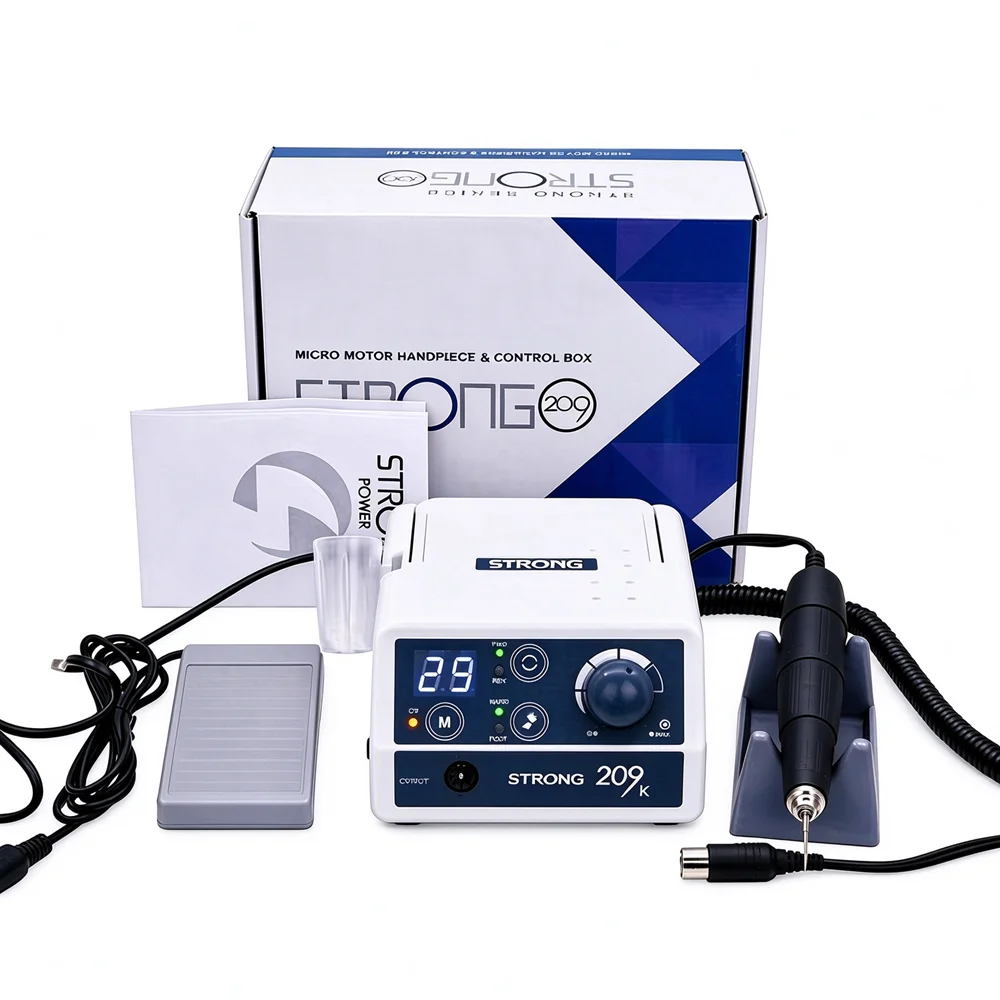
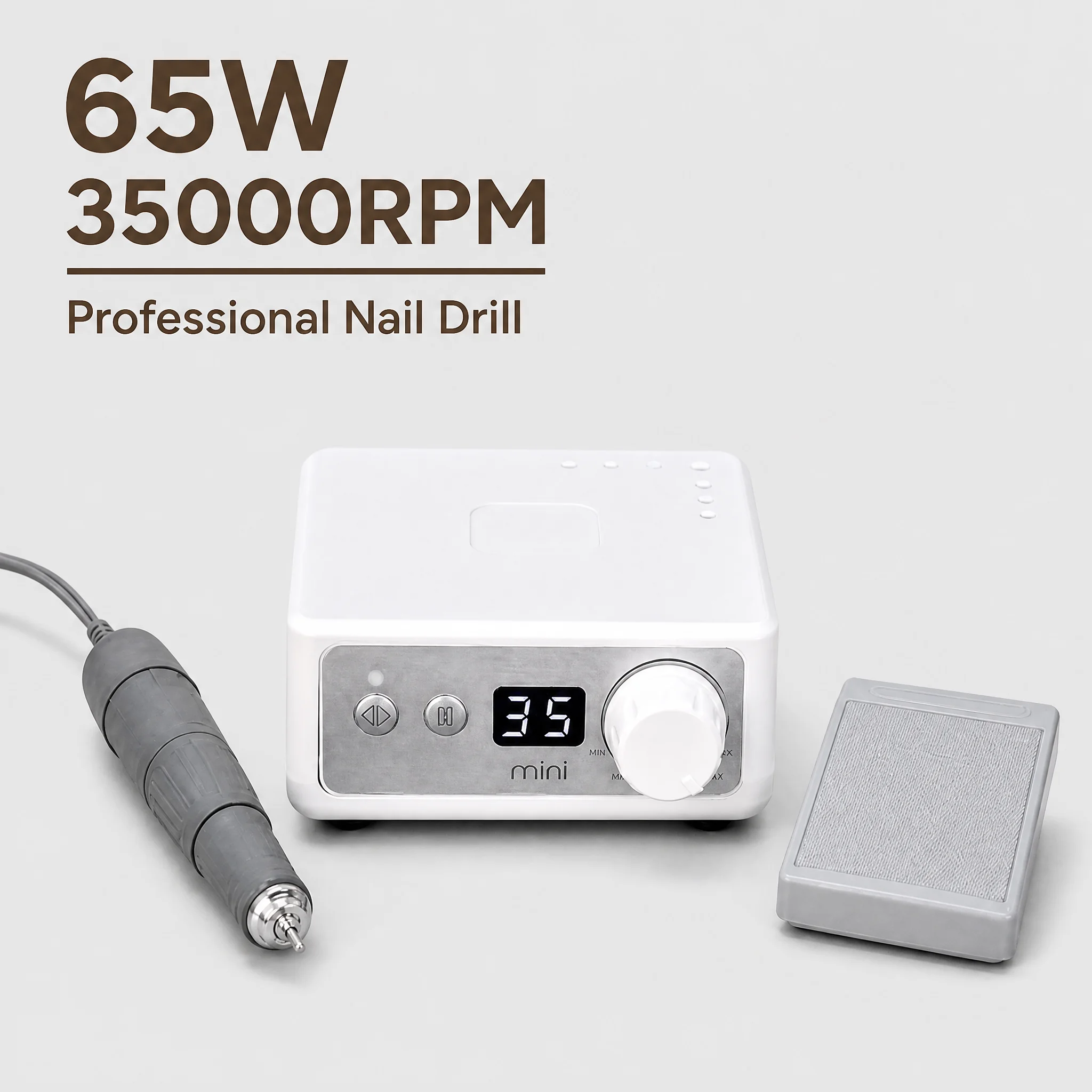
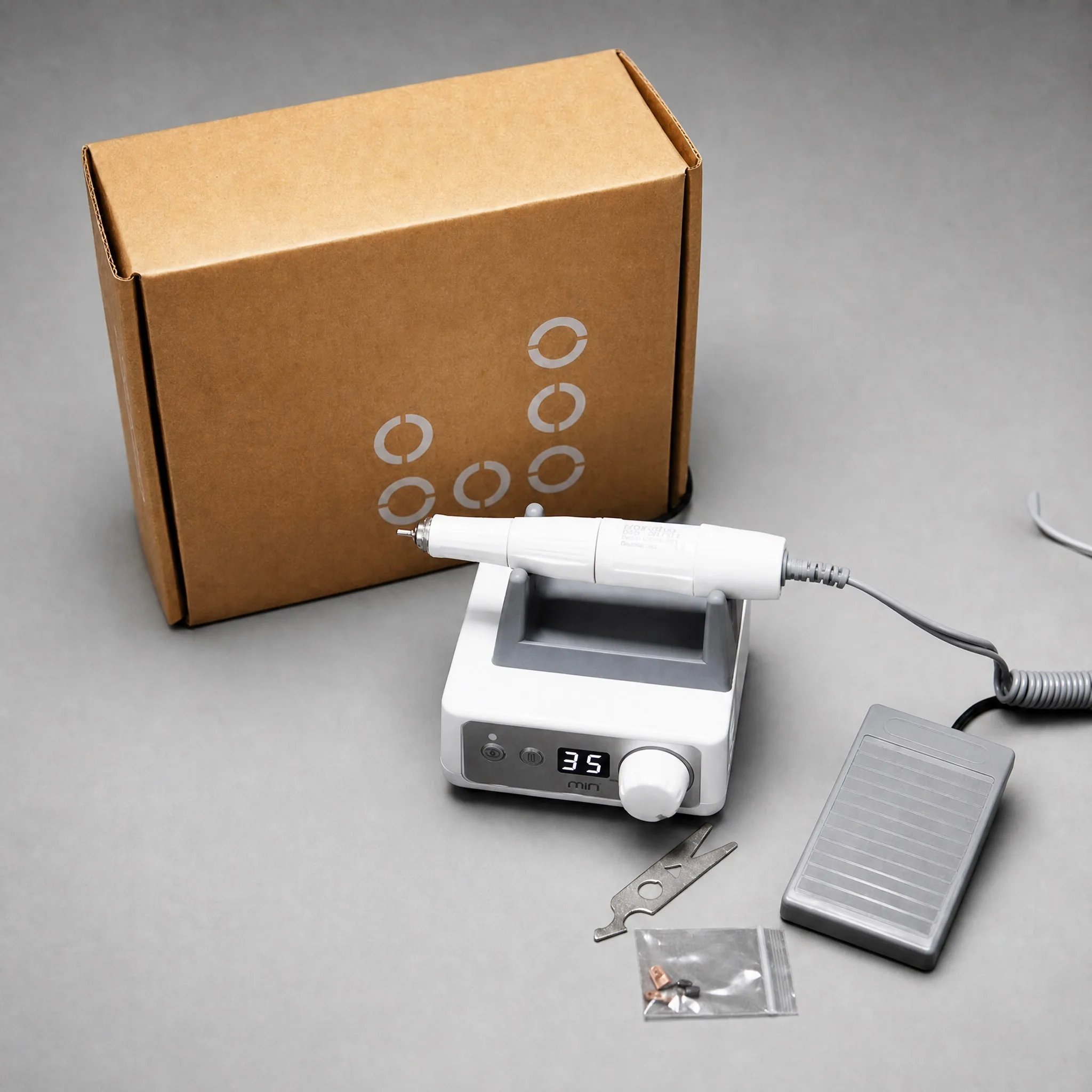
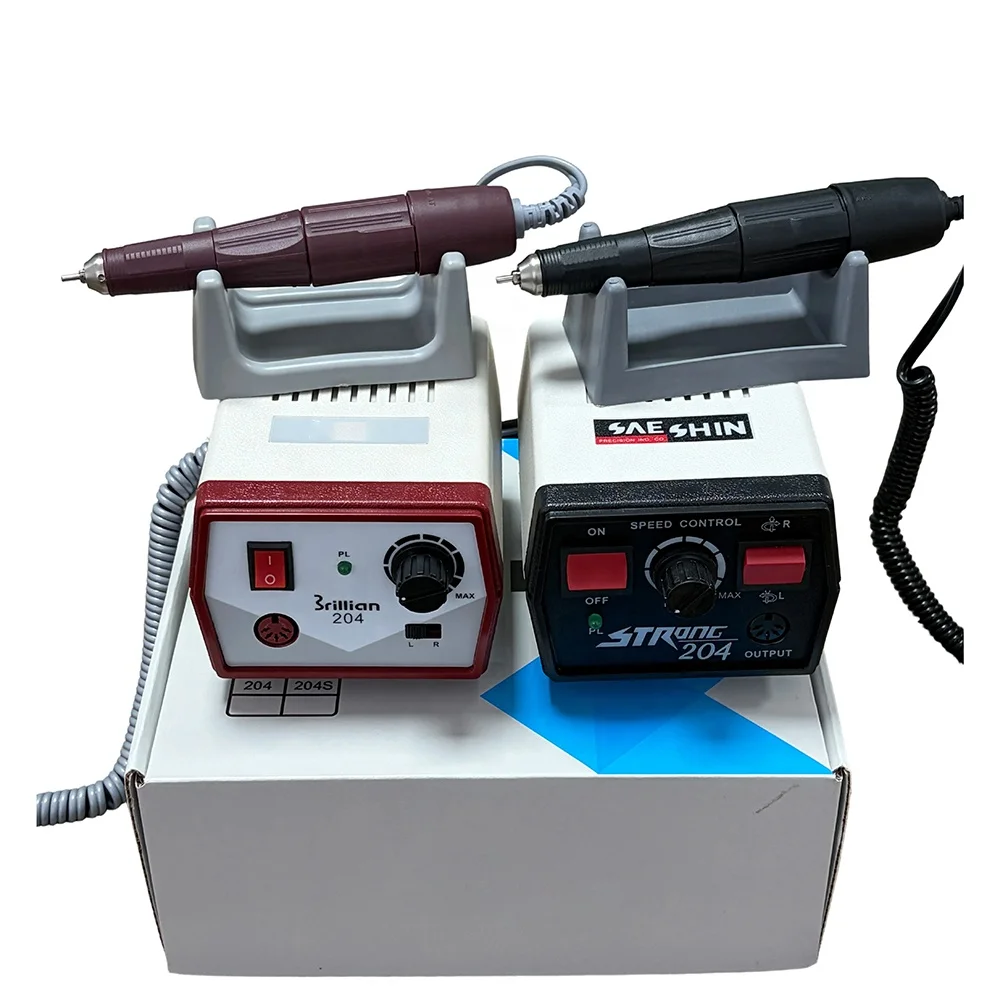
High-speed handpieces for dental applications are essential tools that significantly enhance the efficiency and precision of dental procedures. As a purchasing manager or dental professional, understanding the key factors in selecting the right handpiece can lead to improved patient outcomes and operational efficiency. This article will guide you through the considerations for choosing high-speed handpieces, options for bulk ordering, important specifications to compare, common issues faced with these tools, and essential technical knowledge for optimal use.
When selecting high-speed handpieces for dental use, several critical factors must be evaluated. Firstly, consider the type of procedures you will perform. Different handpieces are designed for specific applications, such as restorative work, endodontics, or oral surgery.
Another essential aspect is the power source. High-speed handpieces can be either air-driven or electric. Air-driven models are generally lighter and less expensive upfront, while electric handpieces often provide more consistent torque and speed, which can enhance performance during intricate procedures.
Ergonomics and weight are also vital considerations. A heavy handpiece can cause strain during prolonged use, impacting the dentist's comfort and precision. Look for options that offer a lightweight design without compromising on durability. If you're looking for durable options, check out our Handpiece selection.
Finally, ensure that the handpiece is compatible with your existing equipment. Verify the connection type and specifications to avoid any operational issues.
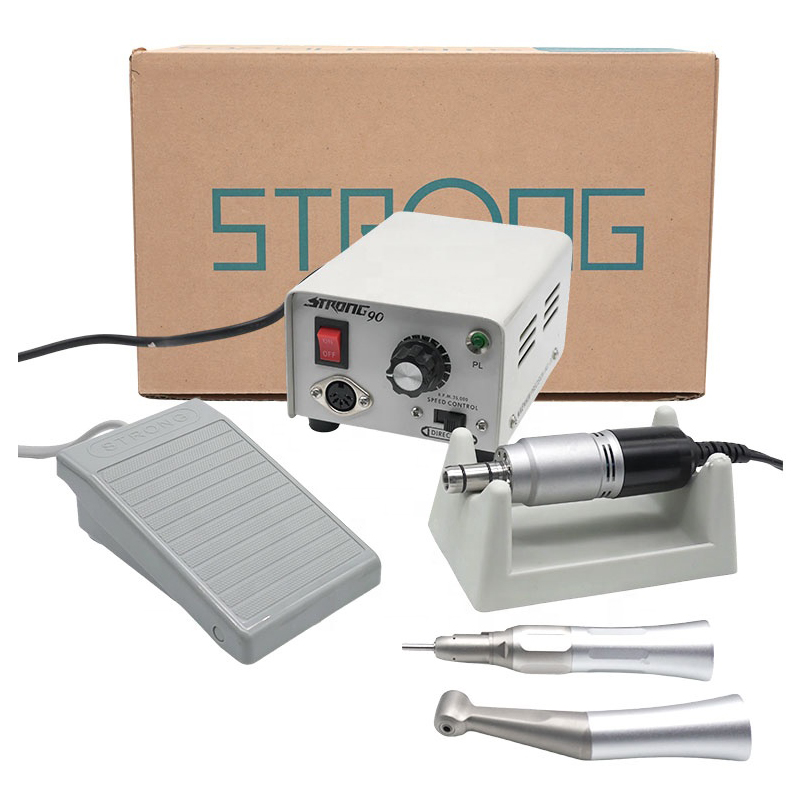
Bulk ordering high-speed handpieces can be an effective way to manage costs and ensure consistency in your dental practice. Many manufacturers, including Fujian Aite Precision Machinery Co., Ltd., offer attractive pricing structures for bulk purchases, which can significantly reduce the cost per unit.
When considering bulk orders, it's important to discuss your anticipated usage rates with your supplier. This allows them to recommend the appropriate quantities and even provide insights into lead times for production and delivery. Additionally, inquire about customization options, such as branding or specific configurations tailored to your practice’s needs. If you're interested in exploring other options, you might want to check out Other products that could support your practice.
Establishing a reliable supply chain is crucial for dental practices, as it ensures that you always have the necessary tools available without delays. Be sure to communicate your expected demand and any seasonal fluctuations in your practice.
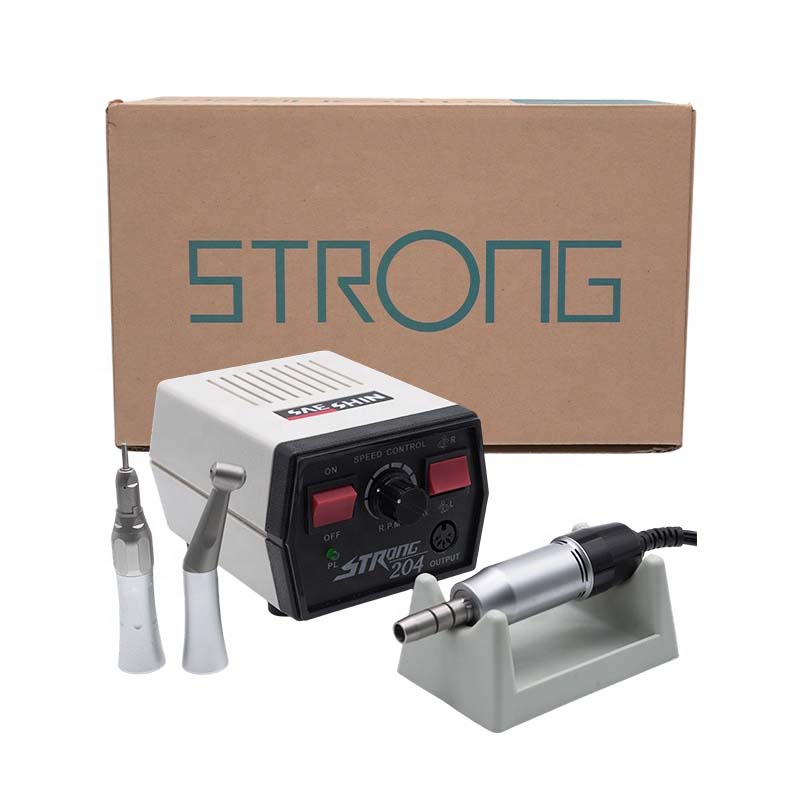
Understanding the specifications of high-speed dental handpieces is vital for making an informed purchasing decision. Here are some key specifications to compare:
Speed and Power: The RPM (revolutions per minute) rating indicates how fast the handpiece can operate. Typical high-speed handpieces range from 200,000 to 400,000 RPM. Higher speeds may improve efficiency but may also require more precision in handling.
Noise Level: Some handpieces operate at higher decibel levels, which could be a concern for patient comfort and practice environment. Look for models with sound-dampening features if noise is a concern.
Chuck Type: The chuck mechanism holds the bur in place. Common types include friction grip and latch-type chucks. Assess which type is preferred in your practice for ease of bur changes.
Weight and Ergonomics: As mentioned earlier, the weight and design can affect the usability and comfort during procedures. Check the weight specifications and consider how they align with your team's preferences.
Maintenance Requirements: Some handpieces require more maintenance than others. Assess the ease of cleaning and servicing, as regular maintenance is crucial for longevity and performance.
By comparing these specifications, you can choose a high-speed handpiece that aligns with your practice's specific needs and operational style.
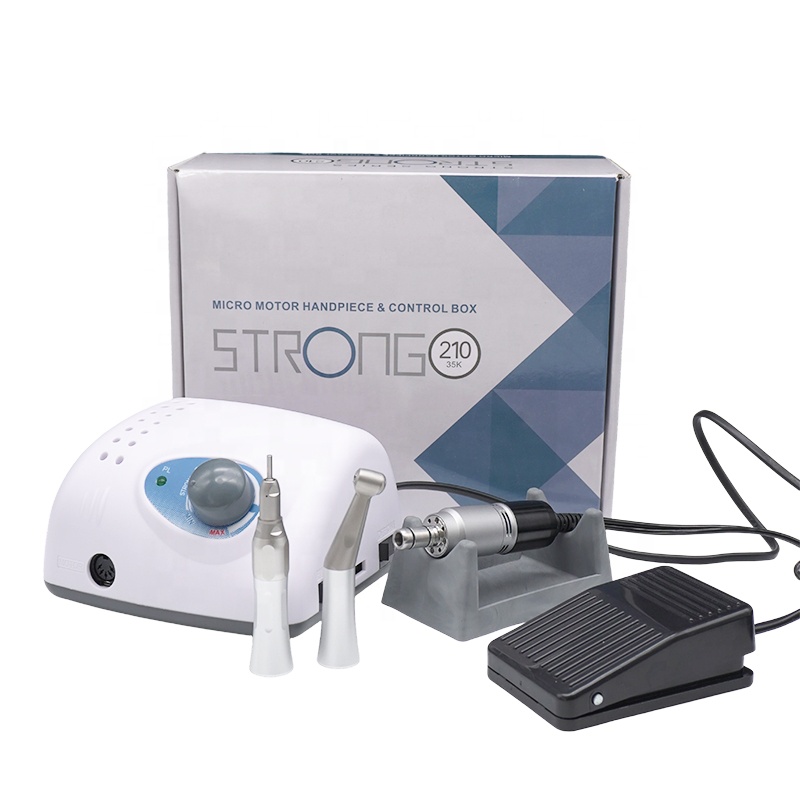
High-speed handpieces, while reliable, can encounter common issues that may affect performance. Understanding these problems can help in troubleshooting and maintaining operational efficiency:
Overheating: This can occur if the handpiece is used continuously without adequate cooling. Ensure that the handpiece is properly lubricated and that the water spray function is working effectively to cool the bur during operation.
Loss of Pressure: If the handpiece experiences a drop in power or speed, check for blockages in the air supply or water lines. Regular maintenance and cleaning of filters can prevent this issue.
Excessive Noise: A sudden increase in noise levels can indicate a mechanical problem, such as wear on internal bearings or a loose bur. Regular inspection and servicing are crucial to address these concerns before they lead to more significant failures.
Bur Retention Issues: If burs are not securely held, it may be due to a malfunctioning chuck mechanism. Regularly check the chuck for wear and replace it as necessary.
By proactively addressing these common problems, dental practices can maintain high efficiency and reduce downtime.
To maximize the performance of high-speed handpieces, dental professionals must have a solid understanding of technical aspects. Here are some crucial points:
Proper Bur Selection: Different burs are designed for specific tasks, such as cutting or polishing. Ensuring that the correct bur is selected for each procedure is essential for achieving optimal results and prolonging the life of the handpiece.
Understanding Torque: High-speed handpieces operate under various torque conditions. Familiarize yourself with how different materials and procedures affect torque requirements to avoid stalling or damaging the handpiece.
Maintenance Protocols: Regular maintenance is not just about cleaning; it also involves lubrication and inspection of wear parts. Establish a maintenance schedule that aligns with your usage patterns to keep handpieces functioning optimally.
Training and Usage Guidelines: Ensure that all staff members are properly trained in the use of high-speed handpieces. This includes understanding how to handle the tools safely, recognizing when maintenance is needed, and knowing best practices for operation.
By cultivating a thorough understanding of the technical aspects of high-speed handpieces, dental professionals can enhance their workflow, improve patient care, and reduce equipment-related issues.
In summary, selecting the right high-speed handpieces for dental applications involves careful consideration of various factors, including specifications, bulk ordering options, common issues, and technical knowledge. By focusing on these areas, dental practices can improve their operational efficiency and provide better care for their patients.
 EN
 AR
 BG
 HR
 CS
 DA
 NL
 FI
 FR
 DE
 EL
 IT
 JA
 NO
 PL
 PT
 RU
 ES
 SV
 CA
 TL
 IW
 ID
 LV
 SR
 SK
 SL
 UK
 SQ
 ET
 GL
 MT
 FA
 MS
 GA
 CY
 BE
 MK
 KA
 BN