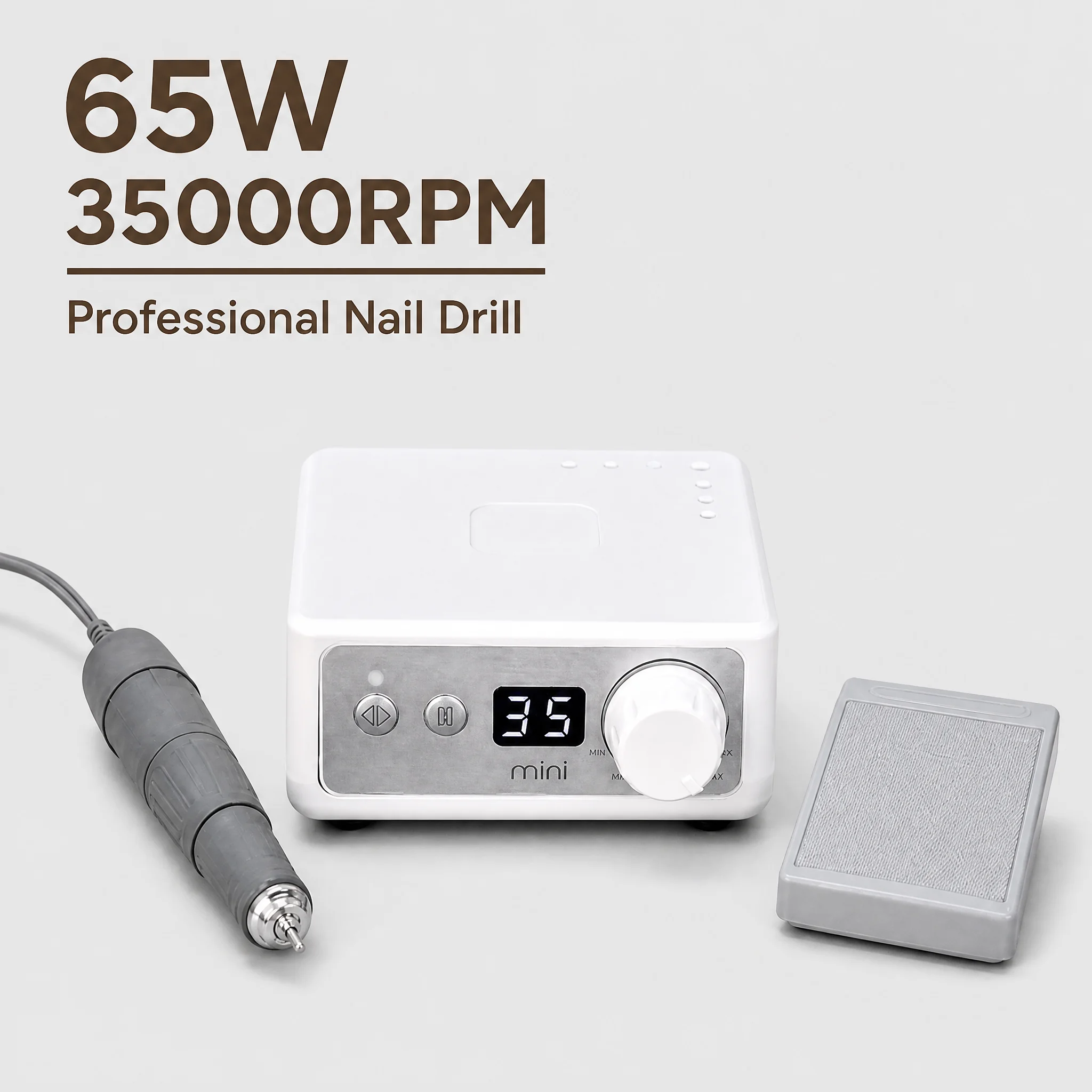
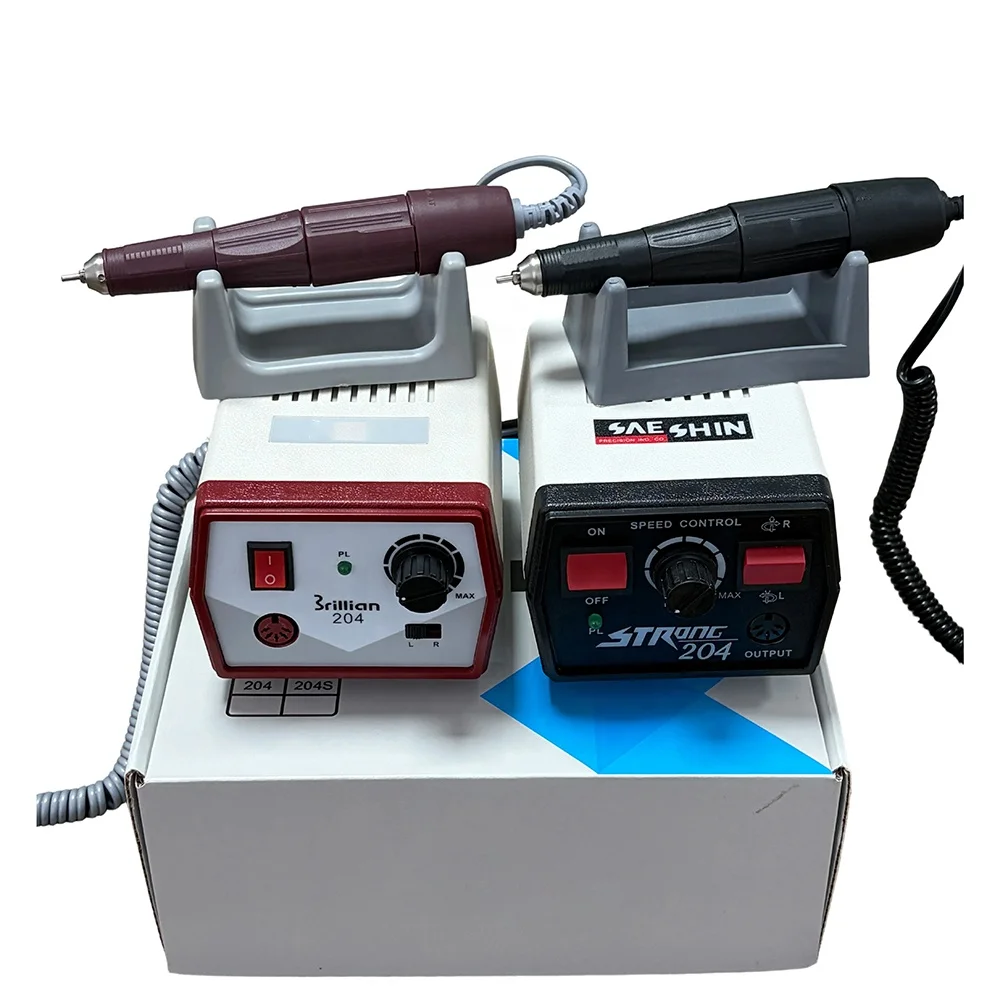
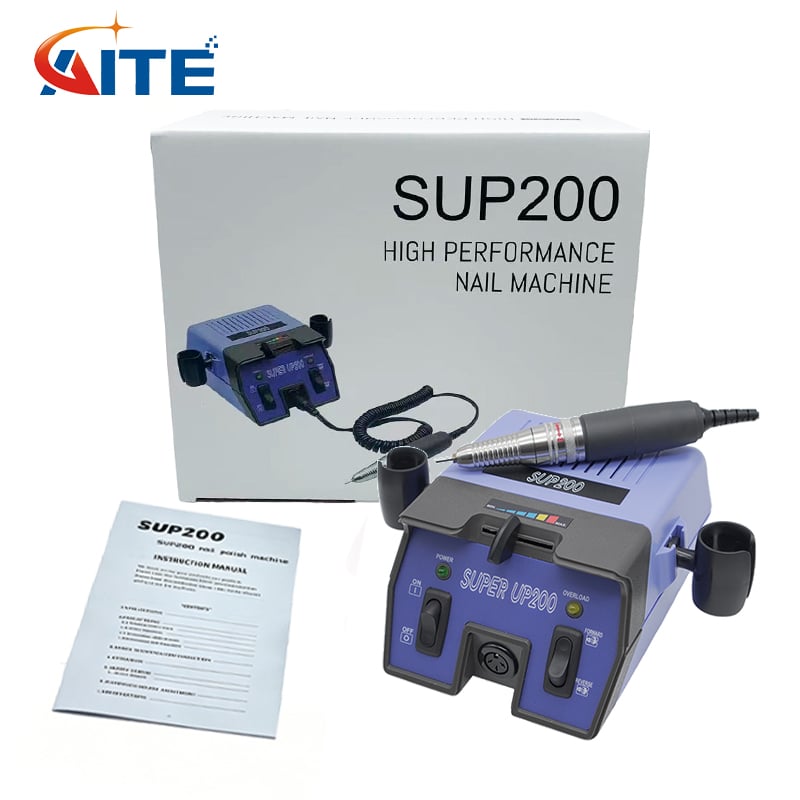
Portable high-speed dental drills are essential tools for dental professionals, offering precision and efficiency in various procedures. When selecting a portable high-speed dental drill, buyers often focus on performance, reliability, and ease of use. This article will guide you through critical considerations when choosing these drills, comparing specifications, understanding quality control processes, effective installation, and evaluating material advantages. By addressing these factors, you can make informed decisions that meet the unique needs of your dental practice.
Selecting the right portable high-speed dental drill involves understanding your specific requirements and the applications for which the drill will be used. Key considerations include the drill's speed, torque, and the type of attachments available. For instance, a drill with adjustable speed settings can cater to various procedures, from simple cleanings to intricate restorations. Moreover, it is essential to consider compatible handpieces that work seamlessly with your chosen drill.
Additionally, assess the ergonomics of the drill, including its weight and grip design, as these factors affect usability during extended procedures. If your practice focuses on specific dental work, ensure the drill is compatible with your preferred attachments, such as burs and handpieces. Finally, consider the manufacturer’s reputation for quality and support, as reliability is paramount in maintaining operational efficiency in a clinical environment.
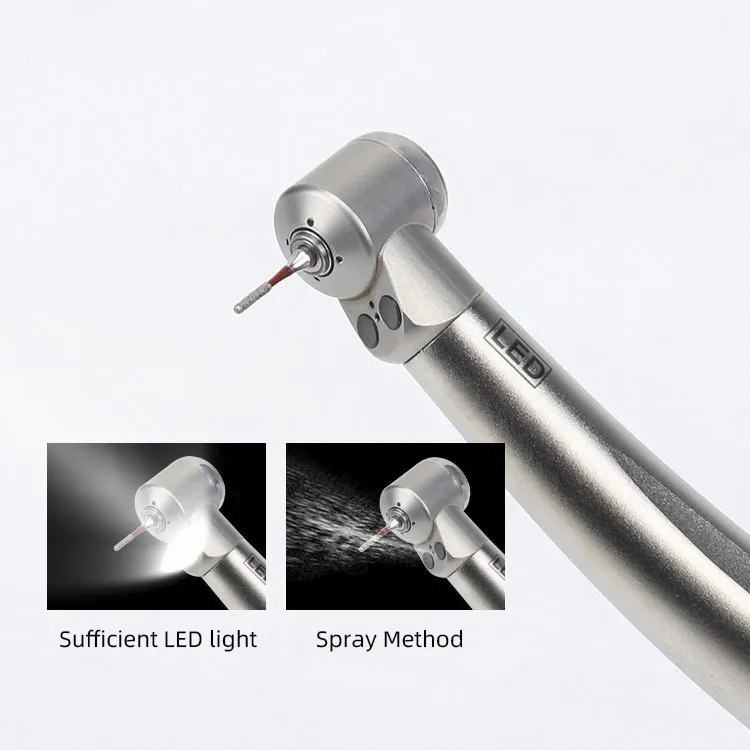
When evaluating portable high-speed dental drills, compare their specifications to determine which model best suits your needs. Here are essential specifications to consider:
Speed Range: The RPM (revolutions per minute) can vary widely among models, typically ranging from 30,000 to 400,000 RPM. Higher speeds may be beneficial for specific applications, but ensure they align with your procedural requirements.
Torque: A drill’s torque affects its ability to handle various materials. Drills with higher torque ratings are generally better suited for cutting through harder substances like enamel.
Power Source: Many portable dental drills are battery-operated, providing mobility without compromising performance. Check the battery life and charging time to ensure it meets your practice's demands.
Noise Level: Some models operate at lower noise levels, which can improve patient comfort during procedures.
Weight and Design: Lightweight designs can reduce hand fatigue for dental professionals over long use periods. By comparing these specifications, you can select a drill that balances performance, comfort, and operational needs.
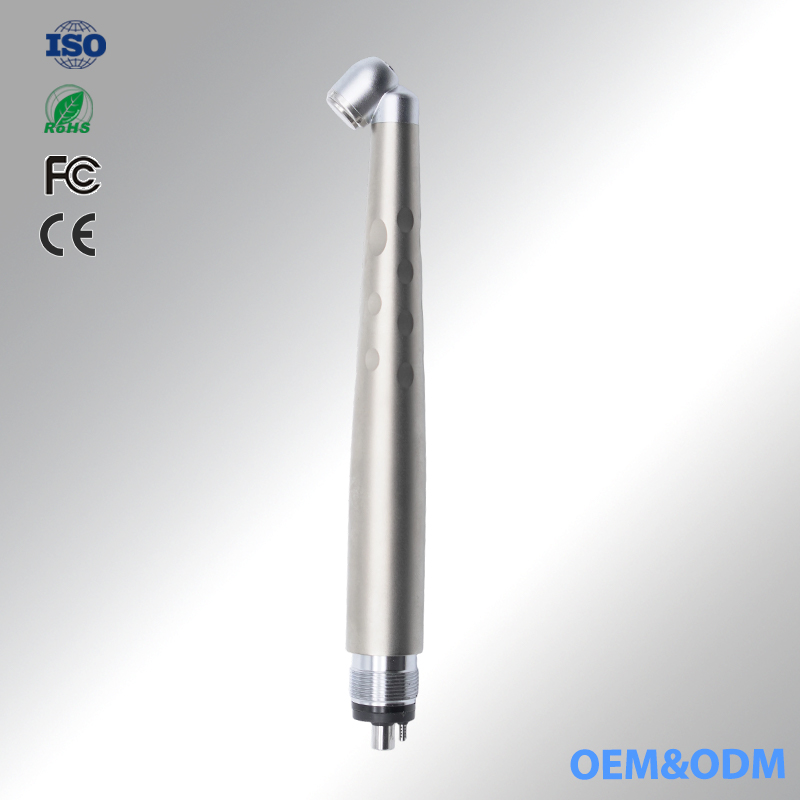
Quality control is critical in the manufacturing of portable high-speed dental drills. A reputable manufacturer, like Fujian Aite Precision Machinery Co., Ltd., should implement rigorous testing processes to ensure that each drill meets industry standards.
Key quality control aspects to consider include:
Material Quality: The durability and effectiveness of the drill depend on the quality of materials used in its construction. Look for drills made from high-grade metals and plastics that withstand wear and tear, including spare parts for maintenance.
Testing Protocols: Manufacturers should have established protocols for testing speed, torque, and overall functionality. Drills should undergo performance evaluations under various simulated conditions to ensure reliability.
ISO Certification: Look for manufacturers with ISO certifications, as these indicate adherence to international quality standards.
By understanding the quality control processes, you can better assess the reliability of a dental drill and avoid potential failures in practice.
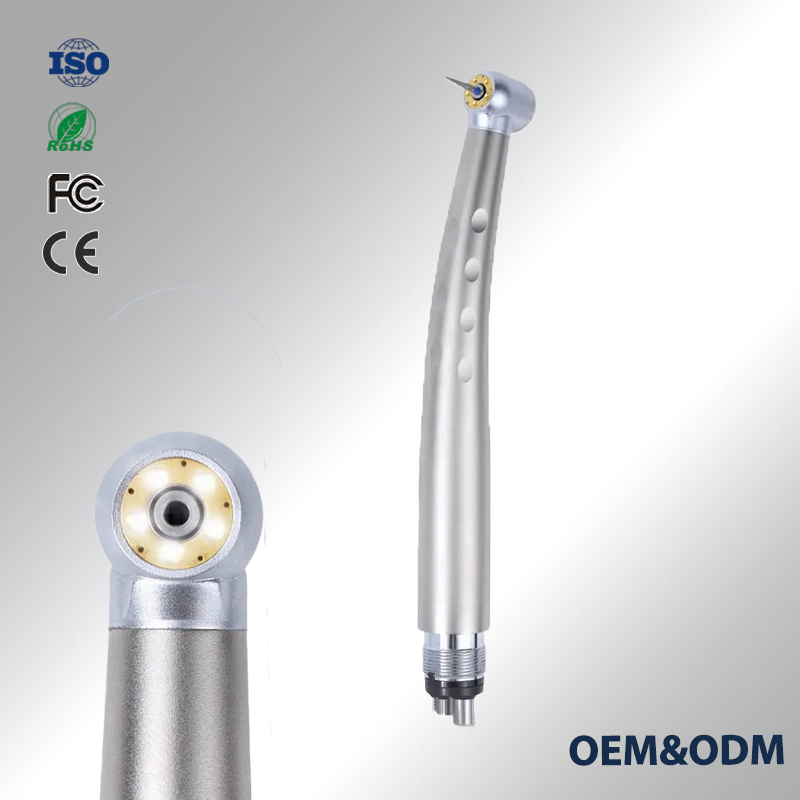
Proper installation of your portable high-speed dental drill is crucial for optimal performance. Follow these steps to ensure effective installation:
Read the Manual: Always begin with the manufacturer's manual, which provides specific installation instructions and safety precautions.
Prepare the Workstation: Ensure your workstation is clean and organized. Have all necessary tools and components ready for installation.
Attach the Handpiece: Most portable drills require the attachment of a handpiece. Secure it firmly to prevent it from loosening during use, which can lead to operational inefficiencies or accidents.
Connect Power Source: If the drill is battery-operated, ensure the battery is fully charged. For wired models, check that the power supply is functioning correctly.
Run a Test: Before using the drill on a patient, perform a test run to confirm that it operates smoothly and at the desired speed.
By following these steps, you can effectively install your portable high-speed dental drill, ensuring readiness for patient care.
The materials used in the construction of portable high-speed dental drills significantly impact their performance and longevity. Here are some material considerations:
Stainless Steel: Often used for drill components due to its corrosion resistance and strength. Stainless steel parts can withstand repeated sterilization processes without degrading.
Ceramic Bearings: Some high-end models use ceramic bearings to reduce friction and enhance longevity. They can provide smoother operation compared to traditional metal bearings.
Plastic Composites: While lightweight and less expensive, ensure that any plastic components are of high quality to avoid breakage during use.
Ergonomic Materials: The handle design and material can affect usability. Rubberized grips can enhance comfort and control, especially during long procedures.
By evaluating these material advantages, you can choose a portable high-speed dental drill that not only meets your operational needs but also provides durability and comfort in clinical settings.
 EN
 AR
 BG
 HR
 CS
 DA
 NL
 FI
 FR
 DE
 EL
 IT
 JA
 NO
 PL
 PT
 RU
 ES
 SV
 CA
 TL
 IW
 ID
 LV
 SR
 SK
 SL
 UK
 SQ
 ET
 GL
 MT
 FA
 MS
 GA
 CY
 BE
 MK
 KA
 BN