Choosing the right manicure drill bits is essential for nail salons, dental practices, and jewelry makers alike. These specialized tools enable precision and efficiency in various applications, allowing professionals to execute their work with finesse. However, with a multitude of options available, B2B buyers often face challenges in selecting the most suitable drill bits for their needs. This article will guide you through the critical considerations and specifications to look for when purchasing manicure drill bits in bulk, helping you make informed decisions that enhance your operational workflow.
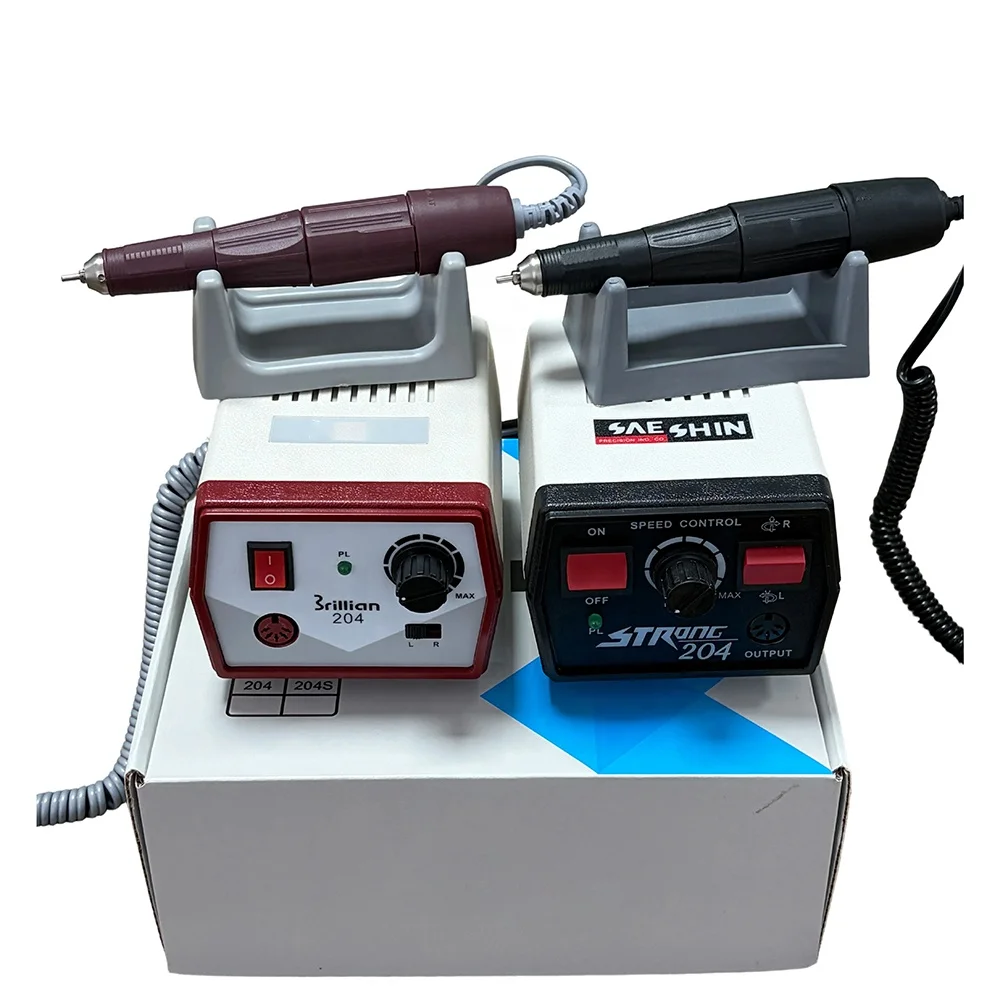
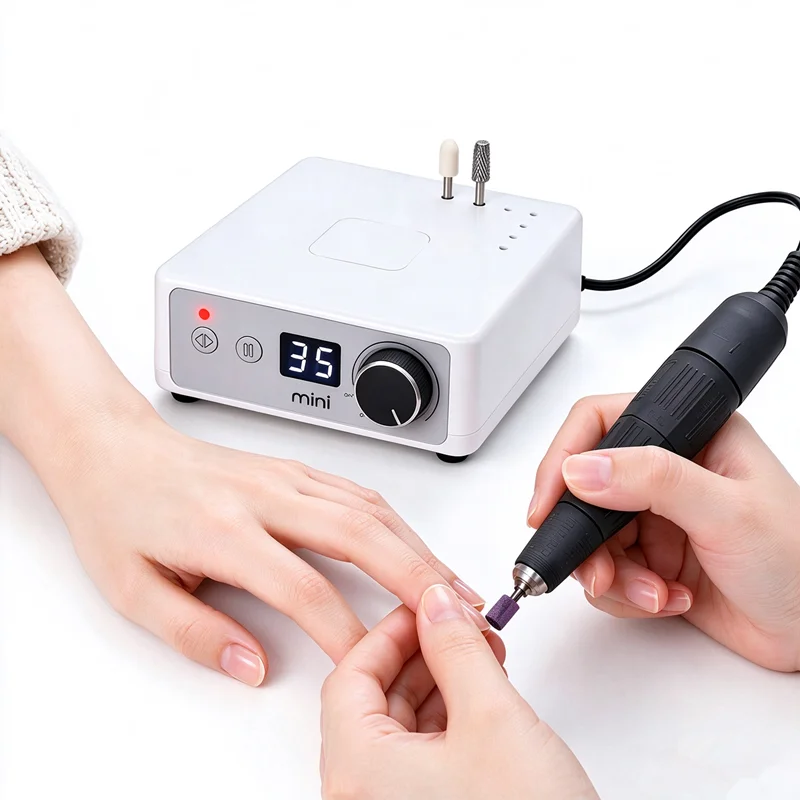
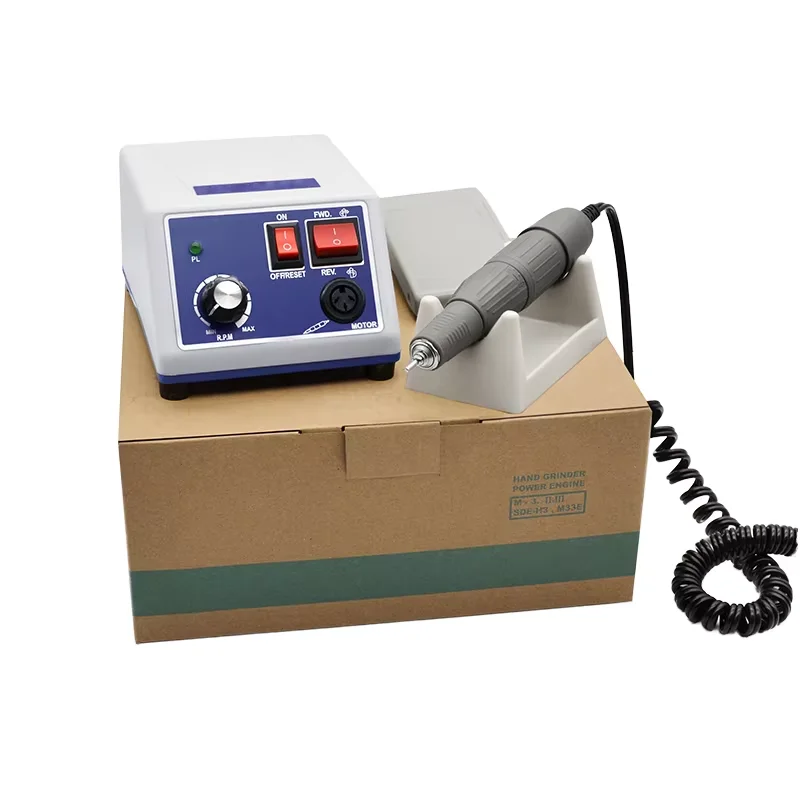
When selecting manicure drill bits for wholesale, several factors are paramount. Firstly, buyers should consider the application each bit is intended for, whether for nail shaping, cuticle work, or polishing. The material of the drill bits is another essential aspect; for instance, carbide bits are known for their durability and efficiency in removing nail enhancements, while diamond bits provide finer finishes for delicate tasks. Additionally, ensure that you have the right Nail drill machine to maximize the use of these bits.
Additionally, compatibility with existing equipment is crucial. Ensure that the shank size matches your grinders to avoid operational issues. Buyers should also factor in the volume they require, as bulk purchasing often comes with cost savings but may necessitate careful planning regarding storage and inventory management. Lastly, assess the manufacturer's reputation and quality control processes, as these can significantly impact the performance and longevity of the drill bits.
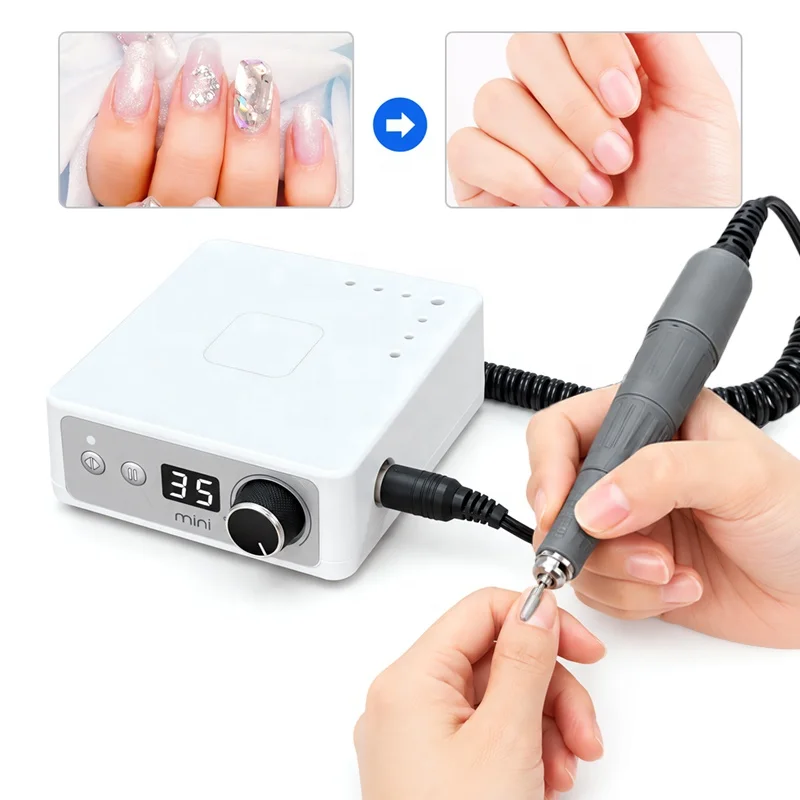
When evaluating manicure drill bits, attention to specific specifications can make a significant difference in performance. Key specifications include:
Material Composition: Drill bits made from tungsten carbide or diamond are preferred for their hardness and longevity. Tungsten carbide is excellent for heavy-duty tasks, while diamond bits excel in fine detailing.
Coarseness or Grit: The grit level affects the finishing of the nail. Finer grit is suited for polishing, while coarser options are ideal for material removal. Understanding the grit range required for various applications is essential.
Shank Size: Common shank sizes include 1/8” and 3/32”. Ensure that the chosen size fits your grinder to avoid compatibility issues.
Bit Shape: Different shapes serve distinct purposes—cylinder bits for surface work, flame bits for cuticle areas, and cone bits for shaping. Selecting the correct shape enhances efficiency and precision.
Heat Resistance: High-quality drill bits should withstand heat generated during operation without warping or losing their cutting edge. This characteristic is vital for maintaining performance and ensuring user safety.
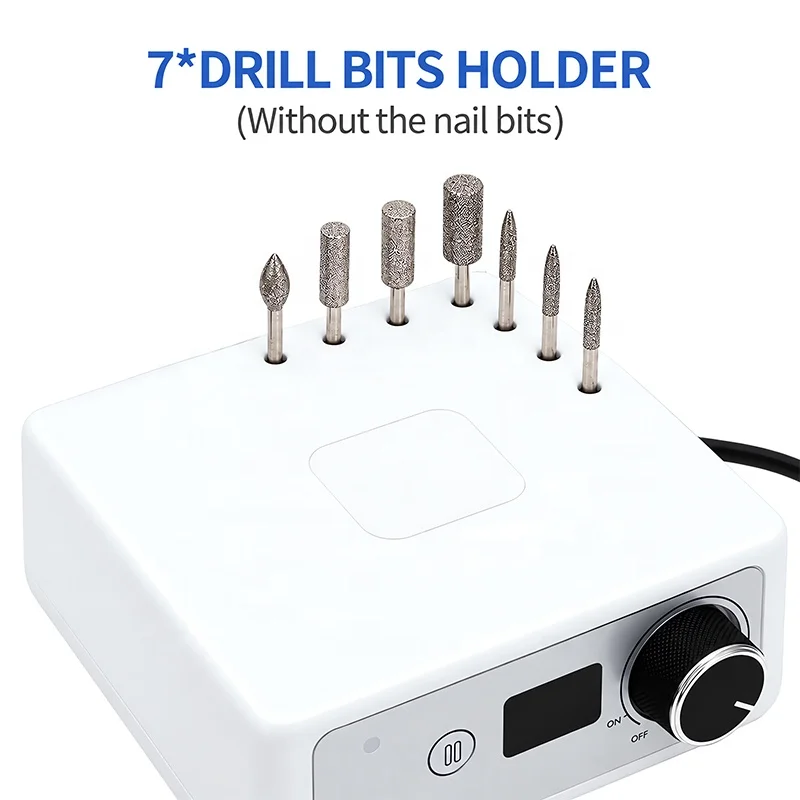
The cost of manicure drill bits varies based on several factors. Firstly, the material and manufacturing process significantly influence the price. High-quality materials, such as diamond or tungsten carbide, generally come at a premium but provide better longevity and performance.
Secondly, order quantity can affect pricing. Bulk orders often lead to discounts, but buyers should evaluate their actual needs to avoid excess inventory. Shipping costs are another consideration; international shipping can add to the overall expense, particularly for larger orders. Consider also the Spare Parts that may be necessary for your equipment.
Lastly, consider potential customization options. Custom bits tailored to specific applications can enhance performance but may come with higher upfront costs. Always request quotations from multiple suppliers to ensure competitive pricing and favorable terms.
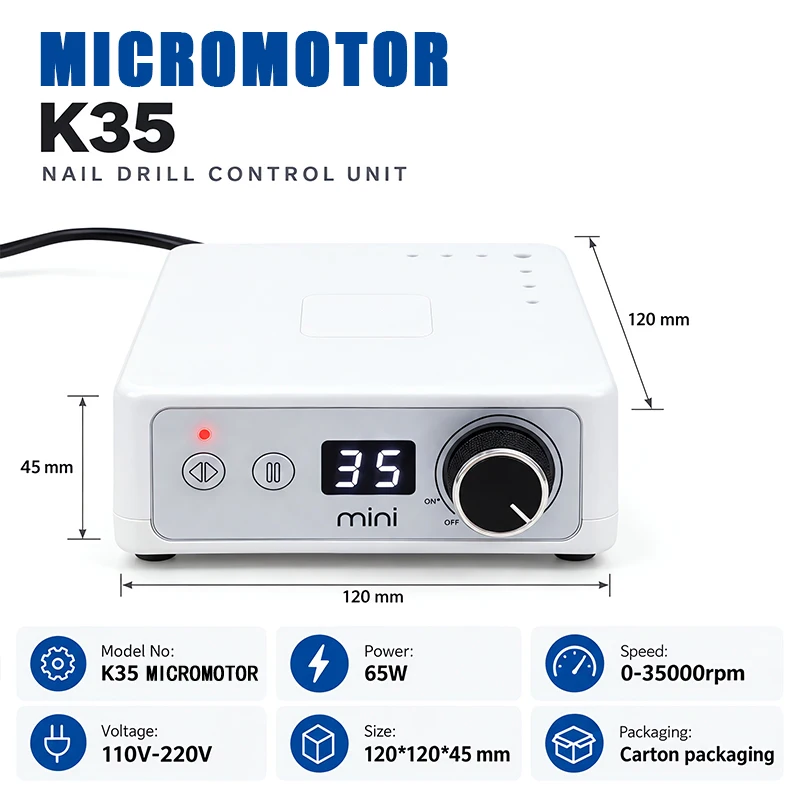
Installing manicure drill bits properly is vital for optimal performance. Firstly, ensure the grinder is turned off before changing bits to prevent accidents. When inserting the bit, confirm that it fits snugly in the chuck. A loose bit can lead to vibrations and affect the quality of work.
It’s advisable to follow the manufacturer's guidelines for installation, which typically involve tightening the chuck securely. After installation, perform a quick test run at a low speed to check for stability. If the bit wobbles or vibrates excessively, it may not be properly installed or could be incompatible with the grinder.
Regular maintenance of the drill bits is also essential. Cleaning them after use can prolong their life and maintain performance. Use a soft brush to remove debris and avoid harsh chemicals that could damage the surface.
Even the best manicure drill bits can encounter issues during use. Common problems include:
Excessive Heat Generation: If drill bits overheat, it can lead to reduced effectiveness and damage to both the bit and the material being worked on. To mitigate this, use appropriate speeds and avoid excessive pressure during operation.
Chipping or Breaking: Bits may chip or break if they encounter hard materials or are used improperly. Ensure that the correct bit type and grit level are chosen for the task, and avoid using them on materials they are not designed for.
Loss of Sharpness: Over time, drill bits can become dull. Regularly inspect bits for sharpness and replace them when necessary to maintain efficiency. Consider keeping a stock of new bits to prevent workflow interruptions.
Incompatibility Issues: If a bit does not fit properly in the grinder, it can lead to operational difficulties. Always confirm shank sizes before purchasing, and consult with suppliers for solutions if compatibility problems arise.
By understanding these common issues, buyers can take proactive steps to ensure the longevity and effectiveness of their manicure drill bits, leading to a more efficient and cost-effective operation.
With this comprehensive guide, B2B buyers can navigate the complexities of selecting and purchasing manicure drill bits confidently, ensuring they choose the right products for their professional needs.
 EN
 AR
 BG
 HR
 CS
 DA
 NL
 FI
 FR
 DE
 EL
 IT
 JA
 NO
 PL
 PT
 RU
 ES
 SV
 CA
 TL
 IW
 ID
 LV
 SR
 SK
 SL
 UK
 SQ
 ET
 GL
 MT
 FA
 MS
 GA
 CY
 BE
 MK
 KA
 BN