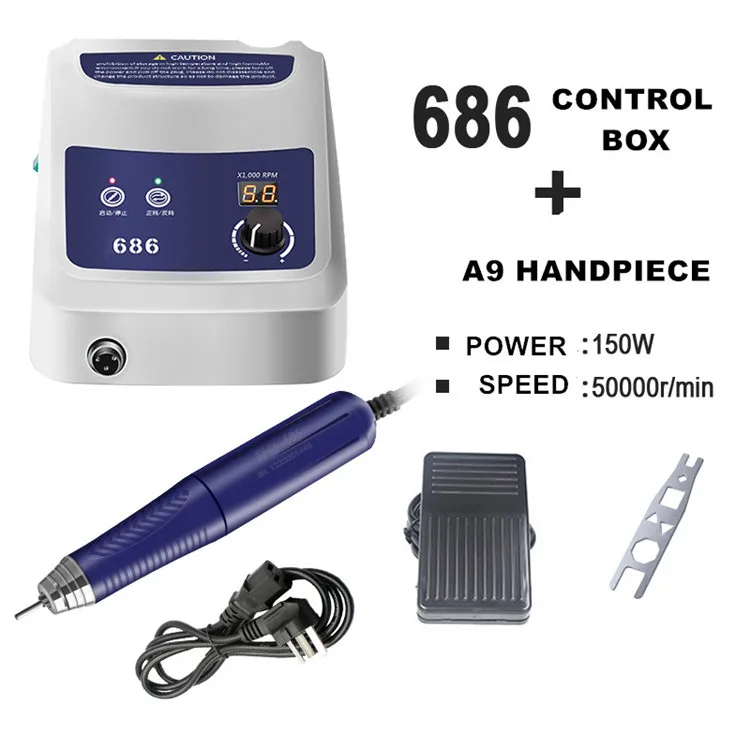
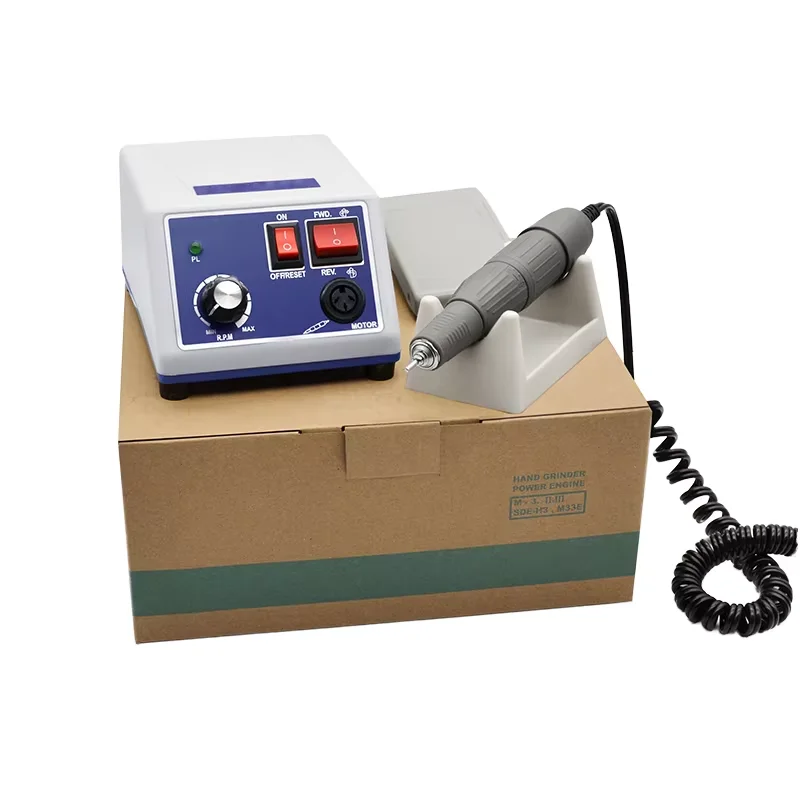
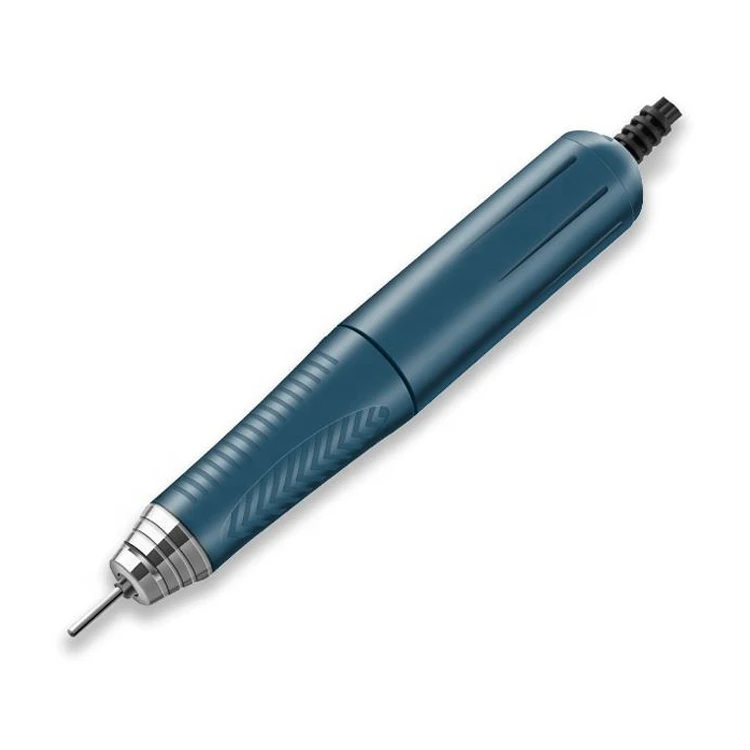
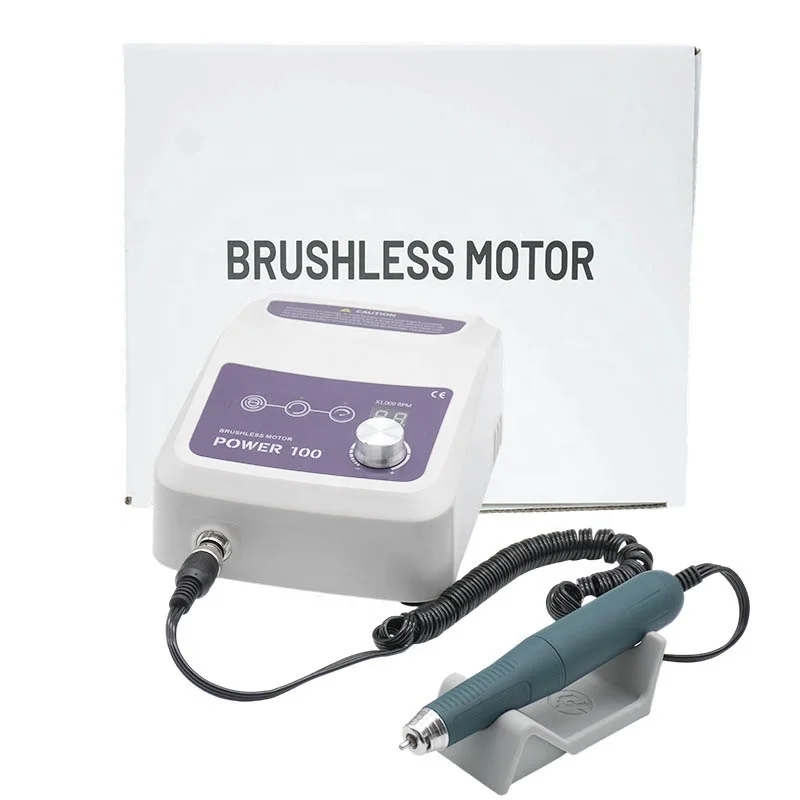
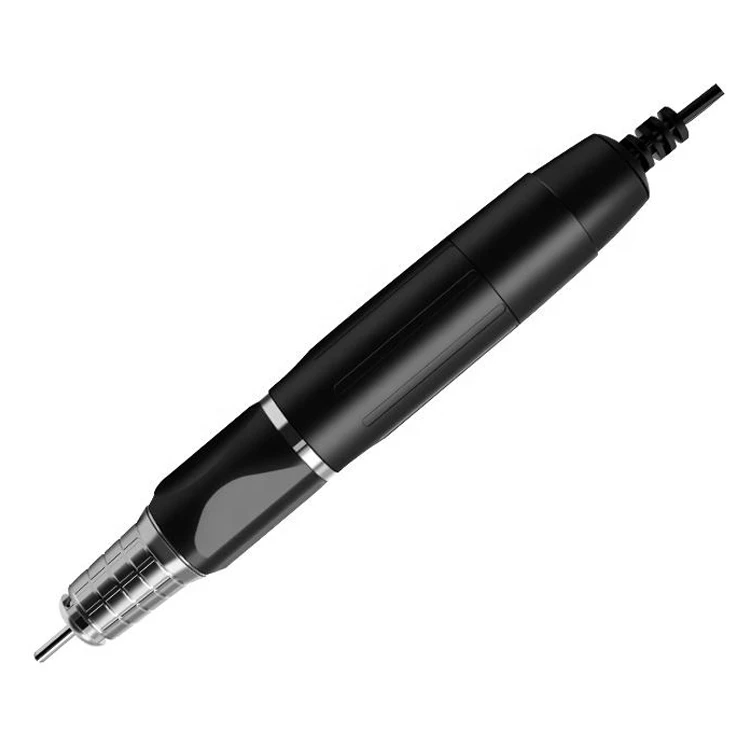
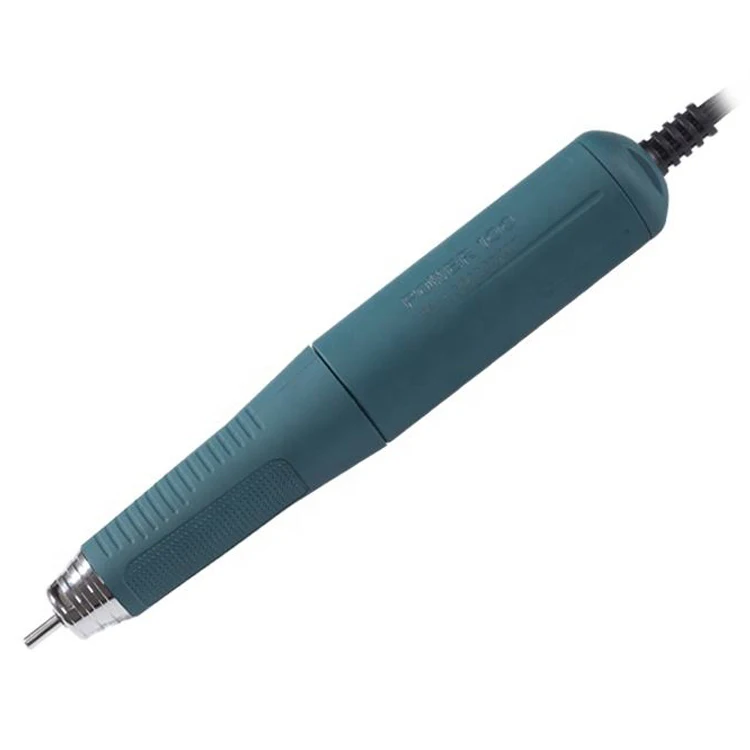
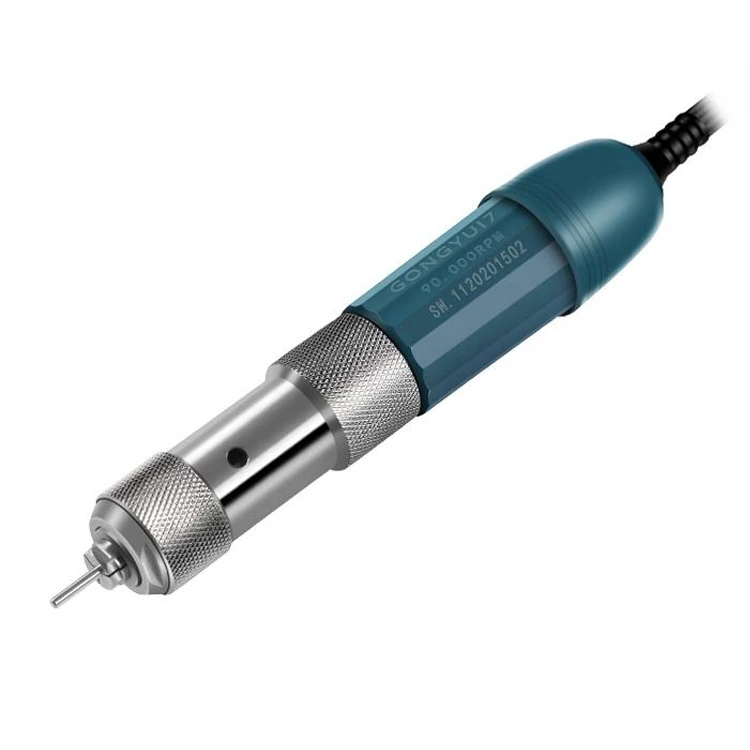
When it comes to jewellery polishing motors, selecting the right one is crucial for achieving optimal results in your polishing processes. These motors are essential tools in various industries, particularly in jewellery manufacturing, where precision and efficiency are paramount. This article will explore key considerations for choosing a jewellery polishing motor, supplier reliability, essential specifications, cost factors, and installation guidance, all aimed at helping purchasing managers and professionals make informed decisions.
Selecting the appropriate jewellery polishing motor involves evaluating several factors to ensure it meets your specific requirements. Start by considering the application: is it for polishing delicate pieces, such as rings and necklaces, or for heavier items? The motor’s speed and torque will vary based on these needs. For instance, fine polishing often requires higher RPMs and lower torque, whereas more robust applications may need a motor with higher torque capabilities.
Another critical aspect is the type of motor—brushless electronic motors are increasingly preferred for their efficiency and longevity. These motors reduce maintenance costs and provide a stable output, which is essential for consistent polishing results. Additionally, assess the motor's compatibility with your existing polishing accessories to ensure a seamless integration into your workflow. For instance, consider using the ODM Professional 90W High Power Brushless Metal Vacuum Cleaner for effective dust management during polishing.
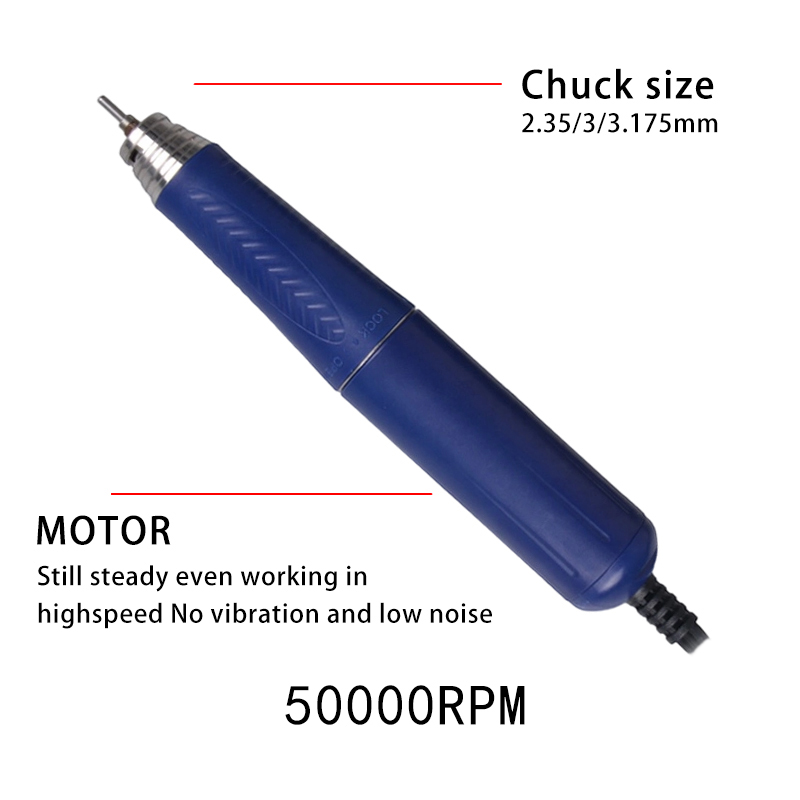
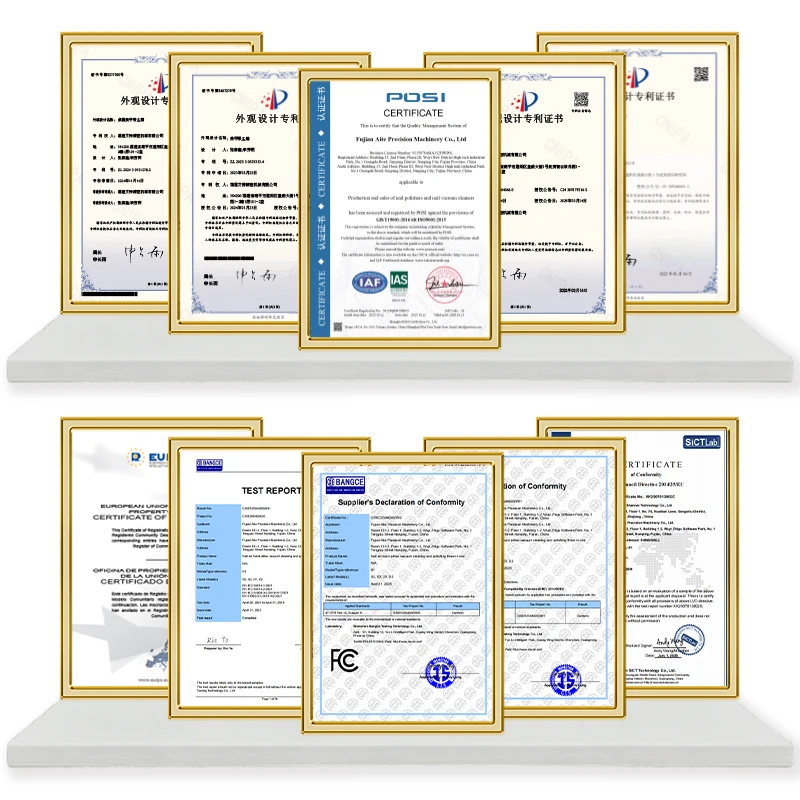
Finding a trustworthy supplier for jewellery polishing motors is vital for ensuring product quality and reliability. Look for manufacturers with a proven track record in the industry. Fujian Aite Precision Machinery Co., Ltd., for example, specializes in high-speed brushless electronic grinders and has extensive manufacturing experience and several national invention patents, indicating a commitment to innovation and quality.
When evaluating suppliers, consider their customer support services, lead times, and the availability of technical assistance. Reliable suppliers should also provide clear communication regarding product specifications and any customization options you may require. This can significantly impact the efficiency of your purchasing process and the overall performance of the polishing motors used. For heavy-duty tasks, you might want to explore options like the STRONG 204 102L Brushed Micromotor.
Understanding the key specifications of jewellery polishing motors is essential for making informed purchasing decisions. Here are some critical parameters to consider:
Speed and RPM: The motor's maximum speed, typically measured in revolutions per minute (RPM), affects the polishing process. Higher speeds achieve finer finishes but can also increase the risk of overheating if not managed properly.
Power Rating: The wattage of the motor will determine its capability to handle different workloads. Motors with higher power ratings can manage more demanding tasks without compromising performance.
Torque: Torque is crucial, especially for heavy-duty polishing tasks. Motors with higher torque ratings can handle more substantial materials and produce better results with less effort.
Noise Levels: For workplaces such as jewellery shops or salons, lower noise levels can enhance the work environment. Check the decibel rating of the motor to ensure it meets your noise tolerance.
Durability and Material Quality: The materials used in the motor’s construction affect its longevity and performance. Motors made with high-quality components are generally more reliable and have lower failure rates.
Cooling Mechanism: Some motors come with built-in cooling systems to prevent overheating during prolonged use, which can extend their lifespan.
Understanding these specifications will help you choose a motor that aligns with your operational needs and enhances productivity.
When budgeting for jewellery polishing motors, several cost factors should be considered beyond the initial purchase price. While it's tempting to choose the cheapest option, this can lead to higher long-term costs due to maintenance and replacement needs.
Quality vs. Price: High-quality motors may have a higher upfront cost but often result in lower operational costs due to their durability and efficiency. Consider the total cost of ownership rather than just the purchase price.
Customization Requirements: If you need a motor tailored to specific applications, be prepared for potential additional costs. Customization can affect lead times and pricing, so ensure you discuss these factors with your supplier.
Maintenance and Parts: Evaluate the expected maintenance costs, including any necessary replacement parts. Motors that are easier to service may save you money over time.
Warranty and Support: A good warranty can offer peace of mind and protect your investment. Check what warranty options are available and what they cover.
Shipping and Handling: Don’t overlook the costs associated with shipping and handling, especially if importing from overseas. These can significantly impact the total cost of the motor.
By understanding these factors, purchasing managers can better assess the true cost of the polishing motors they are considering.
Proper installation of jewellery polishing motors is crucial for optimal performance and safety. Here are some guidelines to follow:
Follow Manufacturer Instructions: Always refer to the manufacturer’s installation manual for specific guidelines related to your model. This ensures compliance with safety standards and operational efficiency.
Check Electrical Requirements: Ensure that your electrical supply matches the motor's specifications. Incorrect voltage or frequency can lead to performance issues or damage.
Secure Mounting: Make sure the motor is securely mounted to minimize vibrations. This not only enhances performance but also prolongs the life of the motor.
Test Run: After installation, perform a test run to ensure everything is functioning correctly. Monitor for unusual noises or vibrations, which may indicate installation issues.
Safety Precautions: Ensure that all safety guards and features are in place before operating the motor. This protects operators and maintains compliance with workplace safety regulations.
By following these installation guidelines, you can enhance the longevity and effectiveness of your jewellery polishing motor, ensuring a smooth polishing process for your products. Understanding the intricacies of jewellery polishing motors—from selection and suppliers to specifications and installation—enables purchasing managers and other industry professionals to make informed decisions that support operational efficiency and quality outcomes.
 EN
 AR
 BG
 HR
 CS
 DA
 NL
 FI
 FR
 DE
 EL
 IT
 JA
 NO
 PL
 PT
 RU
 ES
 SV
 CA
 TL
 IW
 ID
 LV
 SR
 SK
 SL
 UK
 SQ
 ET
 GL
 MT
 FA
 MS
 GA
 CY
 BE
 MK
 KA
 BN