Hand-held engraving machines are versatile tools designed for precision engraving in various applications, including jewelry making, dental work, and nail art. These machines cater to the specific needs of professionals who require reliability, accuracy, and ease of use in their engraving processes. For B2B buyers, concerns often revolve around selecting the right machine, understanding its applications, ensuring proper installation, addressing potential problems, and identifying reputable manufacturers. This article aims to provide insights into these areas, helping you make an informed decision when purchasing a hand-held engraving machine.
Selecting the appropriate hand-held engraving machine starts with understanding your specific application requirements. Consider factors such as the material you will be engraving, the level of detail needed, and the production volume.
Material Compatibility: Hand-held engraving machines can work on various materials, including metal, wood, plastic, and glass. For instance, if you are primarily engraving metals for jewelry, choose a machine with a higher RPM (revolutions per minute) to achieve finer details. A recommended option for this purpose is the STRONG 204 102L Brushed Micromotor 35000RPM Electric Manicure Drill Machine.
Power and Speed: Machines with adjustable speed settings allow for versatility. A variable speed control is essential for different engraving tasks, providing better results on softer materials compared to harder ones.
Ergonomics and Design: Comfort during use is crucial, especially for long engraving sessions. Look for machines that are lightweight and have a comfortable grip, reducing fatigue and improving precision.
Customization Options: If your business requires specific engraving patterns or logos, consider machines that offer customization features or software compatibility that allows for easy design integration.
Budget and Total Cost of Ownership: While lower-priced machines may seem appealing, consider long-term costs such as maintenance, accessories, and potential downtime. Investing in a reliable machine can lead to better productivity and lower operational costs over time.
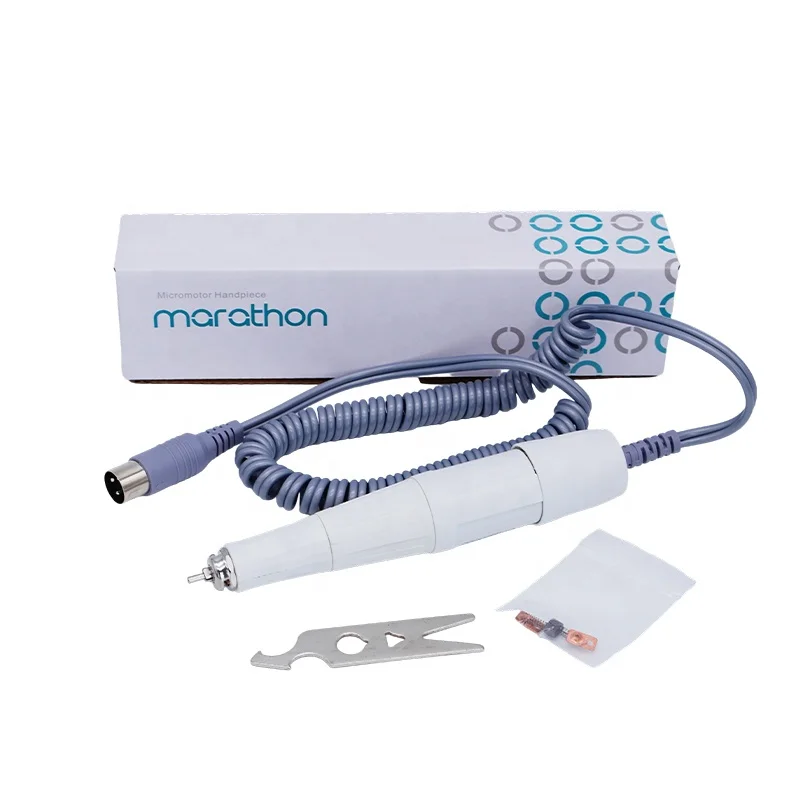
Hand-held engraving machines find applications across several industries, each requiring unique capabilities:
Jewelry Making: In the jewelry industry, these machines are used for intricate designs, adding personal touches to rings, necklaces, and bracelets. A high-speed engraving machine with fine-point bits is ideal for detailed work.
Dental Practices: Dentists utilize engraving machines for customizing dental appliances, such as crowns and bridges, ensuring precise fittings and patient satisfaction. These machines must operate at specific speeds to avoid damaging sensitive materials.
Nail Salons: In nail art, engraving machines are employed to create intricate designs on acrylic nails. A machine that offers a range of bit sizes and speeds can enhance creativity and service offerings. For example, the Custom Built-in Table Embedded Design Electric Nail Vacuum Cleaner is a great addition to any nail salon.
Industrial Applications: Many manufacturers use engraving for product marking, identification, and branding. Machines capable of deep engraving or etching are essential for durability and visibility.
Understanding the specific application helps buyers choose a machine that meets the necessary performance requirements and ensures consistent results.
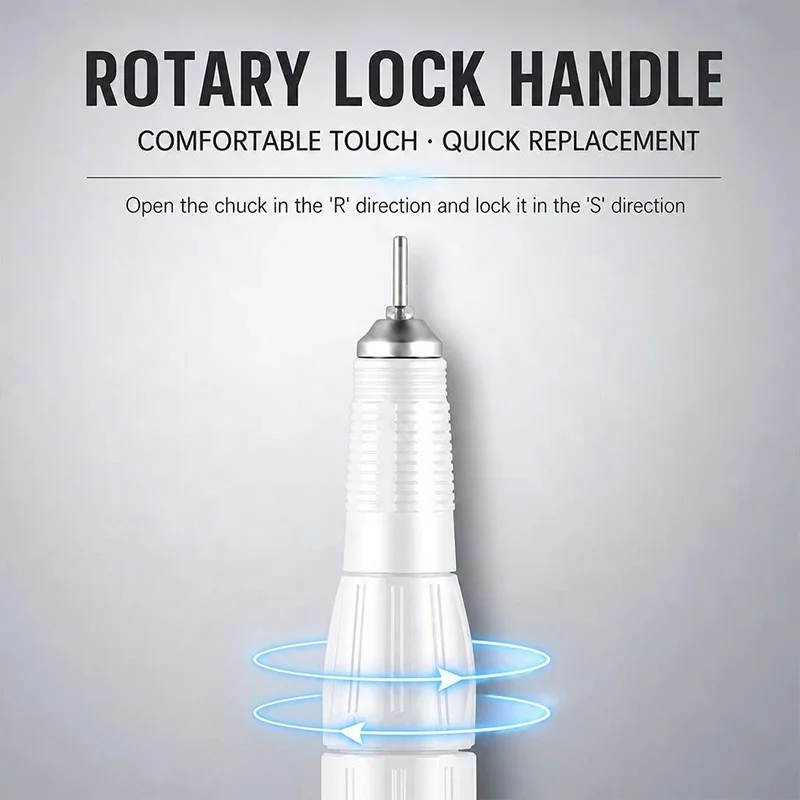
Proper installation and setup of your hand-held engraving machine significantly impact its performance and longevity. Here are key steps to ensure optimal use:
Read the Manual: Always start by reading the manufacturer's manual. It provides essential information on setup, maintenance, and safety precautions specific to your model.
Setup Environment: Ensure that your workspace is well-lit and clutter-free. A stable surface for operating the machine can prevent accidents and improve precision.
Bit Selection and Installation: Choose the appropriate engraving bit based on your material and desired depth. Install the bit securely to avoid vibrations during use, which can lead to inaccuracies.
Test Runs: Before starting on actual projects, conduct test runs on scrap materials. This practice helps familiarize yourself with the machine's operation and allows you to adjust speed and pressure settings accordingly.
Maintenance Checks: Regular maintenance, including cleaning the machine and checking for wear on bits, is vital for sustained performance. Follow the recommended maintenance schedule to prevent issues during operation.
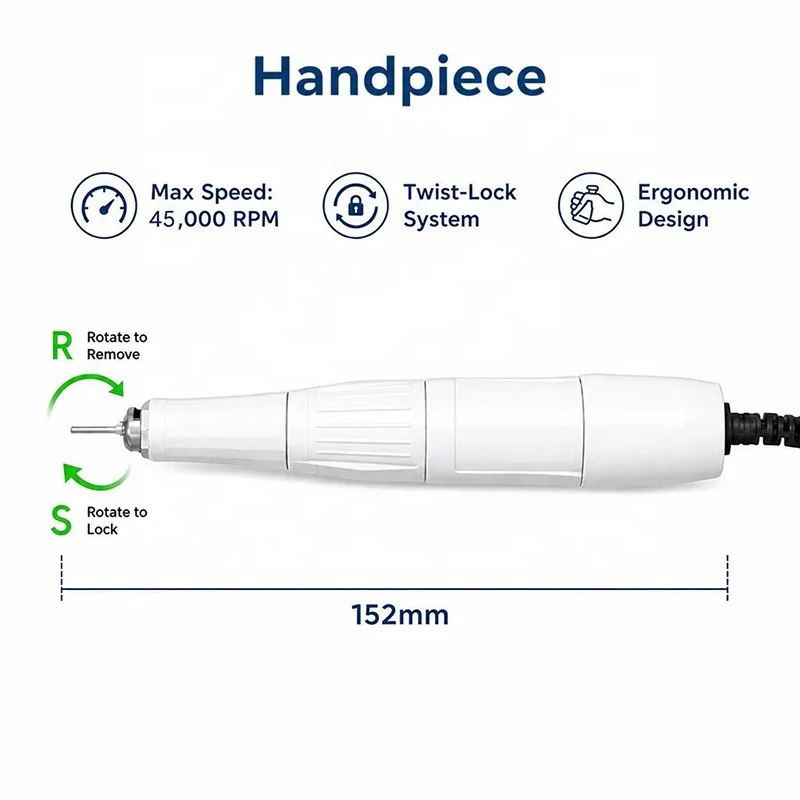
When selecting a hand-held engraving machine, considering established manufacturers is essential. Fujian Aite Precision Machinery Co., Ltd., for example, specializes in high-speed brushless electronic grinders known for their precision and durability. Their machines are designed with dual-channel control chips to ensure stable output, making them suitable for a variety of applications.
Reputable manufacturers often provide:
Warranty and Support: Look for machines that come with a warranty and responsive customer support. This assurance can mitigate risks associated with equipment failure.
Quality Control: Established brands implement rigorous quality control processes, ensuring that every machine meets industry standards for performance and reliability.
Export Experience: Companies with international export markets often adapt their machines to meet diverse regional standards, enhancing compatibility and functionality.
Customization Capabilities: Leading manufacturers may offer customization options to tailor machines to specific industry needs, aligning with your business requirements.
Even with high-quality machines, users may encounter common problems that can affect performance. Here are some issues and their solutions:
Inconsistent Engraving Depth: If the engraving depth varies, check the bit for wear and ensure it is properly installed. Adjust the speed settings as required, and ensure that the material is securely held in place.
Overheating: Overheating can cause damage to both the machine and the material being engraved. Allow the machine to cool down during long sessions, and take breaks to prevent overheating.
Vibration Issues: Excessive vibration can lead to inaccuracies. Ensure the machine is securely held and that the workspace is stable. Using a dampening mat can also help reduce vibration.
Bit Breakage: If bits frequently break, evaluate the material being engraved and the speed settings in use. Softer materials may require slower speeds, while harder materials need specialized bits that can withstand higher pressure.
Poor Finish Quality: For a finish that lacks clarity, ensure that the bit is clean and free from debris. Regularly maintaining your machine and using high-quality bits can significantly improve the finish quality.
By familiarizing yourself with these potential issues and knowing how to address them, you can enhance the efficiency and effectiveness of your engraving operations.
In summary, understanding the nuances of hand-held engraving machines can lead to improved purchasing decisions and operational efficiency. By considering application needs, installation practices, manufacturer reputation, and troubleshooting tips, B2B buyers can navigate the complexities of selecting and using these essential tools effectively.
 EN
 AR
 BG
 HR
 CS
 DA
 NL
 FI
 FR
 DE
 EL
 IT
 JA
 NO
 PL
 PT
 RU
 ES
 SV
 CA
 TL
 IW
 ID
 LV
 SR
 SK
 SL
 UK
 SQ
 ET
 GL
 MT
 FA
 MS
 GA
 CY
 BE
 MK
 KA
 BN



