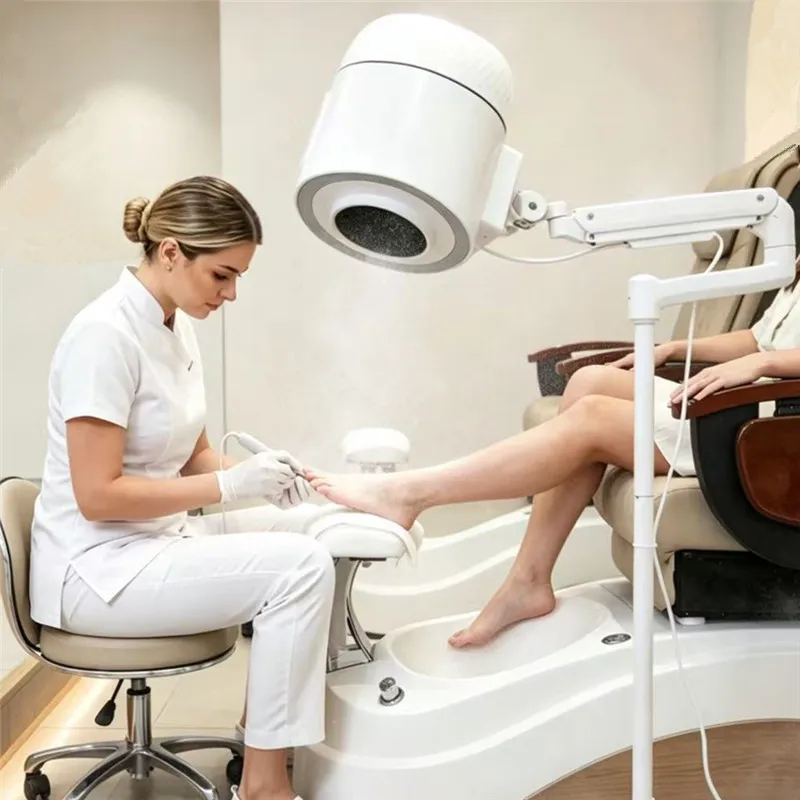
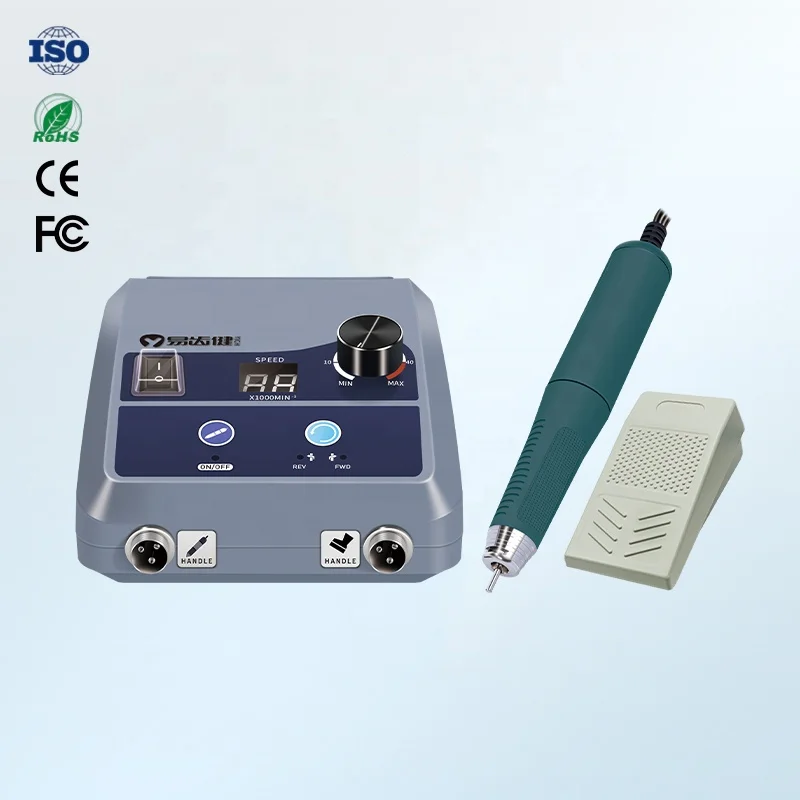
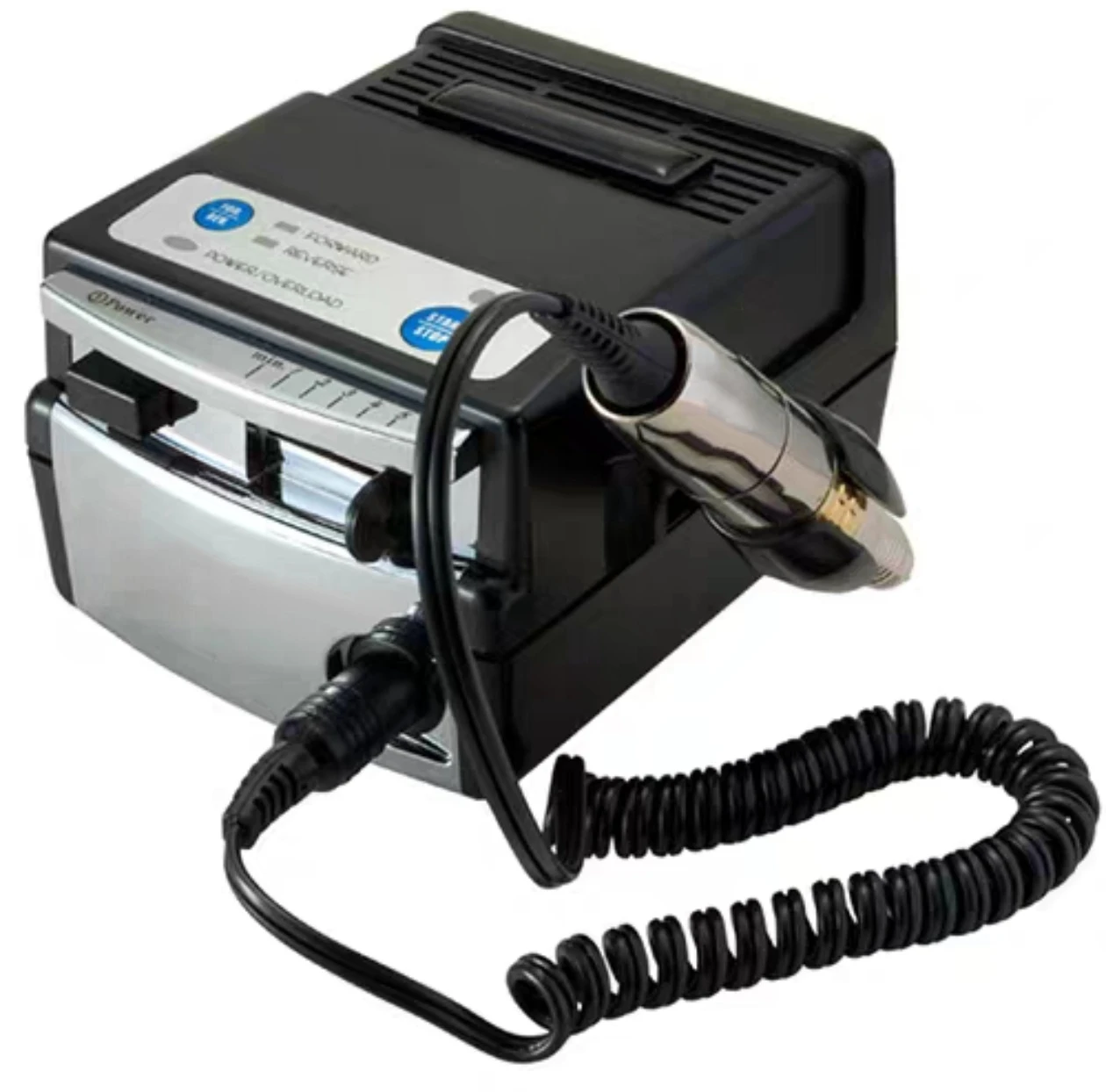
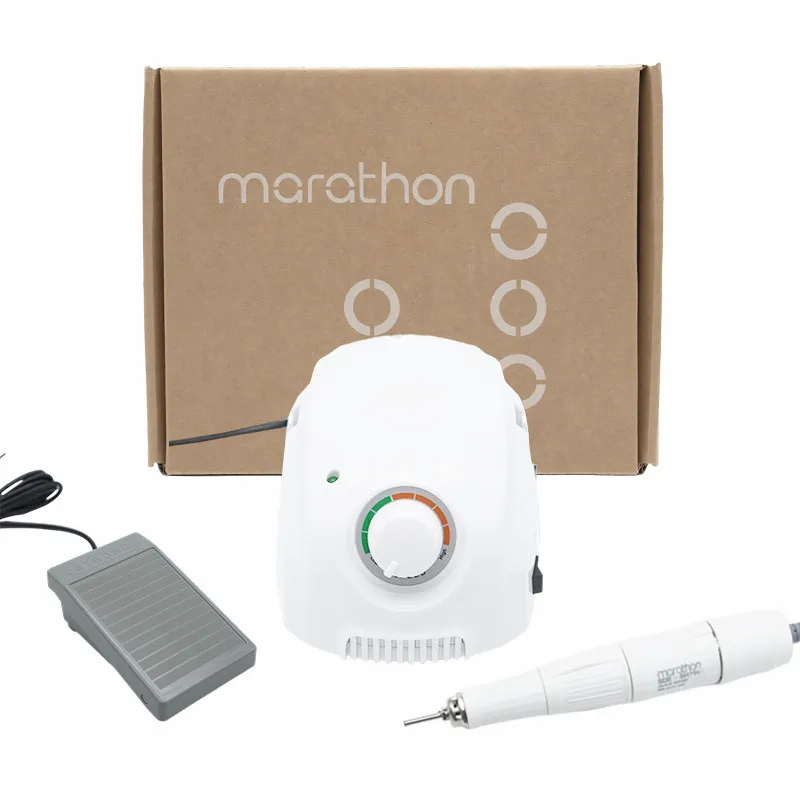
Hand engraving machines are essential tools for precision craftsmanship, particularly in industries such as jewelry making, dental applications, and beauty services. These machines enable artisans and professionals to create intricate designs and detailed engravings with accuracy and efficiency. As a B2B buyer, understanding the key specifications, quality evaluation, cost factors, and applications of hand engraving machines is crucial for making informed purchasing decisions. This article will guide you through sourcing reliable machines, evaluating their quality, and understanding their applications across various industries.
Finding a trustworthy supplier for hand engraving machines is vital for your business's success. Start by looking for manufacturers with proven experience in the industry, such as Fujian Aite Precision Machinery Co., Ltd., known for its high-speed brushless electronic grinders. Assess the supplier's reputation by checking customer reviews and testimonials. Additionally, consider reaching out to industry associations or attending trade shows to establish connections with reputable manufacturers.
When sourcing, ensure that the supplier has a well-documented quality control process and relevant certifications. This guarantees that their machines meet industry standards and can deliver consistent performance. Don't hesitate to ask for samples or demonstrations to evaluate the machine's functionality firsthand before making a bulk order. For instance, consider models like the ODM Professional 90W High Power Brushless Metal Vacuum Cleaner which showcases quality engineering.
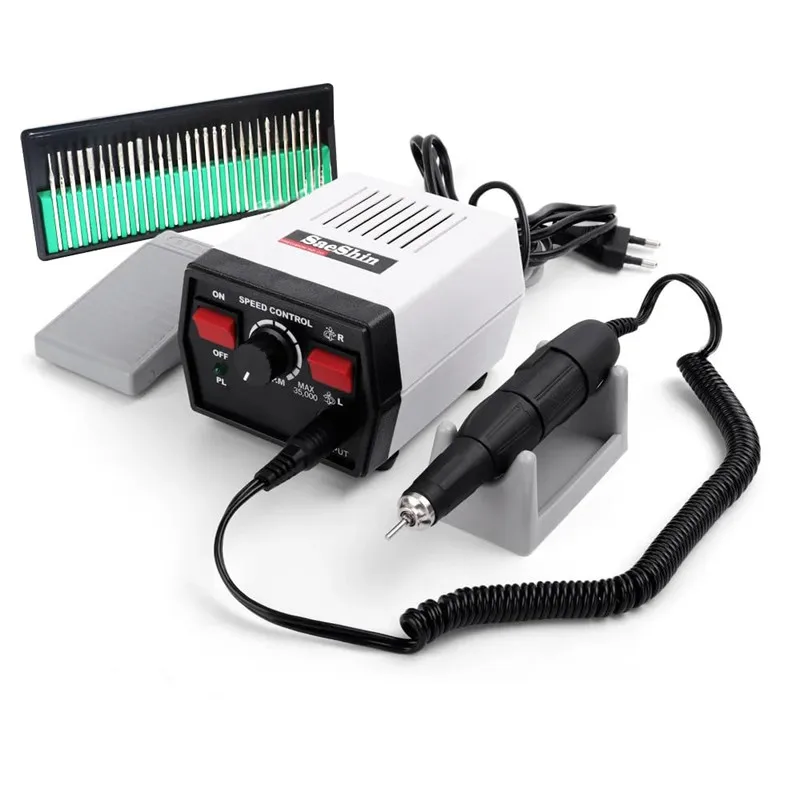
Understanding key specifications is essential when evaluating hand engraving machines. Here are some crucial factors to consider:
Power and Speed: The performance of a hand engraving machine is often determined by its motor power and speed settings. Machines with higher RPM (revolutions per minute) can offer faster engraving, yet it's essential to balance speed with precision, especially for intricate designs.
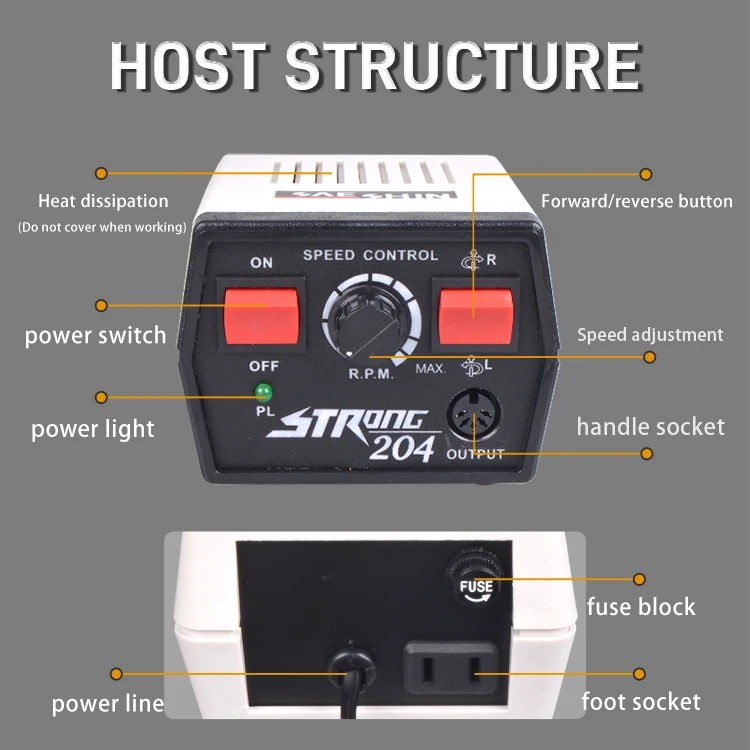
Control Features: Look for machines equipped with dual-channel control chips, which provide stable output and precise control over the engraving process. This feature is particularly beneficial when working with various materials, ensuring consistency across different applications.
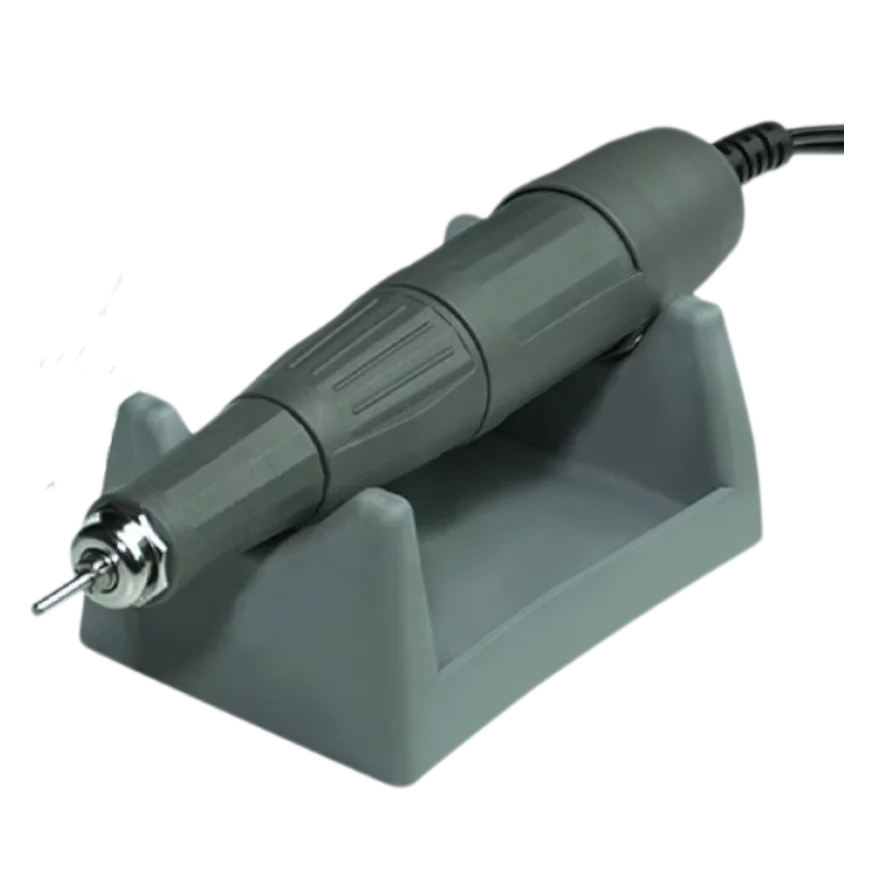
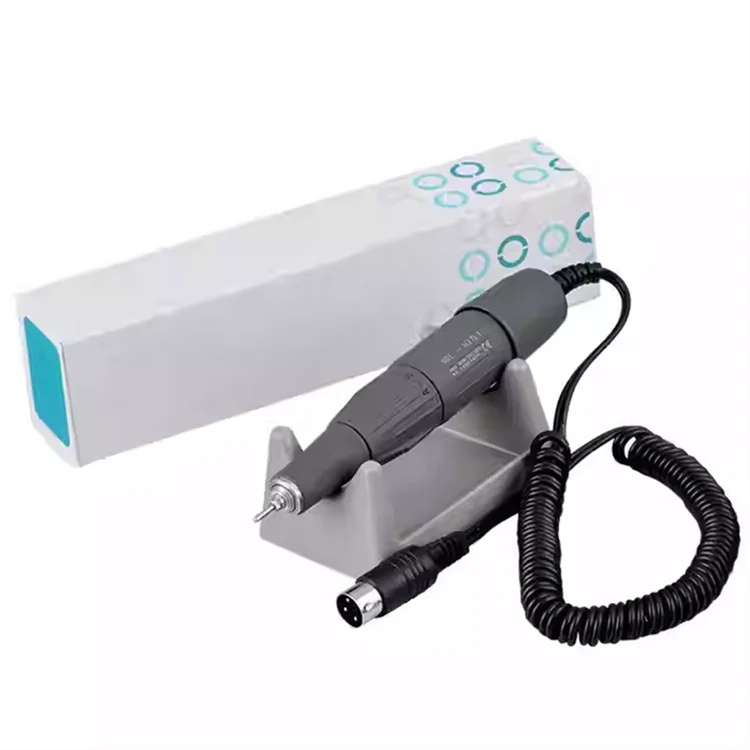
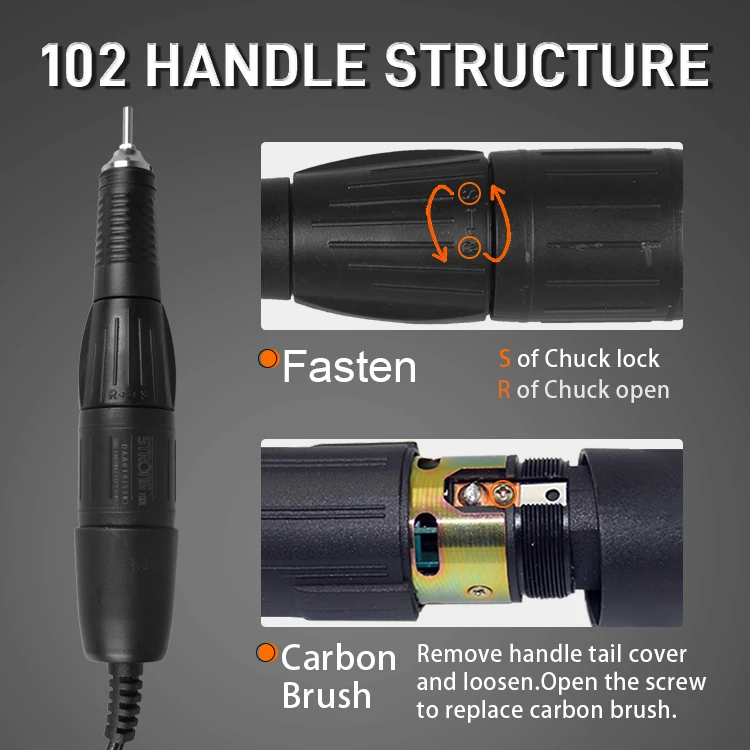
Compatibility with Accessories: Ensure that the machine is compatible with various engraving tips and accessories. This flexibility allows you to adapt the machine for different projects, whether for jewelry, dental work, or nail art. For example, the STRONG 204 102L Brushed Micromotor is a versatile option for nail art tasks.
Ergonomics and Design: A comfortable design enhances productivity. Look for machines that are lightweight and ergonomically designed, reducing operator fatigue during extended use.
By assessing these specifications, you can select a hand engraving machine that meets your specific requirements and enhances your operational efficiency.
Quality evaluation is crucial to ensure that the hand engraving machine you choose meets your operational needs. Here are steps to effectively evaluate the quality:
Sample Testing: Always request a sample before placing a bulk order. Test the machine under real operating conditions to assess its performance, including engraving quality and ease of use.
Material Compatibility: Verify that the machine can efficiently handle the materials you intend to work with. Different materials, whether metal, plastic, or wood, may require different engraving techniques and settings.
Durability and Build Quality: Inspect the machine's construction materials. High-quality machines should be built from durable materials that withstand heavy usage without compromising performance.
Warranty and Support: A good supplier should offer a warranty and responsive customer support. This ensures that you can get assistance in case of technical issues or defects.
User Reviews: Research user reviews and feedback from other businesses that have purchased the same model. This can provide insights into long-term performance and reliability.
By following these evaluation steps, you can ensure that your investment in a hand engraving machine will yield positive returns.
The cost of hand engraving machines can vary significantly based on several factors. Understanding these cost components will help you budget effectively:
Machine Specifications: Higher-end models with advanced features, such as dual-channel control and enhanced speed settings, typically come with a higher price tag. Consider your specific needs and the functionality required for your operations.
Quantity Ordered: Many suppliers offer discounts for bulk orders. The more machines you purchase, the lower the unit price may become. It’s advisable to inquire about bulk pricing structures.
Customization Options: If you require customized machines tailored to specific applications, be prepared for additional costs. Customization may involve modifying the machine’s features or providing tailored accessories.
Shipping and Handling: Factor in shipping costs, especially if you are sourcing from international suppliers. These costs can add up and should be included in your overall budget.
Import Duties and Taxes: If importing machines, be aware of any customs duties or taxes that may apply, as these can significantly impact total expenditure.
Understanding these cost factors will empower you to make informed decisions and negotiate better terms with suppliers.
Hand engraving machines have diverse applications across several industries. Here are some key areas where these machines are utilized:
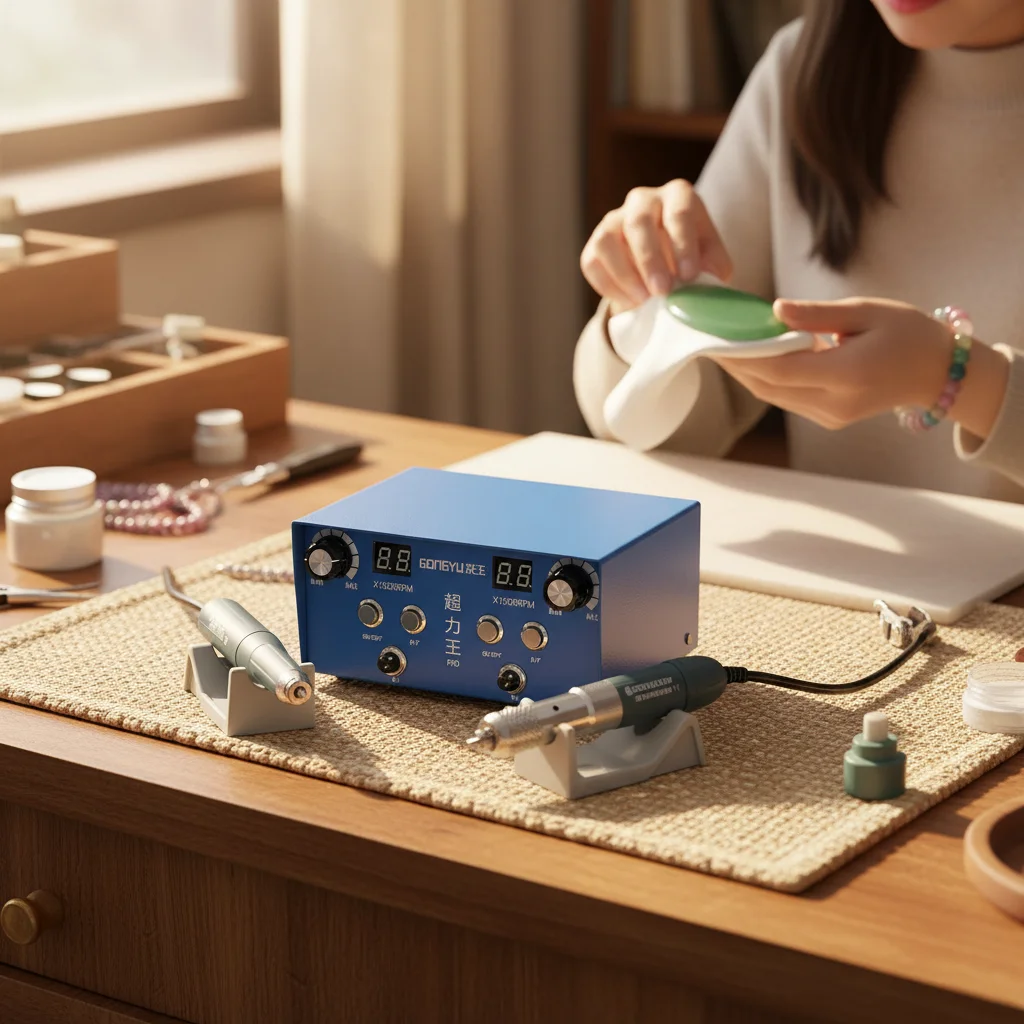
Jewelry Making: In the jewelry industry, precision engraving enhances the aesthetic appeal of pieces. Hand engraving machines allow artisans to create detailed designs on metal, adding personalized touches to jewelry items.
Dental Applications: Dentists utilize engraving machines to create custom dental devices and surgical tools. The ability to engrave intricate designs ensures that dental appliances fit perfectly and function effectively.
Nail Salons: In the beauty industry, hand engraving machines are used for nail art, allowing technicians to create unique designs and patterns on nails, enhancing the overall customer experience. A suitable choice for this application could be the Professional Glazing Manicure Nail Drill.
Manufacturing and Prototyping: In industrial applications, these machines can be used for creating prototypes or marking components with essential identifiers, streamlining production processes.
Awards and Recognition: Many businesses use engraving machines to personalize trophies, plaques, and awards, making them ideal for corporate gifting and recognition events.
Understanding these applications will help you identify how hand engraving machines can add value to your specific business operations, ensuring that you choose a model that aligns with your intended use.
 EN
 AR
 BG
 HR
 CS
 DA
 NL
 FI
 FR
 DE
 EL
 IT
 JA
 NO
 PL
 PT
 RU
 ES
 SV
 CA
 TL
 IW
 ID
 LV
 SR
 SK
 SL
 UK
 SQ
 ET
 GL
 MT
 FA
 MS
 GA
 CY
 BE
 MK
 KA
 BN