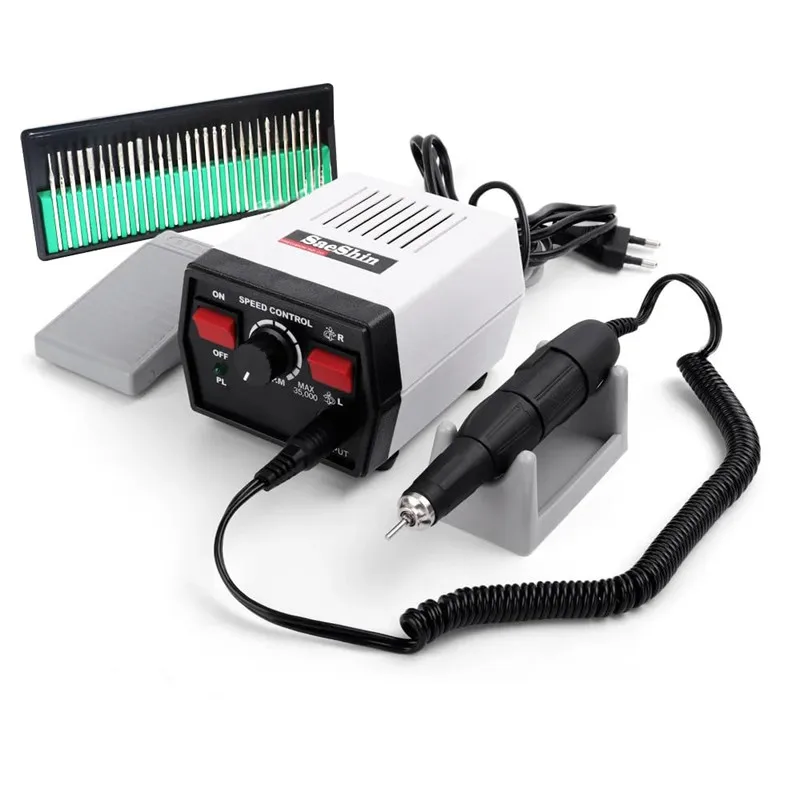
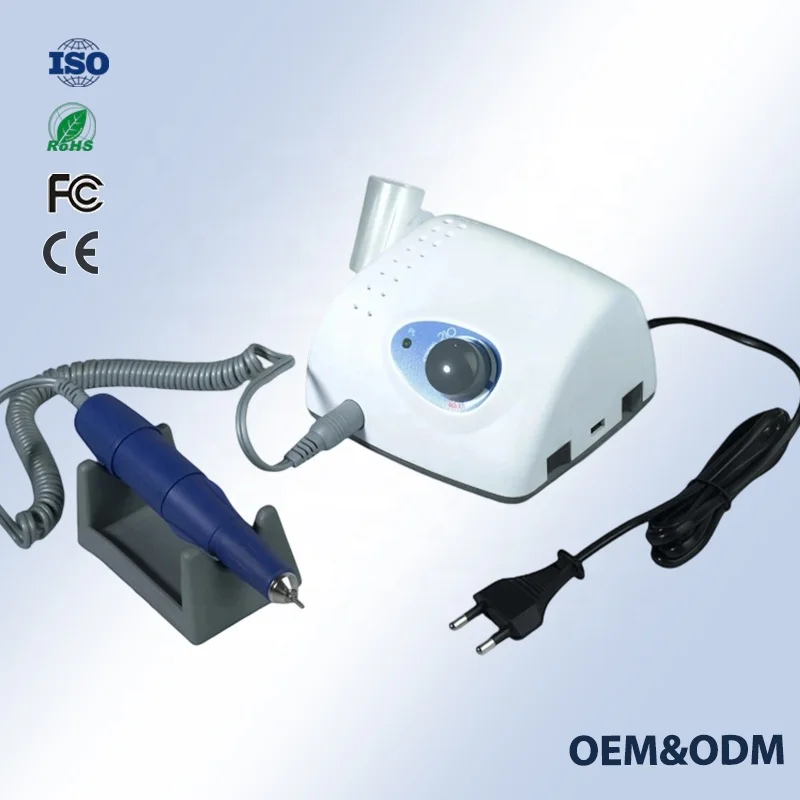
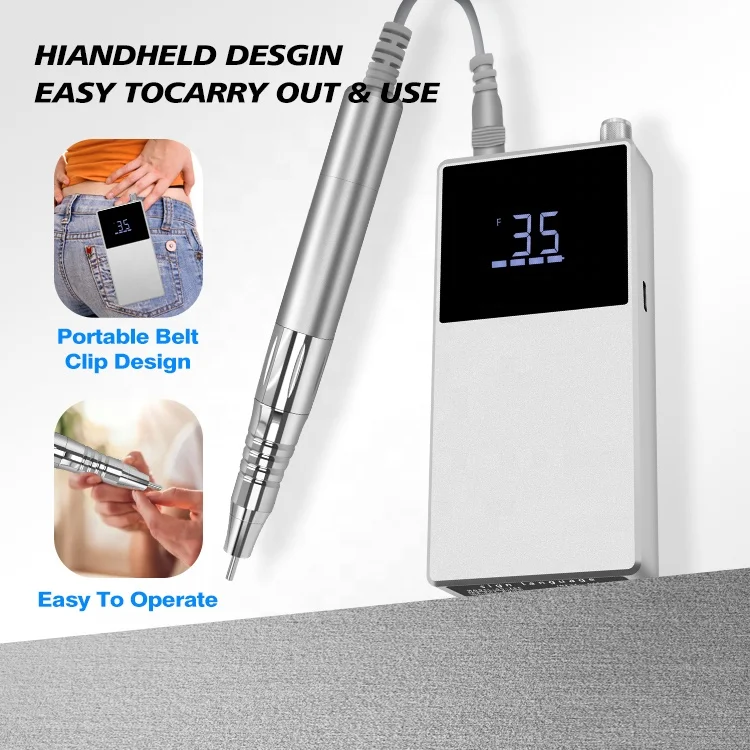
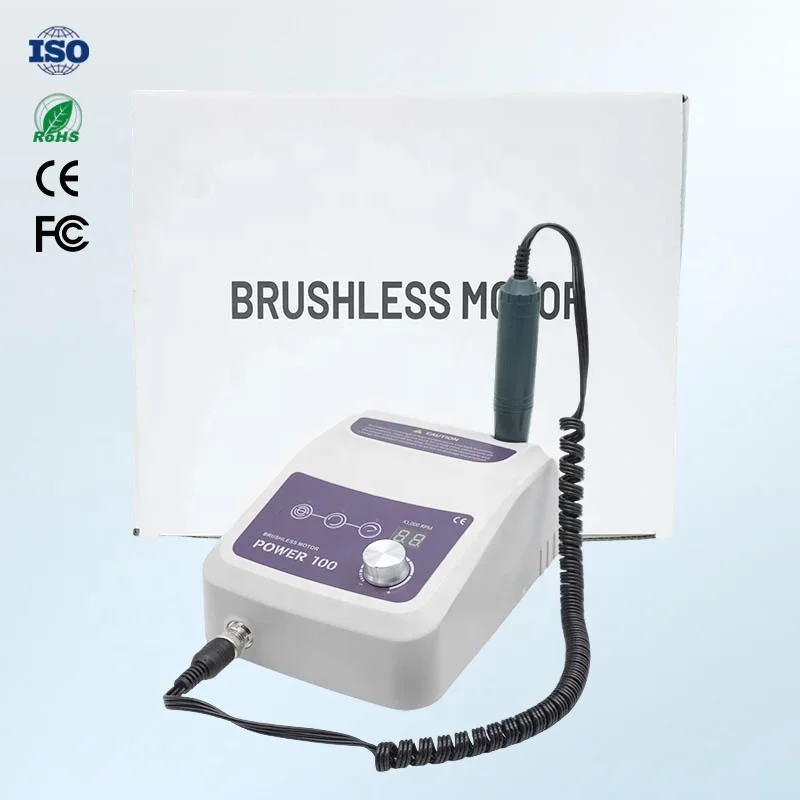
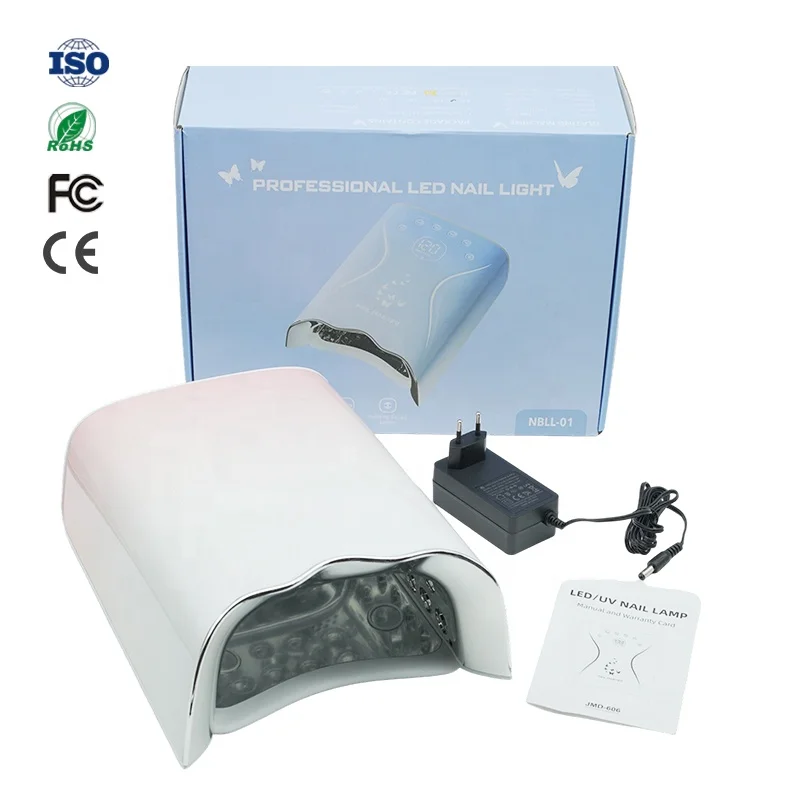
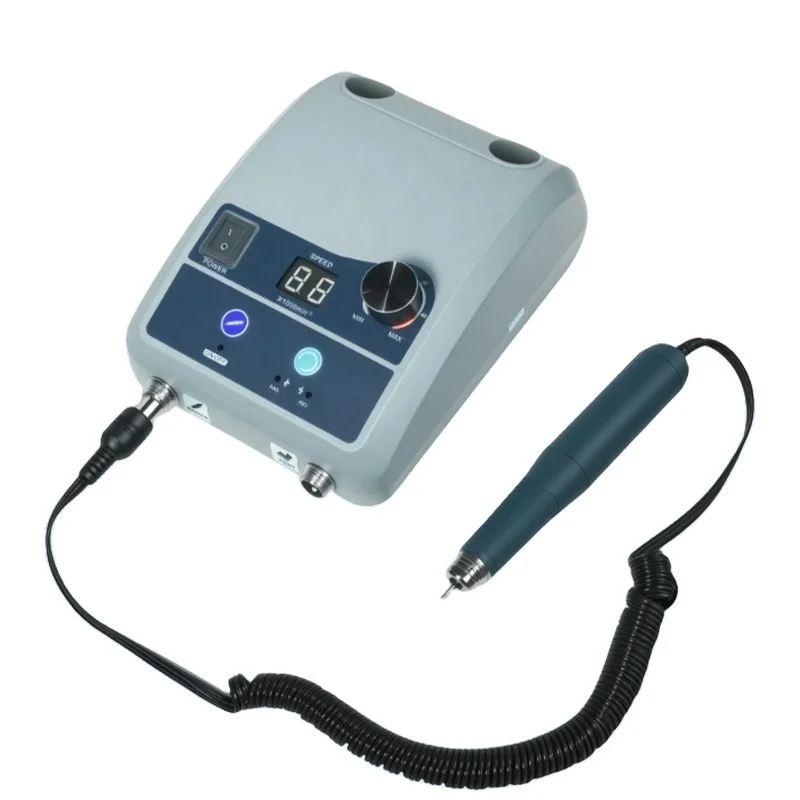
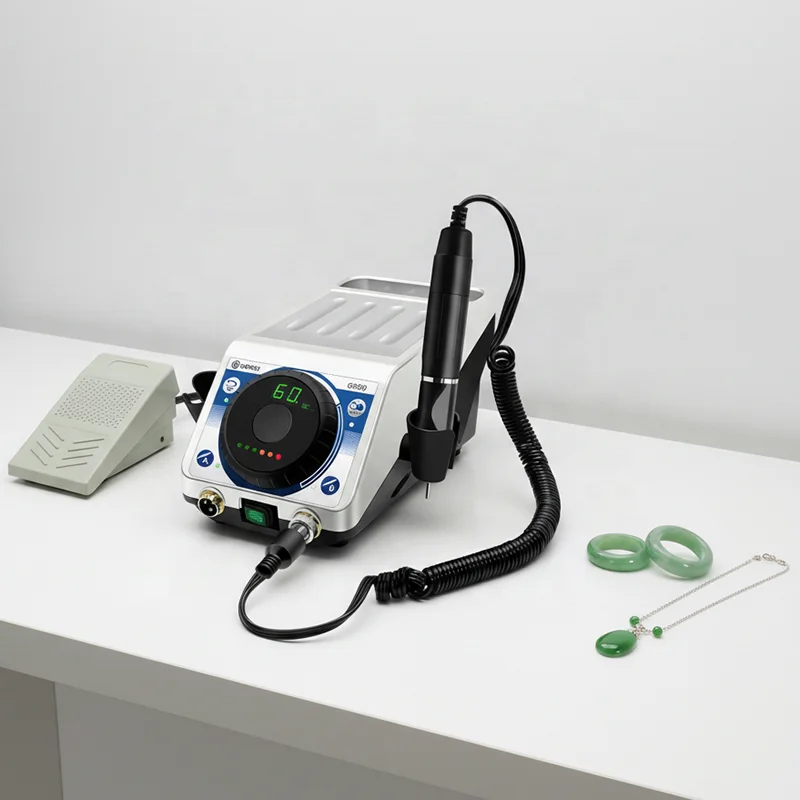
Handheld engravers are versatile tools used across various industries for marking, engraving, and personalizing materials. In the manufacturing sector, these tools are crucial for tasks ranging from creating intricate designs on jewelry to labeling dental equipment and enhancing beauty products in nail salons. For B2B buyers, the primary concerns often revolve around product quality, usability, and cost-effectiveness. This article will guide you through sourcing reliable handheld engravers, key considerations for making a purchase, cost factors for bulk orders, a systematic approach for acquisition, and the essential features and benefits to assess.
When sourcing handheld engravers, consider reaching out to established manufacturers like Fujian Aite Precision Machinery Co., Ltd. that specialize in high-speed brushless electronic grinders. These manufacturers often provide comprehensive product lines and have extensive experience in producing core components. Be sure to check their export markets and customer testimonials for credibility. Additionally, attending industry trade shows or exploring online B2B marketplaces can help you connect with reputable suppliers. Prioritize manufacturers that offer customization options and have robust quality control processes to ensure the reliability of the products. For example, you might find various Spare Parts that are essential for maintaining the engravers.
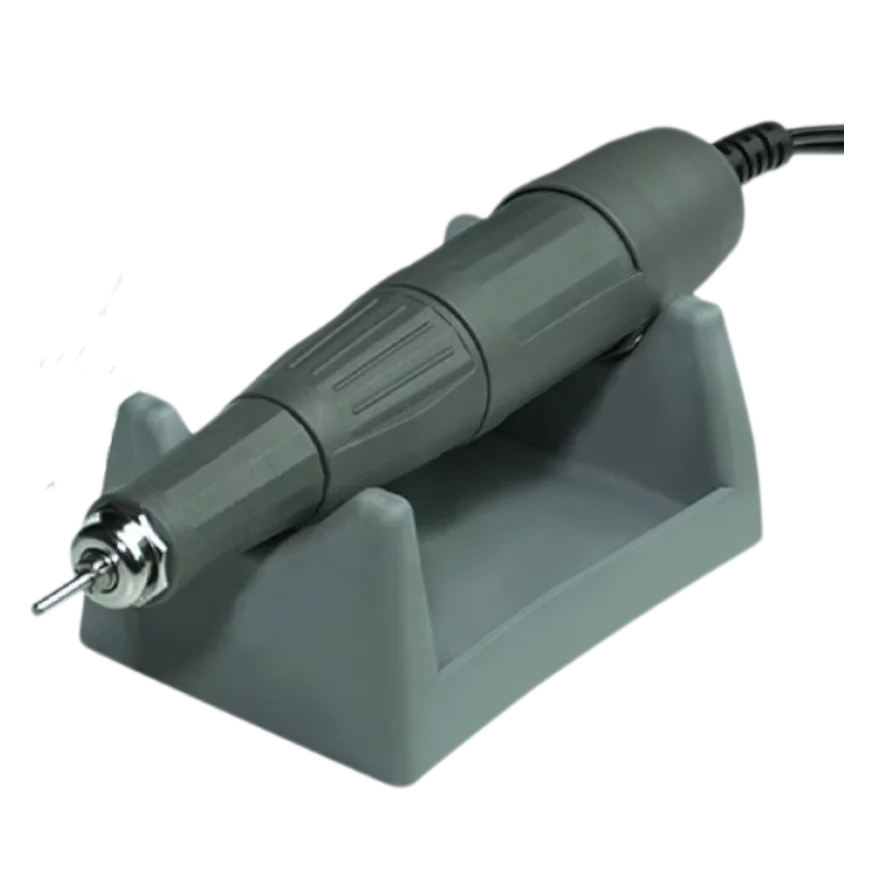
Before purchasing handheld engravers, evaluate several critical factors. First, consider the technical specifications, such as motor speed, power output, and compatibility with various materials. A dual-channel control chip can enhance stability and precision, which is particularly beneficial in applications requiring fine detail, like jewelry engraving.
Next, assess the ergonomics of the tool. Handheld engravers should be lightweight and designed for ease of use to minimize operator fatigue during extended use. Additionally, consider the warranty and support services offered by the manufacturer. A strong warranty can indicate confidence in product durability, while responsive customer support can assist with any post-purchase inquiries.
Lastly, determine the specific applications within your business. Different industries may require distinct features, such as variable speed settings for delicate work or robust construction for heavy-duty tasks. Tailoring your selection to your operational needs will enhance overall efficiency and productivity.
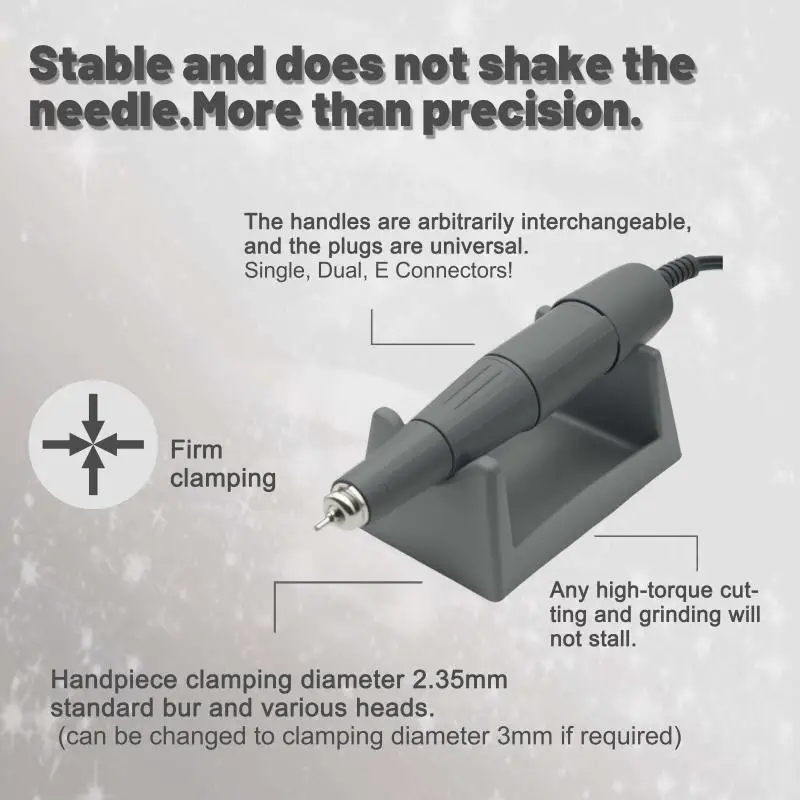
Pricing for handheld engravers can vary significantly based on several factors. Bulk orders often come with discounts, but the initial price is influenced by the complexity of the engraver’s design, the materials used, and any customization options required. For example, engravers designed with advanced technology, such as brushless motors, may have higher upfront costs but offer longer life spans and reduced maintenance needs.
In addition to the unit price, consider the total cost of ownership, which includes maintenance, potential repairs, and consumables needed for operation. It’s advisable to request a detailed quotation that outlines all costs associated with the order, including shipping and handling fees, to avoid unexpected expenses.
Understanding the minimum order quantity (MOQ) is also vital. Some manufacturers may have strict MOQs that could affect your purchasing strategy, especially if you are testing a new product line or are unsure about demand.
Define Your Requirements: Start by identifying the specific engraving tasks your business needs to perform. Consider the material types, expected production volume, and any special features required.
Research Suppliers: Look for manufacturers with a strong reputation in the engraving tools market. Read reviews, check their certifications, and verify their manufacturing capabilities.
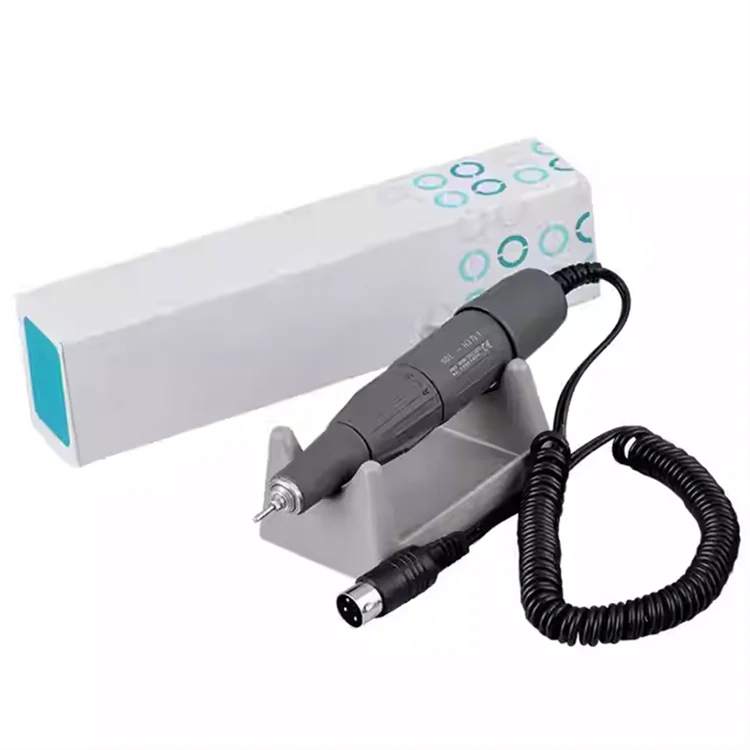
Request Samples: Before committing to a bulk order, request samples of the handheld engravers. Testing these samples in real-world conditions will help assess their performance and suitability for your applications, especially if you are considering a Nail drill machine for detailed work.
Evaluate the Offer: Analyze the pricing, warranty, and support options from various suppliers. Compare how well each potential supplier meets your quality and functionality expectations.
Finalize Your Order: Once you’ve chosen a supplier, confirm the order details, including delivery timelines and payment terms. Ensure that all specifications discussed are documented in the purchase agreement.
Quality Inspection: Upon receiving the engravers, conduct a thorough quality inspection to ensure they meet the agreed-upon specifications. This step is crucial for maintaining your production standards.
When evaluating handheld engravers, several features should be prioritized:
Power and Speed: The motor's power is directly linked to the engraving speed and material compatibility. Higher speeds are beneficial for cutting through tougher materials, while adjustable speeds can enhance precision work.
Ergonomic Design: A comfortable grip and balanced weight distribution can significantly improve user experience, especially during prolonged use.
Durability: Look for engravers made from high-quality materials that can withstand the rigors of daily use. This includes examining the casing and internal components for signs of sturdiness.
Versatility: Engravers that offer multiple attachments or settings for various applications can provide greater value, allowing for diverse use cases without the need for additional tools. For example, consider models that come with Nail dust collector attachments to keep your workspace clean.
Safety Features: Consider models equipped with safety features such as automatic shut-off or protective casings to minimize the risk of accidents during operation.
By carefully assessing these features, buyers can select handheld engravers that will enhance productivity and meet their operational needs effectively. Always remember to align your choice with the specific demands of your industry to maximize the engraver's performance and longevity.
 EN
 AR
 BG
 HR
 CS
 DA
 NL
 FI
 FR
 DE
 EL
 IT
 JA
 NO
 PL
 PT
 RU
 ES
 SV
 CA
 TL
 IW
 ID
 LV
 SR
 SK
 SL
 UK
 SQ
 ET
 GL
 MT
 FA
 MS
 GA
 CY
 BE
 MK
 KA
 BN