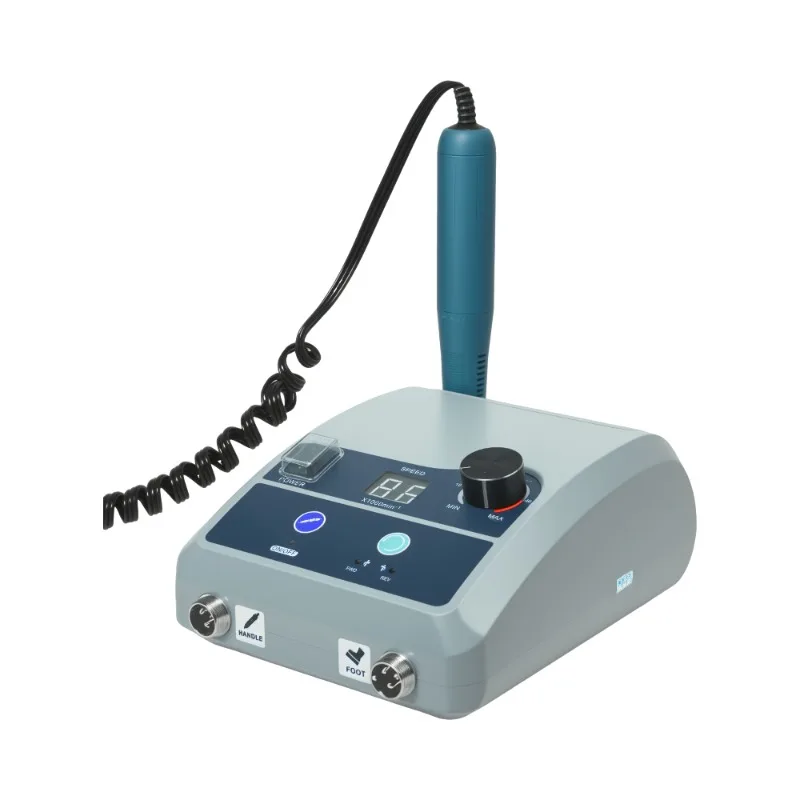
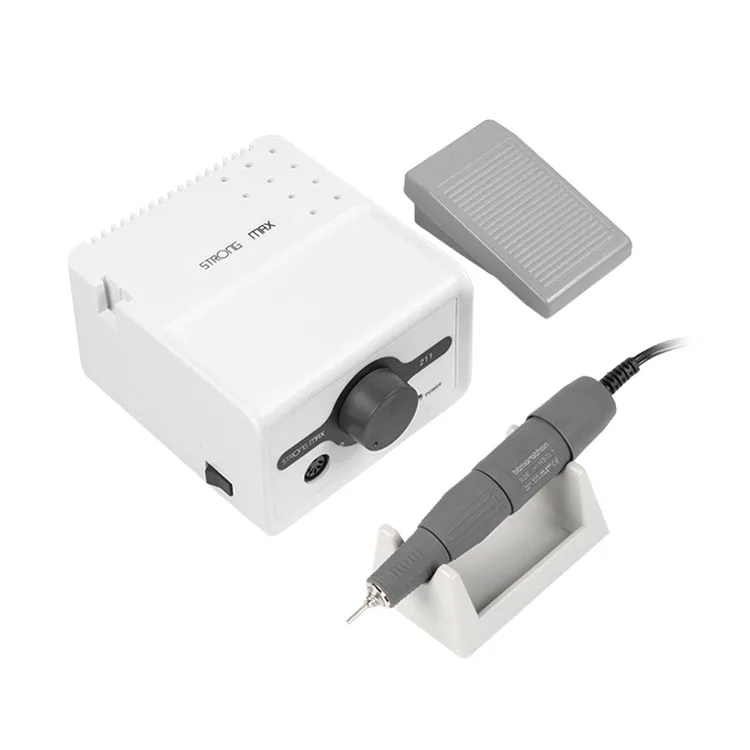
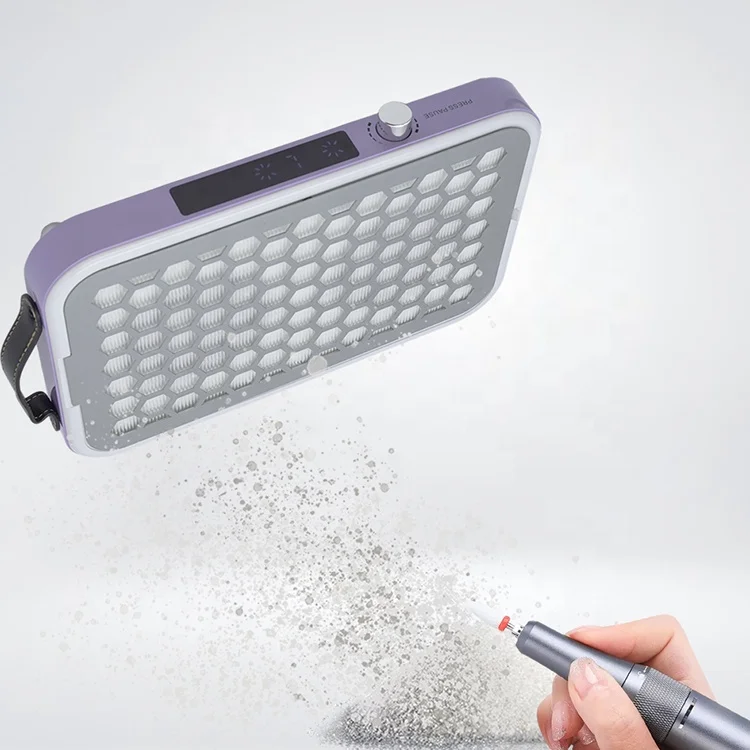
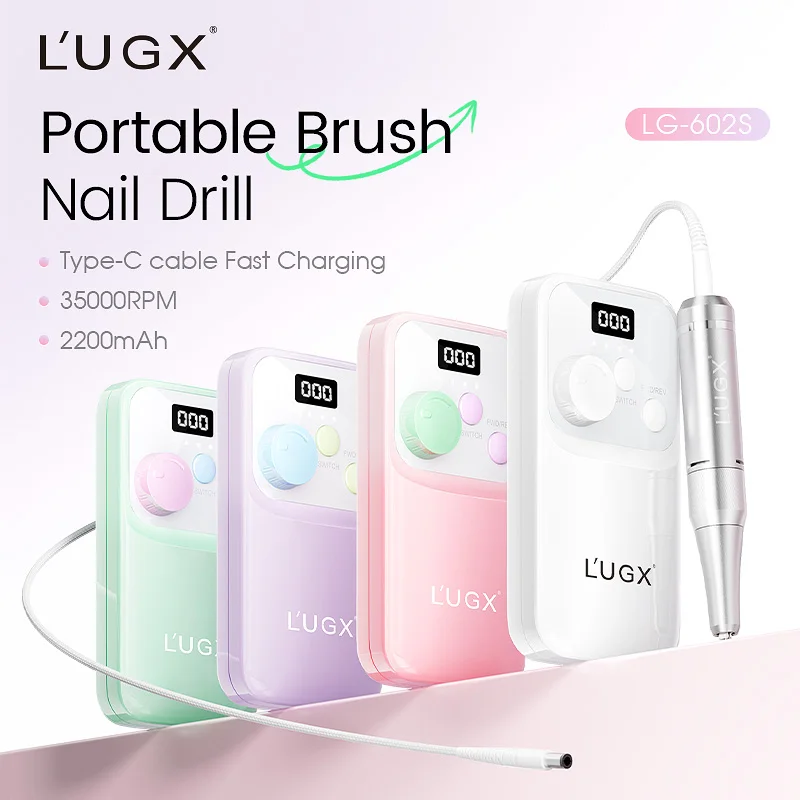
Hand engraving machines for metal offer precision, creativity, and control for various applications ranging from jewelry making to industrial marking. As a B2B buyer, you may have concerns about specifications, reliability, and sourcing options. This article will delve into the benefits of hand engraving machines for metal, key specifications to consider, where to source them for wholesale orders, cost factors involved, and common issues along with their solutions.
Hand engraving machines for metal are essential tools for artisans and manufacturers who require fine detailing and intricate designs. These machines allow for a level of precision that hand tools alone cannot achieve, making them ideal for tasks such as engraving names, logos, or intricate patterns on metal surfaces. The primary benefit of using a hand engraving machine is the enhanced efficiency and consistency it provides, reducing the time taken to complete engraving tasks while maintaining high-quality results. Furthermore, sourcing these machines from reputable suppliers, such as From alibaba, can ensure you receive high-quality equipment.
Moreover, machines designed with dual-channel control chips, like those from Fujian Aite Precision Machinery Co., Ltd., ensure stable output and reliable performance, which are critical in settings where quality is paramount. This reliability minimizes downtime and increases productivity, which is a crucial consideration for B2B buyers in competitive industries.

When selecting a hand engraving machine for metal, certain specifications are vital for ensuring that the equipment meets your engraving needs. Key specifications include:
Motor Power: The motor's power rating (usually measured in watts) impacts the machine's ability to engrave harder metals. For instance, a higher wattage typically translates to better performance on tougher materials.
Speed Settings: Adjustable speed settings allow operators to customize the engraving process based on the material and desired finish. Machines that offer a range of speeds provide greater versatility for various applications.
Bit Compatibility: The type and size of engraving bits that the machine can accommodate are crucial. Ensure the machine supports a variety of bit sizes suitable for different engraving tasks.
Weight and Ergonomics: A well-balanced machine reduces operator fatigue, especially during prolonged use. Look for ergonomic designs that facilitate ease of handling.
Control Features: Advanced control features, such as programmable settings or digital displays, enhance the user experience and allow for more complex engraving tasks.
It's important to evaluate these specifications based on your specific applications, as they can significantly affect the machine's performance and longevity.

Sourcing reliable hand engraving machines for wholesale orders involves identifying manufacturers with a proven track record. Look for companies that specialize in precision machinery, like Fujian Aite Precision Machinery Co., Ltd., known for its expertise in high-speed, brushless electronic grinders. Additionally, consider exploring Spare Parts to ensure you have everything needed for maintenance and longevity.
When evaluating suppliers, consider the following factors:
Manufacturing Capabilities: Ensure the manufacturer has the ability to produce machines that meet your required specifications and quality standards.
Certifications and Patents: Check if the company holds any industry certifications or patents, as these can indicate a commitment to quality and innovation.
Customer Support: Reliable customer support is crucial for addressing any issues that may arise post-purchase. Look for suppliers that offer comprehensive training and after-sales support.
Reviews and References: Research customer reviews and seek references from other businesses in your industry to gauge the reliability and performance of the machines.
Establishing a relationship with a reputable supplier can enhance your purchasing experience and ensure that you receive quality equipment.

The cost of hand engraving machines for metal can vary widely based on several factors. Understanding these cost factors will help you budget appropriately and avoid unexpected expenses:
Machine Features: Advanced features such as variable speed control, digital interfaces, and compatibility with various engraving bits can increase the initial purchase price.
Quality of Components: Machines built with higher-quality materials and components tend to cost more but often result in better performance and longer lifespan.
Volume Discounts: When purchasing in bulk, inquire about volume discounts or special pricing for wholesale orders, which can significantly reduce the per-unit cost.
Shipping and Handling: Consider the costs associated with shipping, including potential customs duties if importing. These can add to the overall expense.
Maintenance Costs: Factor in potential maintenance costs over the machine's lifetime. Machines requiring frequent repairs or parts replacement can become costly in the long run.
By evaluating these factors, buyers can make informed decisions that align with their budget and operational needs.
Despite their efficiency, hand engraving machines can encounter issues that may affect their performance. Knowing common problems and their solutions can mitigate disruptions in operations:
Inconsistent Engraving Depth: This can occur due to improper bit selection or machine settings. Ensure that the appropriate bit is used for the specific metal type and adjust speed settings accordingly.
Overheating: Continuous use can lead to overheating, affecting performance. To prevent this, allow the machine to cool down periodically and ensure proper ventilation.
Vibration and Noise: Excessive vibration can lead to inaccurate engravings. Check for loose components and ensure that the machine is securely mounted on a stable surface.
Software Glitches: If the machine features digital controls, software glitches can cause operational issues. Regular updates and proper maintenance of the software can help avoid these problems.
Wear and Tear on Bits: Regularly inspect engraving bits for wear. Dull bits should be replaced to maintain engraving quality and prevent damage to the machine.
By proactively addressing these issues, operators can maintain optimal performance and extend the lifespan of their hand engraving machines.
Hand engraving machines for metal are invaluable tools for precise and efficient engraving. By understanding their benefits, specifications, sourcing options, cost considerations, and common problems, B2B buyers can make informed purchasing decisions that enhance their manufacturing and creative processes.
 EN
 AR
 BG
 HR
 CS
 DA
 NL
 FI
 FR
 DE
 EL
 IT
 JA
 NO
 PL
 PT
 RU
 ES
 SV
 CA
 TL
 IW
 ID
 LV
 SR
 SK
 SL
 UK
 SQ
 ET
 GL
 MT
 FA
 MS
 GA
 CY
 BE
 MK
 KA
 BN