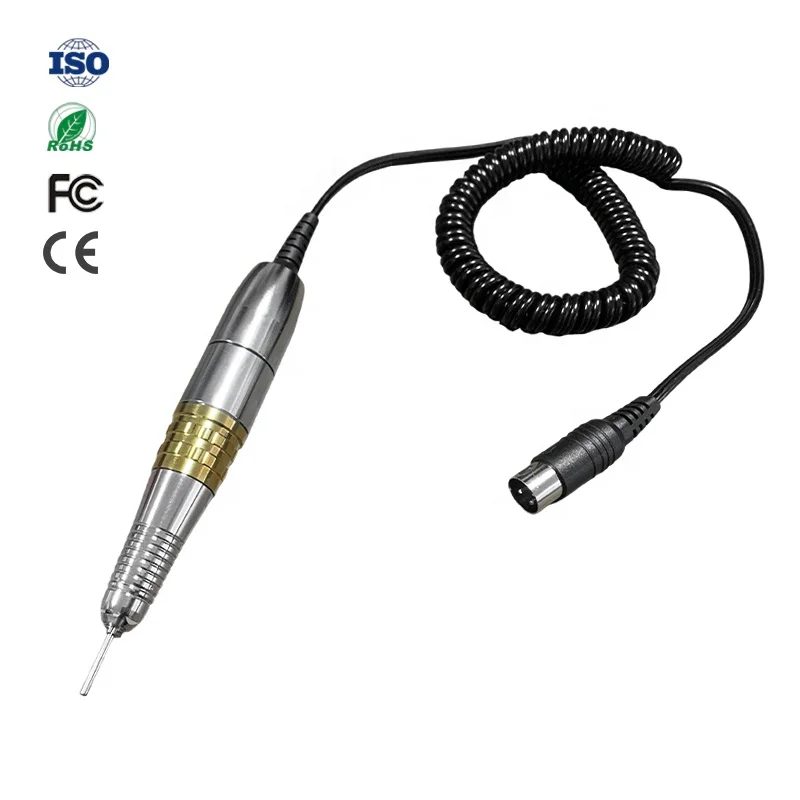
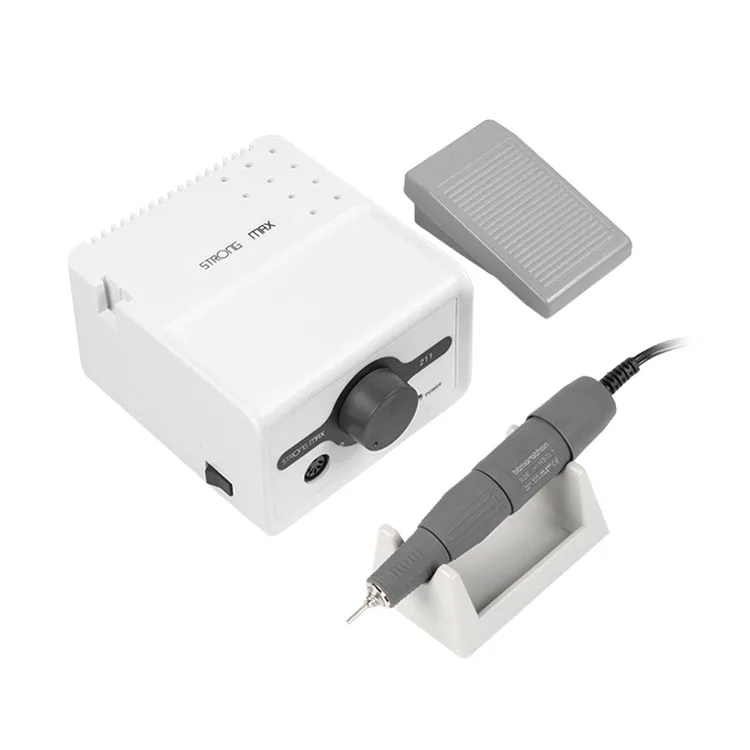
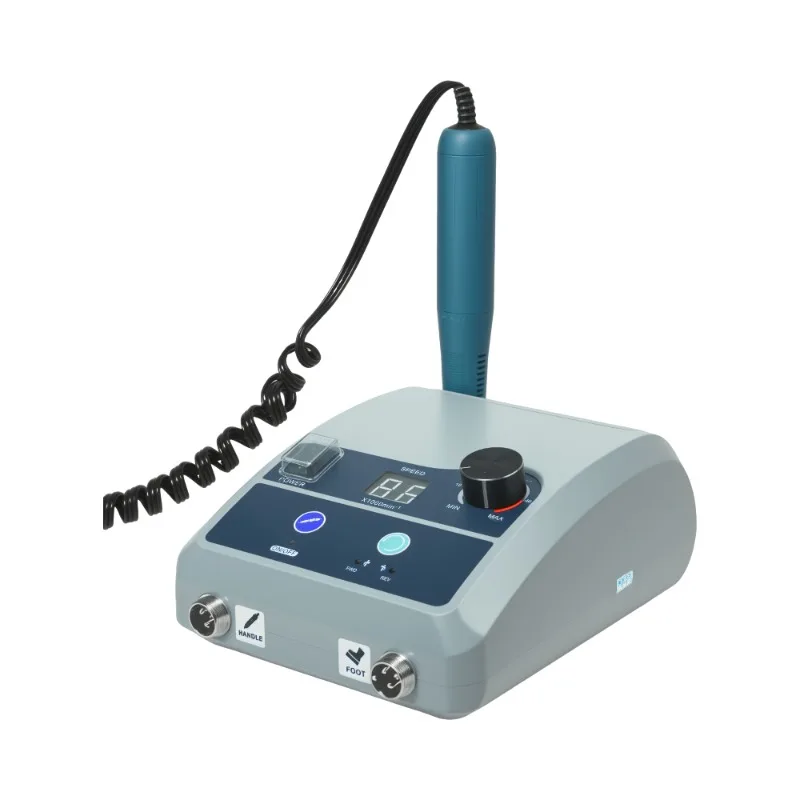
Handheld metal engravers are versatile tools essential for various industries, including jewelry, dentistry, and manufacturing. These devices allow for precise engraving on metal surfaces, making them invaluable for customizing products and enhancing aesthetic appeal. For B2B buyers, understanding the right features and specifications is crucial to ensure the selected engraver meets operational needs and quality standards. This article will guide purchasing managers and product managers through selecting the appropriate handheld metal engraver, addressing common challenges, cost considerations, and material advantages.
Selecting the right handheld metal engraver involves evaluating several factors tailored to your specific application. First, consider the engraving depth and detail required. Different applications, such as jewelry engraving versus industrial marking, may demand varying precision levels. The power of the engraver, typically measured in watts, is another critical factor. Higher wattage often translates to faster engraving speeds and the ability to work on harder metals. For example, an ODM Professional 90W High Power Brushless Metal Vacuum Cleaner can greatly assist in maintaining a clean workspace during such tasks.
Next, assess the ergonomics of the engraver. A comfortable grip and lightweight design can significantly affect usability, especially during extended periods of operation. Additionally, consider the availability of different engraving tips or bits, as interchangeable options can enhance versatility for various materials and designs. Lastly, ensure that the engraver you choose has a reliable cooling system to prevent overheating during prolonged use, which can affect performance and durability.

When evaluating handheld metal engravers, focus on the following specifications:
Motor Type: Brushless motors, like those used in products from Fujian Aite Precision Machinery Co., Ltd., offer longevity and consistent performance, reducing maintenance needs compared to brushed motors.
Speed Settings: Multiple speed settings allow for greater control over the engraving process. Adjustable speeds can cater to different metal types and engraving complexities, enhancing precision.
Power Supply: Consider whether the engraver is corded or cordless. Corded models typically provide uninterrupted power, while cordless options offer mobility, which can be advantageous in larger workspaces.
Weight and Balance: A well-balanced engraver minimizes hand fatigue and improves accuracy, especially for intricate designs.
Safety Features: Look for engravers equipped with safety features such as automatic shut-off and protective covers, which can help prevent accidents during operation.

Installing a handheld metal engraver can present several challenges, particularly for users unfamiliar with the equipment. One common issue is ensuring proper bit installation. Incorrectly installed engraving bits can lead to poor performance or damage to both the tool and the workpiece. Always refer to the manufacturer’s guidelines for correct installation procedures.
Another challenge is adjusting the engraving depth. If not set correctly, users may experience inconsistent results. A practical solution is to conduct a test run on a scrap piece of the same material before commencing actual work to fine-tune the depth settings.
Additionally, users may encounter power supply issues, particularly with cordless models. Ensuring that batteries are fully charged before use and having backup batteries on hand can mitigate interruptions. For corded models, inspect the power cord for any signs of wear or damage, which could impact performance.

The cost of handheld metal engravers can vary widely based on features, brand reputation, and additional accessories. When budgeting, consider the following factors:
Initial Purchase Price: Higher-priced models often come with advanced features, such as variable speed settings and enhanced durability. Assess your specific needs to determine if the investment is justified.
Operational Costs: Factor in the cost of replacement bits, which can add up over time, especially for high-volume applications. It's beneficial to inquire about the availability and pricing of compatible accessories, such as those provided by the STRONG 204 102L Brushed Micromotor.
Maintenance Expenses: While brushless motors require less maintenance, it's still essential to consider the potential costs associated with repairs or servicing. Understanding the manufacturer’s warranty and support can also influence long-term costs.
Training and Support: If your team requires training to operate the engraver effectively, include these costs in your budget. Some manufacturers offer training sessions or detailed manuals that can ease the learning curve.
Customization Options: If you require customized engraving solutions, be aware that these may come at an additional cost. Discuss your specific requirements with suppliers to get accurate quotes.
The design and materials used in handheld metal engravers significantly affect their performance and durability. For instance, engravers made from high-quality aluminum or reinforced plastics tend to be lighter and more durable than those made from standard plastics. This can enhance usability without compromising on strength.
Additionally, the type of engraving tip material is crucial. Carbide tips are known for their hardness and longevity, making them suitable for engraving harder metals, while diamond-tipped bits provide superior precision for fine details. Understanding the material advantages can help buyers select engravers that align with their specific applications and desired outcomes.
Moreover, the cooling system design also plays a role in material selection. Engravers with efficient heat dissipation systems can operate longer without overheating, which is especially important in high-demand environments like jewelry production or industrial settings.
By considering these factors, B2B buyers can make informed decisions when selecting handheld metal engravers to meet their operational needs and enhance productivity.
 EN
 AR
 BG
 HR
 CS
 DA
 NL
 FI
 FR
 DE
 EL
 IT
 JA
 NO
 PL
 PT
 RU
 ES
 SV
 CA
 TL
 IW
 ID
 LV
 SR
 SK
 SL
 UK
 SQ
 ET
 GL
 MT
 FA
 MS
 GA
 CY
 BE
 MK
 KA
 BN