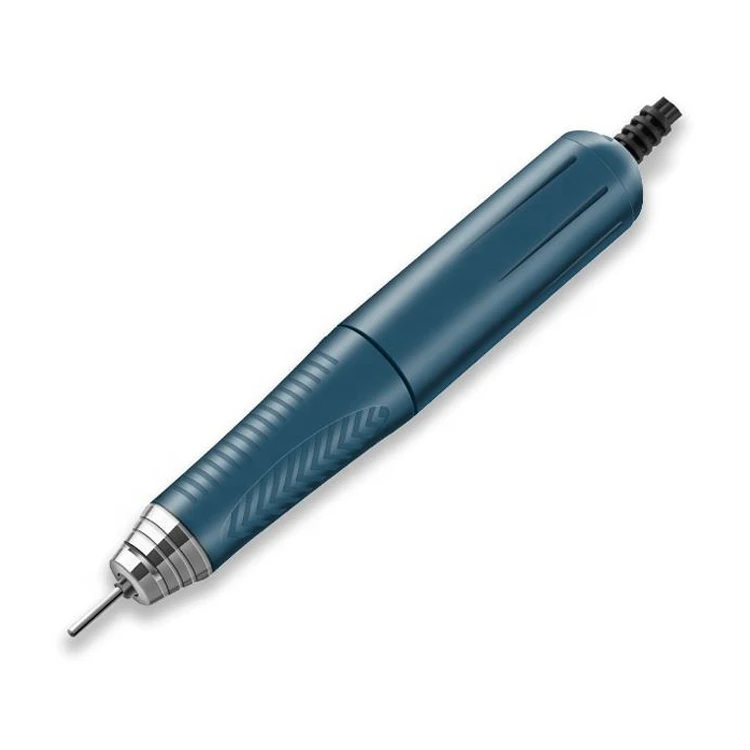
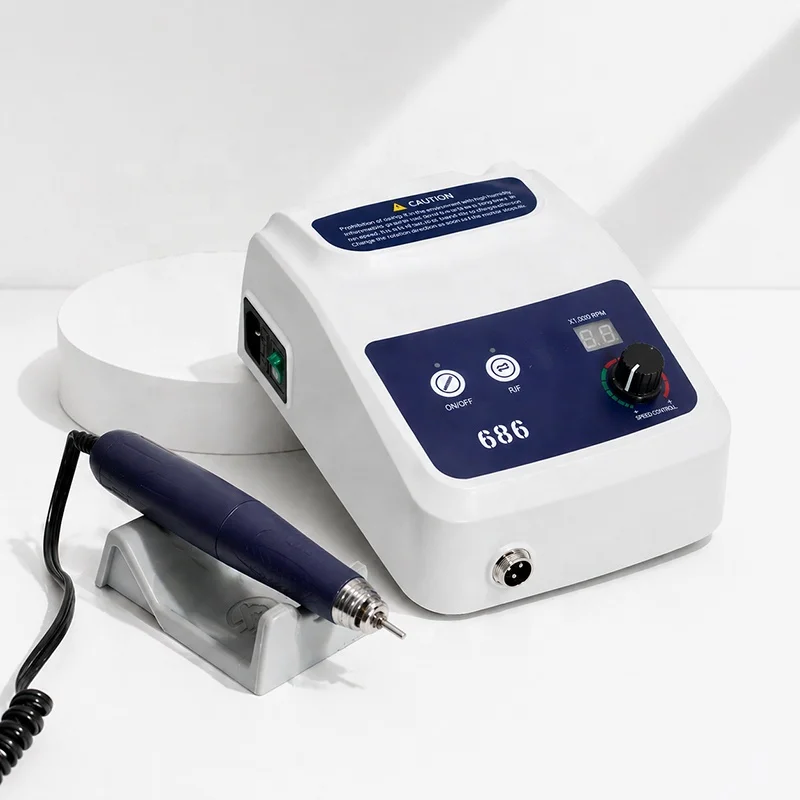
Jewelry polishing tools are essential for enhancing the appearance and longevity of jewelry pieces. These tools are used in various industries, including jewelry manufacturing, dentistry, and nail salons, to achieve a high-quality finish. When considering a purchase, B2B buyers often have concerns regarding the suitability of the tool for their specific applications, the quality of the materials, and the reliability of the supplier. This article will provide insights into selecting the right jewelry polishing tool, understanding key specifications, finding reliable suppliers, and exploring the diverse applications of these tools.
Selecting the right jewelry polishing tool involves several considerations that can impact both the quality of the finished product and the efficiency of your operations. First, assess the specific materials you will be polishing. Different materials, such as gold, silver, or gemstones, may require distinct polishing techniques and tools.
Next, consider the tool's speed and power. A high-speed brushless electronic grinder, for example, can provide a consistent finish while minimizing heat generation, which can damage certain materials. Additionally, look for tools with adjustable speed settings to accommodate various polishing tasks, from delicate surfaces to more robust applications.
Customization options are also crucial. Depending on your business's needs, you may require specific attachments or brush types. Ensure that the supplier can provide these customizations to meet your operational demands. Lastly, evaluate the manufacturer's reputation and experience in the industry, as this can significantly influence the quality and reliability of the polishing tools.

When assessing jewelry polishing tools, several key specifications should be considered:
Motor Type: Brushless motors are preferred for their durability and efficiency. They provide stable output and longer service life compared to brushed motors.
Adjustable Speed Range: Look for tools with variable speed settings, typically ranging from 5,000 to 30,000 RPM. This versatility allows users to choose the optimal speed for different materials and tasks.
Ergonomics: The design should prioritize user comfort, particularly during extended use. Features such as a lightweight body, comfortable grip, and balanced weight distribution can enhance usability.
Safety Features: Ensure the tool includes safety mechanisms, such as overload protection and emergency shut-off features, to prevent accidents during operation.
Compatibility with Accessories: The tool should be compatible with various polishing attachments and brushes to allow for diverse applications.
Certification and Warranty: Check for certifications that indicate adherence to industry standards. A robust warranty can also provide reassurance about the product's quality.
Understanding these specifications will help you select a polishing tool that meets your operational requirements and maintains high-quality standards.

Finding reliable suppliers for jewelry polishing tools involves a combination of research and assessment. Start by identifying manufacturers with a solid reputation in the industry. Look for companies that specialize in high-speed brushless electronic grinders and have experience with jewelry and similar applications.
Trade shows and industry exhibitions are excellent venues for discovering potential suppliers. They provide opportunities to see products in action, ask questions, and establish direct relationships with manufacturers. Additionally, online marketplaces and industry-specific directories can help you compile a list of suppliers.
When evaluating suppliers, consider their production capabilities, quality control processes, and customer service. Requesting samples before making a bulk order is crucial, as it allows you to assess the tool's performance firsthand. Finally, inquire about their customization options, lead times, and minimum order quantities (MOQs) to ensure they align with your business needs.
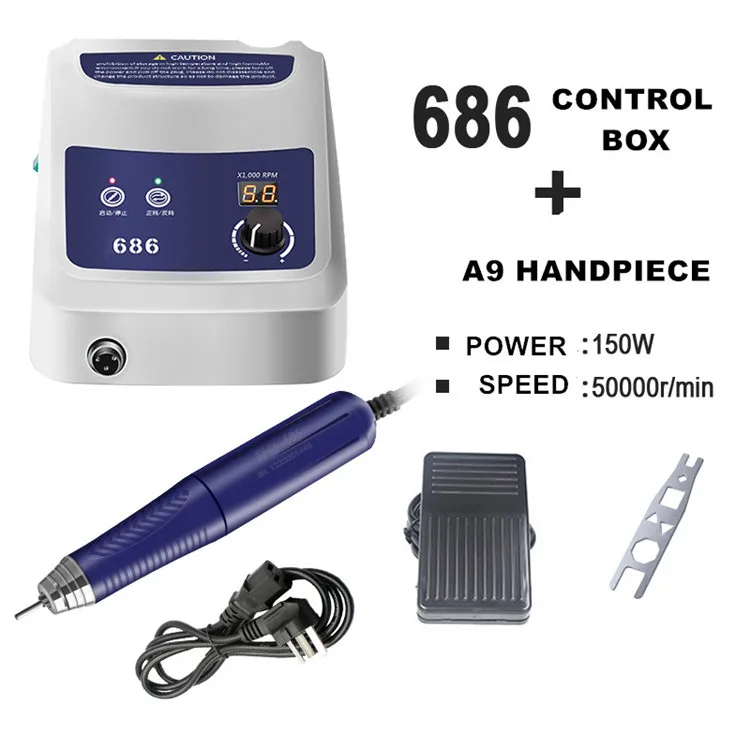
Jewelry polishing tools offer several features that contribute to their effectiveness in achieving a polished finish. The inclusion of dual-channel control chips in advanced models allows for precise speed control, which is essential for different polishing tasks. This feature ensures that users can adapt the tool's performance to the specific requirements of the materials being polished.
Moreover, the ergonomic design enhances user comfort, reducing fatigue during prolonged use. This is particularly beneficial in environments where operators are engaged in repetitive tasks, such as jewelry manufacturing or repair.
The benefits of high-quality polishing tools extend beyond just aesthetics. Properly polished jewelry not only looks better but is also less prone to tarnishing and wear. This can lead to increased customer satisfaction and repeat business, as well-maintained jewelry retains its value and appeal.
Additionally, tools designed with safety features help prevent accidents, ensuring a safer working environment for operators. Ultimately, investing in high-quality jewelry polishing tools can improve productivity, enhance product quality, and contribute to long-term business success.
Jewelry polishing tools find applications across various industries, each with unique requirements and challenges. In the jewelry manufacturing sector, these tools are used to achieve a flawless finish on rings, necklaces, and other accessories. The ability to adjust speed and choose specific attachments is crucial for handling different materials and designs.
In the dental industry, polishing tools are employed for dental restorations and prosthetics. Here, precision is paramount, as the surface finish can impact the performance and aesthetics of dental products. Similar tools are also utilized in nail salons, where they help in creating smooth finishes on artificial nails.
Understanding the specific application requirements can guide buyers in selecting tools that are not only effective but also tailored to their industry needs. As such, buyers should consider the intended application when discussing specifications and customizations with suppliers, ensuring that the tools are fit for purpose.
By thoroughly researching and understanding the various facets of jewelry polishing tools, B2B buyers can make informed decisions that enhance their operations and product offerings.
 EN
 AR
 BG
 HR
 CS
 DA
 NL
 FI
 FR
 DE
 EL
 IT
 JA
 NO
 PL
 PT
 RU
 ES
 SV
 CA
 TL
 IW
 ID
 LV
 SR
 SK
 SL
 UK
 SQ
 ET
 GL
 MT
 FA
 MS
 GA
 CY
 BE
 MK
 KA
 BN