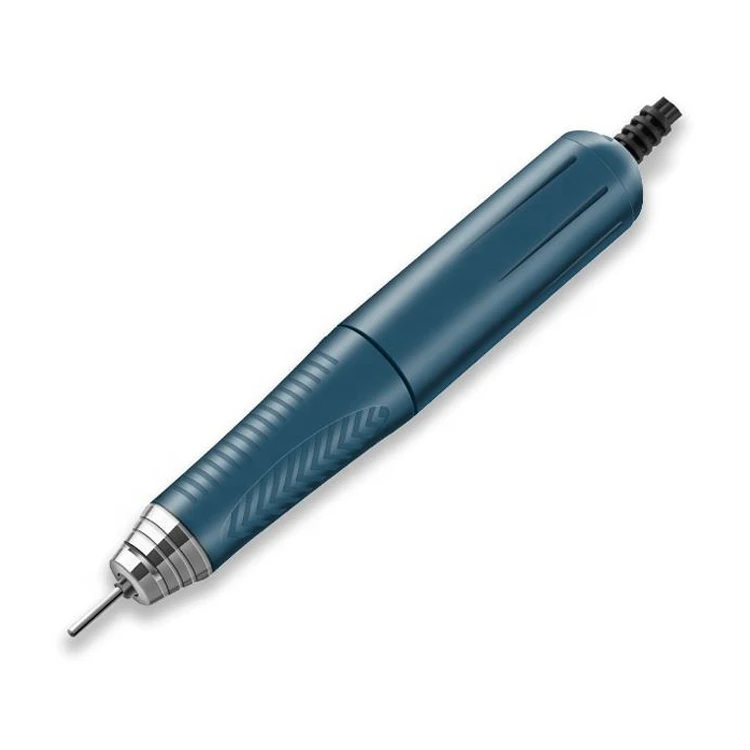
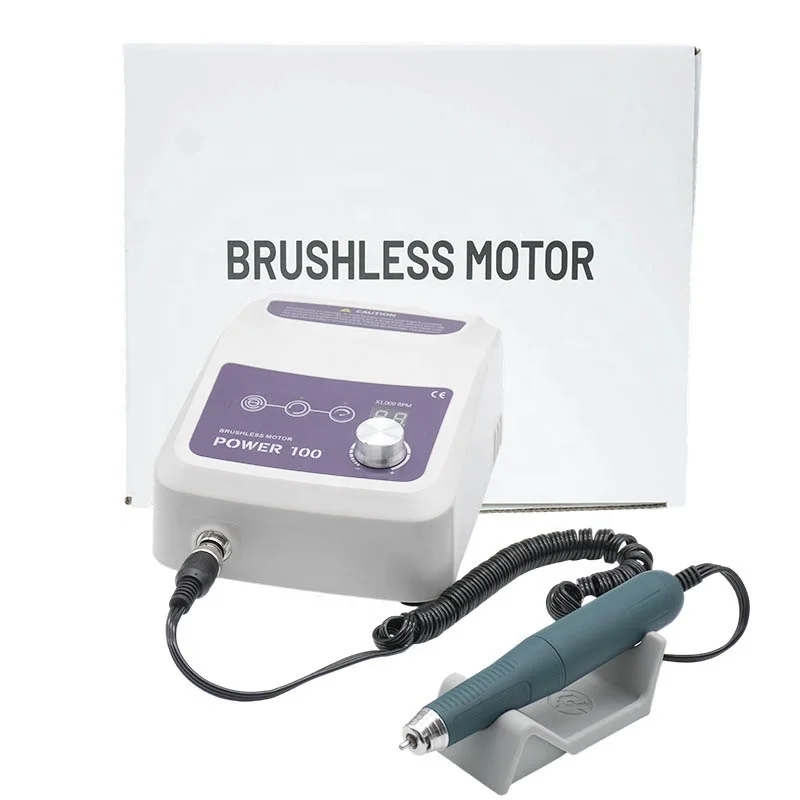
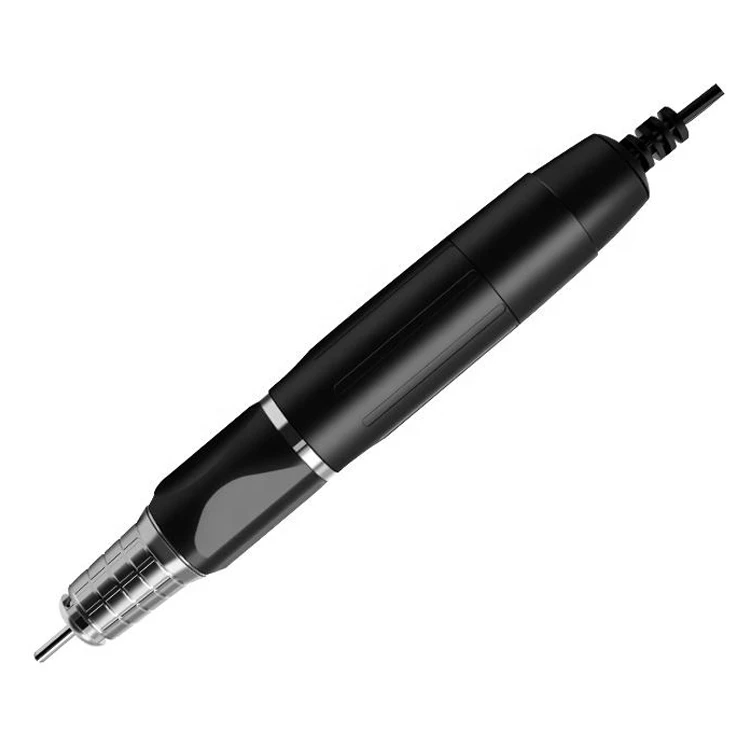
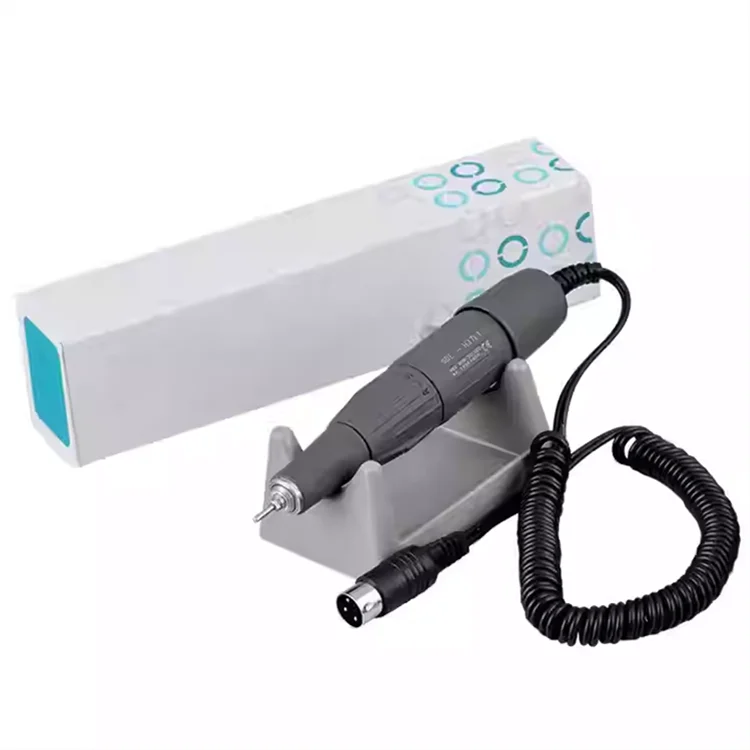
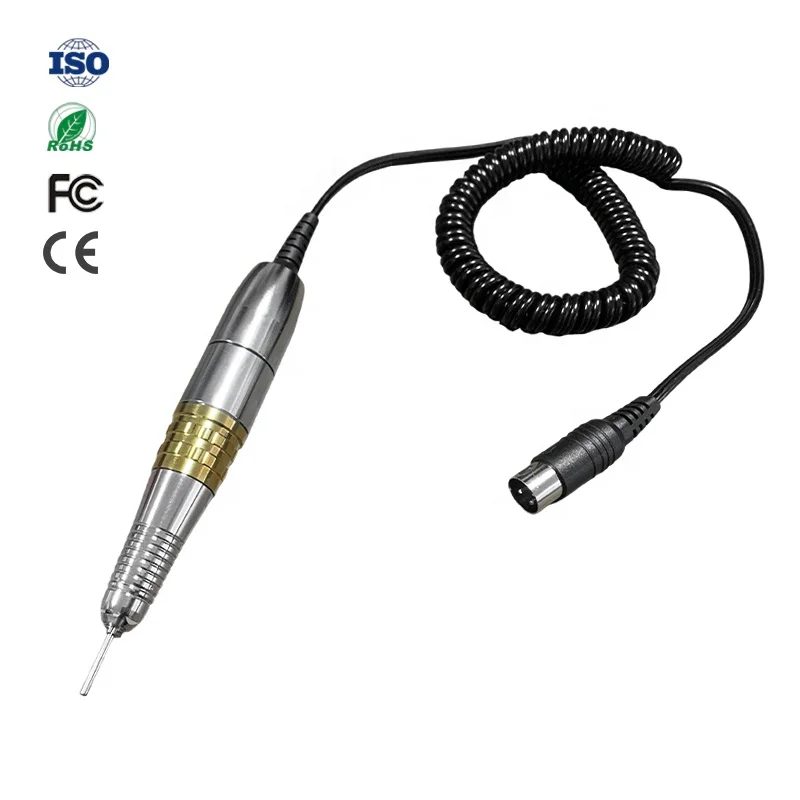
Metal engraving machines are essential tools in various industries, enabling precise and intricate designs on a range of materials. For B2B buyers such as purchasing managers, engineers, and distributors, understanding the key specifications and quality factors is crucial when sourcing these machines. This article will guide you through the essential considerations, common issues, and applications of metal engraving machines, helping you make informed purchasing decisions.
When sourcing metal engraving machines, several specifications should be carefully evaluated to ensure the equipment meets your operational needs. Key specifications include:
Engraving Speed and Power: The speed at which the machine operates is critical for productivity. Look for machines with adjustable speeds and sufficient power to handle various materials. Higher wattage motors typically provide better performance for tougher materials, such as the ODM Professional 90W High Power Brushless Metal Vacuum Cleaner.
Precision and Resolution: Precision is vital in engraving, particularly in industries such as jewelry and dentistry. Verify the machine's resolution, usually measured in microns, to ensure it can achieve the desired detail.
Material Compatibility: Different machines are optimized for specific materials. Ensure that the engraving machine can handle the materials you plan to use, whether they are metals, plastics, or composites.
Software Compatibility: Many modern engraving machines come with software that facilitates design input. Check for compatibility with design programs and whether the software can handle the complexity of your designs.
Cooling System: Continuous operation can generate heat, affecting performance and longevity. Machines equipped with efficient cooling systems will maintain optimal performance and reduce wear over time.
By considering these specifications, buyers can select a metal engraving machine best suited to their specific applications and production needs.
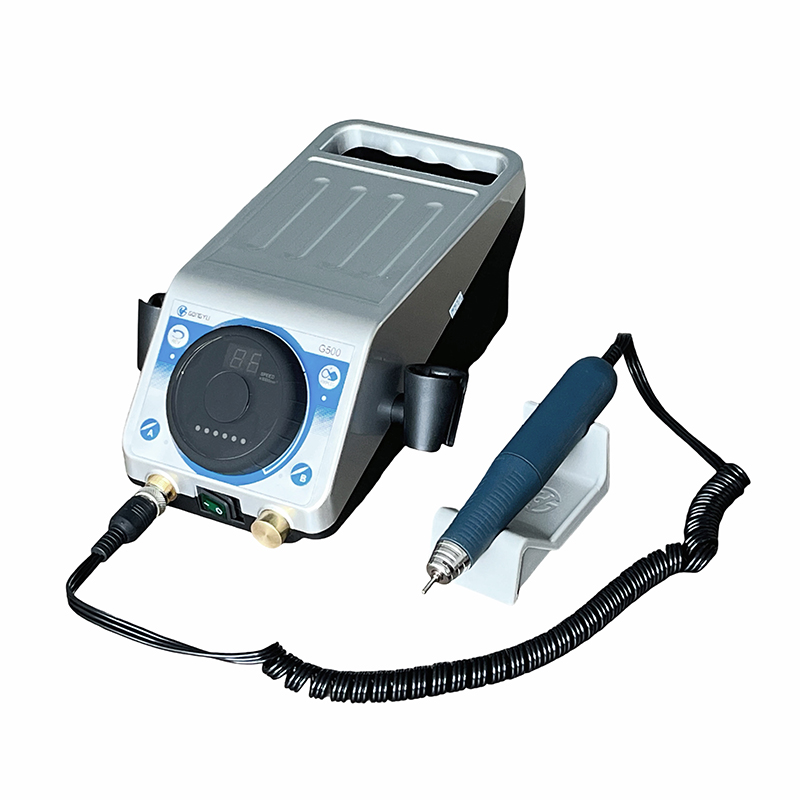
Evaluating the quality of metal engraving machines for wholesale involves several steps that can help ensure the equipment will perform reliably.
Manufacturer Reputation: Research the manufacturer’s history and reputation in the industry. A company with a track record of quality and innovation, like Fujian Aite Precision Machinery Co., Ltd., known for its high-speed brushless electronic grinders, is often a safer choice.
Customer Reviews and Testimonials: Look for feedback from other buyers. Testimonials can provide insights into the machine's reliability, performance, and any potential issues that may arise during operation.
Quality Control Processes: Inquire about the manufacturer's quality control processes. A robust quality management system ensures that every machine produced meets the necessary standards and specifications.
Certifications and Patents: Certifications can indicate compliance with industry standards. Additionally, patents often reflect innovation and technical expertise, which can contribute to overall machine quality.
Testing Procedures: Before purchasing, ask about the testing procedures for the machines. Understanding how the manufacturer tests their products can give you confidence in their reliability and performance.
By taking these steps, you can better evaluate the quality of metal engraving machines and make informed wholesale purchasing decisions.
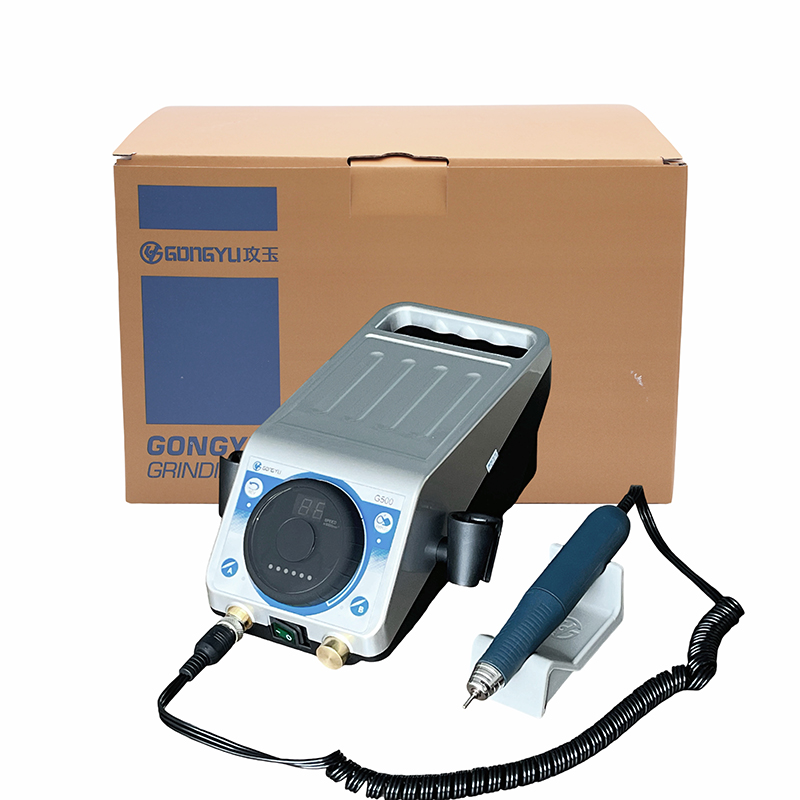
While metal engraving machines are robust tools, they can encounter several common issues. Being aware of these can help buyers prepare for maintenance and troubleshooting.
Inconsistent Engraving Depth: This can occur due to worn or misaligned components. Regular maintenance, including checking and replacing worn parts, can help maintain consistent engraving depth.
Software Compatibility Issues: Sometimes, the engraving software may not be compatible with the machine. Always verify software compatibility before purchase and ensure that technical support is available.
Overheating: Overuse without adequate cooling can lead to overheating. Ensuring the machine has a good cooling system and taking breaks during prolonged use can mitigate this issue.
Material Jamming: Improperly set feed rates or incorrect material thickness can lead to jamming. Buyers should ensure that operators are trained on the correct setup for different materials to prevent this problem.
Electrical Failures: Electrical issues can arise from improper connections or power supply problems. Regular inspection of electrical components and using surge protectors can help prevent these failures.
Addressing these common problems proactively can enhance the longevity and performance of metal engraving machines.
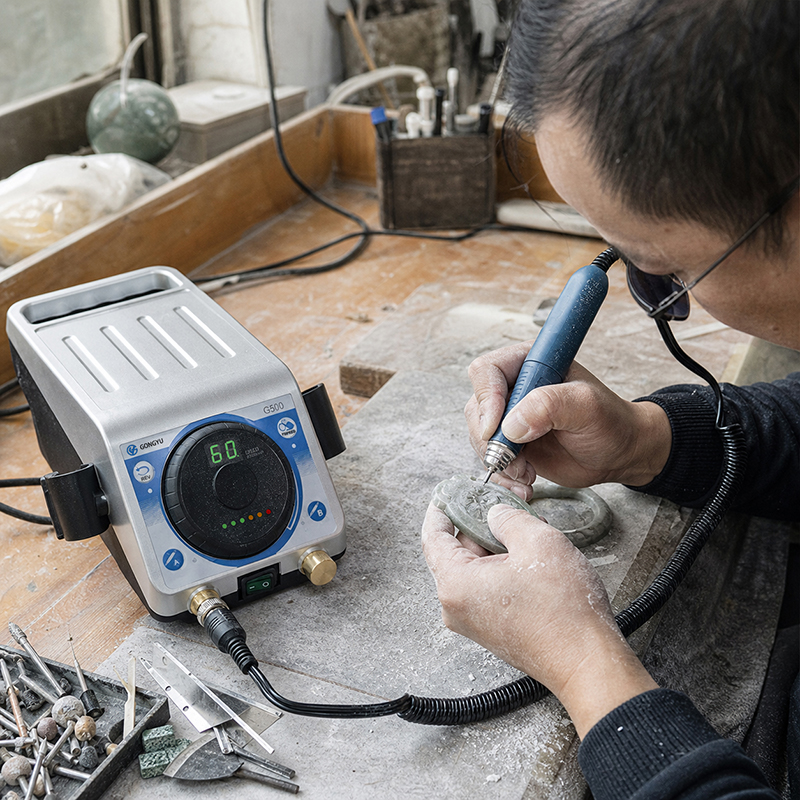
Metal engraving machines are versatile tools used across multiple industries, each with specific applications:
Jewelry Manufacturing: Engraving machines are crucial for creating intricate designs and personalizations on rings, bracelets, and pendants. They allow jewelers to add unique touches to their designs, enhancing their market appeal.
Dentistry: In dental practices, engraving machines are used for creating precise markings on dental tools and prosthetics. This ensures accuracy and consistency in patient care and treatment.
Nail Salons: Engraving machines can be used in nail design for creating custom nail art and embellishments, allowing salons to offer unique services to their clients. For instance, the STRONG 204 102L Brushed Micromotor is popular for its performance in nail salons.
Industrial Applications: In manufacturing, these machines are used for labeling, part identification, and creating detailed designs on various products, from machinery to consumer goods.
Gifts and Personalization Services: Businesses specializing in personalized gifts often use engraving machines to create custom items, such as engraved trophies, plaques, and more.
The adaptability of metal engraving machines makes them valuable assets in these industries, capable of enhancing productivity and creativity.
When purchasing metal engraving machines in bulk, employing strategic approaches can optimize the buying process:
Define Your Requirements: Clearly outline your specific needs, including machine specifications, materials to be engraved, and desired production volume. This will guide your search and ensure you select the right equipment.
Request Samples: Before committing to a large order, request samples or demonstrations of the machines. This allows you to evaluate performance and suitability for your applications firsthand.
Negotiate Pricing and Terms: Don’t hesitate to negotiate pricing, especially when bulk purchasing. Discuss payment terms, warranties, and after-sales support to ensure you get the best value.
Explore Customization Options: Many manufacturers, including Fujian Aite Precision Machinery Co., Ltd., offer customization capabilities. Discuss your specific requirements to see if modifications can be made to better suit your needs.
Evaluate Shipping and Lead Times: Understand the shipping options and lead times associated with your order. Planning for delivery times can help avoid production delays.
By following these strategies, you can streamline the purchasing process and ensure that you acquire the right metal engraving machines for your business needs.
 EN
 AR
 BG
 HR
 CS
 DA
 NL
 FI
 FR
 DE
 EL
 IT
 JA
 NO
 PL
 PT
 RU
 ES
 SV
 CA
 TL
 IW
 ID
 LV
 SR
 SK
 SL
 UK
 SQ
 ET
 GL
 MT
 FA
 MS
 GA
 CY
 BE
 MK
 KA
 BN