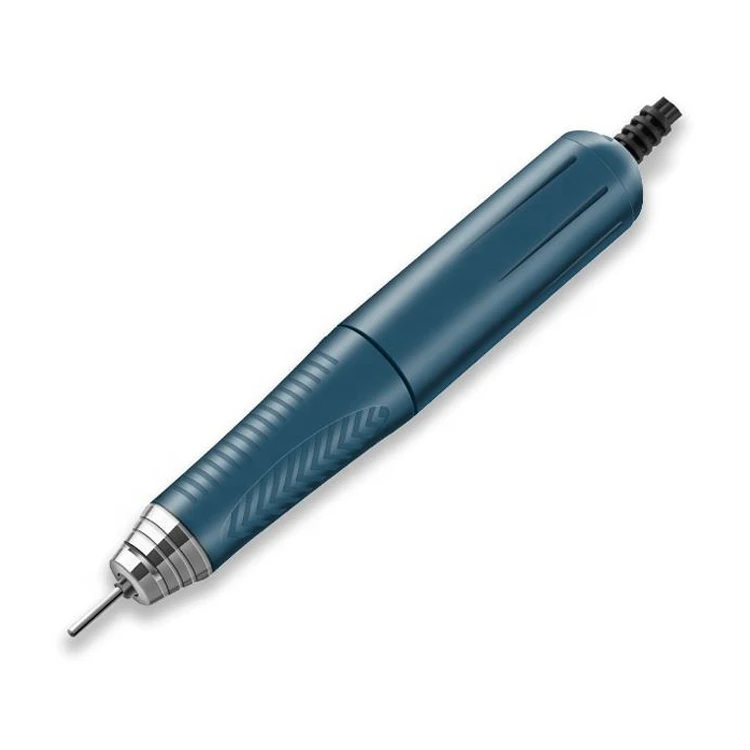
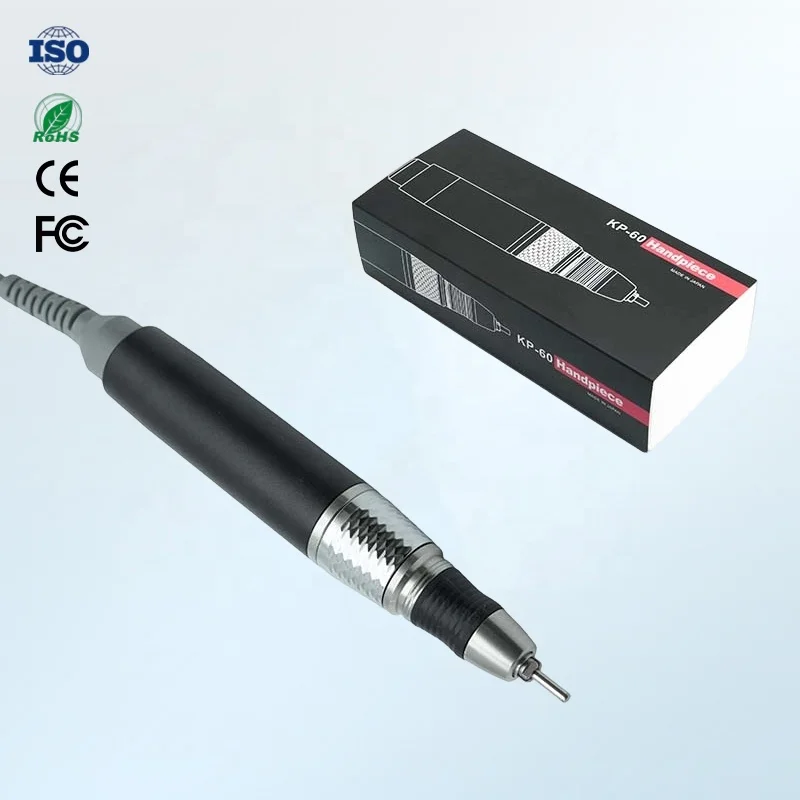
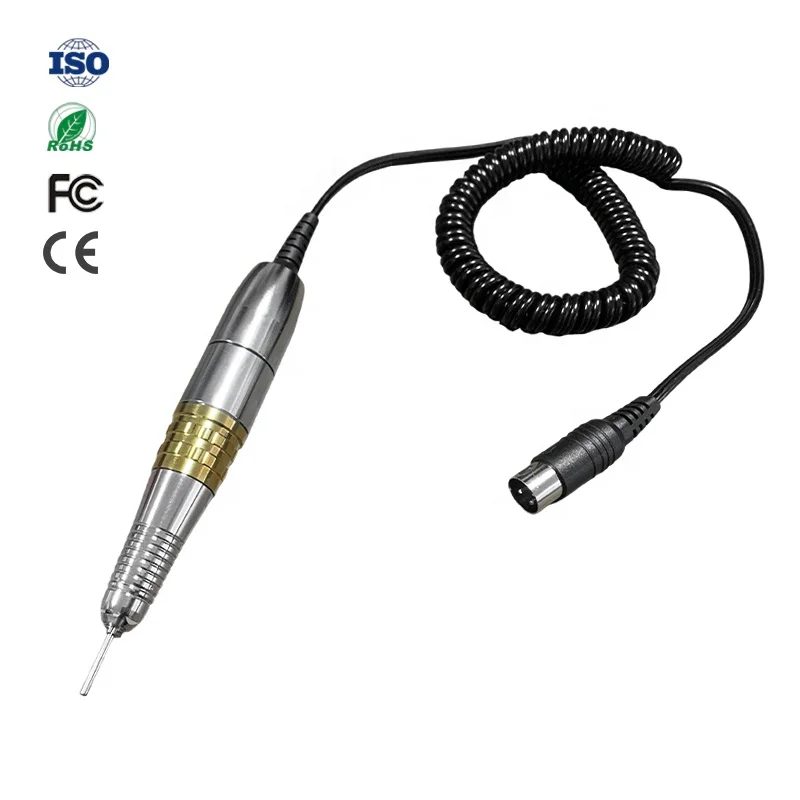
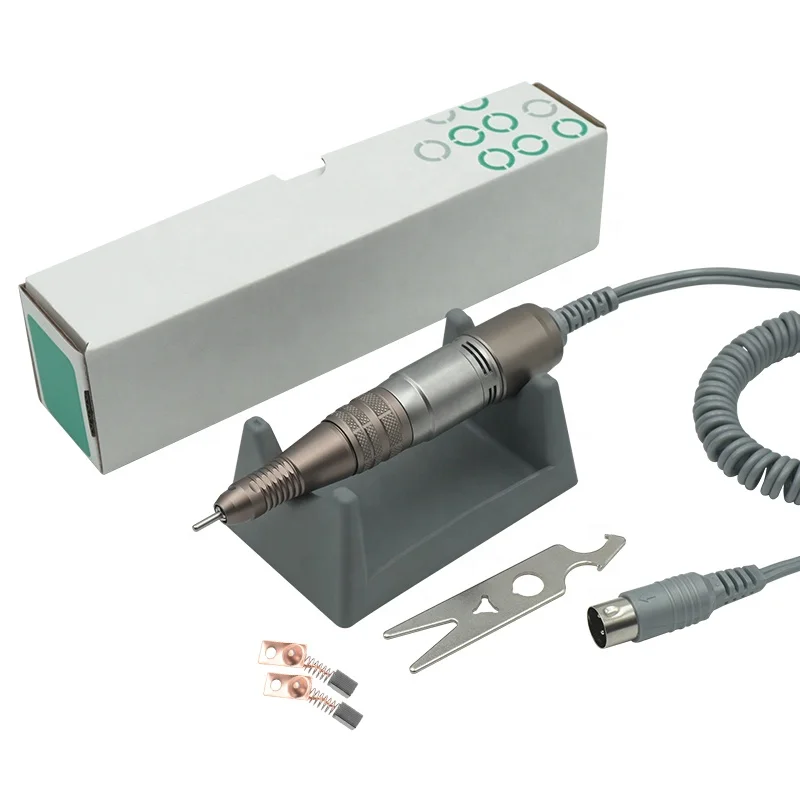
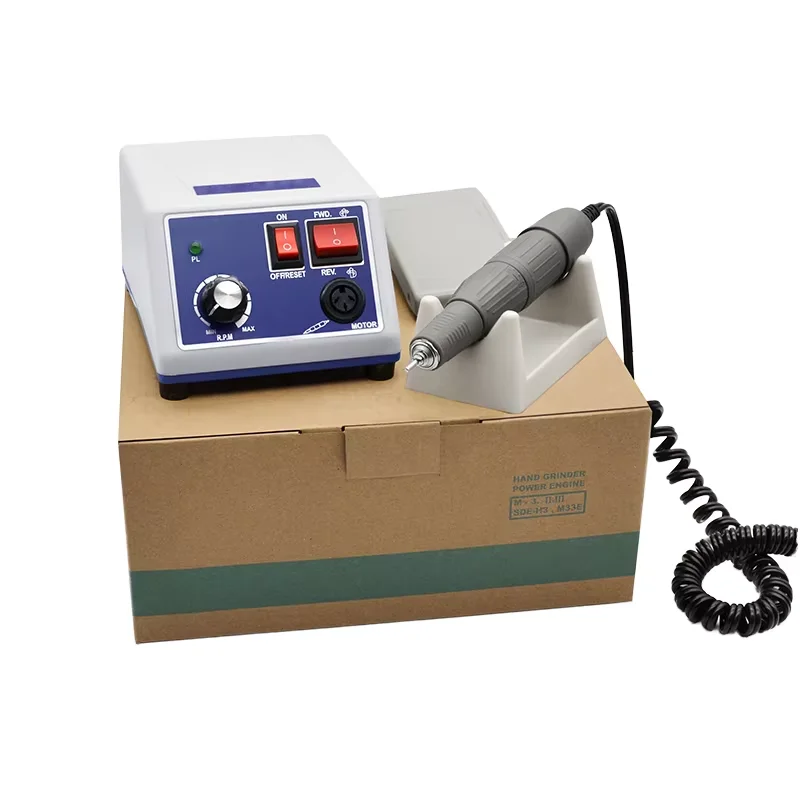
Engraving machines for metal are essential tools in various industries, offering precision and efficiency in marking and detailing metallic surfaces. For B2B buyers, concerns often revolve around the machine's capabilities, compatibility with specific applications, quality standards, and overall performance. This article aims to provide a comprehensive understanding of engraving machines for metal, addressing key considerations, common issues, applications across industries, quality evaluation methods, and essential information for prospective buyers.
When selecting an engraving machine for metal, several factors should be taken into account:
Machine Type: Different types of engraving machines, such as rotary, laser, and CNC engravers, serve various applications. Rotary engravers are typically used for deeper cuts, while laser engravers provide fine detail and are ideal for intricate designs.
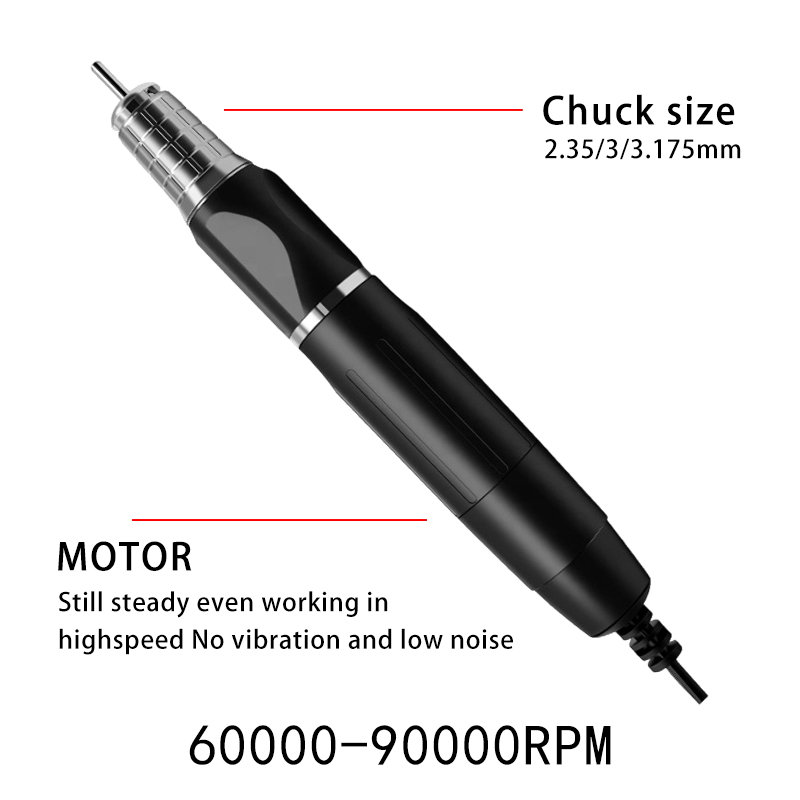
Speed and Precision: The engraving speed, measured in inches per minute (IPM), and precision, often quantified in microns, are critical specifications. Higher speeds can enhance productivity, but precision is crucial for quality output, particularly in industries like jewelry and dental applications.
Material Compatibility: Ensure the machine can handle the specific types of metal you intend to engrave, such as stainless steel, aluminum, or brass. Each metal has unique properties that affect engraving techniques and outcomes.
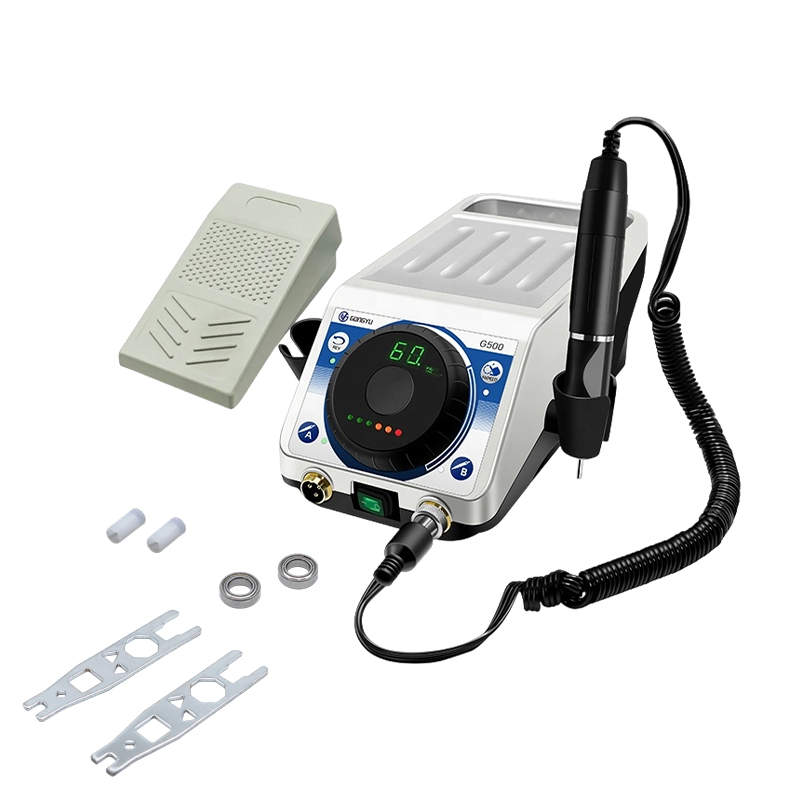
Control Systems: Machines equipped with advanced control systems, such as dual-channel control chips, offer enhanced stability and reliability, which is particularly beneficial for high-speed operations.
Customization Options: Depending on your production requirements, consider whether the manufacturer offers customization options for specific features or attachments to enhance functionality. For instance, an ODM Professional 90W High Power Brushless Metal Vacuum Cleaner can be a useful addition to your engraving setup.
Buyers should be aware of some common issues that can arise with engraving machines:
Inconsistent Depth of Engraving: This can occur due to variations in material hardness or machine calibration issues. Regular maintenance and calibration checks can help ensure consistent engraving depth.
Overheating: When engraving metals, machines can overheat, leading to damage or reduced performance. Using cooling systems or adjusting engraving speeds can mitigate this issue.
Poor Adhesion of Markings: Sometimes, engravings do not adhere well to the metal surface, resulting in fading or wear. Choosing the right engraving method and ensuring proper surface preparation can enhance adhesion.
Software Compatibility Issues: Some machines may have compatibility issues with design software. Verifying software requirements and capabilities before purchase can prevent workflow disruptions.
Engraving machines for metal find applications across numerous industries, including:
Jewelry Manufacturing: Precision engraving is essential for creating intricate designs and personalized items. Machines must provide fine detail and allow for various engraving techniques.
Dental Applications: In dentistry, engraving machines are used to mark dental tools and create customized prosthetics. The machine's ability to handle small, detailed work is crucial.
Nail Salons: Engraving machines can be employed to create unique nail art designs on metal nail tips, offering salons a way to differentiate their services. Using a STRONG 204 102L Brushed Micromotor can enhance the quality of nail art engraving.
Industrial Parts Marking: In manufacturing, machines are used to engrave serial numbers, barcodes, and logos onto metal parts, aiding in traceability and brand identity.
To ensure you are selecting a high-quality engraving machine, consider the following evaluation criteria:
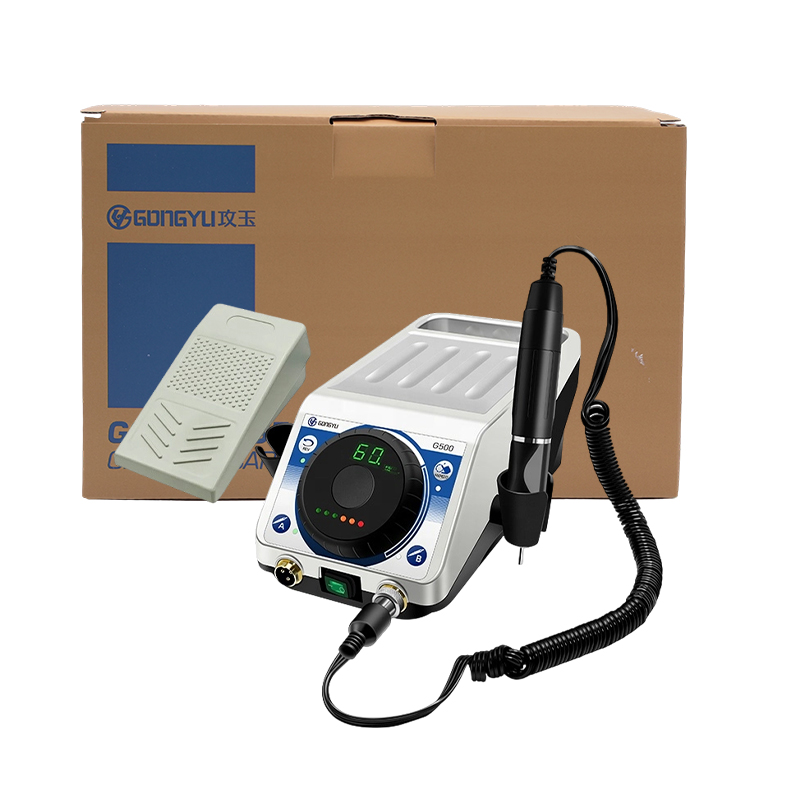
Build Quality: Assess the materials used in the machine's construction. Machines made from high-grade materials tend to have better durability and performance.
Performance Testing: Request samples of work produced by the machine. This allows you to evaluate engraving quality, depth consistency, and precision in real-world conditions.
Manufacturer Reputation: Research the manufacturer's background, including their experience in the industry and customer reviews. A reputable manufacturer like Fujian Aite Precision Machinery Co., Ltd. with proven expertise in high-speed brushless electronic grinders can be a reliable choice.
Warranty and Support: Investigate the warranty terms and the level of customer support provided. A robust warranty and responsive support services can protect your investment.
Certifications: Check for any industry certifications that the machine or manufacturer holds, which can further validate quality and reliability.
Before engaging with a supplier for an engraving machine for metal, it is essential to gather specific information to facilitate a smooth purchasing process:
Product Specifications: Prepare a list of required specifications, including engraving depth, machine type, and material compatibility.Quantity and Customization Needs: Define the quantity you need and any customization features that may be necessary for your applications.Budget and Cost Factors: Be clear about your budget, taking into consideration not just the initial purchase price but also ongoing operational costs, such as maintenance and software updates.Lead Time and Delivery: Discuss lead times and delivery logistics to ensure timely receipt of your machine.Sample Approval Process: Request samples or proofs to verify that the machine meets your quality standards before committing to mass production.By understanding these factors, buyers can make informed decisions when selecting an engraving machine for metal, ensuring it meets their operational needs and quality expectations.
 EN
 AR
 BG
 HR
 CS
 DA
 NL
 FI
 FR
 DE
 EL
 IT
 JA
 NO
 PL
 PT
 RU
 ES
 SV
 CA
 TL
 IW
 ID
 LV
 SR
 SK
 SL
 UK
 SQ
 ET
 GL
 MT
 FA
 MS
 GA
 CY
 BE
 MK
 KA
 BN