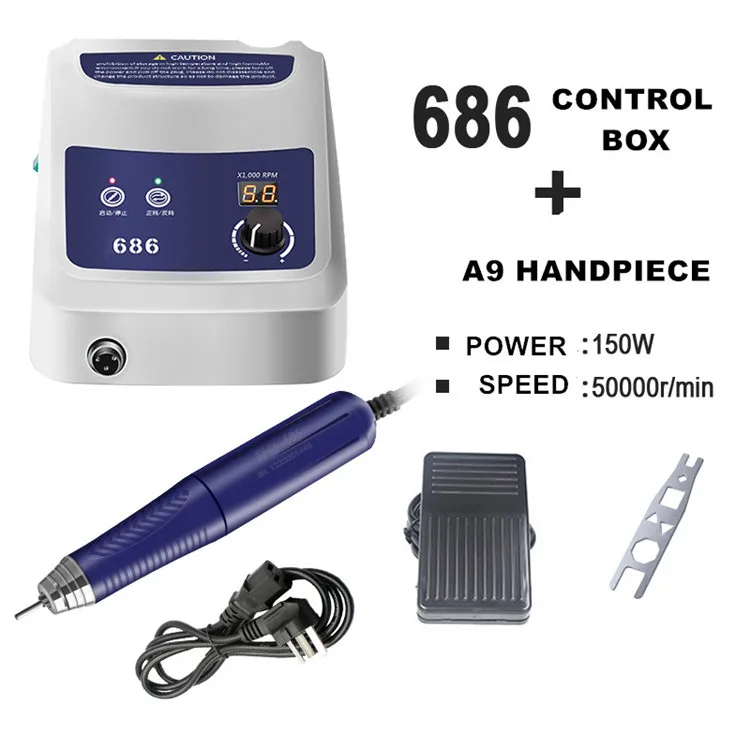
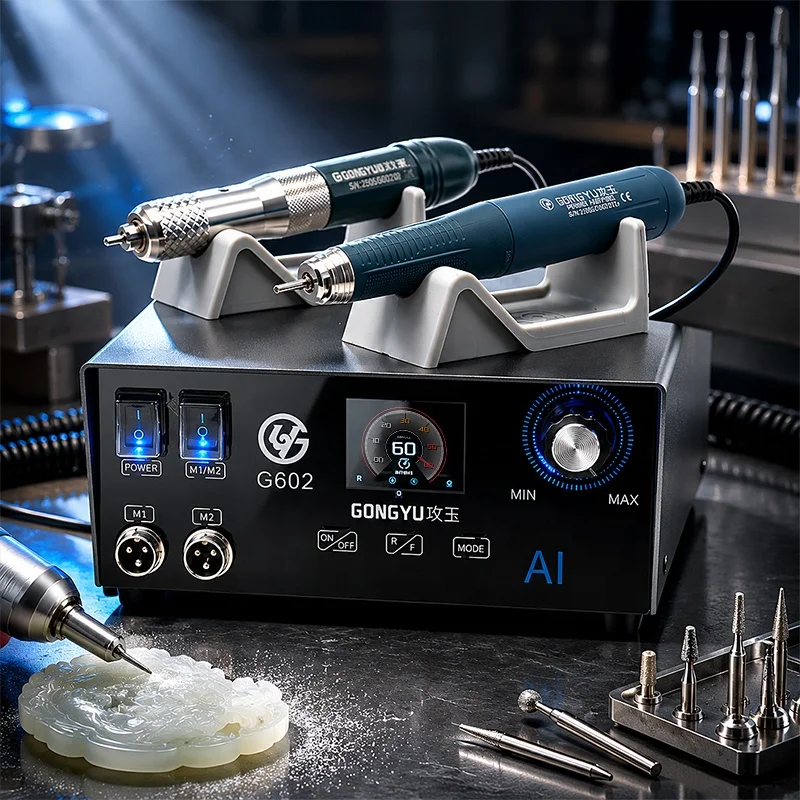
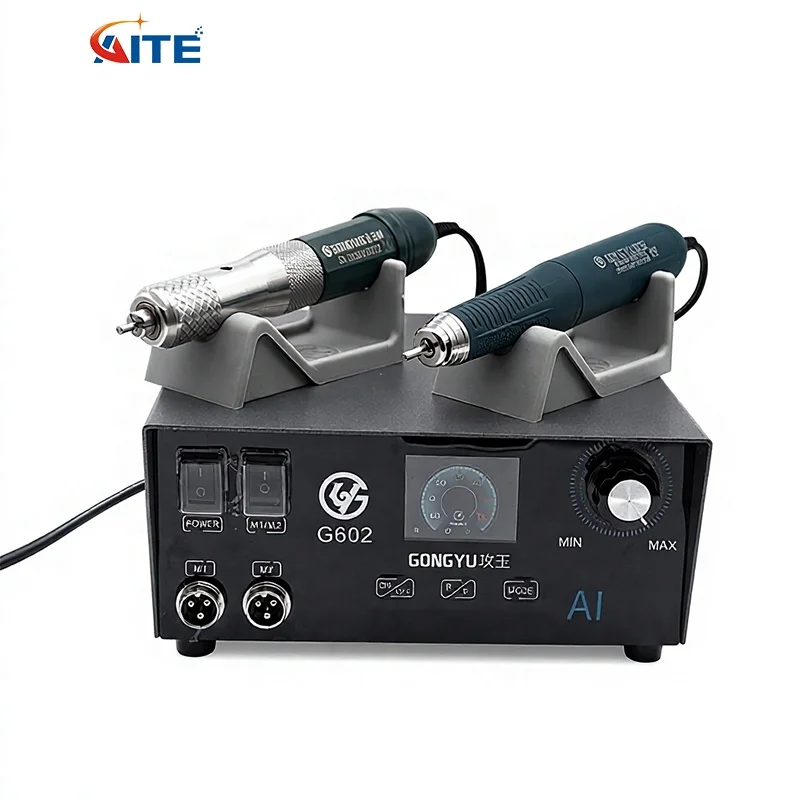
Understanding the requirements and applications of a machine for engraving metal is crucial for B2B buyers, particularly in sectors such as jewelry, dentistry, and manufacturing. This article will help you navigate your purchasing journey by discussing supplier reliability, cost evaluation, installation challenges, industry applications, and material advantages related to metal engraving machines. By focusing on these factors, you can make informed decisions that align with your business needs.
Finding reputable suppliers for a machine for engraving metal requires careful consideration and research. Start by identifying manufacturers with a proven track record in the industry. Look for companies that specialize in precision machinery, as they often have extensive experience and a variety of products to choose from. From alibaba is a great starting point for discovering such suppliers.
Online directories, trade shows, and industry-specific forums can be valuable resources for discovering potential suppliers. Additionally, it can be beneficial to check for certifications and patents, as these indicate a commitment to quality and innovation. Fujian Aite Precision Machinery Co., Ltd., for example, has several national invention patents, underscoring their expertise in manufacturing high-speed brushless electronic grinders suited for engraving metal.
Don't hesitate to ask for references or case studies to evaluate their reliability and product performance. Engaging with suppliers who are responsive and willing to provide samples or demonstrations can also help you gauge their level of service and product quality.
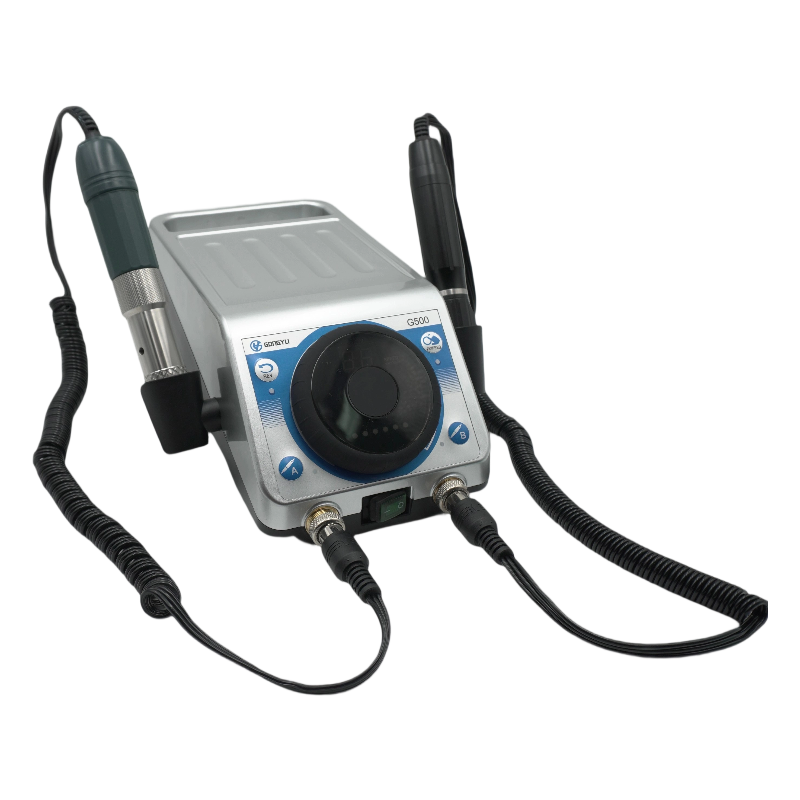
Cost evaluation for metal engraving machines involves more than just the initial purchase price. Consider the total cost of ownership, which includes maintenance, operational costs, and potential downtime. When assessing quotes from suppliers, ensure that they detail all aspects of pricing, including shipping, installation, and warranty options.
It's wise to compare the functionality offered at various price points. Higher-priced machines may include advanced features such as dual-channel control chips, which provide more stable output and improved engraving precision. These features can enhance productivity and reduce operational costs in the long run. Additionally, inquire about the minimum order quantity (MOQ) and bulk pricing options, as purchasing larger quantities may result in significant savings. For example, you might find competitive deals on Spare Parts when ordering in bulk.
Lastly, factor in customization capabilities. Machines that can be tailored to your specific requirements may have a higher upfront cost but can offer increased efficiency and effectiveness in your applications.
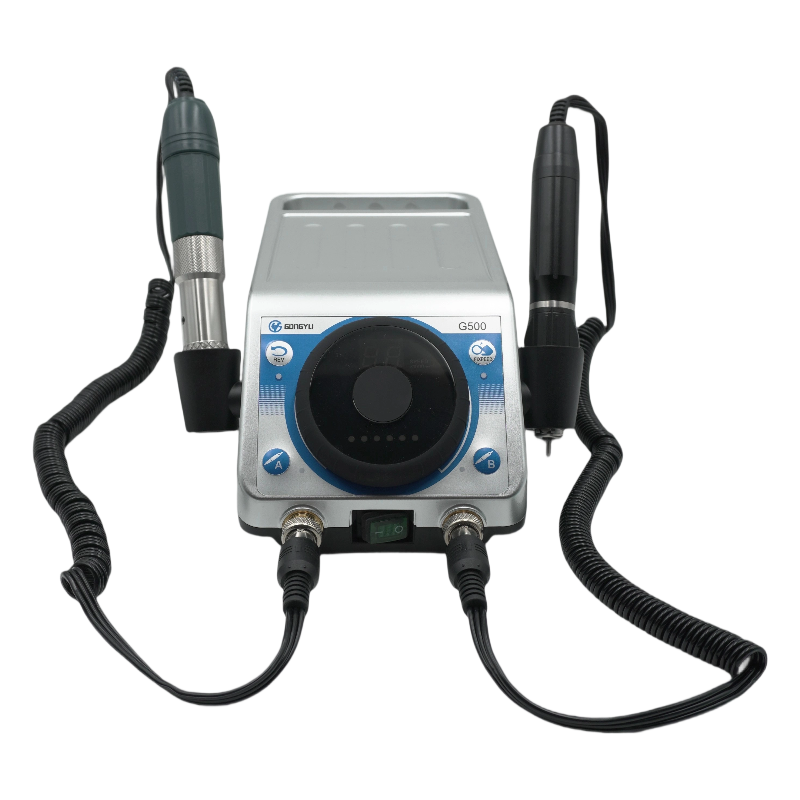
Installing a machine for engraving metal can present several challenges. One of the most common issues is ensuring compatibility with existing production lines. You should verify the machine's dimensions and specifications to ensure it fits within your operational space and can integrate smoothly with your systems.
Another challenge is the setup of software and calibration for precision engraving. Misalignment during installation can lead to poor engraving results. It's advisable to work closely with the supplier during the installation process. Many experienced manufacturers, including those like Fujian Aite Precision Machinery Co., Ltd., provide on-site training or detailed instructional materials to help users understand the setup and operational procedures.
Regular maintenance is also crucial. Establishing a routine maintenance schedule can prevent many installation-related issues and ensure the machine operates at peak performance. Familiarize yourself with common troubleshooting techniques as well, as this knowledge can save time and reduce downtime when issues arise.
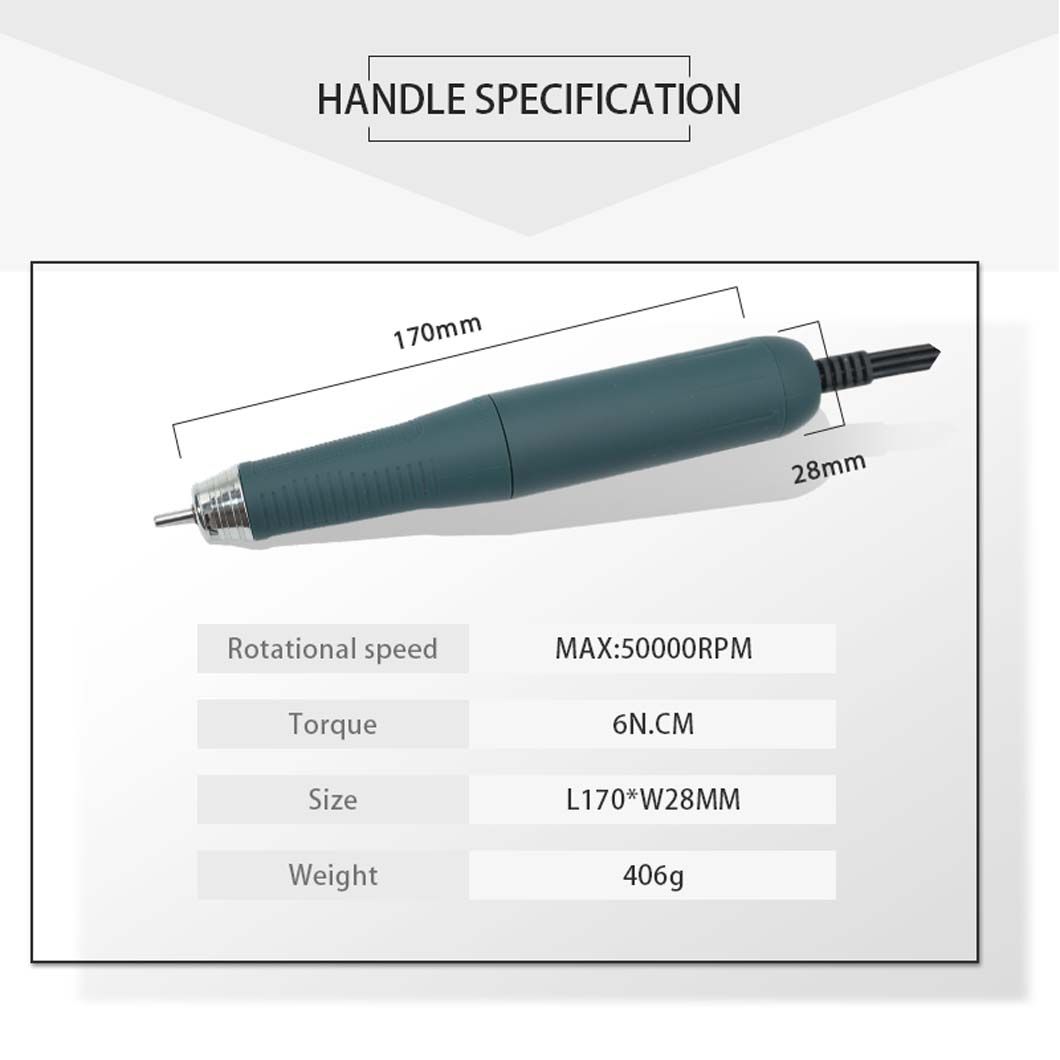
Metal engraving machines have a diverse range of applications across multiple industries. In jewelry manufacturing, they are used for intricate designs and personalizations, allowing jewelers to create unique pieces that meet customer demands. The precision offered by machines with advanced control technologies makes them ideal for high-end jewelry production.
In the dental industry, these machines are critical for creating custom dental implants and prosthetics. The accuracy required in dental applications means that the engraving technology must be reliable and consistent. Handpiece technologies can greatly enhance the precision of dental applications.
Furthermore, in industrial settings, metal engraving machines are employed for marking components, ensuring traceability and compliance with regulatory standards. This can include part numbers, serial numbers, and brand logos, all of which are essential for quality control and inventory management.
Understanding the specific needs of your industry can help you select the right engraving machine to maximize productivity and meet quality standards.
The choice of materials used in metal engraving machines significantly impacts their performance and suitability for various applications. High-quality materials can enhance the durability and longevity of the machine while ensuring precise engraving results. For instance, machines made with robust steel components are less prone to wear and tear, thus maintaining performance over time.
Additionally, the type of engraving tool used can affect the quality of the engraving. Tools made from high-speed steel (HSS) or carbide tend to provide sharper cuts and longer operational life. Knowing the right material for your specific application is vital; for example, softer metals may require different engraving techniques compared to harder alloys.
Buyers should also consider the machine's compatibility with various metals. Some machines may perform better with specific materials, such as aluminum, stainless steel, or brass. Always confirm the machine’s specifications with the manufacturer to ensure it meets your operational needs.
By understanding these material advantages, you can make an informed decision that aligns with your business requirements, ensuring that the machine for engraving metal meets your quality and performance standards.
 EN
 AR
 BG
 HR
 CS
 DA
 NL
 FI
 FR
 DE
 EL
 IT
 JA
 NO
 PL
 PT
 RU
 ES
 SV
 CA
 TL
 IW
 ID
 LV
 SR
 SK
 SL
 UK
 SQ
 ET
 GL
 MT
 FA
 MS
 GA
 CY
 BE
 MK
 KA
 BN