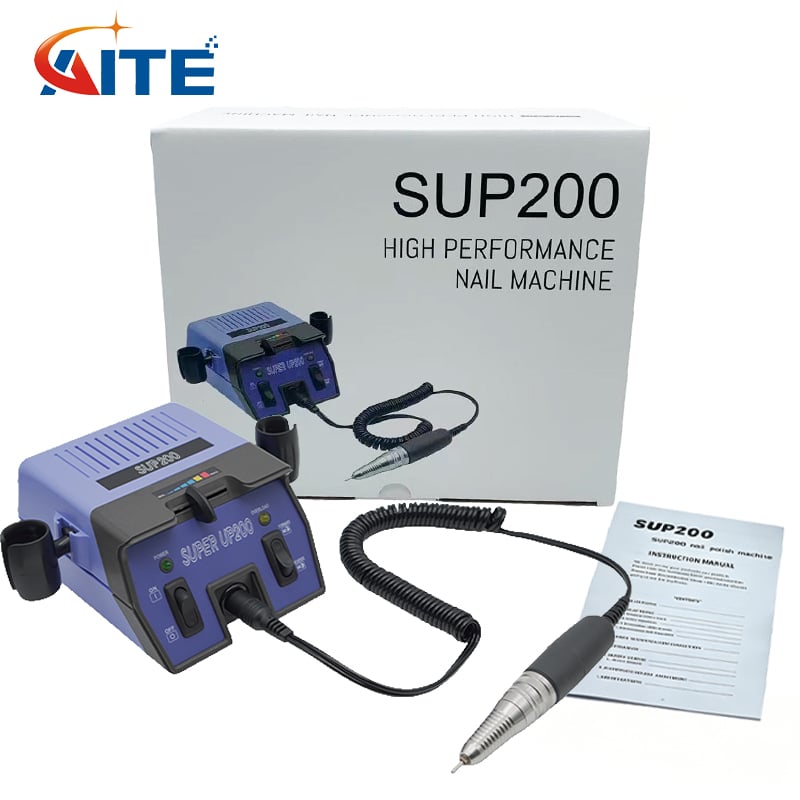
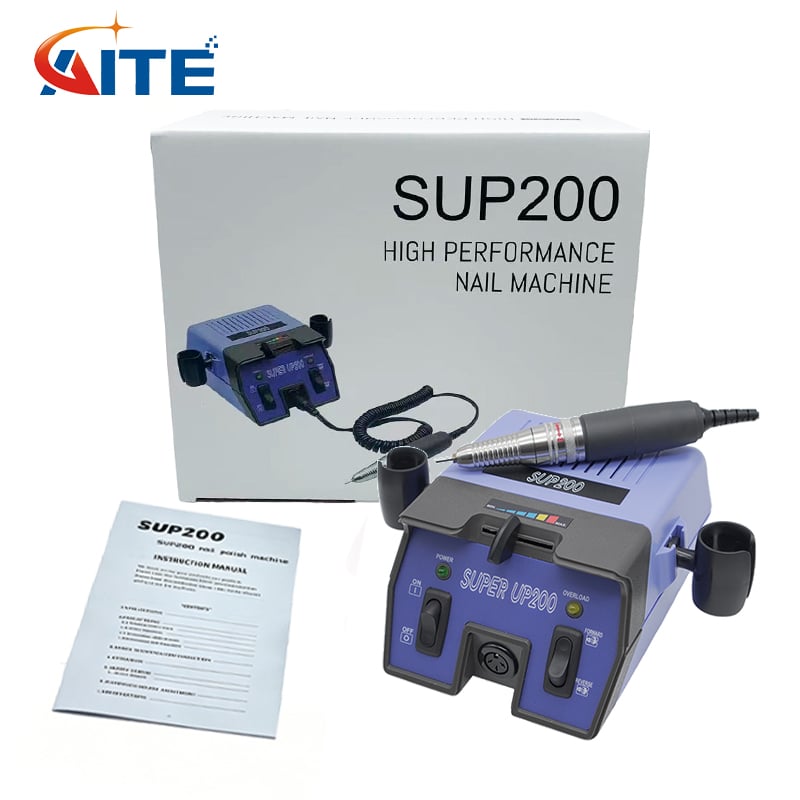
Metal polishing buffing machines are essential tools in various industries for achieving high-quality finishes on metal surfaces. These machines enhance the appearance and durability of products by removing imperfections and providing a smooth, reflective surface. B2B buyers, such as purchasing managers and engineers, often seek reliable suppliers, detailed installation guidance, solutions to common problems, and insights into the various applications of these machines. This article will address these concerns while providing practical information to help buyers make informed purchasing decisions.
When searching for a supplier of metal polishing buffing machines, it is crucial to prioritize reliability and product quality. Start by evaluating potential suppliers based on their manufacturing capabilities, industry experience, and customer reviews. Companies like Fujian Aite Precision Machinery Co., Ltd., which specializes in high-speed brushless electronic grinders, are notable for their extensive experience in manufacturing core components and holding several national invention patents. Additionally, consider sourcing machines such as the ODM Professional 90W High Power Brushless Metal Vacuum Cleaner to complement your polishing tasks.
Additionally, consider the supplier's ability to meet your specific requirements. A reputable supplier should offer customization options, allowing you to tailor the buffing machine to your needs. Look for certifications that reflect compliance with industry standards, ensuring that the machines meet quality and safety regulations. Engaging in discussions about lead times, minimum order quantities (MOQ), and after-sales support can also help assess the supplier's reliability.
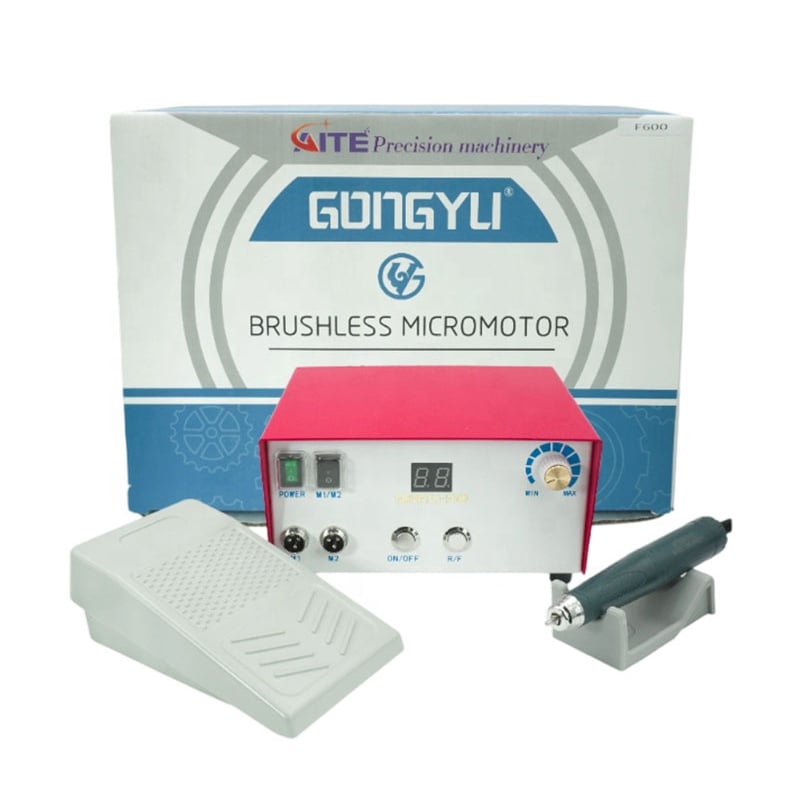
Proper installation of a metal polishing buffing machine is critical to its performance and longevity. Here are key steps to follow during the installation process:
Site Preparation: Ensure that the installation area is clean, dry, and adequately ventilated. The surface should be level and capable of supporting the weight of the machine.
Electrical Requirements: Check the machine's electrical specifications to ensure compatibility with your facility's power supply. Employ a qualified electrician to connect the machine to the electrical system, adhering to all local codes and regulations.
Assembly: Follow the manufacturer's assembly instructions carefully. This may include attaching components such as the motor, polishing wheels, and safety guards.
Testing: After installation, conduct a thorough test to ensure that the machine operates smoothly. Check for vibrations, unusual noises, or any alignment issues. This step helps identify potential problems before full-scale operation.
Training: Provide training for operators to ensure they understand the machine's functions, safety protocols, and maintenance schedules. Proper training minimizes the risk of accidents and equipment damage.
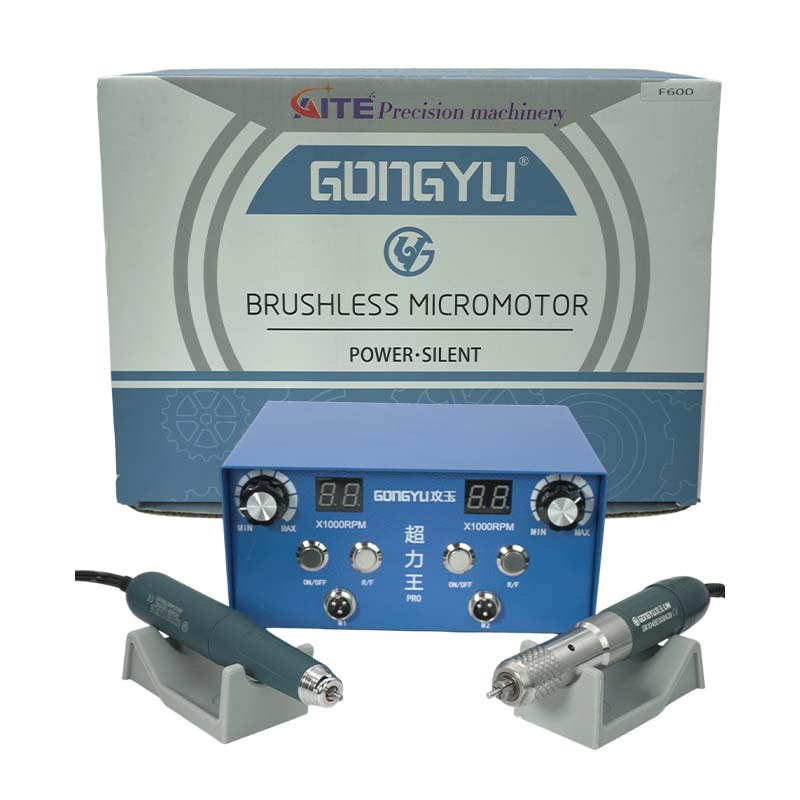
Even the best metal polishing buffing machines may encounter issues during operation. Here are some common problems and their solutions:
Uneven Polishing: This can occur due to improper wheel selection or incorrect machine speed. Ensure that the polishing wheel is appropriate for the metal type and adjust the speed settings according to the manufacturer's recommendations.
Overheating: If the machine overheats, it may lead to equipment failure or damage to the workpiece. Regularly check for debris buildup and ensure adequate ventilation. Consider using cooling lubricants during the polishing process to reduce friction.
Vibration and Noise: Excessive vibration or noise can indicate loose components or worn bearings. Regular maintenance checks should be conducted to tighten screws and replace any damaged parts.
Surface Damage: If the surface of the metal is damaged during polishing, it may be due to using the wrong wheel or too much pressure. Always test a small area first and adjust the pressure accordingly to avoid surface marks.
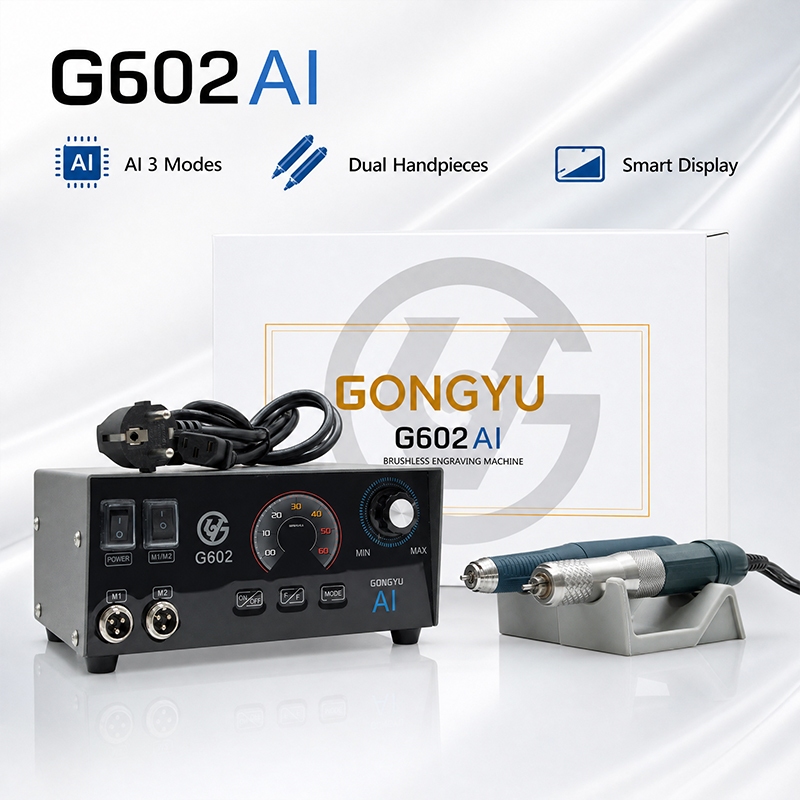
Metal polishing buffing machines have diverse applications across various sectors. Here are a few key industries where these machines play a vital role:
Jewelry Manufacturing: In the jewelry industry, precision and aesthetics are paramount. Buffing machines help achieve a brilliant shine on precious metals, enhancing the visual appeal of jewelry pieces.
Automotive Industry: Buffing machines are used to polish automotive parts, such as wheels and trim. A high-quality finish not only improves appearance but also helps protect against corrosion.
Dental Equipment: In dentistry, buffing machines are critical for polishing dental instruments and prosthetics, ensuring a smooth surface that reduces the risk of bacterial growth.
Aerospace: The aerospace sector demands high-quality finishes for components to ensure safety and performance. Buffing machines are used to polish parts that require strict adherence to quality standards.
Nail Salons: Buffing machines are also popular in the beauty industry, where they are used for nail care. These machines provide a smooth finish, promoting a polished look for manicures and pedicures. For instance, the STRONG 204 102L Brushed Micromotor is an excellent choice for nail salons looking to enhance their services.
The choice of materials used in metal polishing buffing machines significantly affects their performance and durability. Here are some important considerations:
Motor Quality: A high-speed brushless motor, like those used by Fujian Aite Precision Machinery Co., Ltd., offers consistent power and efficiency, reducing downtime and maintenance needs.
Polishing Wheels: The material composition of polishing wheels varies, including cotton, felt, and synthetic fibers. Selecting the right wheel material is crucial for achieving the desired finish on different metal types.
Frame Construction: The durability of the machine frame influences its longevity. Machines made from high-quality materials can withstand rigorous use without warping or breaking.
Safety Features: Machines equipped with safety guards and emergency stop mechanisms can help prevent accidents and injuries, making them a safer choice for operators.
Customization Options: Some manufacturers offer customization in terms of materials and features, allowing buyers to select specifications that align with their operational needs and industry requirements.
By carefully considering these aspects, buyers can choose a metal polishing buffing machine that best meets their operational demands and ensures high-quality finishes in their applications.
 EN
 AR
 BG
 HR
 CS
 DA
 NL
 FI
 FR
 DE
 EL
 IT
 JA
 NO
 PL
 PT
 RU
 ES
 SV
 CA
 TL
 IW
 ID
 LV
 SR
 SK
 SL
 UK
 SQ
 ET
 GL
 MT
 FA
 MS
 GA
 CY
 BE
 MK
 KA
 BN