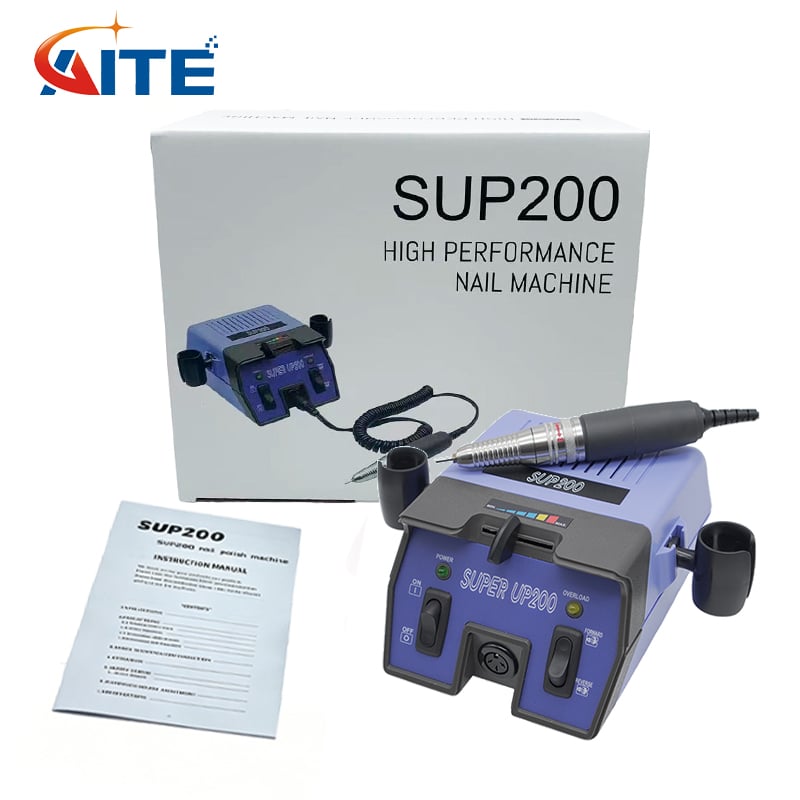
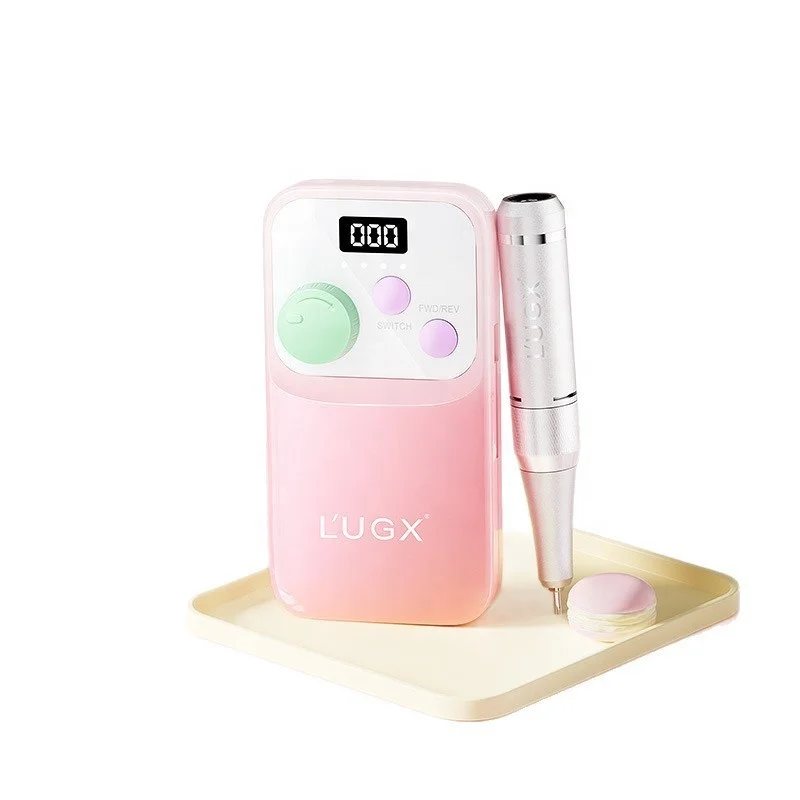
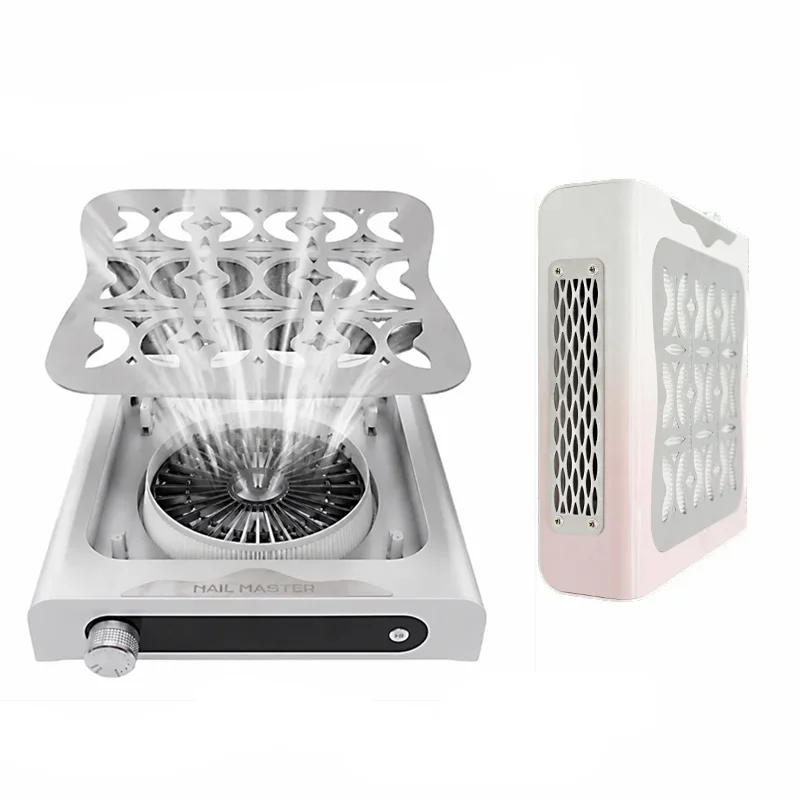
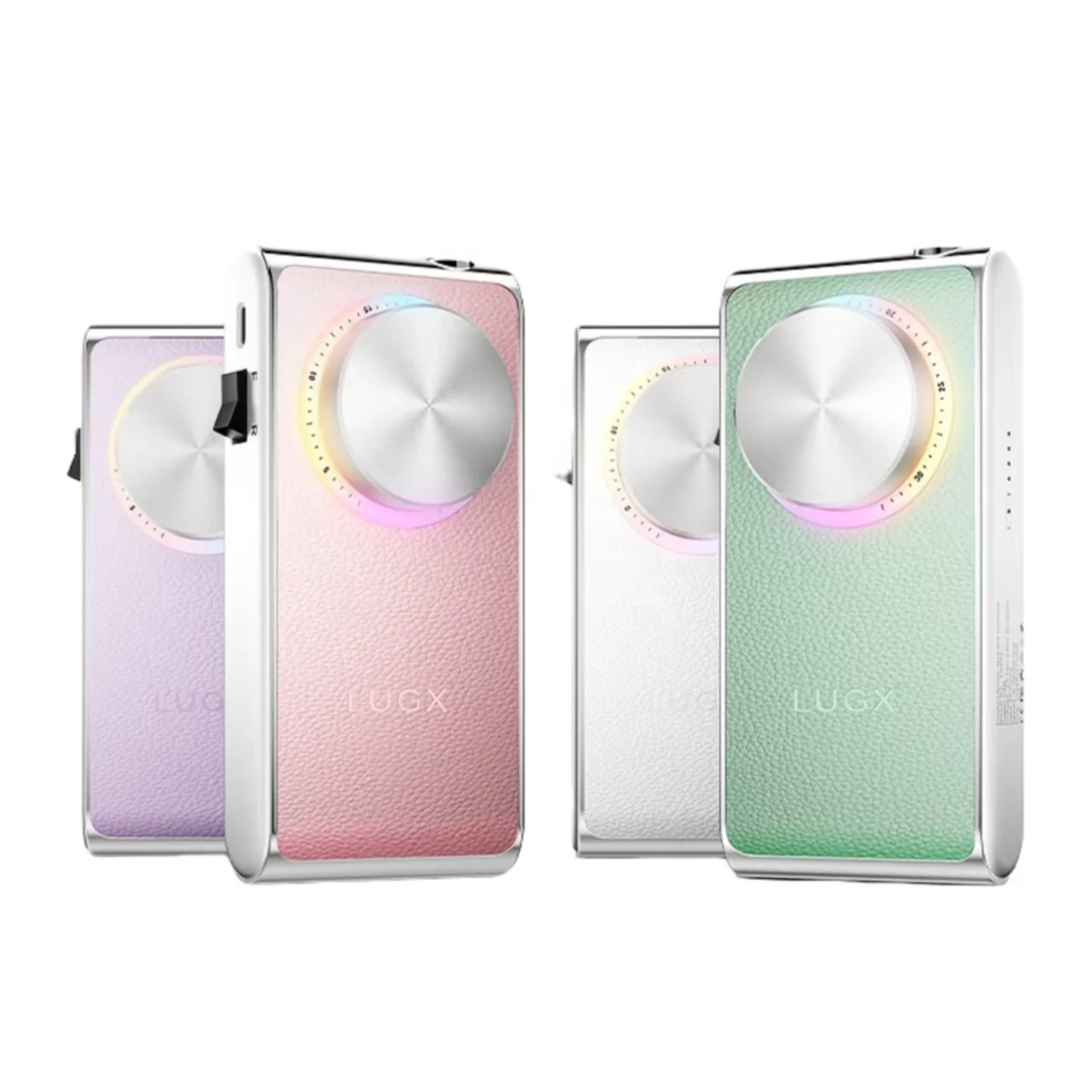
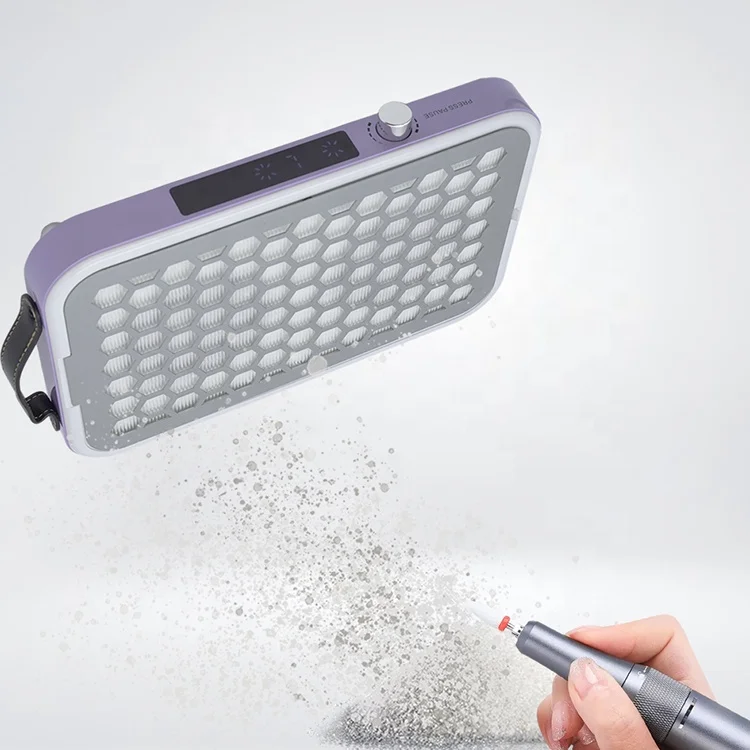
A metal buffing machine is an essential tool for achieving a high-quality finish on metal surfaces. Often used in manufacturing and industrial settings, these machines can significantly enhance the aesthetic appeal and durability of products made from various metals. Buyers, such as purchasing managers, engineers, and product managers, typically seek machines that offer reliability, performance, and efficiency. This article will guide you through key considerations for selecting the right metal buffing machine, specifications to evaluate, common issues and solutions, wholesale options, and the features and benefits that distinguish quality machines in the market.
Choosing the right metal buffing machine involves understanding the specific requirements of your application. Consider factors such as the type of metal being polished, the desired finish quality, and production volume. For instance, if you are buffing jewelry, a machine with a high RPM and precision control is crucial for achieving a fine finish. Conversely, for industrial applications, durability and the ability to handle larger metal components may take precedence. If you are also interested in related machinery, exploring options for Nail drill machine might be beneficial.
Additionally, assess the machine's compatibility with your existing workflow. This includes considering the space available in your facility, the machine's power requirements, and any necessary accessories or attachments. It’s beneficial to consult with suppliers about customization options, as specific configurations can enhance efficiency and address unique production needs.
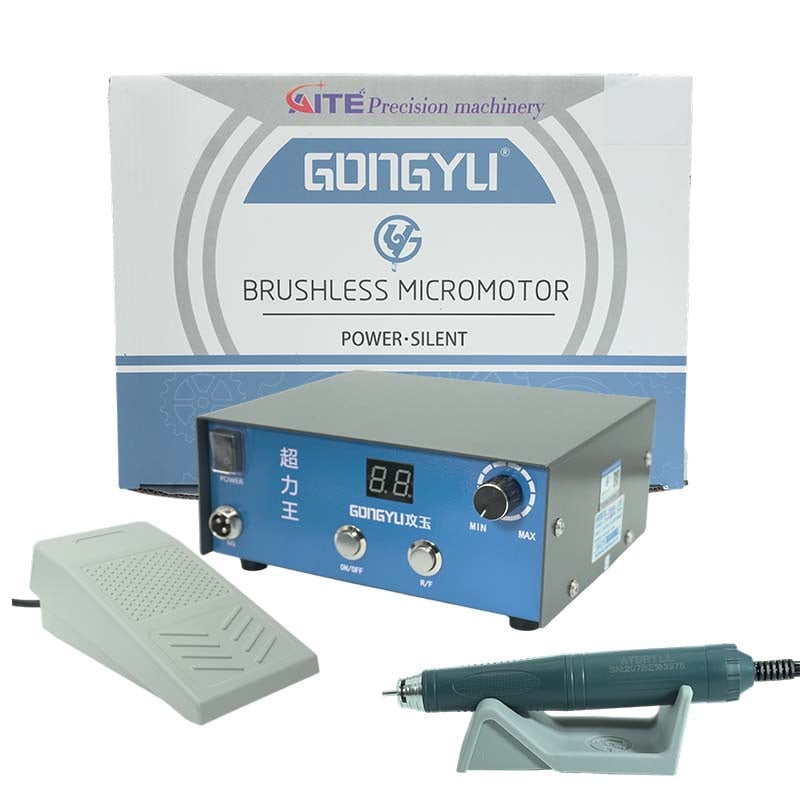
When evaluating metal buffing machines, several key specifications should be considered:
Motor Power and Speed: The motor's horsepower and RPM (revolutions per minute) are critical. Higher RPMs generally yield a finer finish but may require careful handling to avoid damaging delicate surfaces.
Buffing Wheel Size and Type: The diameter and material of the buffing wheel affect the finish quality. Larger wheels can cover more surface area quickly, while different materials (such as cotton or felt) will provide varying levels of abrasiveness.
Control Features: Look for machines that offer variable speed control and dual-channel control chips, as these features allow for more precise adjustments based on the metal type and desired finish.
Durability and Build Quality: Machines should be constructed from high-quality materials to withstand heavy use, especially in industrial settings. Check for warranties and any certifications that indicate robust manufacturing standards.
Ease of Operation and Maintenance: Consider how user-friendly the machine is, including factors like accessibility for maintenance and ease of wheel replacement.
Understanding these specifications will help ensure that the metal buffing machine you choose aligns with your operational needs and quality requirements.
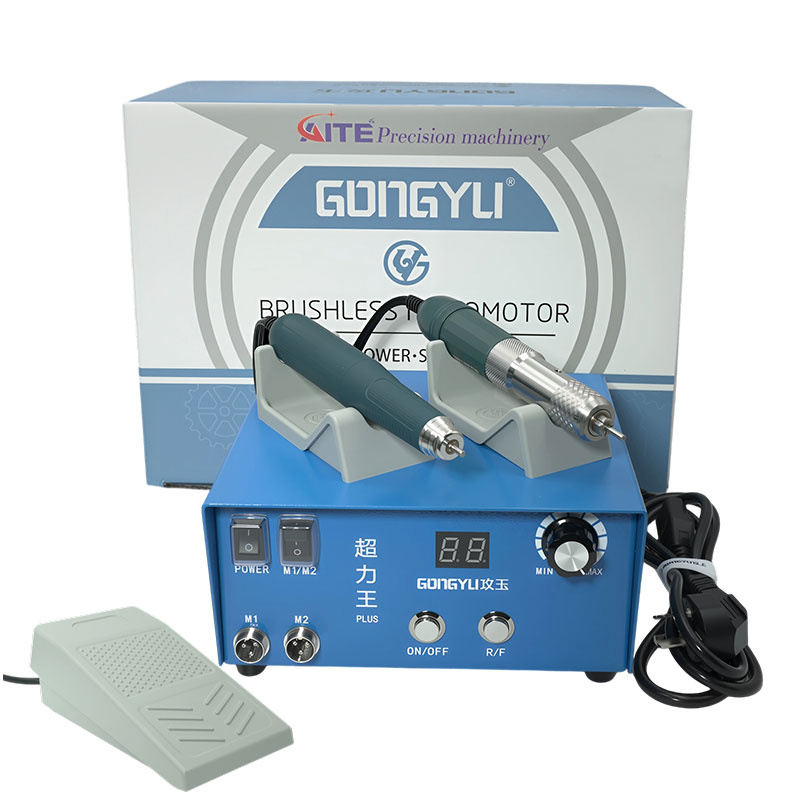
Metal buffing machines, while efficient, can encounter a range of issues that may affect performance. Here are some common problems and their solutions:
Overheating: This can result from excessive pressure or incorrect RPM settings. Ensure the machine is operated within its recommended parameters, and consider using cooling lubricants to mitigate heat buildup.
Inconsistent Finishes: This may occur due to uneven pressure or incorrect buffing wheel selection. Regularly inspect the wheels for wear and ensure consistent pressure is applied during operation.
Vibration and Noise: Excessive vibration can lead to wear and tear on the machine. Check for loose components and ensure the machine is properly mounted on a stable surface.
Dust and Debris Accumulation: Regular cleaning and maintenance of the machine are essential to prevent buildup that can interfere with operation. Implement a routine inspection schedule to keep the machine in optimal condition.
By recognizing these issues early and applying preventative measures, buyers can maintain the efficiency and longevity of their metal buffing machines.
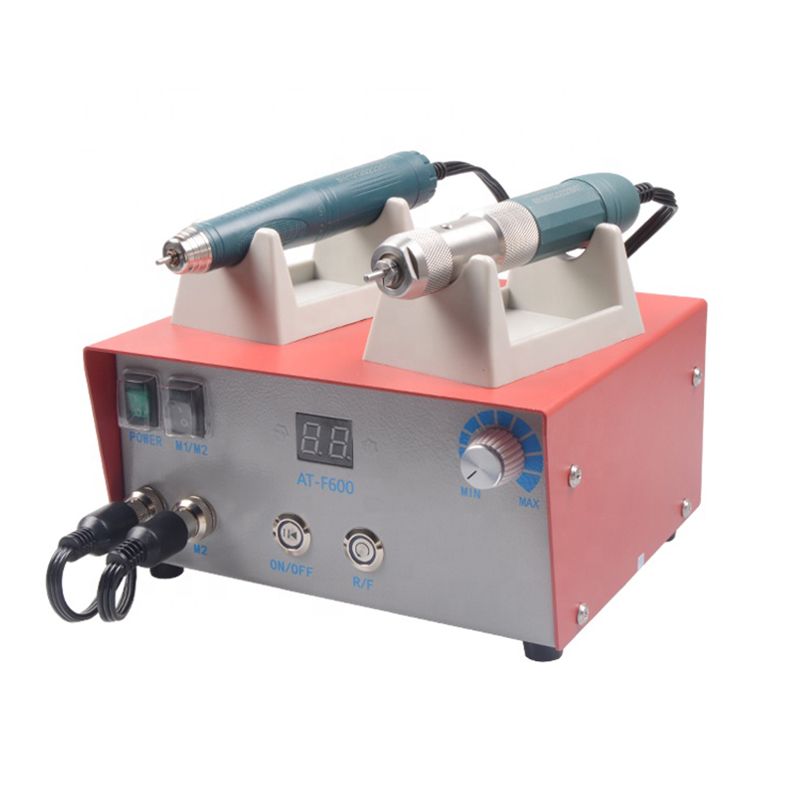
For companies looking to purchase multiple metal buffing machines, understanding wholesale options is crucial. Many manufacturers, including Fujian Aite Precision Machinery Co., Ltd., offer competitive pricing for bulk orders, which can significantly reduce overall costs.
When considering a wholesale purchase, keep the following in mind:
Minimum Order Quantity (MOQ): Different manufacturers have varying MOQs, so it’s important to confirm these requirements early in the process.Customization Needs: Discuss any specific customization your applications may require, such as alterations in specifications or additional accessories. Lead Time: Understand the lead time for production and delivery, as this can vary based on order size and customization requirements.Packaging and Shipping: Ensure the manufacturer provides suitable packaging to protect the machines during transit and confirm shipping options to your location. Engaging with suppliers about these aspects can ensure a smooth purchasing process and successful integration into your operations. Additionally, considering Spare Parts availability can be vital for maintenance and longevity of your investment.Metal buffing machines come equipped with a variety of features that enhance their usability and effectiveness. Here are some key features and their benefits:
Dual-Channel Control Chips: These provide precise control over the machine's speed and performance, allowing for adjustments based on different materials and finishes. This feature is essential for achieving consistent results.
High-Speed Operation: Machines designed for high-speed operation can significantly reduce buffing time, thus increasing overall productivity. This is particularly beneficial in high-volume manufacturing settings.
Versatile Buffing Wheels: The ability to use different types of buffing wheels allows for flexibility in finishing options. Depending on the application, users can switch between softer materials for delicate items and tougher materials for industrial parts.
Robust Build Quality: A well-constructed metal buffing machine minimizes the risk of breakdowns and maintenance issues over time, ensuring that your investment remains viable in the long term.
In summary, selecting a high-quality metal buffing machine with the right features can enhance your production efficiency and ensure a superior finish on metal products. By understanding your specific needs and evaluating the specifications, you can make an informed decision that aligns with your operational goals.
 EN
 AR
 BG
 HR
 CS
 DA
 NL
 FI
 FR
 DE
 EL
 IT
 JA
 NO
 PL
 PT
 RU
 ES
 SV
 CA
 TL
 IW
 ID
 LV
 SR
 SK
 SL
 UK
 SQ
 ET
 GL
 MT
 FA
 MS
 GA
 CY
 BE
 MK
 KA
 BN