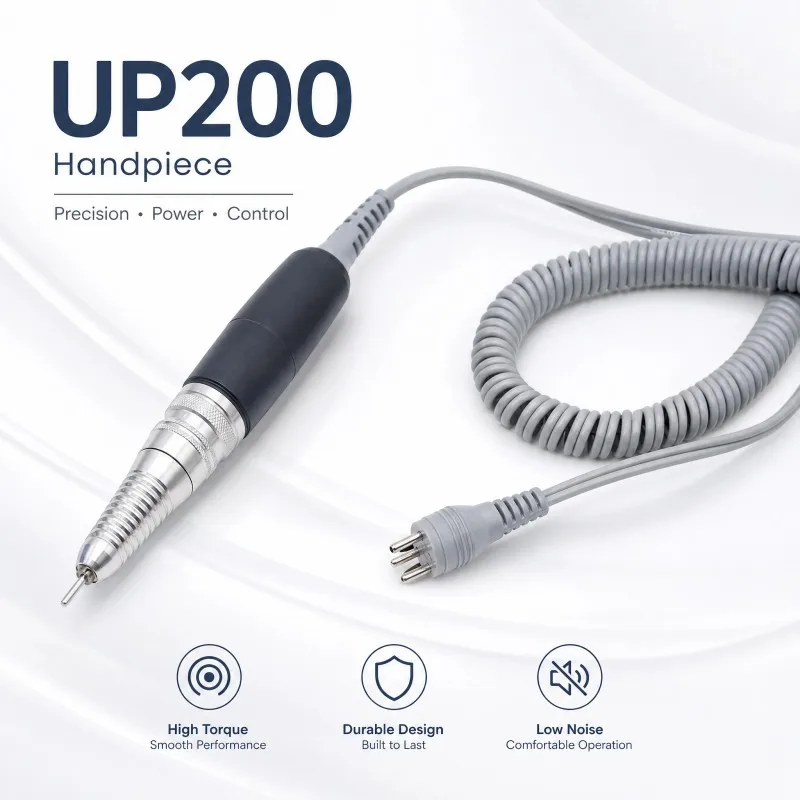
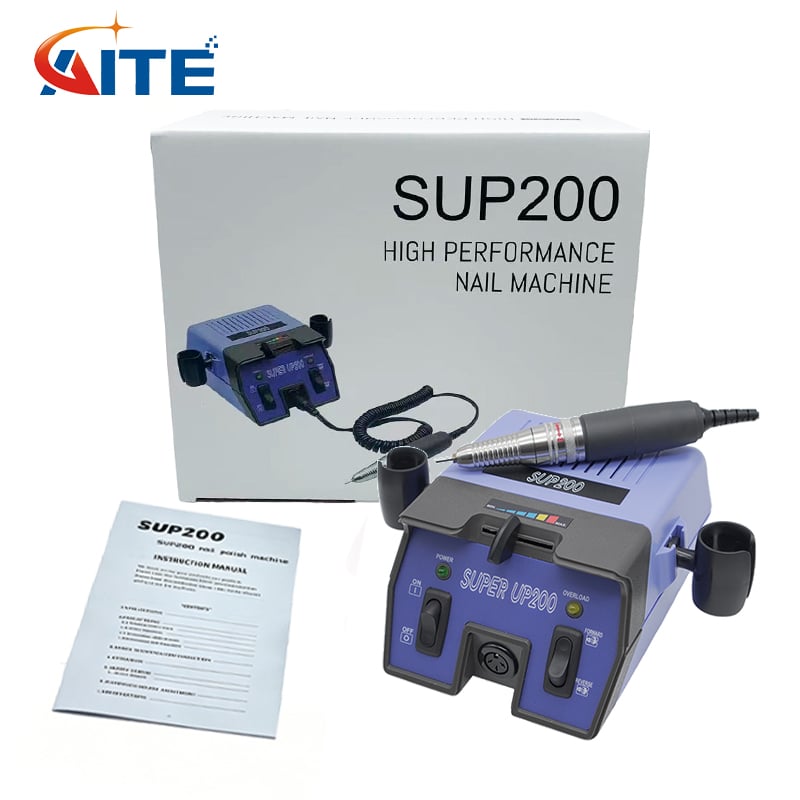
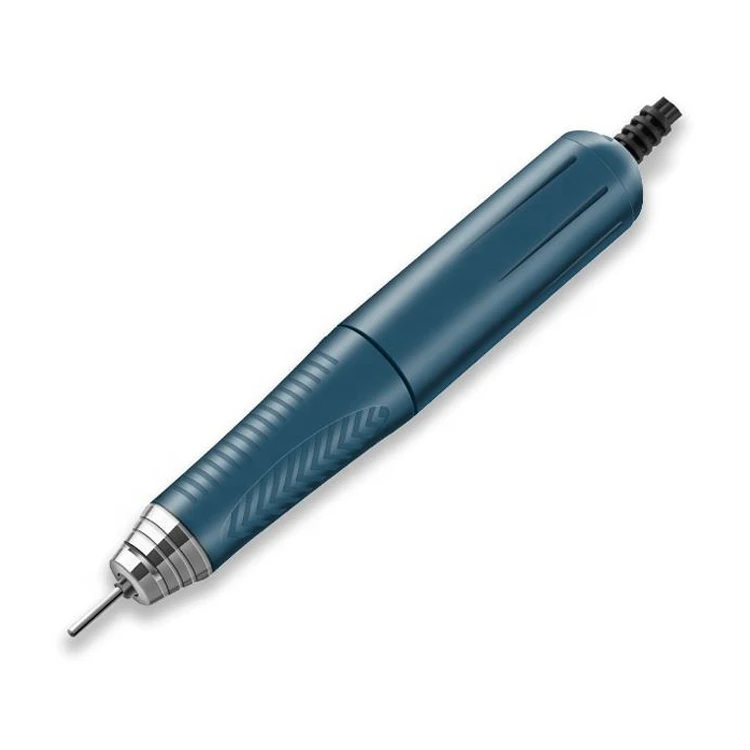
Polishing machines for metal are essential tools in various industries, ensuring that metal surfaces achieve the desired finish. For buyers in manufacturing and industrial sectors, understanding the specific requirements for choosing the right polishing machine is paramount. This article will address key buyer concerns, such as product specifications, common issues, and applications across different industries, helping purchasing managers, engineers, and product managers make informed decisions.
Selecting the appropriate polishing machine for metal finishing involves considering several factors. First, assess the type of metal you will be working with; different metals require different polishing techniques. For instance, softer metals like aluminum may require less aggressive polishing compared to harder metals like stainless steel.
Next, understand the machine's specifications. Key specifications include motor power, speed settings, and the type of polishing pads or brushes used. A machine with higher RPM (revolutions per minute) is typically more effective for achieving a finer finish. Additionally, look for machines that offer dual-channel control chips, which can provide stable output and better control over the polishing process.
Consider the machine's size and weight as well. If your workspace is limited, a compact and lightweight machine may be advantageous. Conversely, larger machines may offer more power and efficiency but require more floor space. If you are looking for other options, there are various models that may suit your needs.
Lastly, evaluate your production needs. If your operations demand high-volume output, you may need a machine designed for continuous use, while smaller operations may benefit from a more versatile, multifunctional machine.
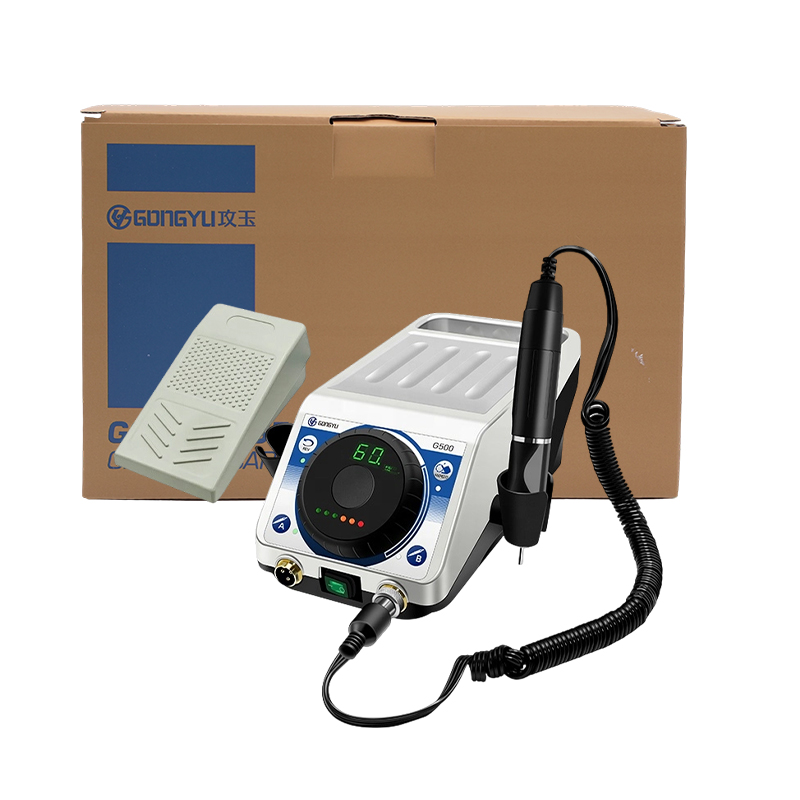
When purchasing a polishing machine for metal, it’s crucial to gather comprehensive information to ensure you make the right choice. Here are some essential considerations for your buyer's guide:
Specifications: Confirm key specifications such as motor type, power output, and speed settings. For example, a machine with a brushless motor can provide greater efficiency and longevity.
Customization Options: Many manufacturers offer customization to tailor machines to your specific requirements. This can include modifications to accommodate different polishing materials or adjustments to speed settings for specific applications. If you need specific spare parts for your machine, inquire about available options.
Quality Control: Look for suppliers that have established quality control processes. Ask about their quality certifications and whether they conduct regular inspections on their machines.
After-Sales Support: Inquire about warranty options, maintenance services, and availability of replacement parts. A reliable supplier should provide ongoing support to ensure machine longevity and performance.
Pricing: Understand the cost structure, including not just the initial purchase price but also maintenance costs and any necessary accessories.
Lead Time and MOQ: Always discuss the minimum order quantity (MOQ) as well as lead times for delivery. This is crucial for planning production schedules.
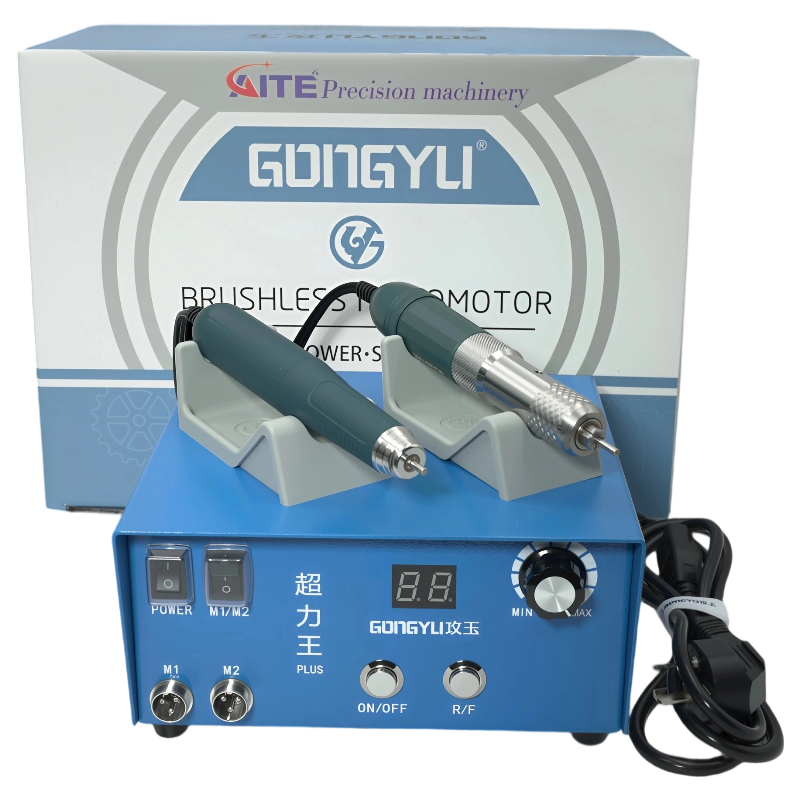
The cost of polishing machines can vary widely based on several factors. Here are the main elements that influence pricing:
Machine Specifications: Higher-end models with advanced features, such as dual-channel control and variable speed settings, will typically cost more.
Material Quality: The quality of materials used in the machine's construction can impact durability and performance. Machines made from high-quality metals or with superior components will usually come at a premium.
Customization: Custom-built machines tailored for specific applications can significantly increase costs. While customization can improve efficiency, it’s essential to weigh this against budget constraints.
Brand Reputation: Established brands with proven track records in the industry may command higher prices due to their reliability and customer support.
Shipping Costs: Consider transportation costs, especially if the machine is being imported. This can add a significant amount to the total cost.
Maintenance and Operational Costs: Factor in costs for maintenance, potential repairs, and the need for consumables like polishing pads and brushes.
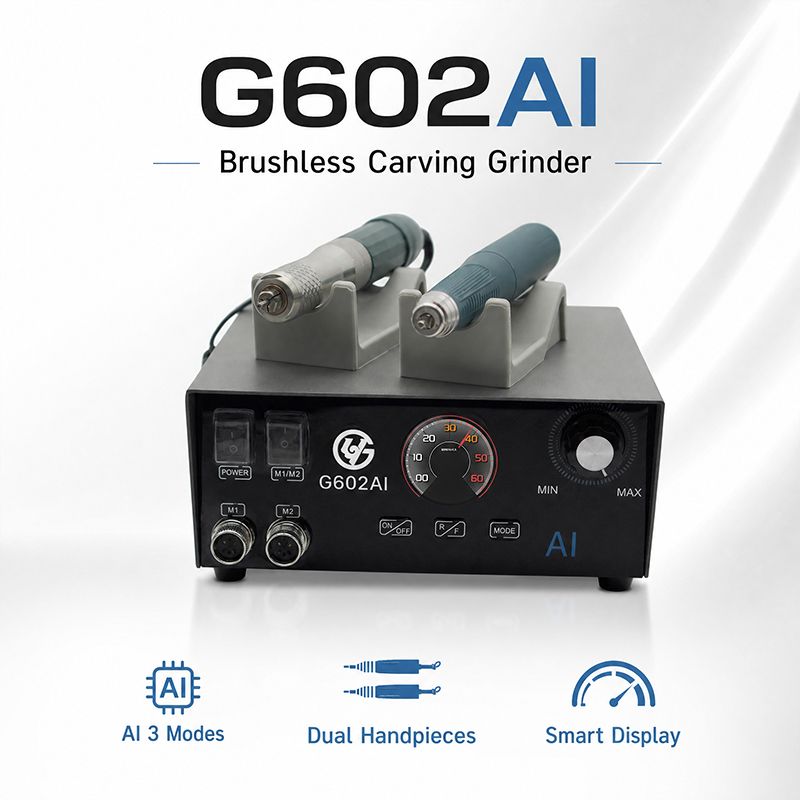
While polishing machines are designed for efficiency, they can encounter issues that could affect performance. Here are common problems and their solutions:
Inconsistent Finishing: If the machine is not calibrated correctly, it can lead to uneven surfaces. Regular maintenance and calibration checks are essential to ensure consistent performance.
Overheating: Machines may overheat if used continuously without breaks. This can be mitigated by following the manufacturer's recommended operating times and ensuring proper ventilation during use.
Wear and Tear on Components: Frequent use can lead to wear on polishing pads and brushes. It’s advisable to regularly inspect these components and replace them as needed to maintain optimal performance.
Noise Levels: Excessive noise can indicate mechanical issues. If the machine produces unusual sounds, it should be inspected by a professional to diagnose the problem and avoid further damage.
Electrical Failures: Issues with electrical components may arise, especially in older machines. Regular inspections and prompt repairs can prevent major breakdowns and improve longevity.
Polishing machines for metal have a wide range of applications across various industries. Here are some key sectors where these machines are essential:
Jewelry Manufacturing: In the jewelry industry, polishing machines are used to achieve high-gloss finishes on precious metals, enhancing their aesthetic appeal.
Dental Industry: Dental tools and instruments require precise polishing to ensure safety and effectiveness. Specialized polishing machines help achieve the necessary finish for these applications.
Nail Salons: Polishing machines are also used in nail salons for manicures and pedicures, where smooth and shiny finishes are desired on artificial nails. Devices like the Nail drill machine can be particularly useful.
Automotive Manufacturing: In automotive production, polishing machines are employed to achieve smooth finishes on metal parts, which can improve both appearance and performance.
Aerospace: Polishing machines are used to refine components in the aerospace industry, where precision and surface quality are critical for safety and performance.
Understanding the aspects of polishing machines for metal is vital for making an informed purchasing decision. From choosing the right specifications to recognizing common issues, this guide offers insights that can enhance your evaluation process and ensure you select a machine that meets your operational needs.
 EN
 AR
 BG
 HR
 CS
 DA
 NL
 FI
 FR
 DE
 EL
 IT
 JA
 NO
 PL
 PT
 RU
 ES
 SV
 CA
 TL
 IW
 ID
 LV
 SR
 SK
 SL
 UK
 SQ
 ET
 GL
 MT
 FA
 MS
 GA
 CY
 BE
 MK
 KA
 BN