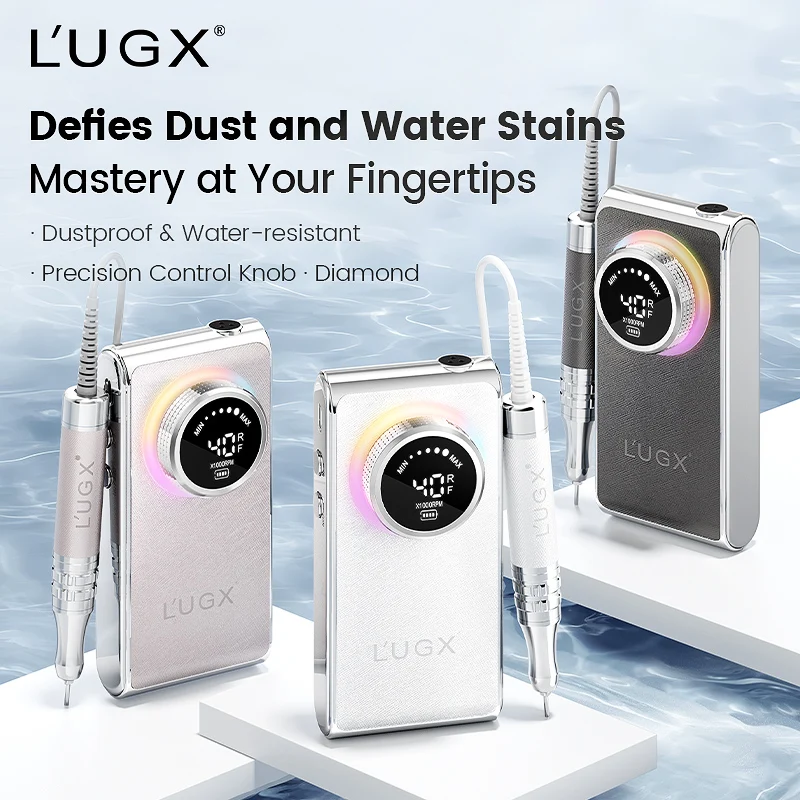
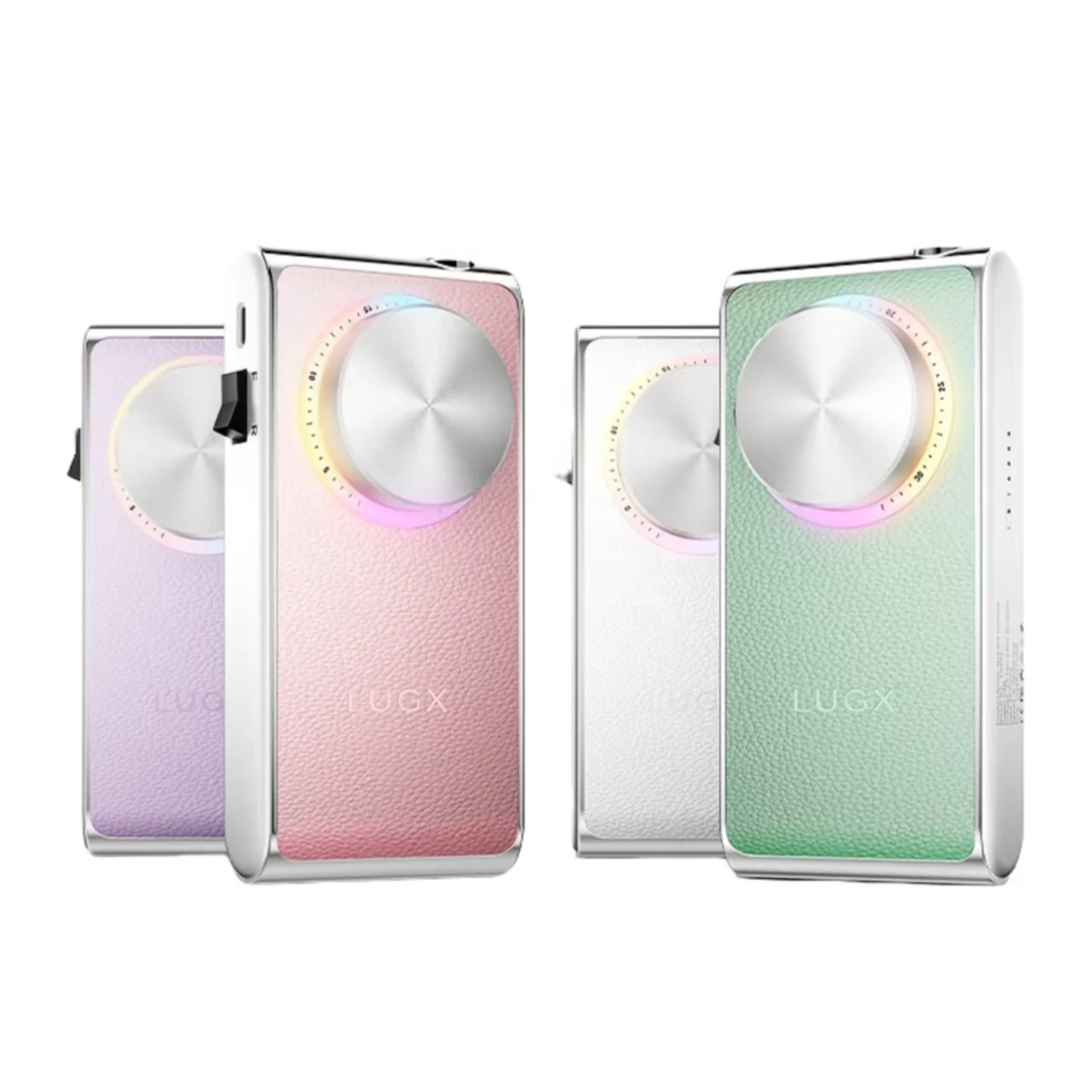
Metal polishing equipment plays a crucial role in achieving a smooth and shiny finish on various materials, particularly metals. For B2B buyers—such as purchasing managers, contractors, and engineers—understanding the specifications, quality, and operational considerations of this equipment is essential to making informed decisions. This article will explore key aspects of metal polishing equipment, addressing buyer concerns about specifications, product quality, common issues, cost factors, and installation guidance.
When considering bulk orders of metal polishing equipment, it is important to focus on several specifications that directly affect performance. Key specifications to evaluate include the motor speed (measured in RPM), power consumption, and type of polishing head.
Motor Speed: A higher RPM typically results in a faster polishing process, but it can also generate more heat. Buyers should assess the material being polished to determine the suitable motor speed. For delicate items, such as jewelry, a lower speed may be necessary to avoid damage.
Power Consumption: The power of the equipment, measured in watts, impacts both efficiency and operational costs. Equipment with higher wattage may be more effective for heavy-duty applications, but it is essential to match power to the intended use case.
Polishing Head Type: Different polishing heads (such as felt, foam, or abrasive) are designed for specific applications. Understanding the material compatibility and desired finish is key to selecting the right polishing head.
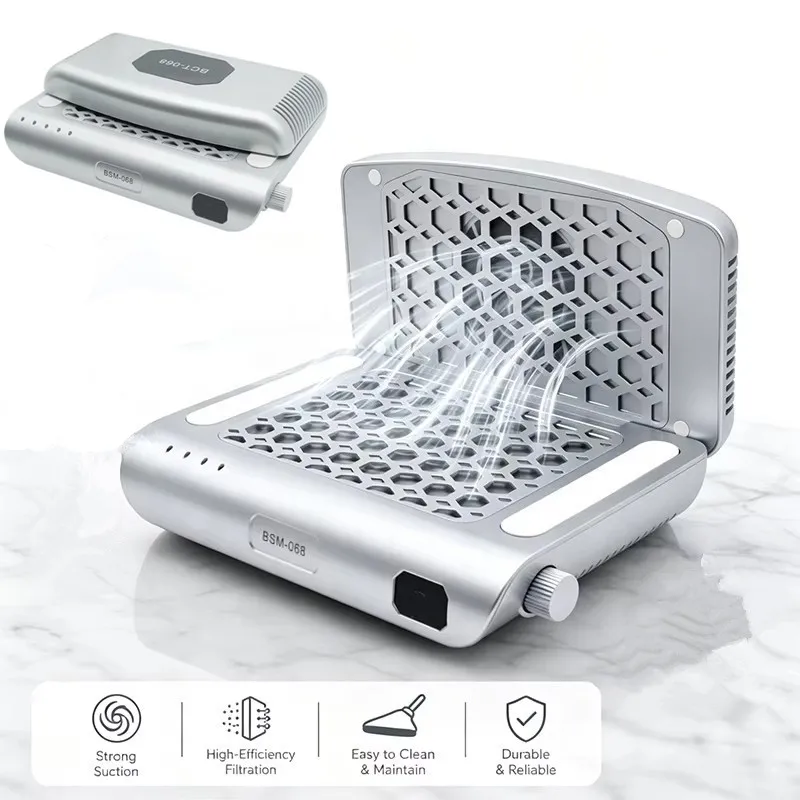
Customization Options: Depending on production needs, buyers may want to inquire about customization capabilities to accommodate specific polishing tasks. For instance, a professional vacuum cleaner can be a great addition to ensure cleanliness during the polishing process.
By thoroughly understanding these specifications, buyers can ensure that they select equipment that meets their operational requirements and enhances productivity.

Quality is paramount when it comes to metal polishing equipment, as it directly affects the final output and operational efficiency. Contractors should focus on several quality indicators when evaluating equipment:
Materials Used: The construction materials of the equipment should be durable and resistant to corrosion and wear. Stainless steel and high-grade aluminum are popular choices that ensure longevity.
Manufacturing Standards: Verify if the manufacturer adheres to recognized industry standards. This can include certifications related to safety, quality control, and environmental management systems.
Testing and Quality Control Processes: Understanding the manufacturer’s quality assurance processes can prevent common pitfalls. A robust testing protocol should include performance checks, safety assessments, and durability tests before products are shipped.
User Reviews and Case Studies: Gathering feedback from existing users and examining case studies can provide insights into the equipment's reliability and performance in real-world conditions.
By prioritizing these factors, contractors can minimize the risks associated with poor-quality equipment, which can lead to increased downtime and higher operational costs.

While metal polishing equipment is designed for efficiency, users may encounter several common issues. Being aware of these challenges can help buyers proactively address them:
Overheating: Excessive heat generation can warp materials or damage the polishing head. To mitigate this, users should monitor operational speeds and provide adequate cooling or intervals during prolonged use.
Inconsistent Finishing: Variability in the polishing finish can arise from worn polishing heads or incorrect speed settings. Regular maintenance and timely replacement of polishing heads are essential to maintaining consistent results.
Vibration and Noise: High levels of vibration may indicate misalignment or balance issues. Regular inspection and maintenance can help identify and resolve these problems, leading to smoother operation.
Electrical Failures: Electrical issues can stem from inadequate power supply or faulty wiring. Ensuring proper installation and adherence to electrical specifications can significantly reduce the likelihood of failures.
Addressing these common problems with proactive maintenance and proper usage can extend the lifespan of metal polishing equipment and enhance overall productivity.

Cost considerations are crucial for budget-conscious buyers looking to invest in metal polishing equipment. Here are key factors that influence pricing:
Initial Purchase Price: The upfront cost of equipment can vary widely based on specifications, brand reputation, and features. Buyers should assess their specific needs against available options to find a balance between cost and functionality.
Operating Costs: Beyond the purchase price, operational costs such as electricity consumption, maintenance, and replacement parts should be factored into the total cost of ownership. Equipment with lower power consumption can result in significant savings over time.
Customization and Accessories: Custom equipment or specialized accessories can increase initial costs. However, tailored solutions may lead to enhanced efficiency and better results, justifying the investment. For example, considering a brushed micromotor could be beneficial for specific polishing tasks.
Warranty and Support: The availability of warranties and customer support can influence overall costs. A reliable warranty can protect against unforeseen expenses related to repairs or defects.
By carefully evaluating these cost factors, buyers can make informed decisions that align with their budget while still meeting operational requirements.
Proper installation of metal polishing equipment is crucial for ensuring optimal performance and safety. Here are some key considerations for buyers:
Site Preparation: Ensure that the installation area is well-ventilated, with sufficient space for operation and maintenance. This is especially important for equipment that generates heat or dust.
Electrical Requirements: Verify that the electrical supply meets the specifications of the equipment. This includes checking voltage, amperage, and ensuring proper grounding to prevent electrical hazards.
Training for Operators: Providing comprehensive training for operators can significantly enhance safety and operational efficiency. Operators should understand the equipment’s features, maintenance requirements, and best practices for use.
Regular Maintenance Schedule: Establishing a routine maintenance schedule can help prevent performance issues and extend the lifespan of the equipment. This includes regular inspections, cleaning, and parts replacement as needed.
By following these installation guidelines, buyers can maximize the efficiency and effectiveness of their metal polishing equipment, leading to better outcomes in their polishing operations.
 EN
 AR
 BG
 HR
 CS
 DA
 NL
 FI
 FR
 DE
 EL
 IT
 JA
 NO
 PL
 PT
 RU
 ES
 SV
 CA
 TL
 IW
 ID
 LV
 SR
 SK
 SL
 UK
 SQ
 ET
 GL
 MT
 FA
 MS
 GA
 CY
 BE
 MK
 KA
 BN