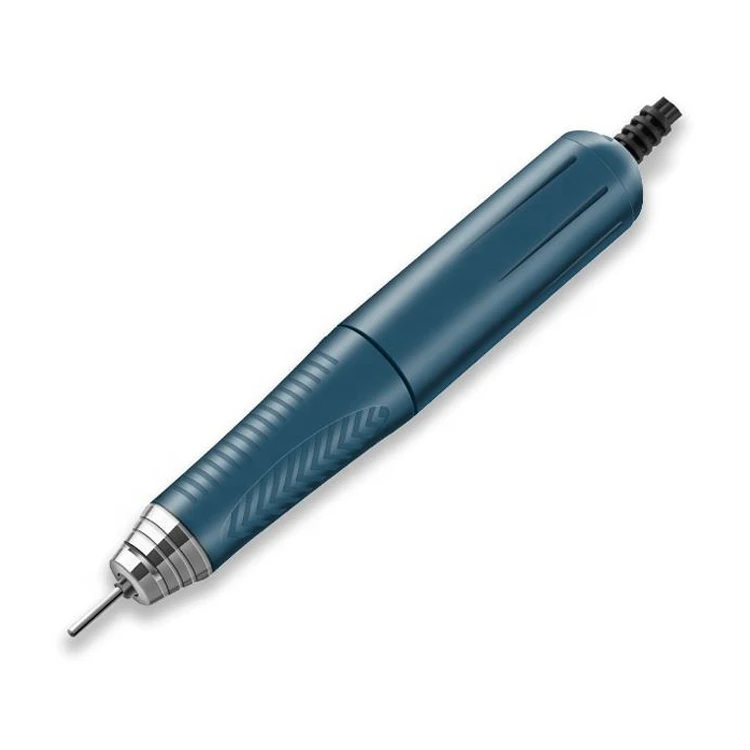
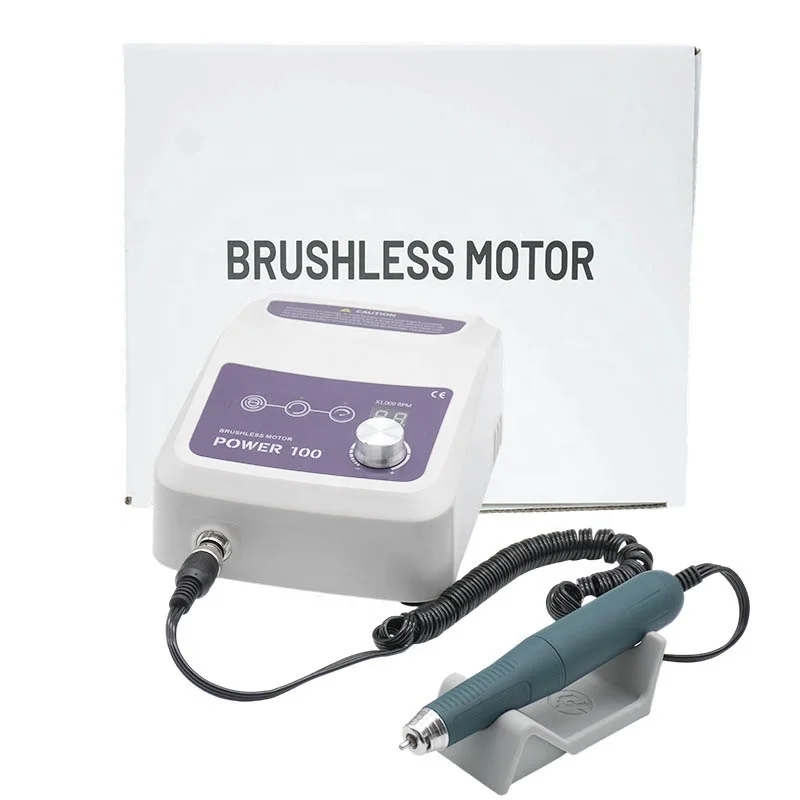
Investing in a stainless engraving machine is a critical decision for businesses in various sectors, including jewelry, dentistry, and nail salons. These machines offer precision and efficiency, but potential buyers often have concerns regarding specifications, applications, and supplier reliability. This article will delve into key considerations when evaluating stainless engraving machines, helping you make an informed purchasing decision.
When assessing stainless engraving machines, several specifications are essential to ensure they meet your operational needs.
Engraving Speed: The speed of the machine affects productivity. Higher speeds can significantly reduce production time, especially in commercial applications where multiple pieces are processed.
Power Output: Machines with higher wattage typically offer better engraving performance, particularly on tougher materials. Evaluate the power output to ensure it aligns with your engraving requirements.
Precision and Accuracy: Look for machines that offer high precision levels, measured in microns. This is crucial for applications like jewelry engraving, where detail matters most.
Material Compatibility: Ensure the engraving machine is designed to handle stainless steel and other materials you may need to engrave. Some machines are optimized for specific materials and may not perform well with others. For instance, if you're interested in versatility, you may want to explore options for Spare Parts that can enhance the machine's capabilities.
Control Systems: Machines equipped with advanced control systems—like dual-channel control chips—provide more stable output and better engraving quality. This is particularly beneficial for intricate designs.
Size and Weight: Consider the physical dimensions and weight of the machine, especially if you have space constraints. A compact machine might be necessary for smaller workshops.
Understanding these specifications will help you determine whether a particular stainless engraving machine can fulfill your operational requirements efficiently.

Choosing the right supplier is as crucial as selecting the engraving machine itself. Here are several factors to consider when searching for reliable suppliers:
Manufacturer Reputation: Research the supplier's background, years of experience, and customer reviews. Established manufacturers like Fujian Aite Precision Machinery Co., Ltd. often have a proven track record in the industry.
Product Range and Customization: A supplier that offers a variety of models and customization options can better meet your specific needs. Inquire about the possibility of tailored solutions that fit your unique applications, such as Handpiece options for engraving.
Quality Control Processes: Understanding the supplier's quality control measures is vital. Ask about their inspection processes, certifications, and whether they hold any patents or industry awards.
After-Sales Support: Evaluate the level of customer service and support provided post-purchase. Reliable suppliers should offer assistance with installation, maintenance, and troubleshooting.
Export Markets and Experience: If you are an international buyer, ensure the supplier has experience in exporting machinery to your region. This can affect lead times and shipping logistics.
By focusing on these aspects, you can find a supplier that not only provides a quality product but also supports your business needs effectively.

The cost of stainless engraving machines can vary significantly based on several factors. Understanding these can help you budget effectively:
Initial Purchase Price: While it may be tempting to choose the least expensive option, consider the balance between cost and quality. Cheaper machines may require more maintenance or replacement parts over time, leading to higher long-term costs.
Operating Costs: Assess the energy consumption of the machine and the cost of consumables, such as engraving bits or replacement parts. Machines with lower energy consumption can lead to savings in operational costs.
Customization Fees: If you require specific features or modifications, suppliers may charge additional fees. Make sure to clarify any potential costs associated with customization.
Shipping and Installation: Factor in the costs for shipping and installation. Some suppliers may include these in the purchase price, while others might charge separately.
Warranty and Maintenance Plans: A machine with a comprehensive warranty may have a higher upfront cost but can save you money on repairs and replacements in the long run. Evaluate the maintenance plans offered by the supplier.
By considering these cost factors, you can better prepare for the financial implications of acquiring a stainless engraving machine.

Successful installation of a stainless engraving machine is crucial for optimal performance. Here are common issues that may arise, along with solutions:
Power Supply Compatibility: Ensure that the machine’s power requirements align with your facility's electrical system. If there’s a mismatch, consult with an electrician to address voltage or amperage issues.
Space Constraints: Before installation, measure the intended installation area to ensure the machine fits comfortably. Consider additional space for operational clearance and maintenance access.
Software Integration: Some engraving machines require specific software for operation. Ensure compatibility with your existing systems and verify that you have the necessary technical support for software installation.
Calibration and Setup: Improper calibration can lead to poor engraving quality. Follow the manufacturer's guidelines carefully and consider having a technician assist with the initial setup.
Training for Operators: Lack of training can lead to operational mistakes. Ensure that your staff is adequately trained on how to use and maintain the machine effectively.
By addressing these common installation issues proactively, you can ensure a smoother transition into using your new engraving machine.
Stainless engraving machines have a wide range of applications across different industries, each requiring specific capabilities:
Jewelry Manufacturing: In the jewelry industry, engraving machines are used for personalizing pieces with names, dates, or intricate designs. The precision of the engraving must be high to maintain the aesthetic quality of the jewelry.
Dental Applications: Dental professionals utilize engraving machines to create custom dental devices, such as crowns and bridges, where precision is critical for patient fit and comfort.
Nail Salons: Engraving machines are also popular in nail salons, where they can be used to create intricate designs on acrylic nails. The ability to engrave quickly and accurately is essential for high-volume salons.
Industrial Applications: In industrial settings, engraving machines are used for marking parts and components, providing essential information like serial numbers, barcodes, or logos that are vital for traceability and branding. To enhance efficiency in your operations, consider options like a Nail dust collector as well.
Understanding the specific applications of stainless engraving machines can help you select the right model that meets the demands of your industry and enhances your operational efficiency.
 EN
 AR
 BG
 HR
 CS
 DA
 NL
 FI
 FR
 DE
 EL
 IT
 JA
 NO
 PL
 PT
 RU
 ES
 SV
 CA
 TL
 IW
 ID
 LV
 SR
 SK
 SL
 UK
 SQ
 ET
 GL
 MT
 FA
 MS
 GA
 CY
 BE
 MK
 KA
 BN