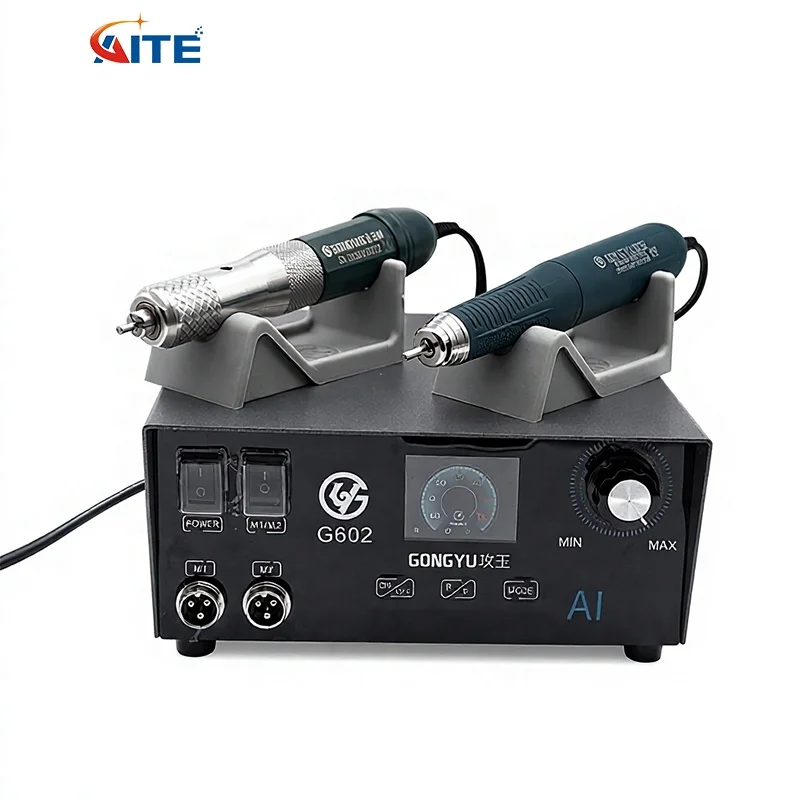
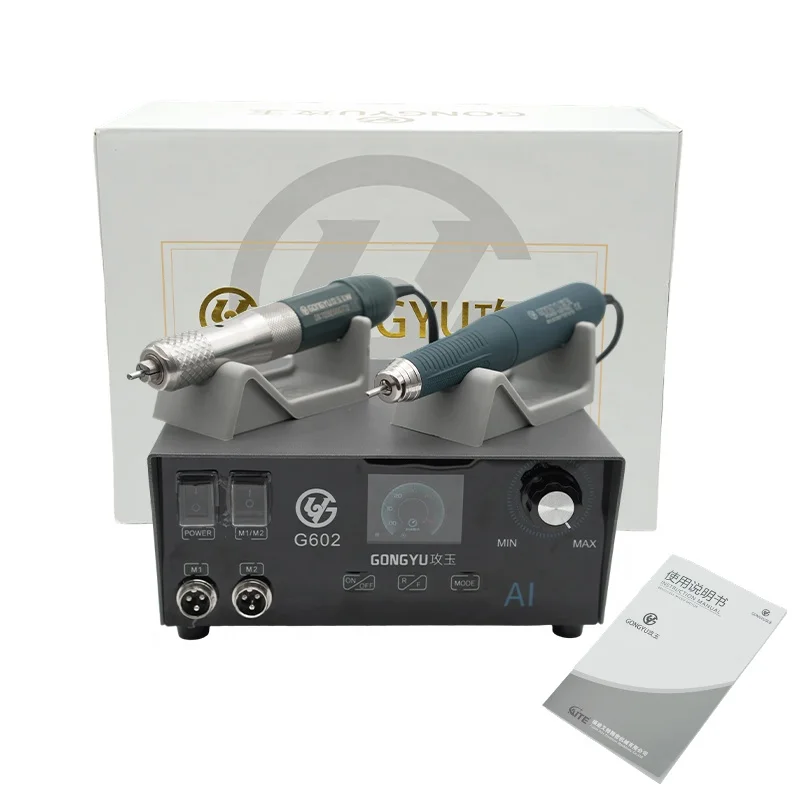
When selecting a carving machine for wholesale purposes, several critical factors must be considered to ensure you meet the needs of your business. A carving machine is a versatile tool used in various industries, including jewelry making, dentistry, and nail salons, primarily for detailed engraving and shaping. As a B2B buyer, you may have concerns regarding functionality, compatibility with existing equipment, and overall quality. This article aims to provide comprehensive insights into selecting the right carving machine, comparing suppliers, understanding cost factors, and ensuring efficient installation.
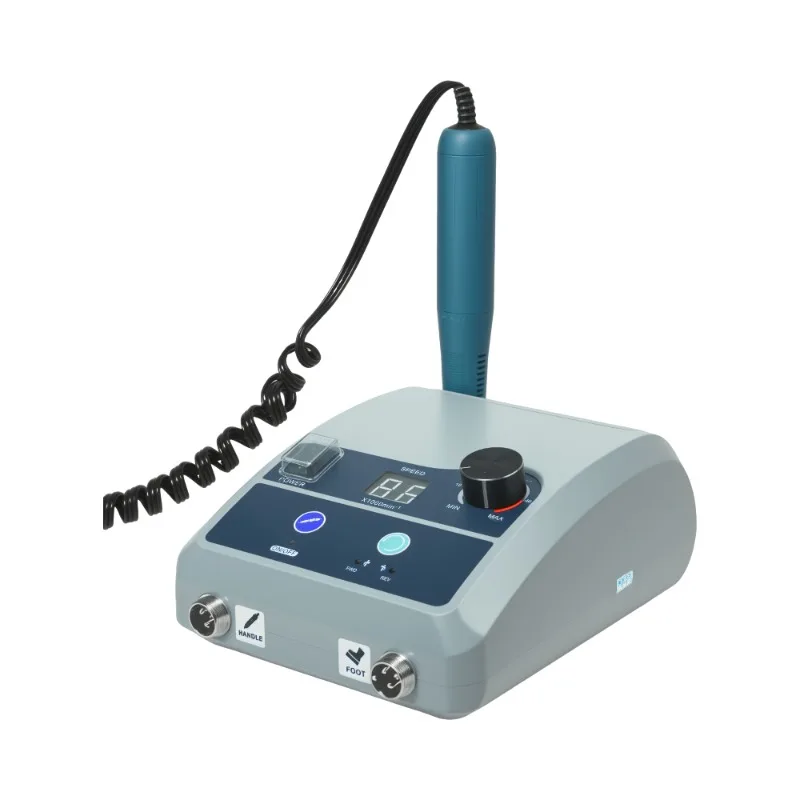
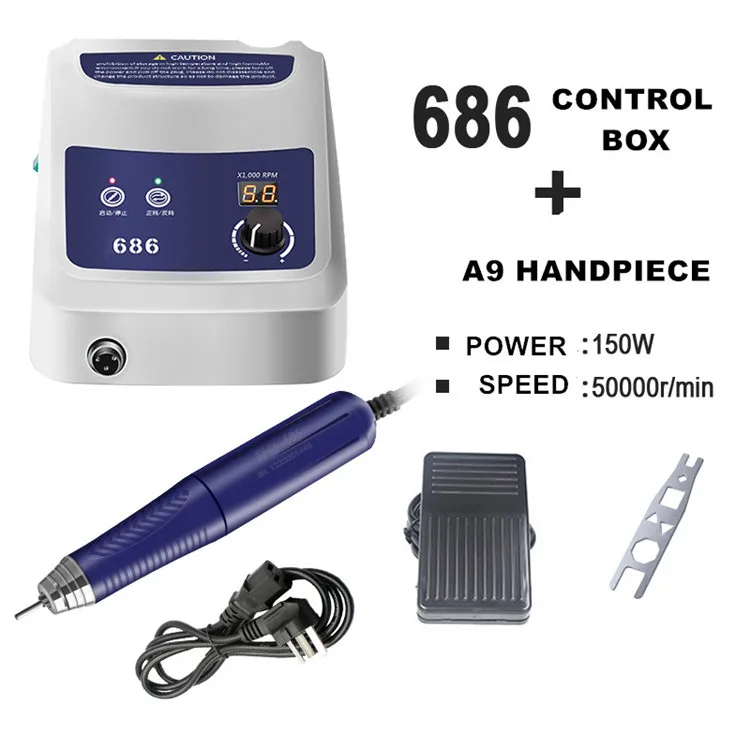
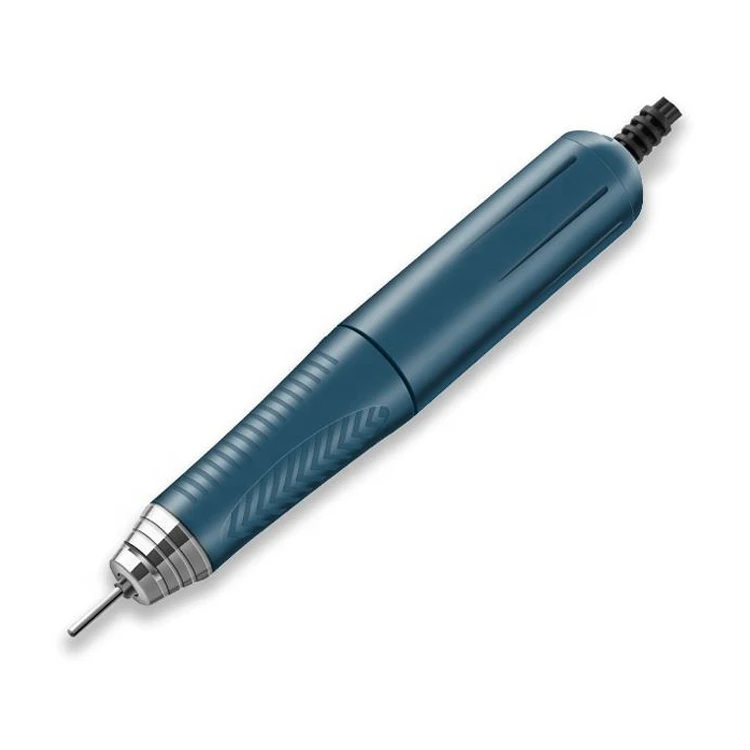
When selecting a carving machine, the first consideration is its intended application. Different machines cater to specific materials and usage scenarios. For example, a high-speed brushless electronic grinder may be ideal for jewelry and dental applications due to its precision and efficiency. Key specifications to consider include:
Power and Speed: Look for machines with adjustable speed settings to accommodate various materials. Higher RPMs (Revolutions Per Minute) can enhance precision but may not be suitable for all materials.Control Features: Machines with dual-channel control chips offer more stability and performance consistency, which is advantageous for repetitive tasks.Material Compatibility: Ensure the chosen machine can handle the specific materials you typically work with, such as metal, plastic, or ceramics.Ease of Use and Maintenance: Consider machines that are user-friendly and require minimal maintenance to reduce downtime. By confirming these specifications, you can select a carving machine that aligns with your operational requirements. Additionally, exploring options for From alibaba can provide valuable insights into available products and suppliers.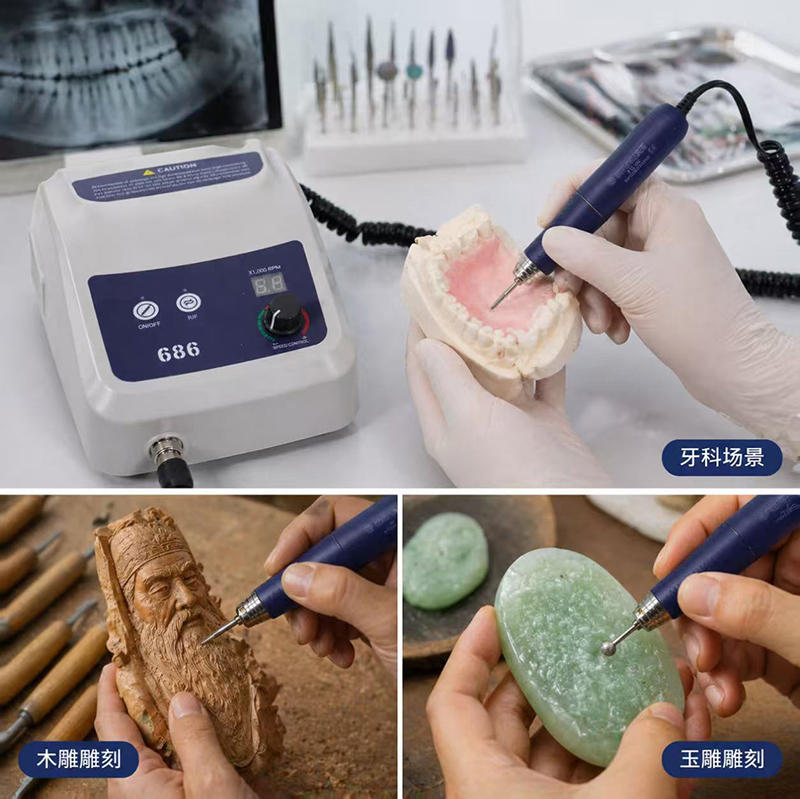
Evaluating suppliers is a crucial step in ensuring you get the best carving machine for your needs. Here are factors to consider during your assessment:
Manufacturing Capabilities: Investigate the supplier's experience in producing carving machines. A company like Fujian Aite Precision Machinery Co., Ltd., with a focus on high-speed brushless technology, can demonstrate expertise in this area.Customization Options: Check whether the supplier offers customization for specific requirements, such as machine size or additional features.Quality Control Processes: Ensure that the supplier follows stringent quality control measures, such as ISO certifications or regular testing of components, to guarantee the durability and reliability of the machines.Customer Support and Service: Consider the level of support provided post-purchase. Suppliers that offer training, technical assistance, and timely maintenance services can significantly impact operation efficiency. By choosing a reliable supplier, you can ensure better access to Spare Parts and support for your carving machines.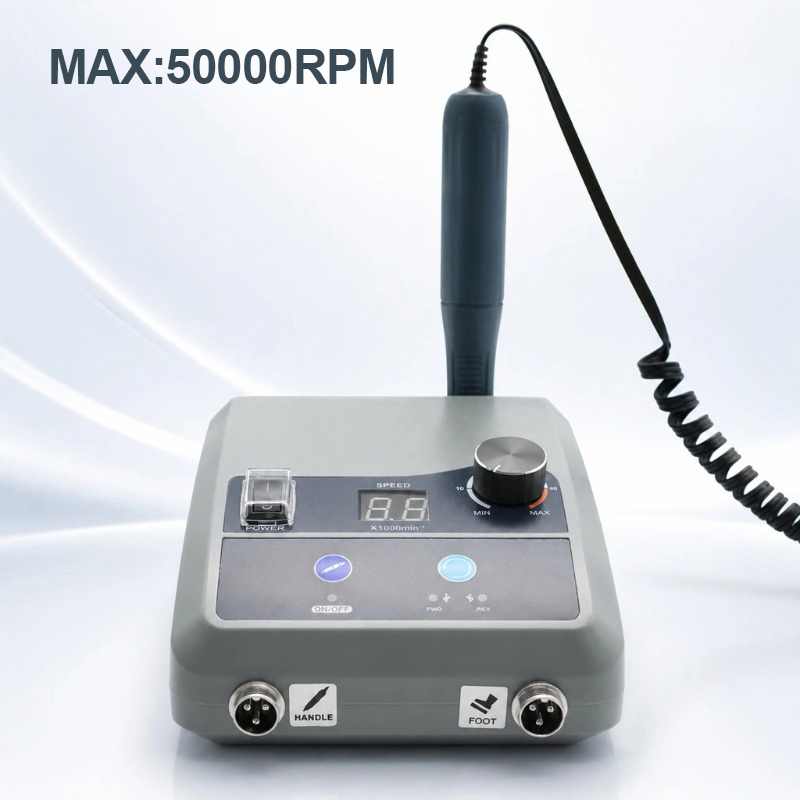
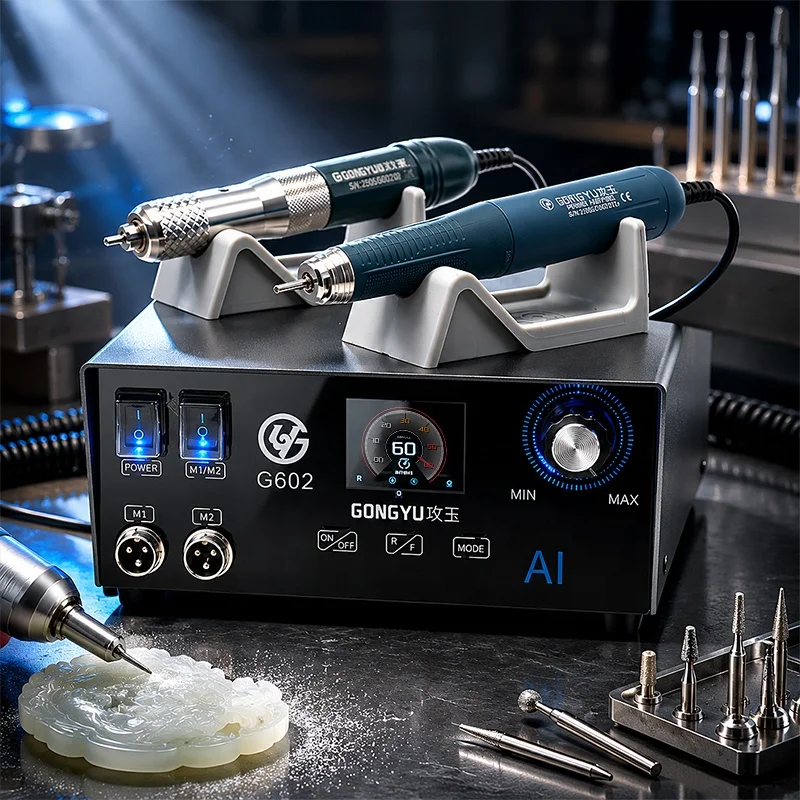
Carving machines serve diverse functions across industries. Understanding their applications helps you make informed decisions regarding their purchase. Some of the top applications include:
Jewelry Making: Carving machines are crucial for intricate designs and detailed engravings in metals and gemstones, enhancing the final product's aesthetic appeal.Dentistry: In dental labs, carving machines are used for crafting precise dental crowns and custom fittings, ensuring patient comfort and satisfaction.Nail Salons: Nail technicians utilize carving machines for nail art and precision shaping, allowing for creative designs that cater to customer preferences.Prototyping and Model Making: Industries involved in product design use carving machines to create prototypes, ensuring that products meet design specifications before mass production. By understanding these applications, you can better evaluate which features are essential for your business's specific needs.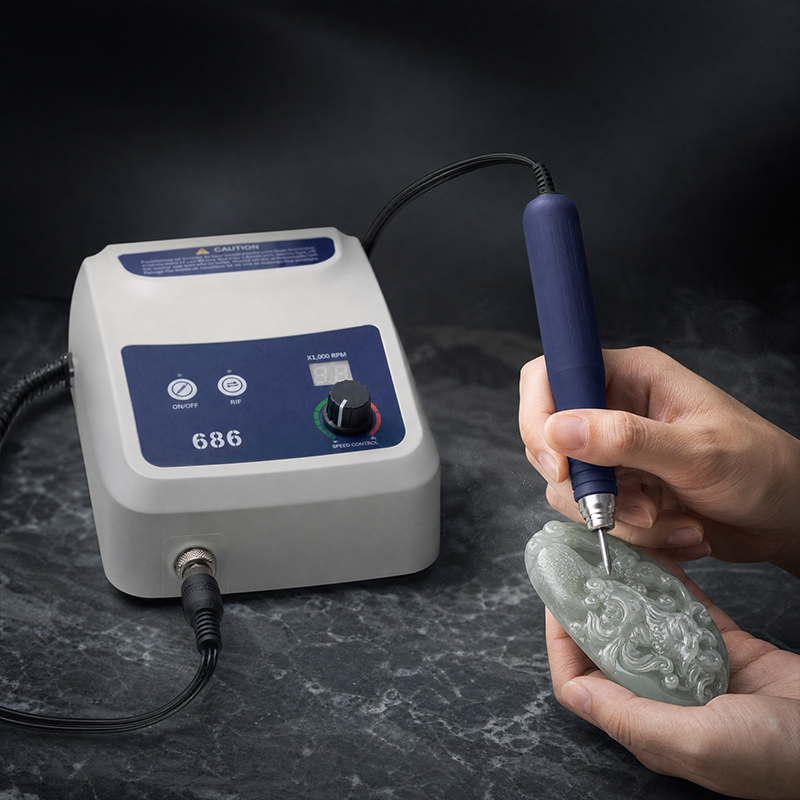
When considering bulk orders of carving machines, several cost factors come into play:
Unit Price: Bulk orders typically come with a lower unit price, but it's essential to compare the total cost against the features offered. A lower price may not always indicate better value.Shipping and Handling: Factor in shipping costs, especially if ordering from overseas. Ensure that the supplier has reliable logistics to minimize potential delays.Customization Costs: If you require customized machines, understand how these modifications will impact the price.Warranty and Service Agreements: Evaluate the cost of warranties and service agreements, as these can affect long-term operational costs. By understanding these factors, you can better assess your budget and negotiate effectively with suppliers.Proper installation of your carving machine is vital to ensure optimal performance. Here are key considerations:
Location Setup: Choose a clean, dry space that minimizes vibration and noise interference. This setting can enhance the machine's precision and longevity.Electrical Requirements: Ensure that the machine is connected to a suitable power source. Check voltage and current specifications to avoid any operational issues.Calibration and Testing: Once installed, calibrate the machine according to the manufacturer’s guidelines. Run test engravings to confirm settings before starting full production.Training for Operators: Provide training for operators on the machine’s features and maintenance requirements. This knowledge is crucial for maximizing efficiency and minimizing errors. By following these guidelines, you can ensure that your carving machine is set up for success, leading to better productivity and product quality. Understanding these facets of carving machines—from selection to installation—equips B2B buyers with the insights necessary for making informed purchasing decisions. EN
 AR
 BG
 HR
 CS
 DA
 NL
 FI
 FR
 DE
 EL
 IT
 JA
 NO
 PL
 PT
 RU
 ES
 SV
 CA
 TL
 IW
 ID
 LV
 SR
 SK
 SL
 UK
 SQ
 ET
 GL
 MT
 FA
 MS
 GA
 CY
 BE
 MK
 KA
 BN