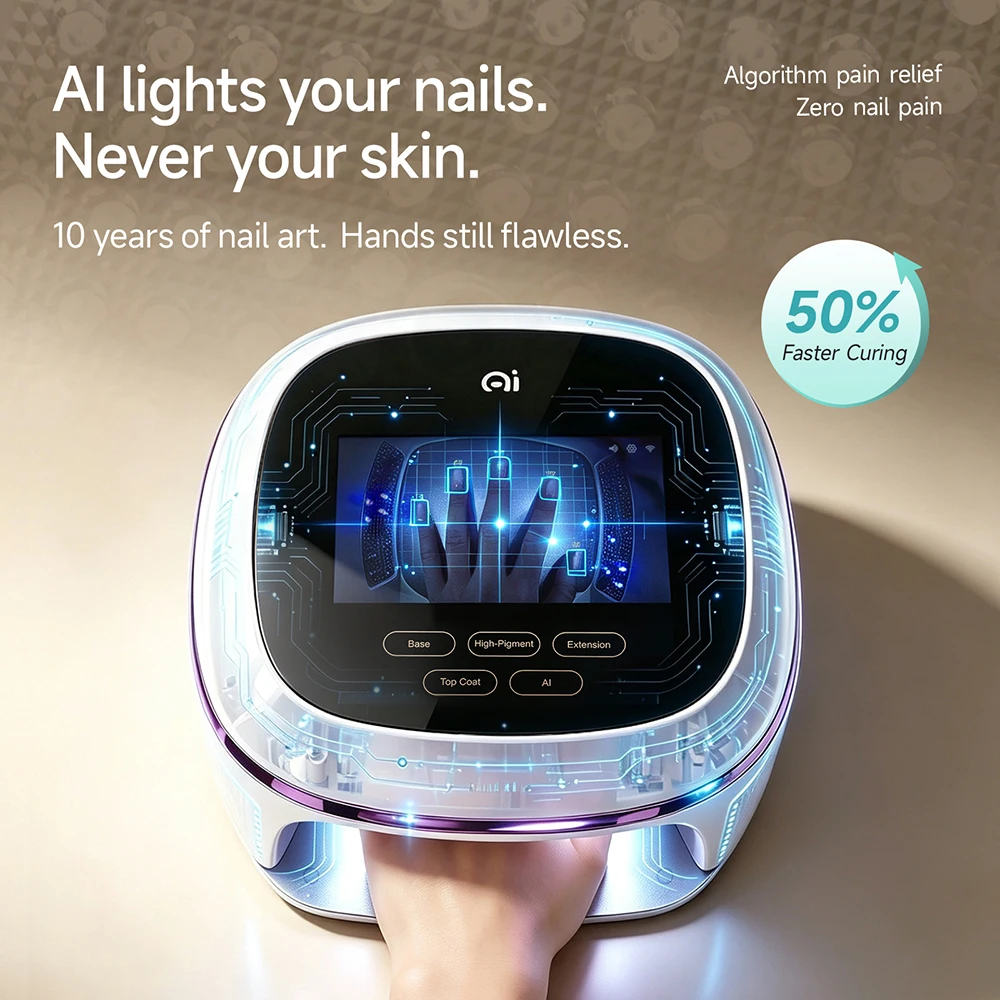
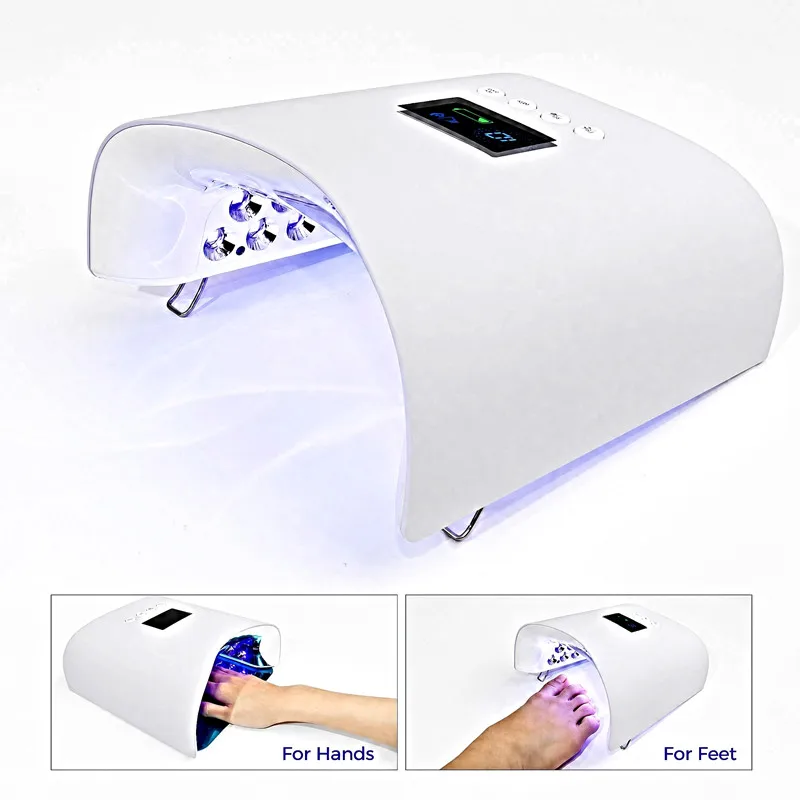
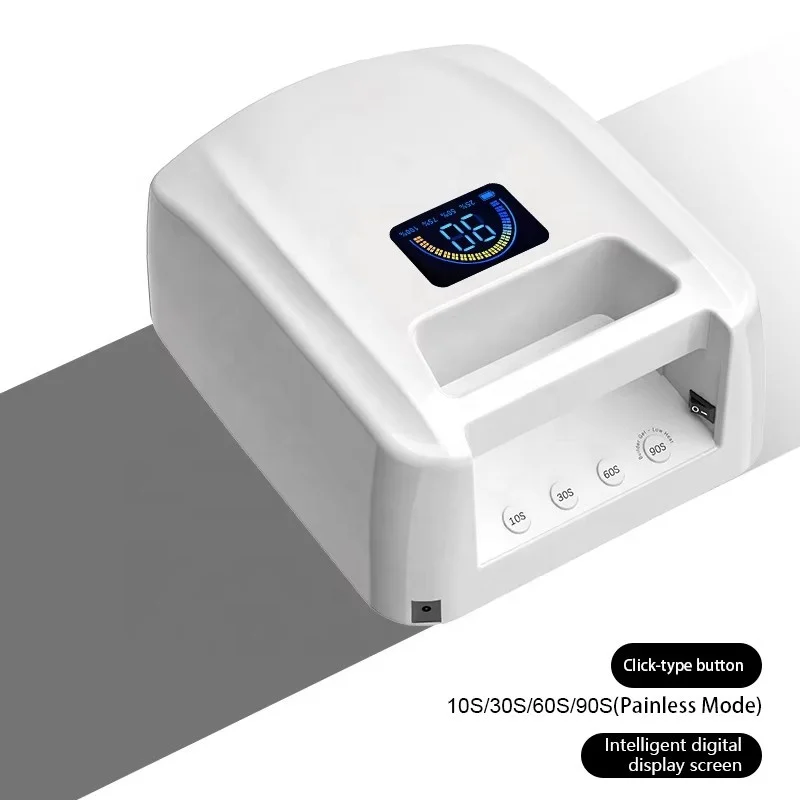
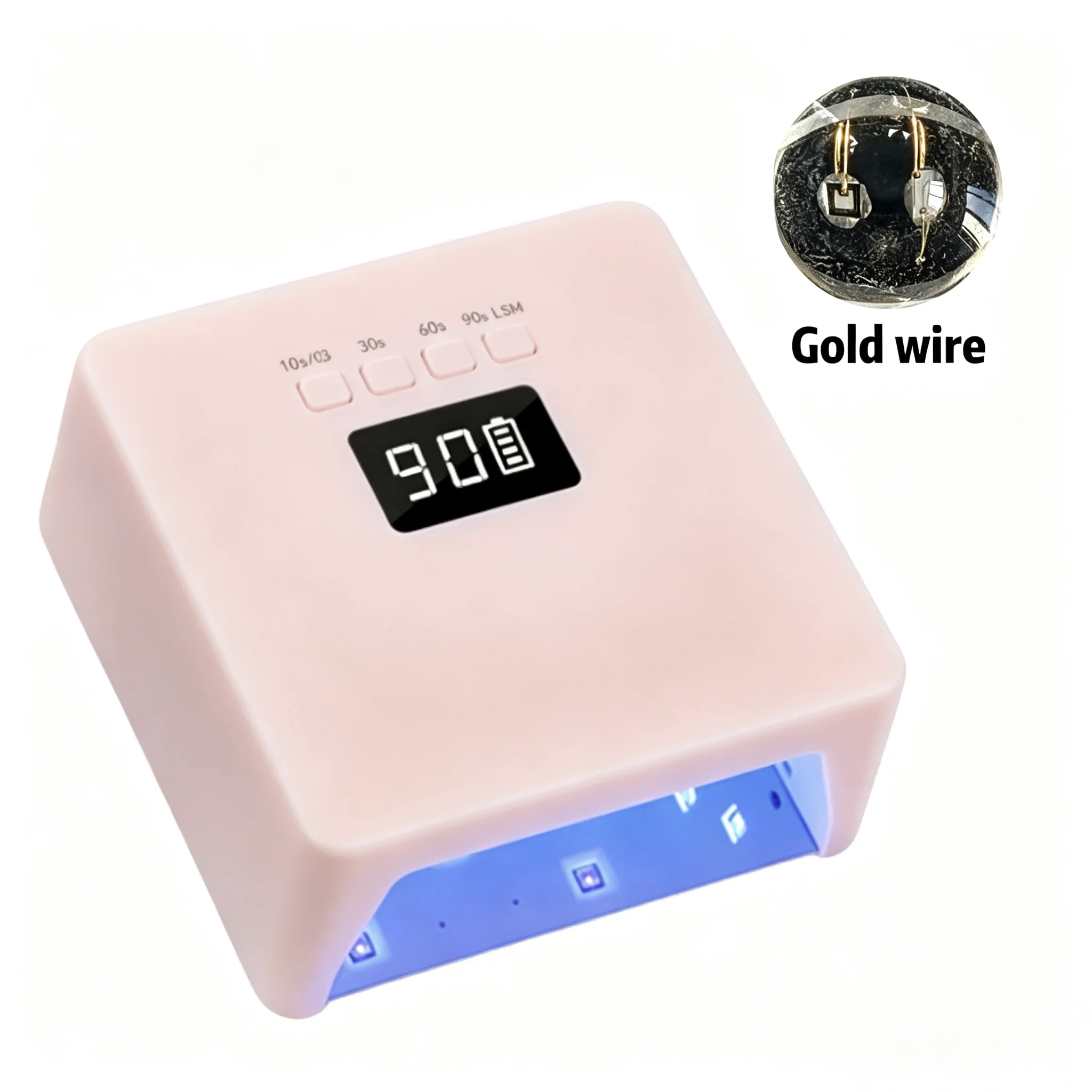
Choosing the right UV curing lamp is crucial for industries such as jewelry making, dentistry, and nail salons. These lamps are essential for the curing process of various materials, ensuring durability and performance. As a B2B buyer, your primary concerns may include product specifications, application suitability, and installation requirements. This article will guide you through the key considerations when sourcing UV curing lamps to help you make informed purchasing decisions.
Selecting the appropriate UV curing lamp involves understanding the specific requirements of your application. Factors to consider include the type of materials being cured, the desired curing speed, and the operational environment. For instance, if you're working with resin in jewelry-making, a lamp with a specific wavelength suited for that resin type will yield the best results. Similarly, for dental applications, the lamp must provide consistent output and appropriate intensity to cure dental adhesives effectively.
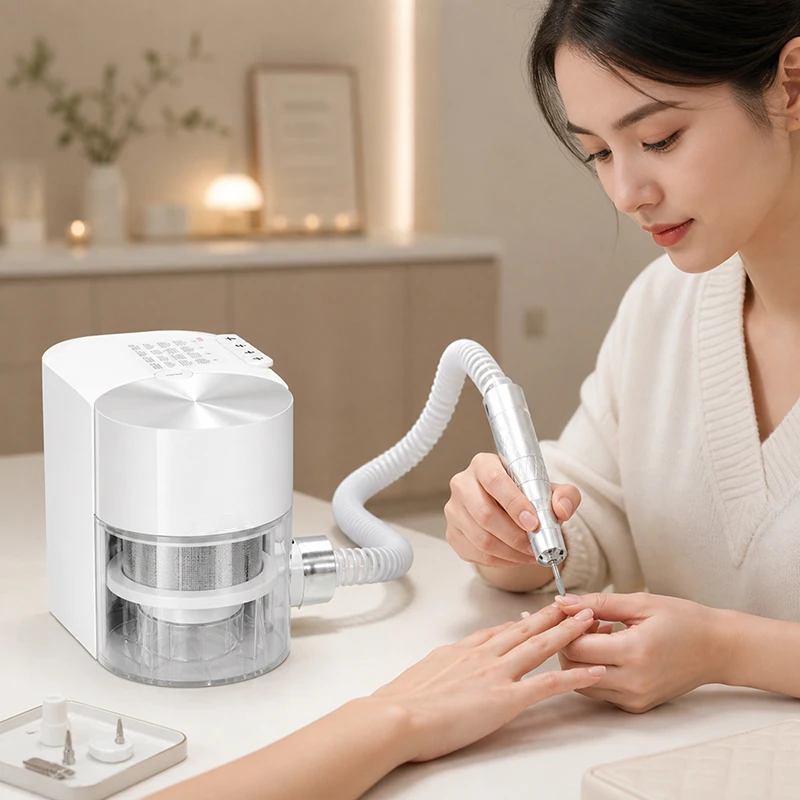
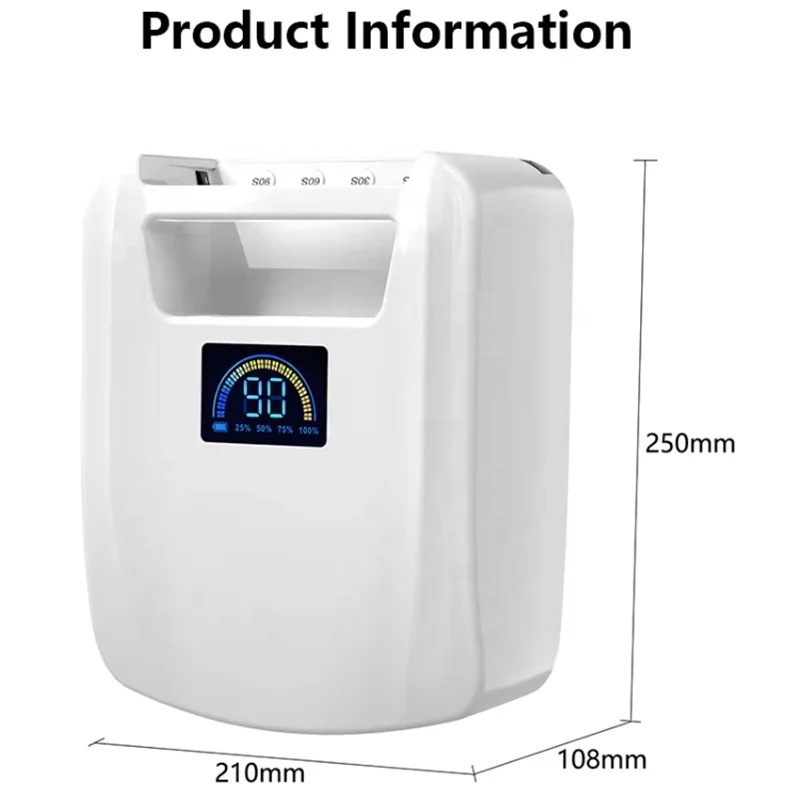
Additionally, consider the lamp's size and portability. If your workspace is confined, a compact, lightweight model may be ideal. Evaluate whether a handheld unit or a fixed installation aligns better with your operational needs. Understanding the compatibility of the lamp with your existing equipment is also crucial; ensure that it can integrate seamlessly into your current setup. For example, if you are looking for a professional nail drill, you might want to explore the STRONG 204 102L Brushed Micromotor for its efficiency.
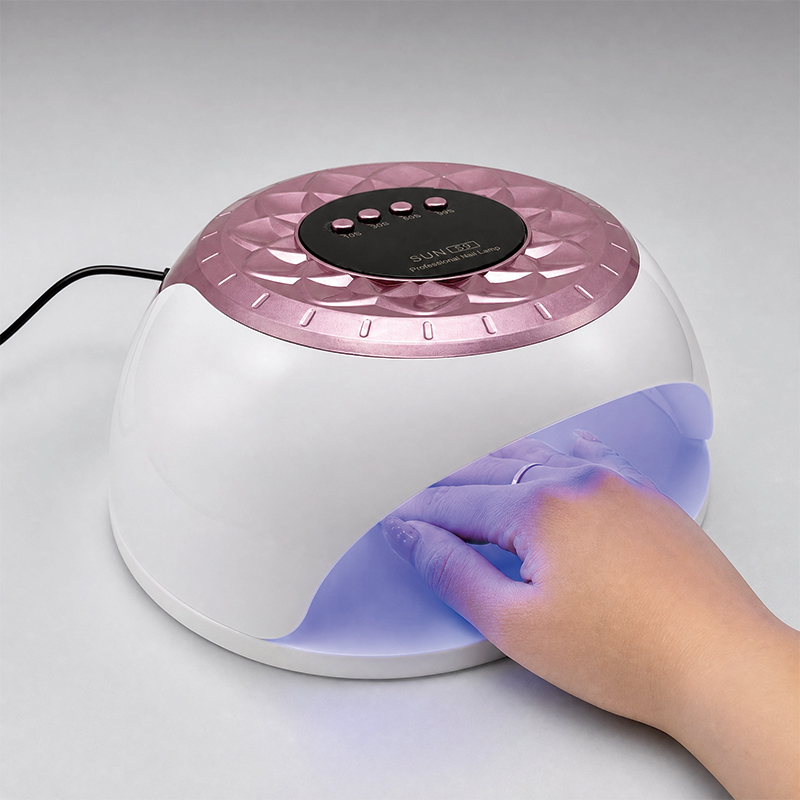
When sourcing UV curing lamps, specific technical specifications will significantly impact their performance. Key specifications to consider include:
Wavelength: Different materials cure effectively at different wavelengths. Common UV curing lamps operate at wavelengths of 365 nm and 395 nm. Ensure the lamp you choose matches the absorption characteristics of your materials.
Output Intensity: Higher intensity often leads to faster curing times but may also generate more heat. Consider the thermal tolerances of your materials to avoid damage.
Lamp Type: There are various types of UV lamps, including mercury vapor, LED, and metal halide. Each type has its advantages and disadvantages concerning efficiency, lifespan, and maintenance. For instance, LED lamps tend to have a longer lifespan and lower energy consumption but may have a higher upfront cost.
Cooling Mechanisms: Examine whether the lamp includes cooling features to prevent overheating, especially during prolonged use.
Certification and Compliance: Ensure the lamp meets industry standards and regulations, which can vary by application and region. This is critical for maintaining product quality and safety.
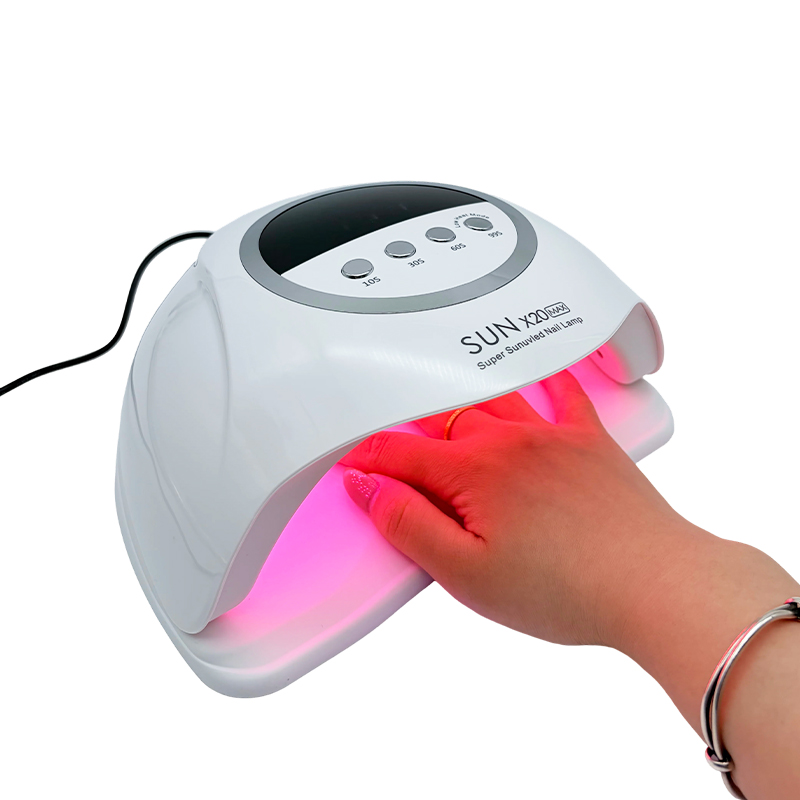
Proper installation is vital for maximizing the performance of your UV curing lamp. Begin by ensuring that the lamp is correctly positioned according to the manufacturer's specifications. The distance between the lamp and the materials being cured can influence the effectiveness of the curing process. Too far away may lead to incomplete curing, while too close can cause overheating or damage.
Additionally, ensure that the workspace is adequately ventilated, as curing processes can produce fumes or heat. Regular maintenance checks, such as cleaning the lamp and inspecting power connections, can help maintain optimal performance. Establish a routine for replacing lamps as needed, especially if you notice a decline in curing efficiency, which can often indicate that the lamp is nearing the end of its lifespan.
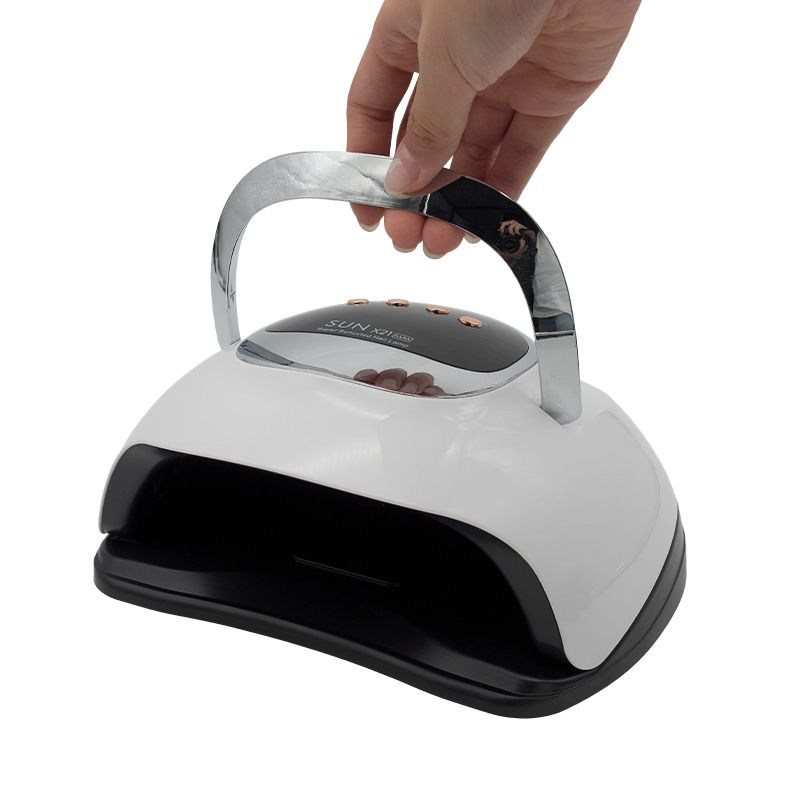
UV curing lamps can present several challenges that may hinder their performance. One common issue is inconsistent curing, which can result from improper lamp positioning or fluctuating power supply. To mitigate this, ensure that the lamp is calibrated correctly and that the power supply remains stable during operation.
Another frequent problem is overheating, which can lead to premature lamp failure. Implementing a cooling mechanism or using lamps with built-in cooling features can help prevent this issue. Additionally, ensure that your workspace is clean; dust and debris can obstruct UV rays and affect curing quality.
If you're experiencing issues with adhesion or curing depth, it could indicate that the lamp's wavelength does not match the materials used. In such cases, consider consulting with your supplier for recommendations on alternative lamp options that align better with your application.
UV curing lamps find applications across various sectors, each with unique requirements. In the jewelry industry, they are essential for curing resins and adhesives, providing a durable finish to intricate designs. In dental practices, UV curing lamps are used to harden composites and adhesives, ensuring strong bonds and longevity for dental restorations.
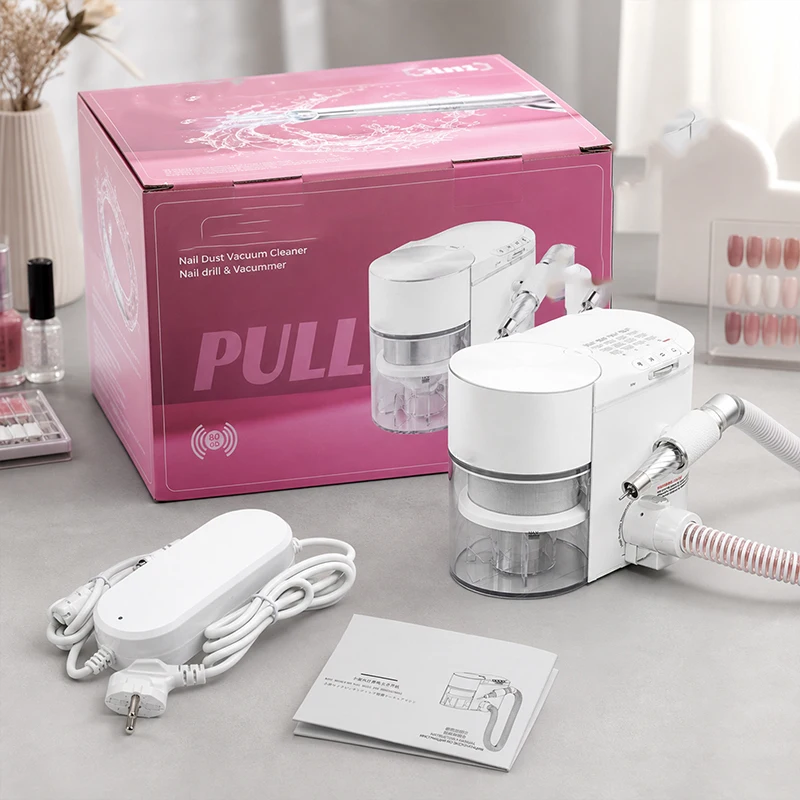
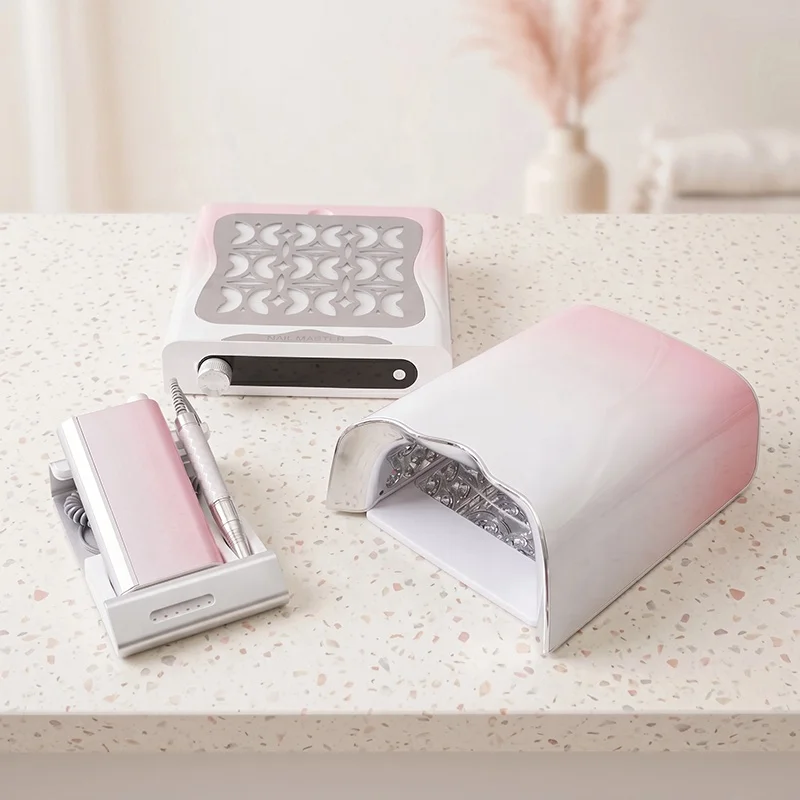
Nail salons utilize UV curing lamps to cure gel polishes, which require specific wavelengths for optimal curing. The cosmetic industry also employs these lamps for products like nail enhancements and skin treatments. Furthermore, UV curing technology is increasingly used in packaging and printing to dry inks and coatings quickly, enhancing production efficiency. For comprehensive nail care solutions, consider the ODM Professional 90W High Power Brushless Metal Vacuum Cleaner, which complements the curing process by maintaining a clean working environment.
As an experienced manufacturer, Fujian Aite Precision Machinery Co., Ltd. understands the diverse applications of UV curing lamps and can provide tailored solutions to meet specific industry needs. Whether you require customization or specific technical parameters, our expertise in manufacturing core components ensures high-quality products that align with your operational goals.
In summary, the right UV curing lamp can make a significant difference in the efficiency and quality of your production processes. Understanding the specifications, installation guidelines, and potential challenges will empower you to make informed decisions, optimizing your applications and ensuring the longevity of your equipment.
 EN
 AR
 BG
 HR
 CS
 DA
 NL
 FI
 FR
 DE
 EL
 IT
 JA
 NO
 PL
 PT
 RU
 ES
 SV
 CA
 TL
 IW
 ID
 LV
 SR
 SK
 SL
 UK
 SQ
 ET
 GL
 MT
 FA
 MS
 GA
 CY
 BE
 MK
 KA
 BN