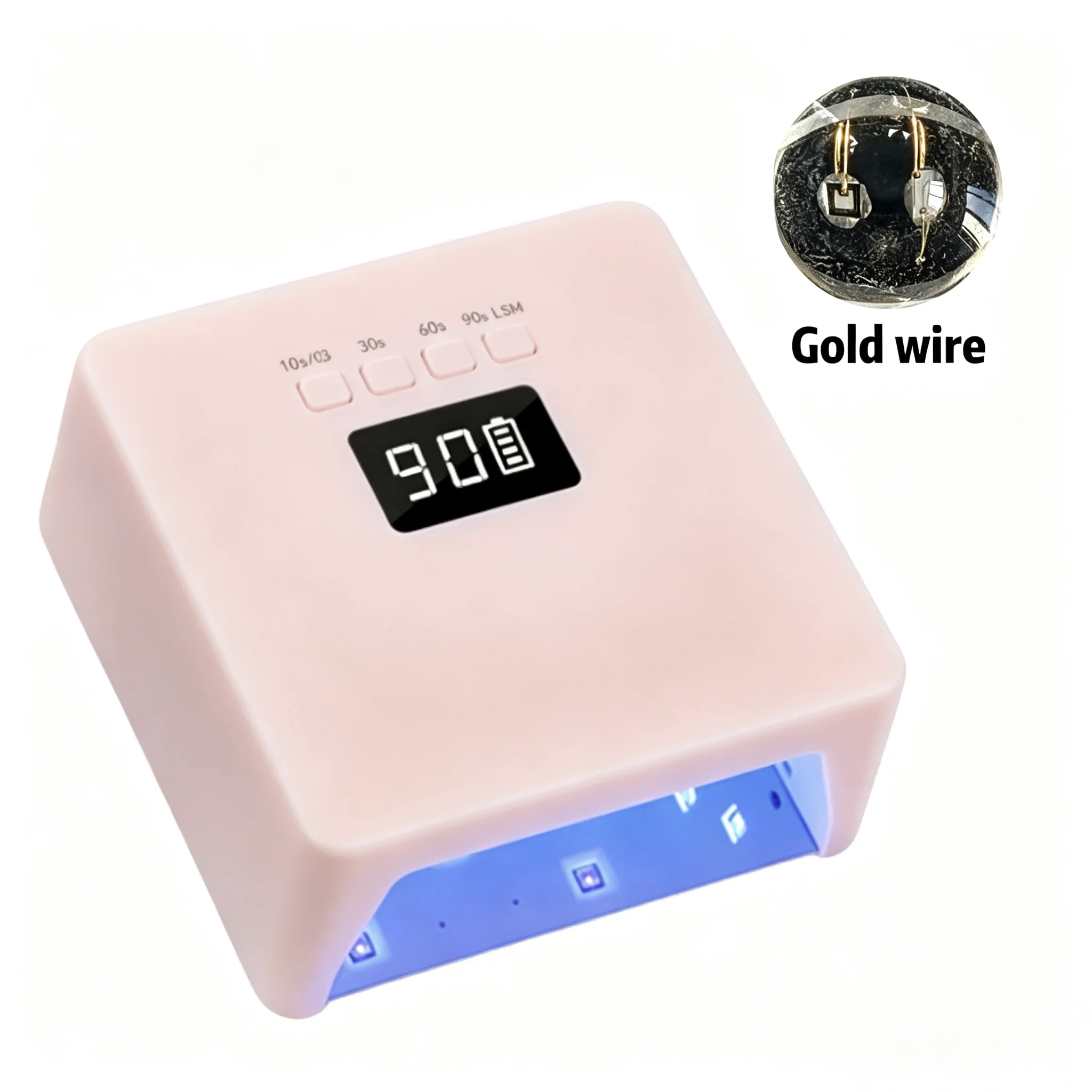
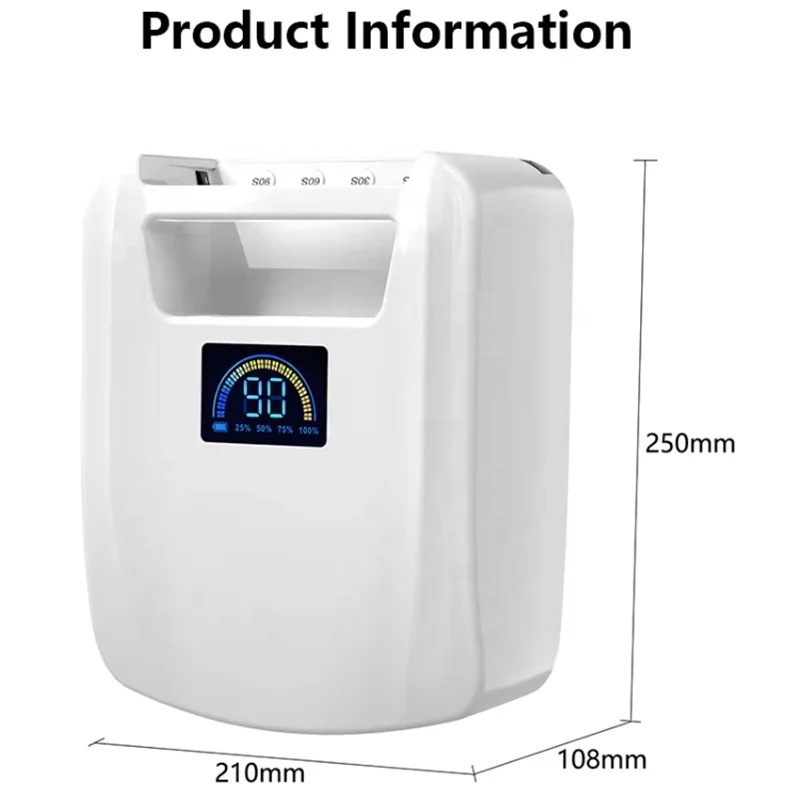
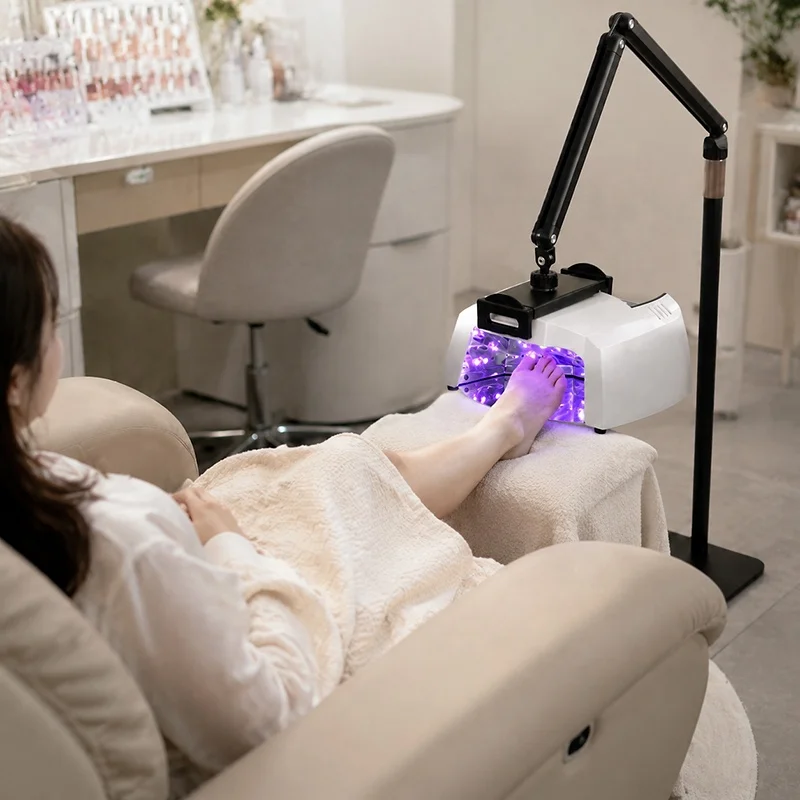
Choosing the right UV curing light is crucial for businesses in industries like jewelry, dentistry, and nail salons, where precision and quality are paramount. UV curing lights are designed to cure or harden materials using ultraviolet light, enabling faster production and improved finishes. For purchasing managers and engineers, understanding the key considerations is essential to ensure compatibility with existing processes and to meet quality standards. This article will provide insights into selecting, evaluating, and optimizing UV curing lights for your specific business needs.
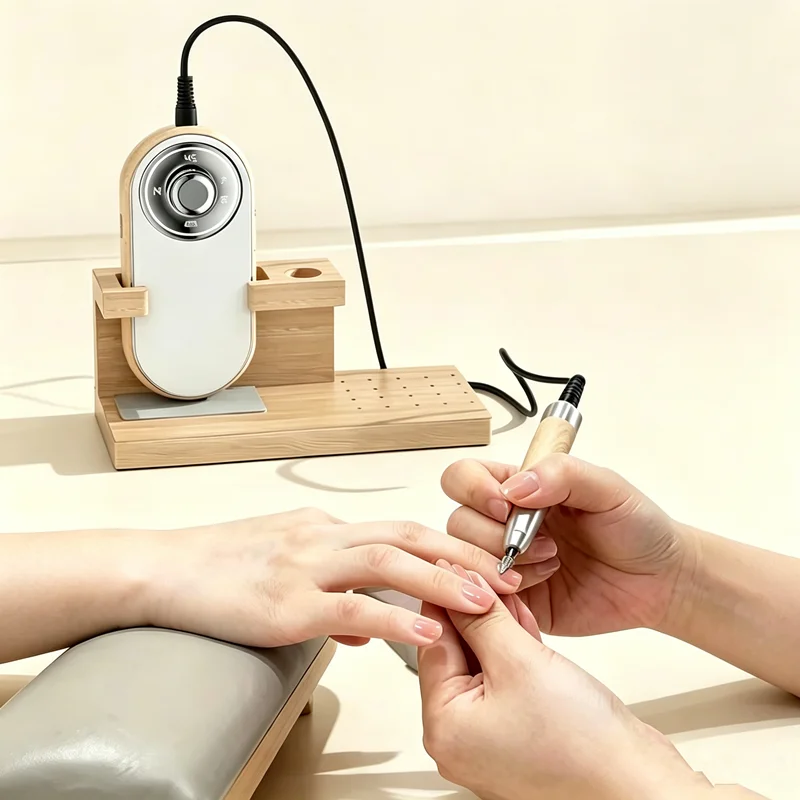
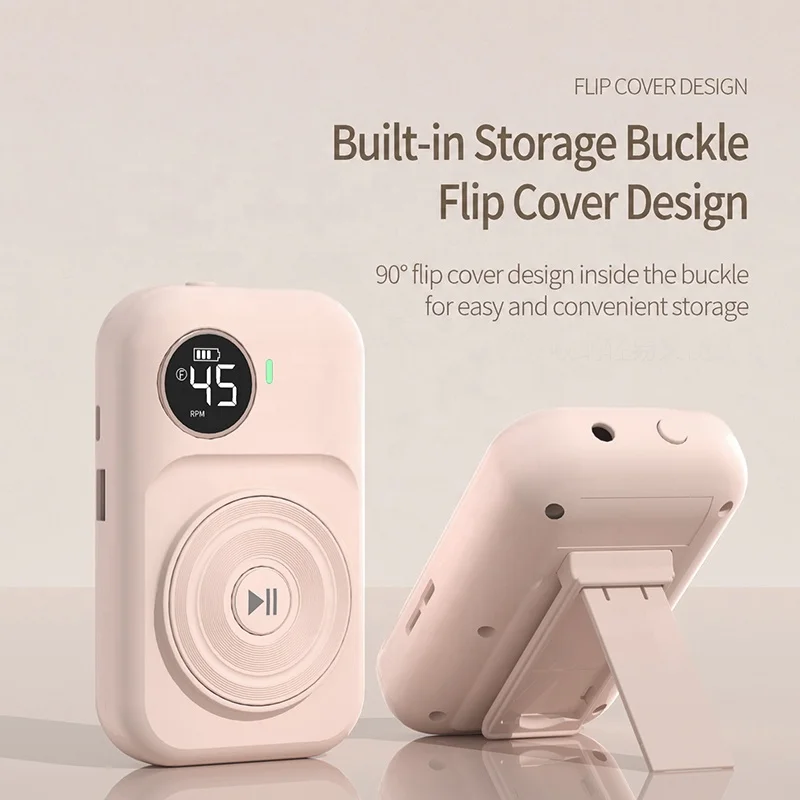
When selecting a UV curing light, several factors come into play. First, consider the specific application within your industry. For instance, nail salons may require different intensity levels than dental labs. It's essential to evaluate the curing speed, as faster curing can lead to increased productivity. Additionally, compatibility with materials is vital; ensure that the UV light can effectively cure the specific resins or coatings you plan to use. For nail salons, using devices such as the STRONG 204 102L Brushed Micromotor can enhance the overall efficiency of your services.
Another consideration is the light wavelength. UV curing lights typically operate in three ranges: UVA, UVB, and UVC. Each range has its applications—UVA is commonly used in nail products, while UVC is utilized for sterilization purposes. Assessing the desired outcome will guide you in choosing the appropriate wavelength.
Lastly, think about the ergonomics and portability of the unit. Depending on your workspace, you may need a compact, lightweight design that is easy to maneuver or integrate into existing setups.
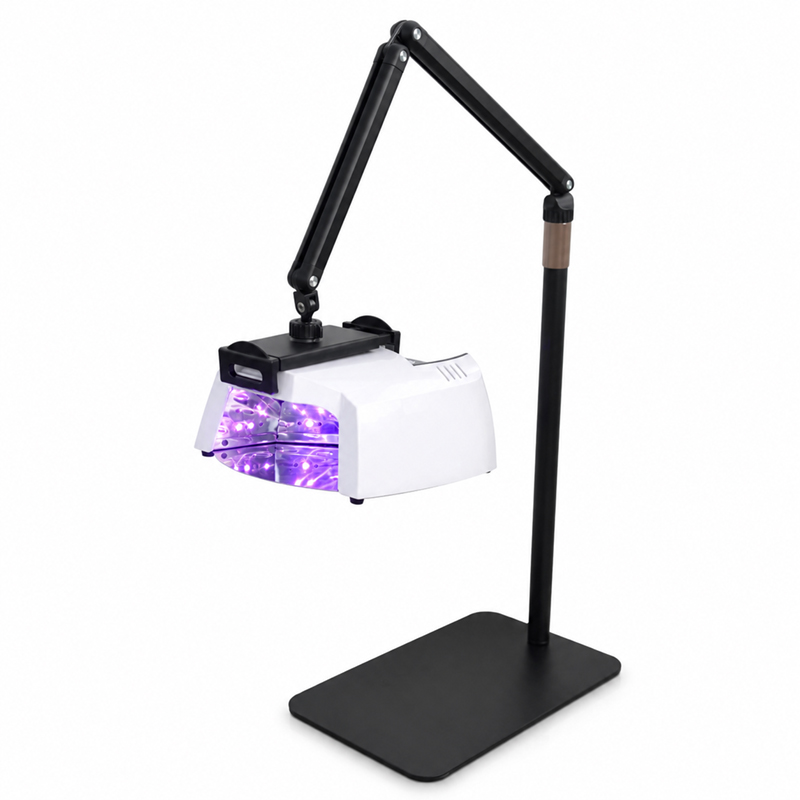
When evaluating UV curing lights, several specifications are critical to ensuring optimal performance. Start with the power output, usually measured in watts. Higher wattage typically indicates faster curing times, which can enhance productivity in a manufacturing environment.
Another important specification is the lamp type. There are two primary types: mercury vapor lamps and LED lamps. Mercury lamps are generally cheaper but have a shorter lifespan and require more maintenance. In contrast, LED lamps are more energy-efficient, last longer, and can produce less heat, making them a suitable choice for heat-sensitive materials. Additionally, using a 90W High Power Brushless Metal Vacuum Cleaner can help maintain a clean environment that is essential for effective curing.
Curing depth is also a significant factor; some materials may require deeper penetration to cure effectively. Evaluate the manufacturer’s datasheet for curing depth capabilities to ensure your specific applications are met.
Lastly, consider the expected lifespan of the lamp and the ease of replacement. A longer lifespan can reduce downtime and maintenance costs, making the unit more economical over its operational lifetime.
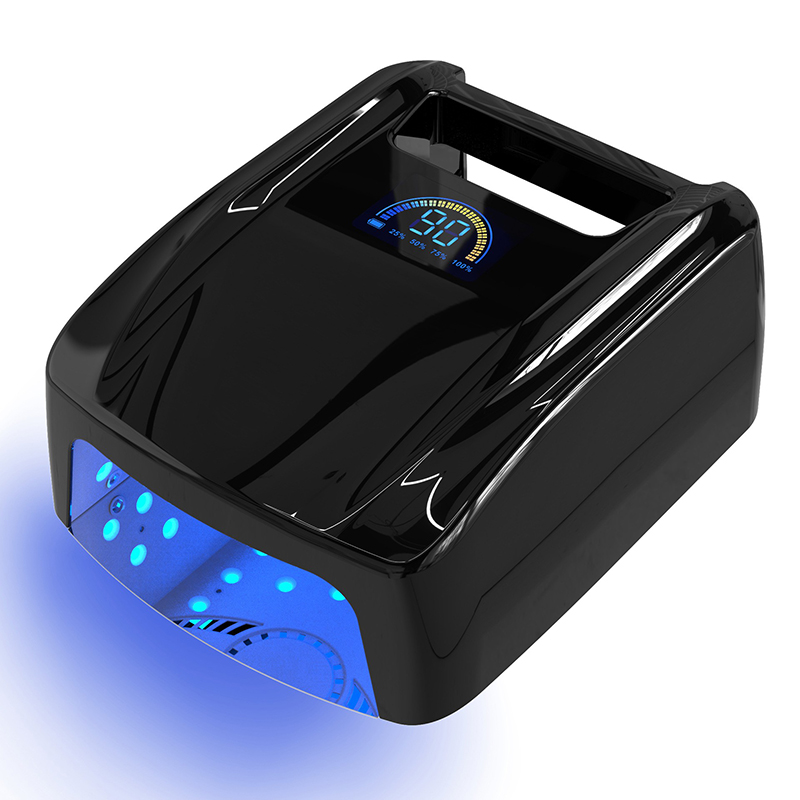
To effectively compare UV curing lights, focus on performance benchmarks and manufacturer reputation. Look for detailed specifications on light intensity, curing time, and temperature control capabilities. High-quality lights will provide consistent intensity across their operational range, minimizing variations that can affect the curing process.
Another important aspect is the quality assurance practices of the manufacturer. Established companies often have rigorous testing protocols to ensure their products meet industry standards. Inquire about certifications or third-party testing results that demonstrate quality compliance.
User reviews and testimonials can also provide invaluable insights into the real-world performance of the UV curing lights. Look for feedback from businesses in similar industries to gauge whether the product will meet your needs.
Lastly, consider the warranty and support offered by the manufacturer, as these can indicate the company’s confidence in their product quality and reliability.
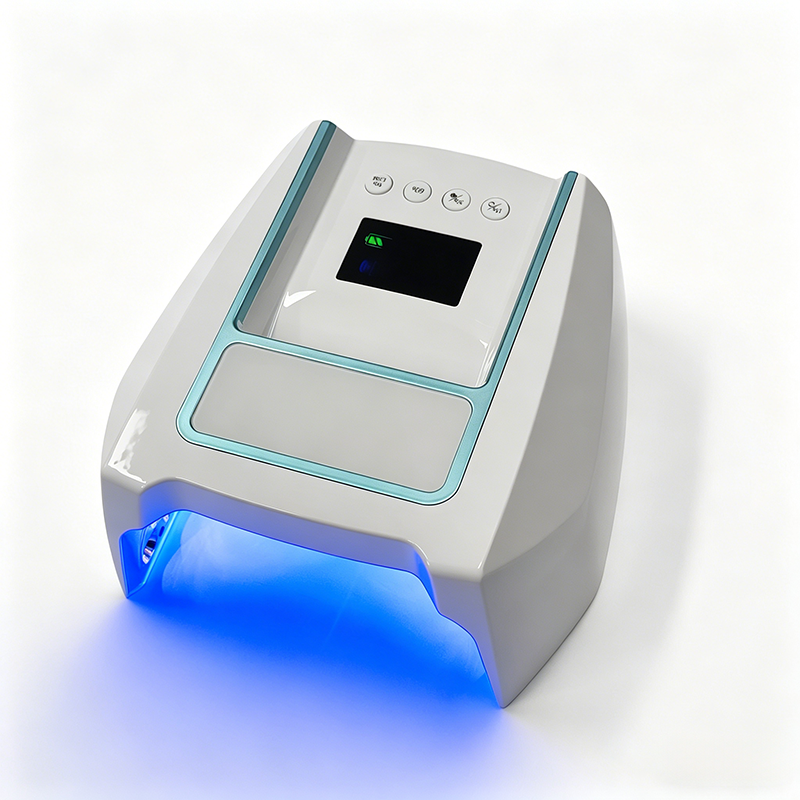
Proper installation of UV curing lights is crucial for maximizing their effectiveness and lifespan. Start by ensuring that the installation location is clean, dry, and adequately ventilated. Follow the manufacturer’s guidelines for positioning the light to achieve optimal curing coverage.
It’s also essential to calibrate the curing light according to the material specifications. Different materials may require adjustments in exposure time and distance from the light source. Always conduct preliminary tests with your specific materials to determine the optimal settings.
Ensure that all safety precautions are followed during installation, including using protective eyewear and ensuring that the area is free from reflective surfaces that could intensify light exposure.
Regular maintenance checks are necessary to ensure the light remains functional and efficient. This includes cleaning the glass covers and checking for any signs of wear or damage.
UV curing lights find applications across several sectors, each with unique requirements. In the jewelry industry, for example, these lights are used to cure resins and adhesives, ensuring a durable finish that enhances the aesthetic appeal of the products. The ability to quickly cure materials allows manufacturers to streamline their production processes.
In dentistry, UV curing lights are essential for bonding agents and composites used in dental restorations. The precision in curing ensures reliable results, which are critical for patient outcomes. Dental professionals must select lights that provide consistent performance to avoid any compromise in quality.
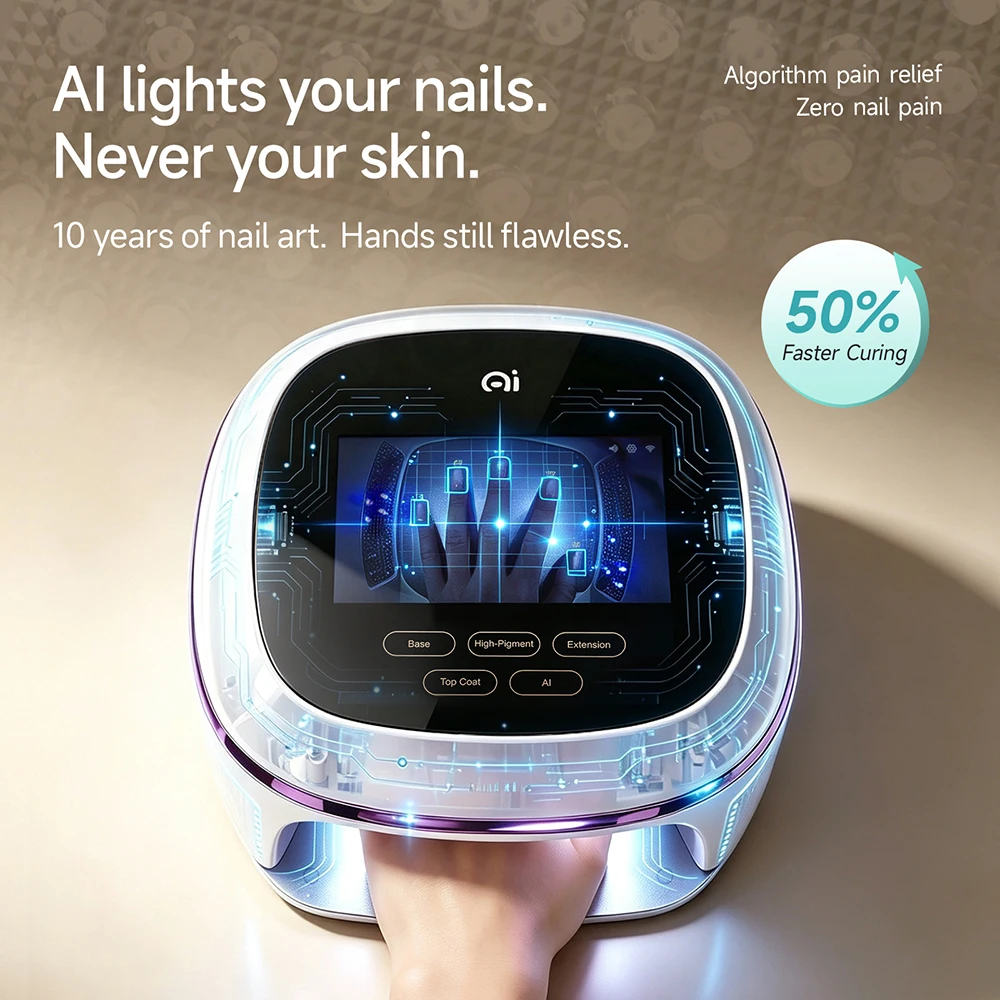
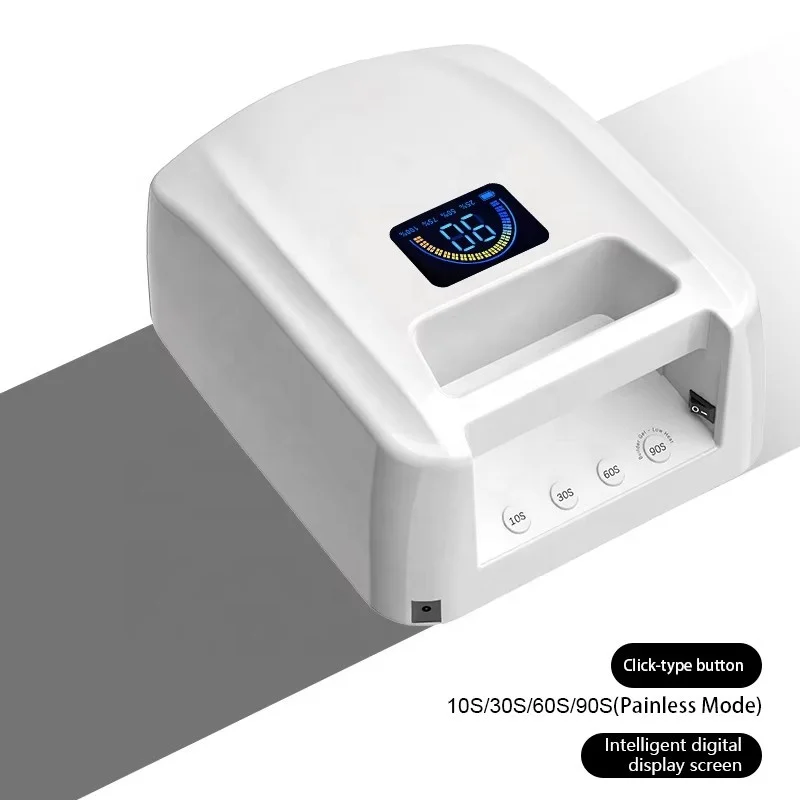
Nail salons utilize UV curing lights to apply gel nail products. Here, the speed and efficiency of curing are paramount, as clients expect quick service. The portability and ease of use of these lights also contribute to their popularity in this sector.
Overall, understanding the specific applications of UV curing lights in various industries will guide buyers in selecting the right product that meets their operational needs and quality standards.
By carefully considering these factors and specifications, your business can make informed decisions that enhance productivity, quality, and ultimately, customer satisfaction.
 EN
 AR
 BG
 HR
 CS
 DA
 NL
 FI
 FR
 DE
 EL
 IT
 JA
 NO
 PL
 PT
 RU
 ES
 SV
 CA
 TL
 IW
 ID
 LV
 SR
 SK
 SL
 UK
 SQ
 ET
 GL
 MT
 FA
 MS
 GA
 CY
 BE
 MK
 KA
 BN