Choosing the right polishing machine for your business can significantly enhance both the efficiency and quality of your production processes. With the right equipment, you can achieve superior finishes on products ranging from jewelry to dental prosthetics. However, understanding the specific needs of your business and the capabilities of different polishing machines is crucial. This article will guide you through the essential considerations, specifications, and potential challenges associated with sourcing polishing machines, helping you make an informed decision that meets your operational requirements.
When selecting a polishing machine, consider the specific applications your business focuses on. For instance, a jewelry manufacturer may require a machine that can handle delicate pieces, while a dental lab might need a more robust option for harder materials. Key factors to assess include the machine's speed, versatility in handling different materials, and the type of polishing it offers—be it mechanical or chemical. Additionally, sourcing From alibaba can provide various options tailored to your needs.
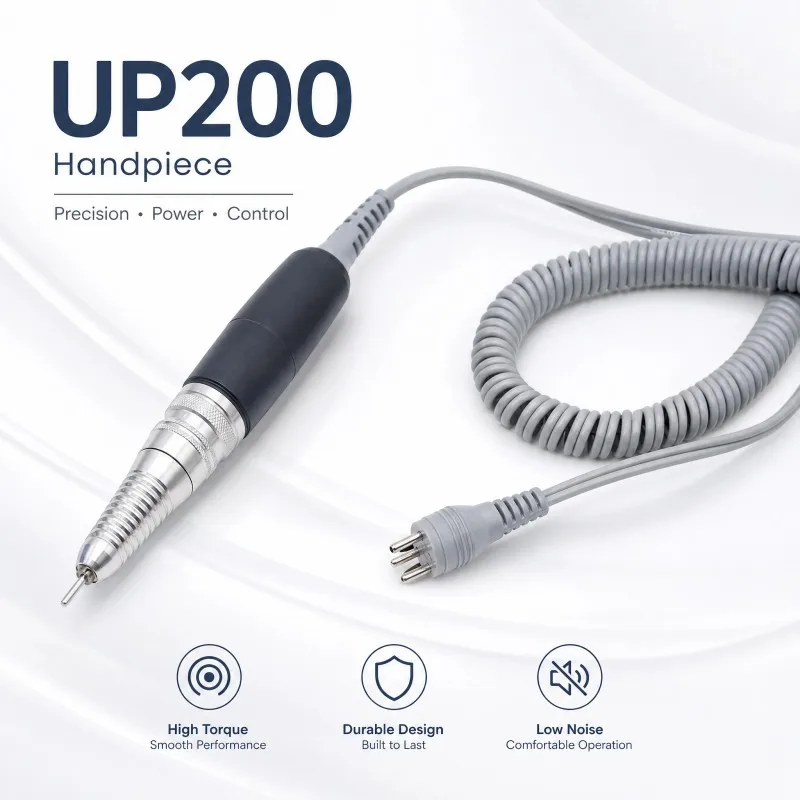
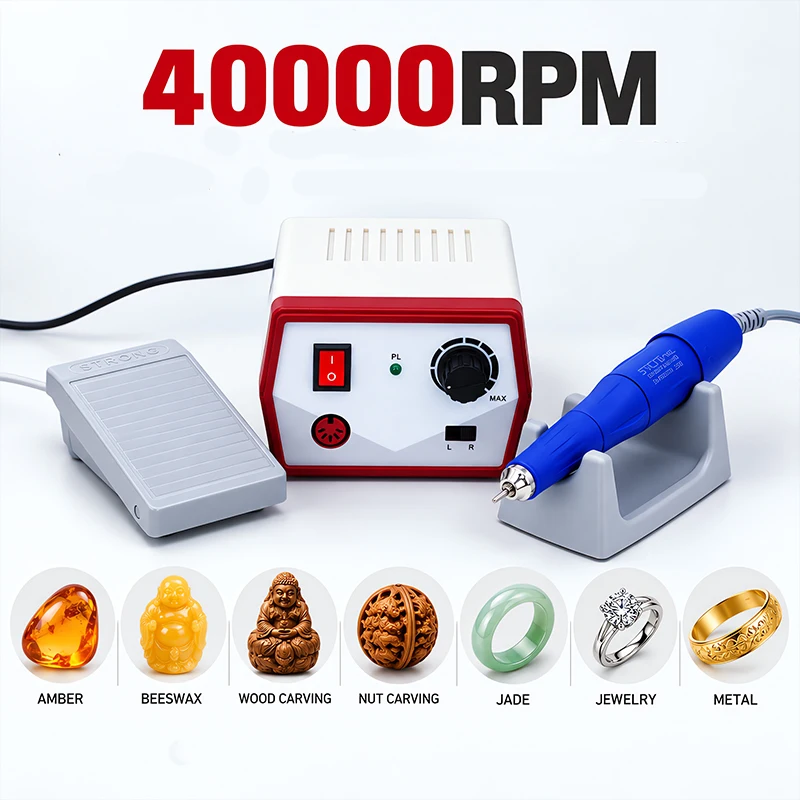
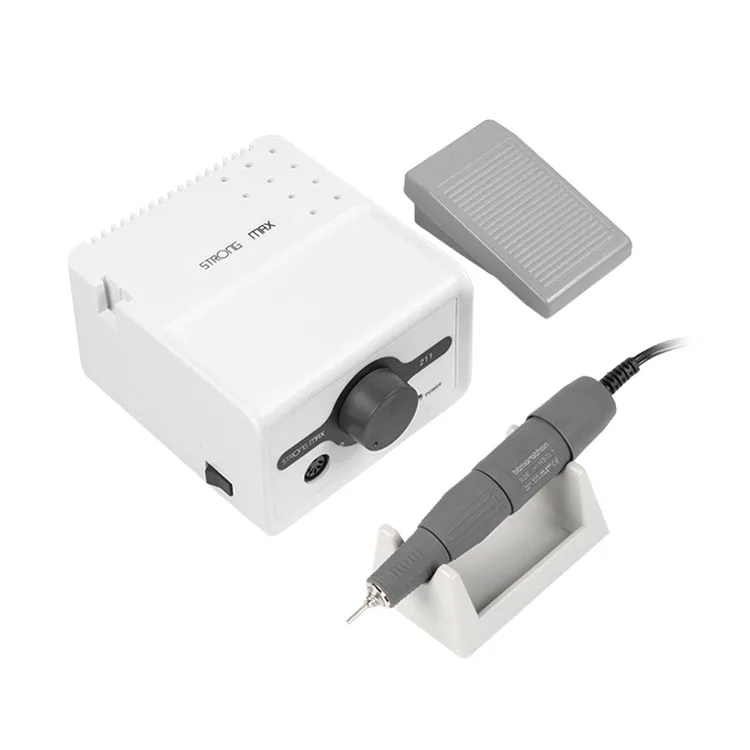
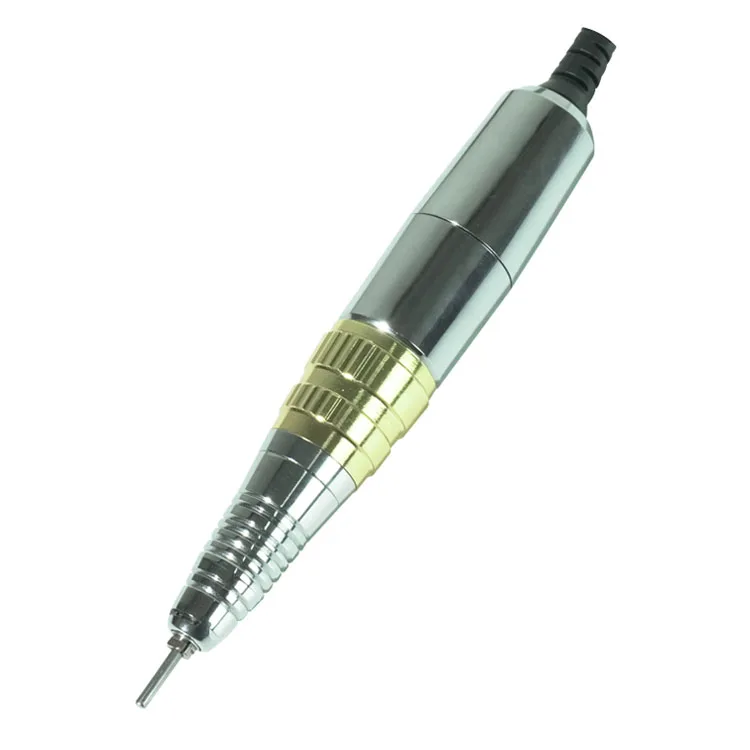
Moreover, consider the scale of your operations. If you are a high-volume producer, investing in a high-speed brushless electronic grinder, like those manufactured by Fujian Aite Precision Machinery Co., Ltd., can provide significant efficiencies. These machines often feature advanced control systems that deliver consistent output, essential for maintaining quality standards in mass production.
Lastly, evaluate the level of customization available. A machine that can be tailored to your specific needs—be it adjustments in polishing speed or the type of abrasives used—will likely yield better results for your unique processes.
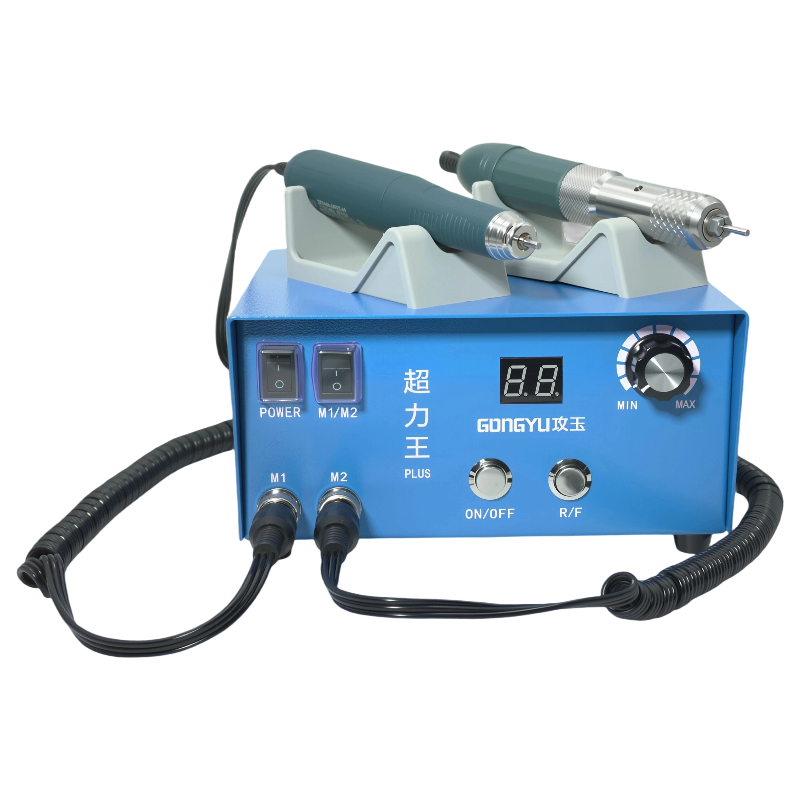
Several technical specifications should guide your evaluation of polishing machines:
Power and Speed: The machine's motor power and speed settings are critical for different polishing tasks. A higher RPM might be necessary for harder materials, while softer materials may require gentler speeds to prevent damage.
Control Systems: Machines equipped with dual-channel control chips can offer better stability and precision in output. This is particularly important in industries where minute details matter, such as jewelry and dentistry.
Material Compatibility: Ensure the polishing machine is suitable for the materials you intend to work with. For example, certain machines are designed specifically for metal, while others may be more adept at polishing plastics or ceramics.
Dust and Debris Management: Polishing operations can generate significant dust and debris. Machines with integrated dust extraction systems help maintain a clean working environment and can enhance the longevity of both the machine and the products being polished, such as Nail dust collector.
Maintenance Requirements: Consider the ease of maintenance. Machines that require frequent servicing can lead to downtime, impacting productivity.
By assessing these specifications, you can ensure that the polishing machine you choose aligns with your operational demands and quality standards.
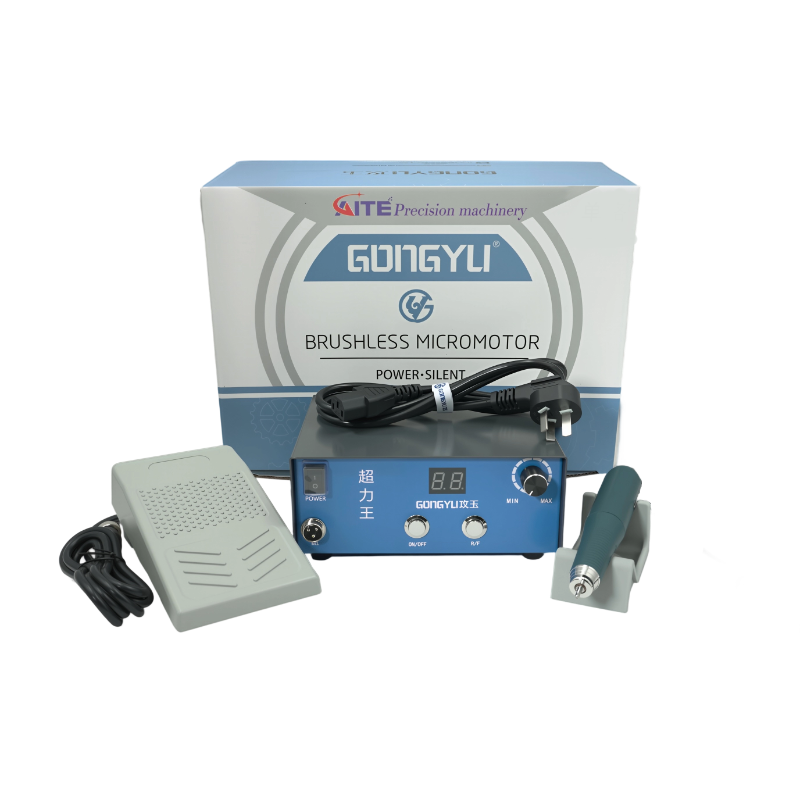
Finding trustworthy suppliers for polishing machines is vital for ensuring product quality and reliability. Start by researching manufacturers with a proven track record in the industry. Look for companies that specialize in high-speed brushless electronic grinders, as this indicates a level of expertise that can be beneficial in your sourcing process.
Trade shows and industrial expos can also be excellent venues for connecting with suppliers. These events allow you to see machines in action and engage directly with manufacturers, providing a better understanding of their capabilities and product offerings.
Online marketplaces and B2B platforms can further expand your search. However, it’s crucial to verify the supplier’s reputation through reviews and ratings from previous customers. Ensure that they have a robust support system in place, including technical support and warranty services, to assist you post-purchase.
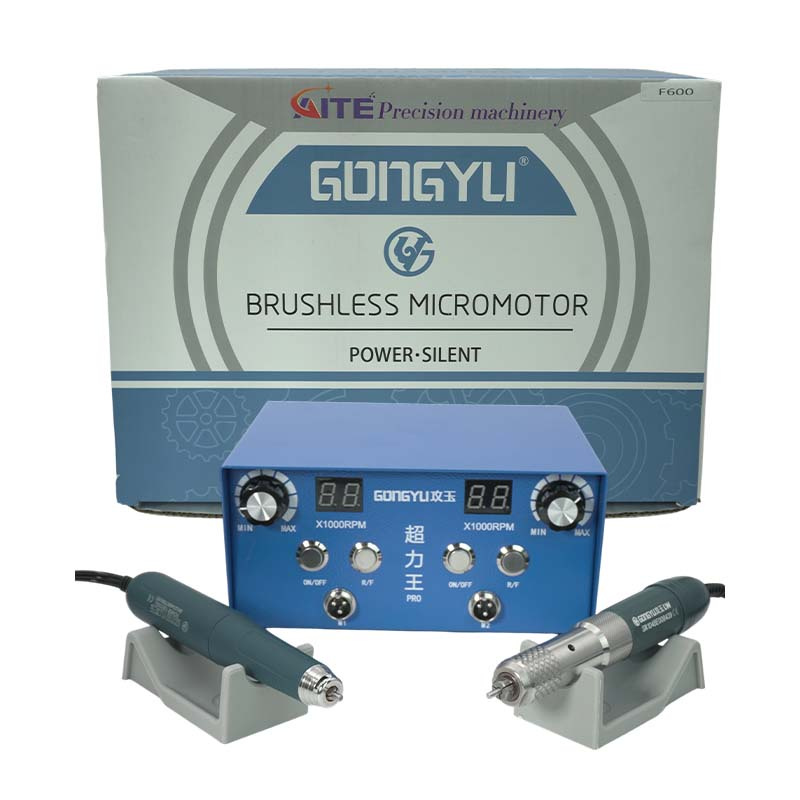
When considering bulk purchases of polishing machines, several cost factors come into play:
Unit Price vs. Total Cost of Ownership: While the initial unit price is a significant factor, consider the total cost of ownership, which includes maintenance, energy consumption, and any necessary accessories or consumables.
Volume Discounts: Many suppliers offer discounts for bulk orders. It’s worth negotiating terms based on your expected order size to maximize savings.
Transportation and Import Duties: Be mindful of shipping costs and any import duties that may apply, especially if sourcing from international suppliers. These additional costs can significantly affect your overall budget.
After-Sales Support: Assess the supplier’s after-sales support and warranty terms. A slightly higher upfront cost might be justified if it includes comprehensive support and warranty coverage.
By understanding these cost factors, you can better plan your budget and avoid unexpected expenses down the line.
Polishing machines can experience various issues that can impact their performance. Common problems include:
Inconsistent Finish: This can occur due to incorrect speed settings or worn-out polishing pads. Regular maintenance and monitoring of speed settings can help mitigate this issue. Always have a checklist for maintenance routines to ensure optimal performance.
Overheating: Excessive heat generation can damage both the machine and the products being polished. Ensure that the machine has adequate cooling systems and that operators are trained to monitor for overheating.
Dust Accumulation: If not managed properly, dust can accumulate and affect machine performance. Implementing a regular cleaning schedule and ensuring efficient dust extraction systems are in place can help maintain a clean workspace.
Compatibility Issues: Machines that are not suited for specific materials can lead to poor results. Always confirm material compatibility before making a purchase, and consider machines with adjustable settings for greater versatility.
By being aware of these common problems, you can take proactive steps to maintain machine performance and ensure high-quality output.
In summary, selecting the right polishing machine involves careful consideration of your specific business needs, key technical specifications, sourcing reliable suppliers, understanding cost implications, and being aware of common operational challenges. By following these guidelines, you can make a well-informed decision that enhances your production capabilities and meets your quality standards.
 EN
 AR
 BG
 HR
 CS
 DA
 NL
 FI
 FR
 DE
 EL
 IT
 JA
 NO
 PL
 PT
 RU
 ES
 SV
 CA
 TL
 IW
 ID
 LV
 SR
 SK
 SL
 UK
 SQ
 ET
 GL
 MT
 FA
 MS
 GA
 CY
 BE
 MK
 KA
 BN