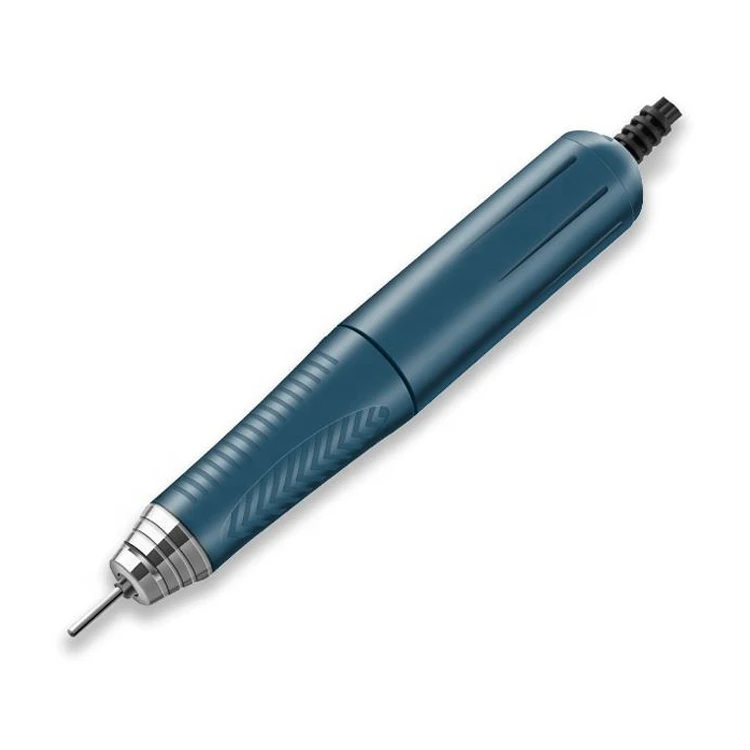
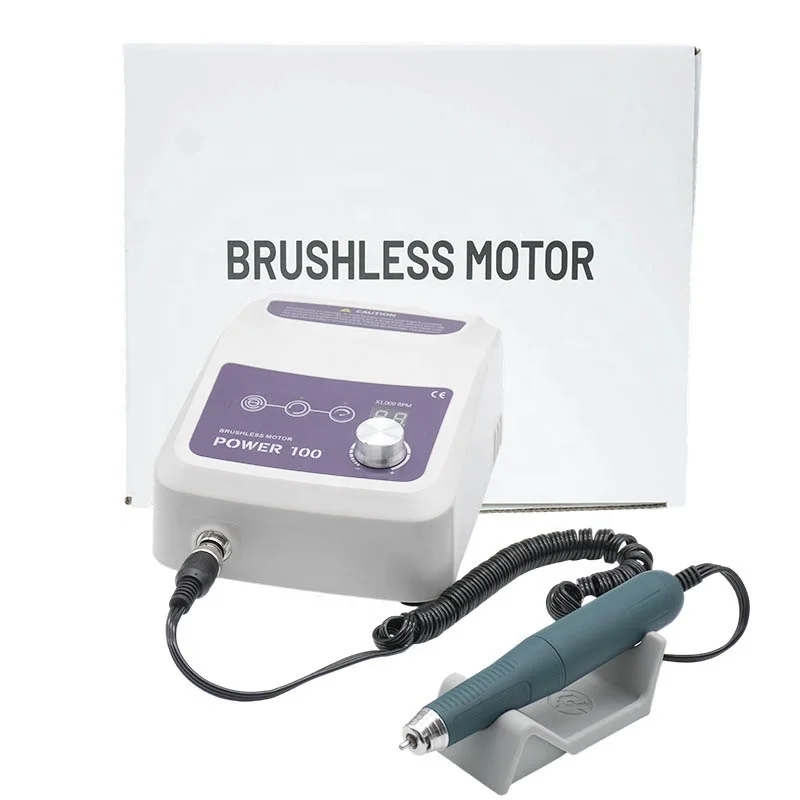
Engraving machines are essential tools that enable precise marking and decoration on various materials, making them invaluable across industries such as jewelry, dentistry, and beauty. As a purchasing manager or engineer, understanding the specific capabilities and features of engraving machines is crucial for meeting your business needs. This article will guide you through the selection process, key specifications to consider, bulk purchasing decisions, installation guidance, and diverse applications of engraving machines, ensuring you make an informed choice tailored to your operational requirements.
Selecting the appropriate engraving machine involves assessing your specific application requirements and operational environment. Key factors include the type of materials you will be engraving, the intricacy of designs, and the expected production volume.
Material Compatibility: Determine whether you will be engraving metal, plastic, wood, or other materials. Each type requires specific machine capabilities. For instance, jewelry engraving often necessitates high precision and finesse, while industrial applications may prioritize speed and durability.
Engraving Techniques: Different machines offer various engraving techniques, such as laser engraving, rotary engraving, or mechanical engraving. Laser engraving provides high detail and is suitable for complex designs, while rotary engraving is often preferred for bulk production due to its speed.
Production Volume: Assess your expected output. If you require high-volume engraving, consider machines with faster processing speeds and automation features. For smaller, intricate jobs, a machine with finer control may be more appropriate. For example, you might want to explore the STRONG 204 102L Brushed Micromotor for detailed work.
Budget Considerations: Evaluate your budget not only for the initial purchase but also for maintenance, operational costs, and potential upgrades. Higher upfront costs may be justified by greater efficiency and lower long-term operating expenses.
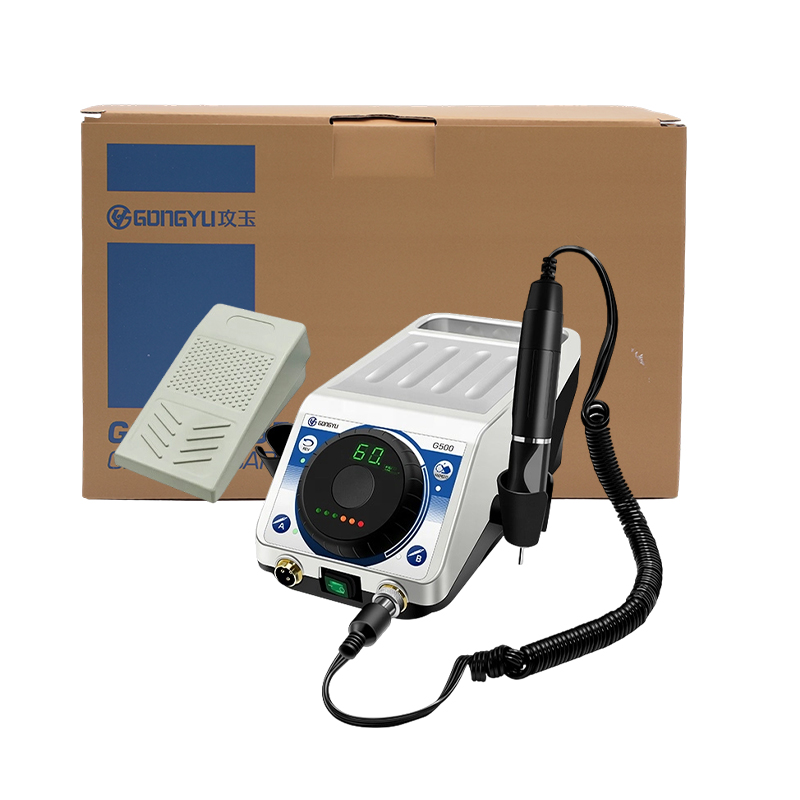
When sourcing engraving machines, focus on critical specifications that directly impact performance and suitability for your applications:
Power and Speed: The wattage of the engraving machine influences its cutting and engraving speed. Higher wattage typically allows for faster engraving, but be mindful of the material being used, as excessive power can damage fragile substrates. Machines like the ODM Professional 90W High Power Brushless Metal Vacuum Cleaner can be beneficial in maintaining a dust-free environment.
Precision and Resolution: Look for machines with high precision ratings (measured in microns). A machine with a resolution of 100 microns or less is ideal for detailed work, while those with higher tolerances may suffice for less intricate designs.
Work Area Size: Ensure the work area accommodates the maximum size of the items you intend to engrave. Larger work areas increase versatility but may come with a higher cost.
Control Software: The user interface and software capabilities are also vital. An intuitive software suite can significantly reduce setup time and enhance operational efficiency. Check for compatibility with design files and ease of operation.
Durability and Maintenance: Evaluate the build quality and materials used in the machine’s construction. Machines designed for continuous use in industrial environments should exhibit robust durability and minimal maintenance requirements.
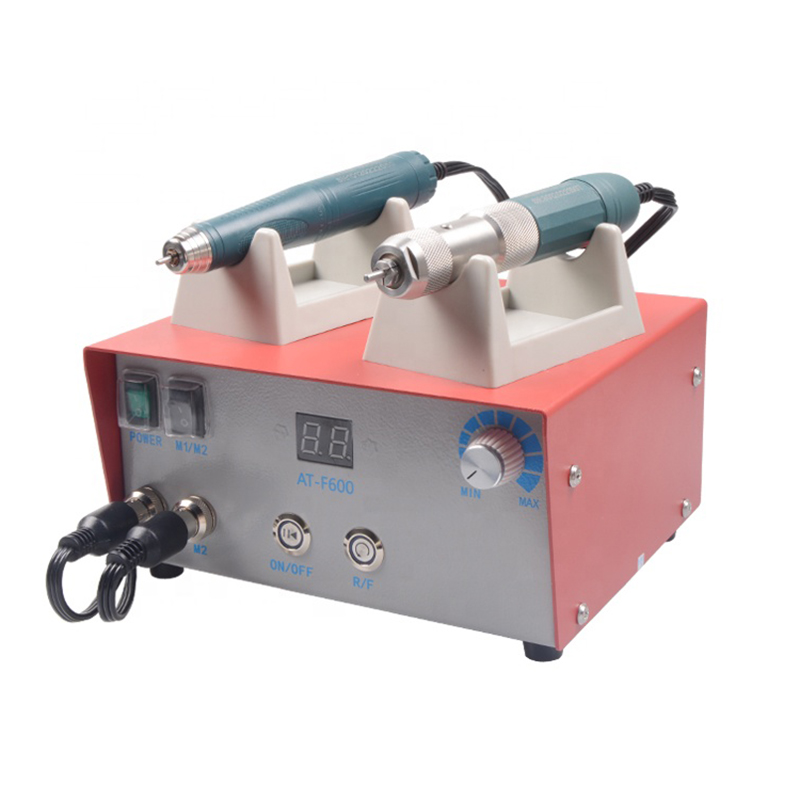
For companies looking to make bulk purchases of engraving machines, several factors can influence the decision-making process:
Minimum Order Quantity (MOQ): Manufacturers often set an MOQ for bulk purchases, which can affect your budgeting and planning. Clarify these terms early in discussions with suppliers.
Customization Options: In bulk orders, explore customization options that align with your specific engraving needs. This could include tailored software, specific engraving tools, or unique features that enhance productivity.
Bulk Pricing Structures: Negotiate pricing based on order volume. Suppliers may offer discounts or favorable payment terms for larger orders, which can improve your cost-efficiency.
Lead Times: Understand the lead times associated with bulk orders. Manufacturing and shipping schedules can vary significantly, so factor this into your project timelines to avoid delays.
Warranty and Support: Confirm warranty details and the level of support provided post-purchase. A reliable support system is crucial for minimizing downtime and ensuring operational continuity.
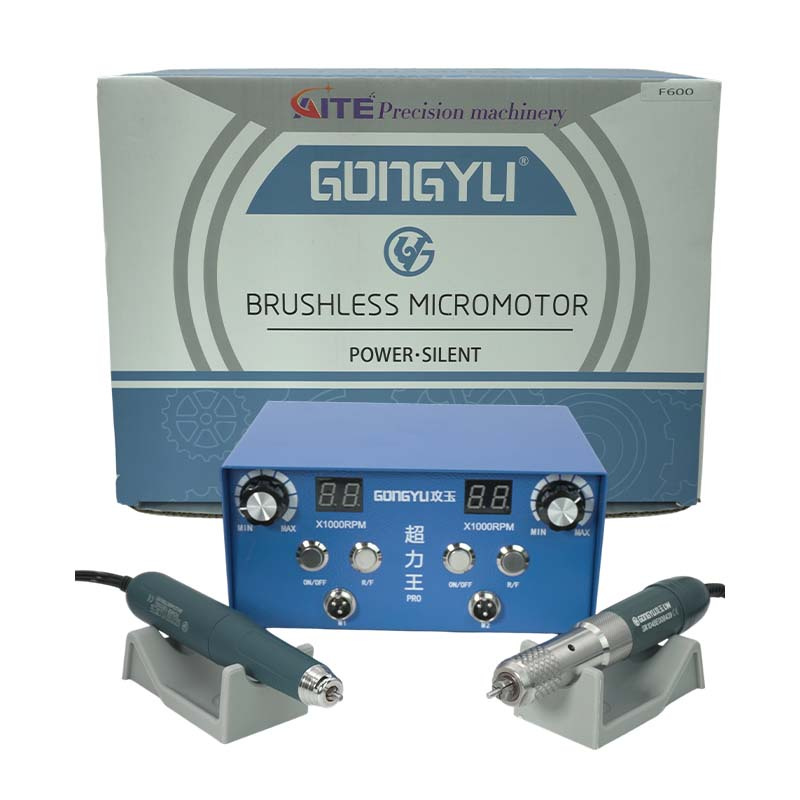
Proper installation of engraving machines is pivotal for achieving optimal performance. Here are some essential steps to consider:
Site Preparation: Ensure the installation area is clean, level, and free of obstructions. Adequate space for maintenance and operation is crucial. Additionally, check that electrical and ventilation requirements are met.
Assembly Instructions: Follow the manufacturer’s assembly guide closely. Misalignment during setup can lead to operational issues or reduced engraving quality.
Calibration and Testing: After assembly, calibrate the machine according to the manufacturer’s specifications. Conduct test engravings to verify precision and adjust settings as necessary.
Training: Provide comprehensive training for operators on machine functions, safety protocols, and maintenance procedures. Well-trained personnel are less likely to encounter operational issues.
Regular Maintenance: Establish a maintenance schedule to keep the machine in optimal condition. Regular inspections and servicing can prevent unexpected breakdowns and prolong the lifespan of the equipment.
Engraving machines serve a diverse range of applications across multiple industries, enhancing both functionality and aesthetics:
Jewelry: In the jewelry industry, engraving machines are used for personalizing items, creating intricate designs, and marking precious metals. Their precision ensures that even the finest details are captured.
Dentistry: Dental professionals utilize engraving machines for marking tools, creating custom dental prosthetics, and engraving patient information on dental appliances. This enhances traceability and personalized care.
Nail Salons: In beauty applications, engraving machines can personalize nail art tools and accessories, allowing salons to differentiate their offerings and provide unique services to clients.
Industrial Applications: Many manufacturers use engraving machines for labeling and marking parts, ensuring compliance with regulations and improving inventory management. They are also critical in creating prototypes for product testing.
Promotional Items: Engraving machines are employed in producing promotional merchandise, such as custom gifts and corporate branding materials. This versatility expands marketability and customer engagement.
By understanding the functionality and applications of engraving machines, businesses can leverage this technology to improve their products and services, leading to enhanced customer satisfaction and competitive advantage.
 EN
 AR
 BG
 HR
 CS
 DA
 NL
 FI
 FR
 DE
 EL
 IT
 JA
 NO
 PL
 PT
 RU
 ES
 SV
 CA
 TL
 IW
 ID
 LV
 SR
 SK
 SL
 UK
 SQ
 ET
 GL
 MT
 FA
 MS
 GA
 CY
 BE
 MK
 KA
 BN