Small jewellery polishing machines are essential tools for achieving a high-quality finish on various jewellery pieces. These machines are particularly important for professionals in the jewellery industry, as they help enhance the appearance and durability of products. When considering a small jewellery polishing machine, B2B buyers often have concerns regarding performance, durability, maintenance, and compatibility with different types of materials. This article will provide insights into selecting the right polishing machine, highlight key features and benefits, address quality control measures in manufacturing, discuss common problems and solutions, and explore the various applications of these machines within the industry.
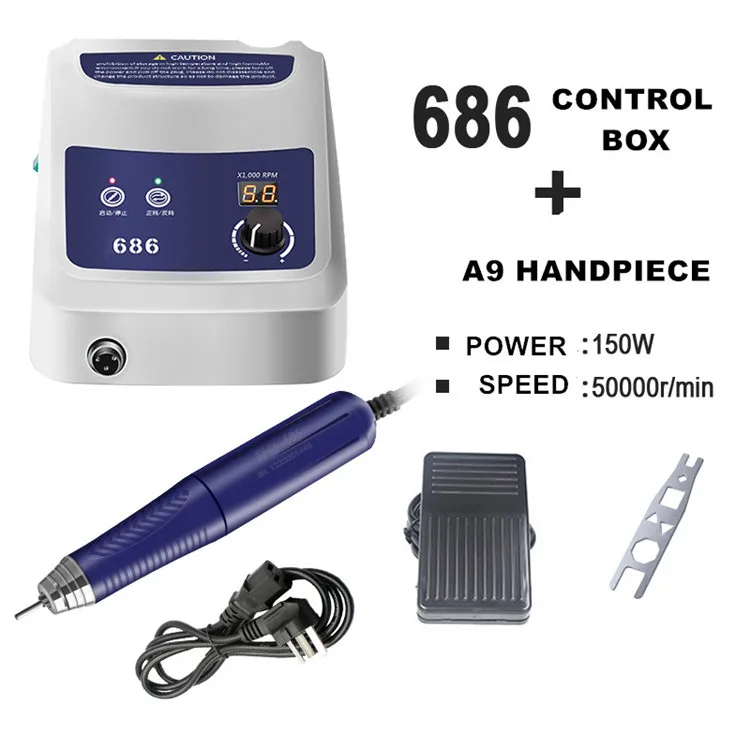
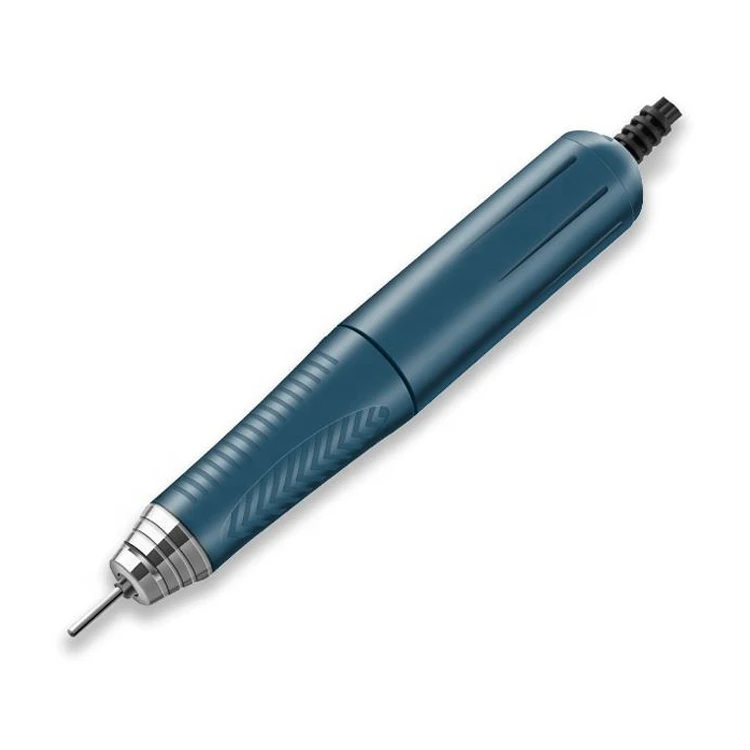
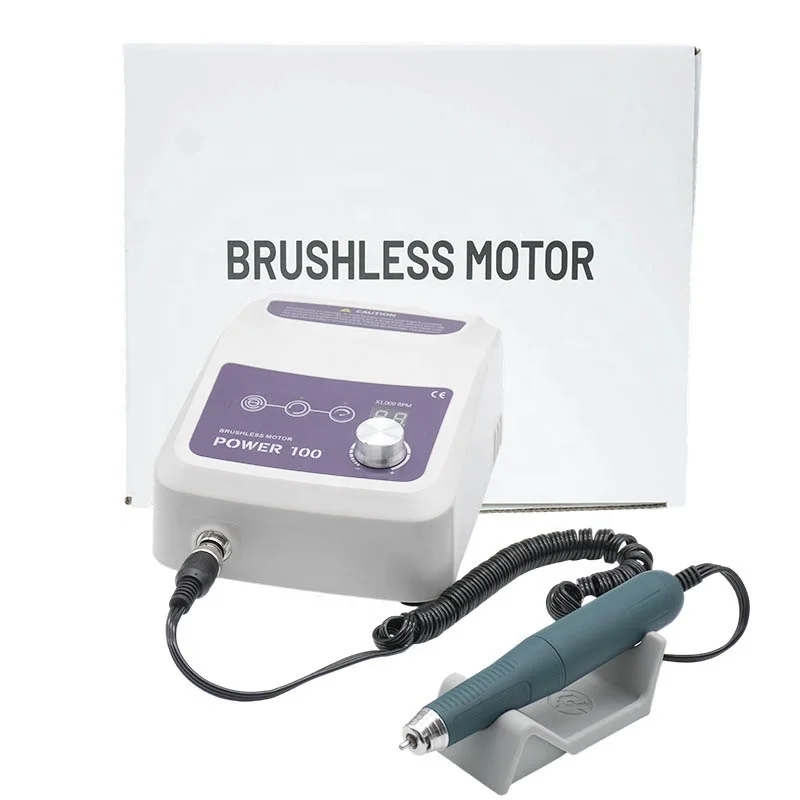
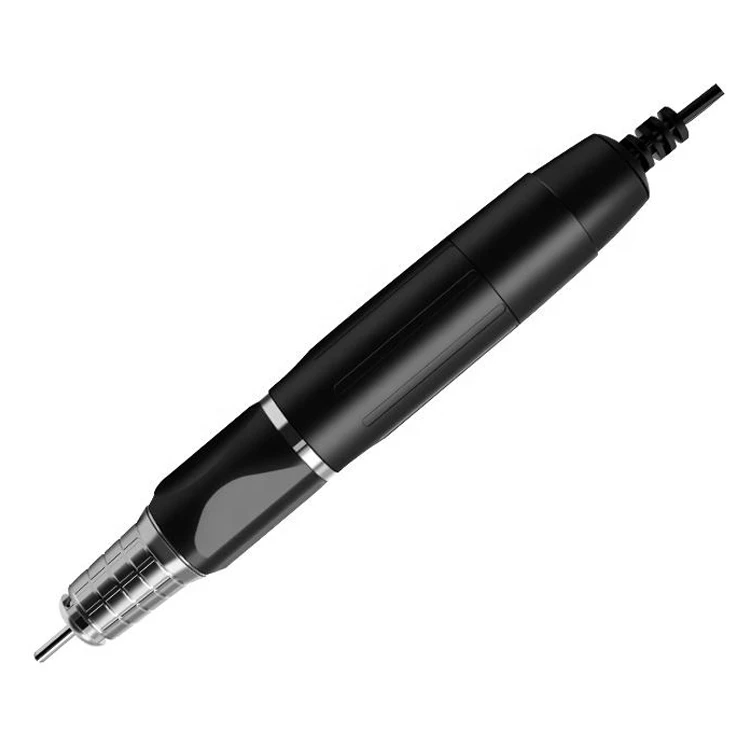
When purchasing a small jewellery polishing machine, buyers should consider several key factors to ensure they select the right model for their needs. First, assess the machine's specifications, including motor speed, polishing capacity, and the types of materials it can handle. A machine with a high-speed brushless motor, like those produced by Fujian Aite Precision Machinery Co., Ltd., offers stable output and efficiency, which is critical for high-volume operations. Additionally, buyers may want to explore options for From alibaba to find suitable models.
Next, think about the machine's size and portability. For businesses with limited space, a compact model may be necessary, but ensure it still delivers the required performance. Additionally, consider the ease of operation and maintenance. Machines that come with clear instructions and user-friendly controls will save time and reduce the likelihood of operational errors.
Customization options are also worth evaluating. Depending on the specific needs of your jewellery line, you may require special attachments or settings. Finally, inquire about the supplier's support and warranty options, as these can be invaluable for ensuring long-term performance and reliability.
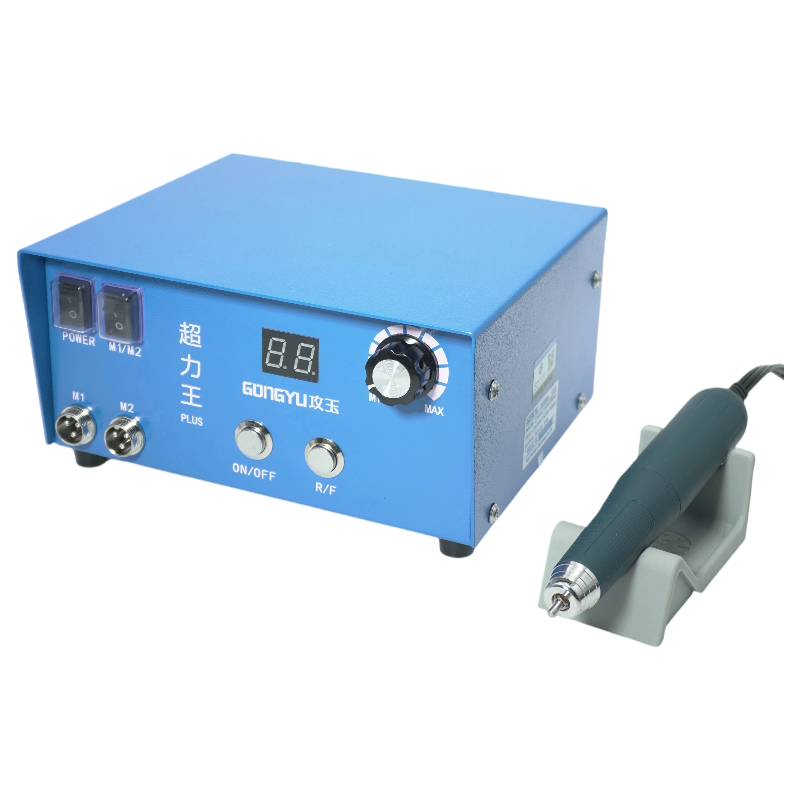
Small jewellery polishing machines offer a range of features that provide significant benefits for users. One of the most important features is the dual-channel control chip that ensures stable operation. This technology helps maintain consistent speed and torque, which is crucial for achieving a uniform finish across various materials.
Another key benefit is the versatility of these machines. They are suitable for polishing different types of jewellery, including precious metals, gemstones, and even dental applications. This adaptability allows businesses to streamline their operations and reduce the need for multiple machines. In fact, even in dental practices, these machines are employed for polishing dental restorations, including crowns and bridges, helping to achieve a smooth and aesthetic finish.
Moreover, the design of modern polishing machines prioritizes user safety and comfort. Many models include noise-reduction features and vibration dampening to enhance the user experience, making it easier to work for extended periods without fatigue. Lastly, the machines are often designed for easy cleaning and maintenance, ensuring that users can keep them in optimal condition with minimal effort.
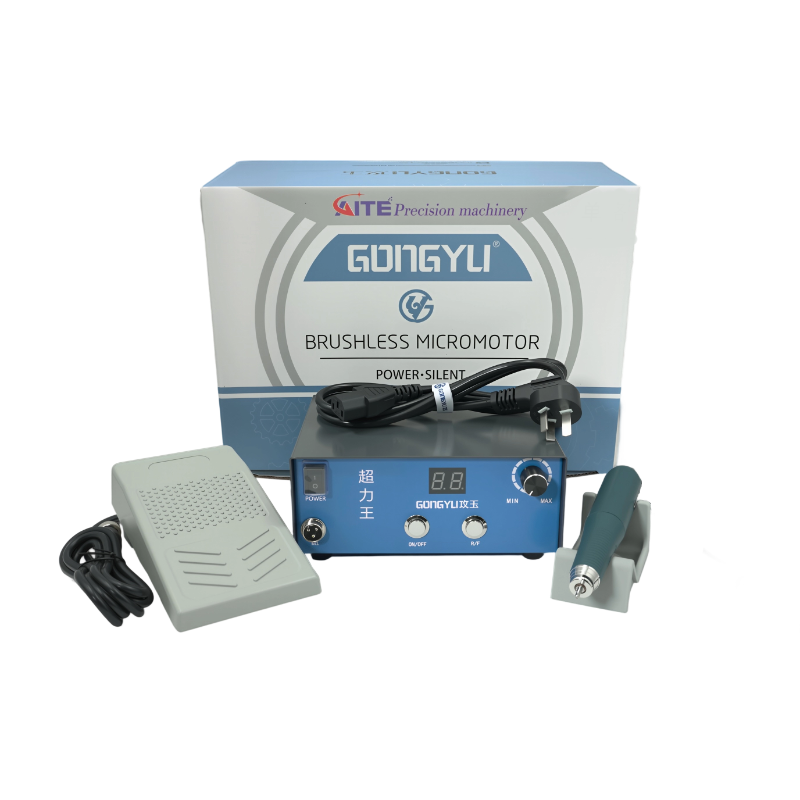
Quality control is critical in the manufacturing of small jewellery polishing machines. At Fujian Aite Precision Machinery Co., Ltd., various measures are implemented to ensure that every machine meets high standards. This includes rigorous testing of core components before assembly, ensuring that the motors, control systems, and polishing accessories function correctly.
Furthermore, manufacturers should conduct performance tests on finished machines to evaluate their efficiency and durability under typical operating conditions. This process helps identify any potential issues before the machines reach the market. Regular audits of the manufacturing processes and adherence to established quality standards are also essential for maintaining consistent product quality.
Buyers should verify that suppliers have quality assurance certifications and a track record of producing reliable machinery. Understanding the supplier’s quality control processes can provide added confidence in the products being purchased.
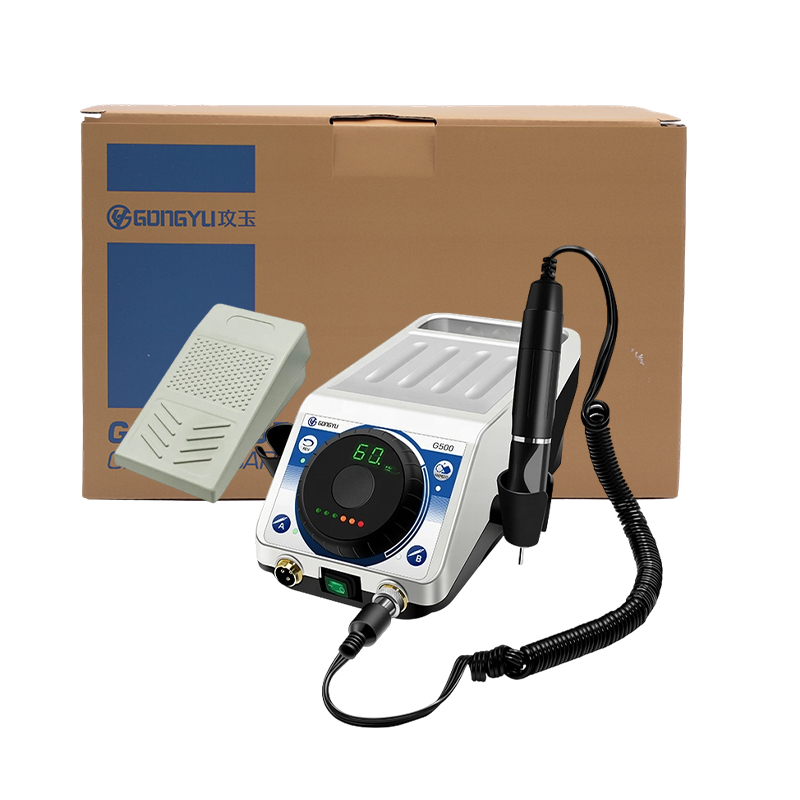
When using small jewellery polishing machines, users may encounter several common issues. One frequent problem is inconsistent polishing results, which can stem from improper machine settings or worn polishing pads. To mitigate this, operators should ensure they are using the correct speed settings for the material being polished and regularly replace worn components.
Another issue is overheating, which can lead to reduced machine performance and potential damage. To address this, users should ensure that the machine is not overloaded and that it has adequate cooling time between uses. Regular maintenance checks, including cleaning air vents and lubricating moving parts, can also help prevent overheating.
Additionally, users may experience difficulty with specific material types. In such cases, selecting the appropriate polishing compound and adjusting the machine settings accordingly can improve results. Education and training on the proper use of the machine are vital for minimizing these problems and ensuring optimal performance.
Small jewellery polishing machines are not limited to traditional jewellery applications; they also find use in various other sectors. Nail salons also utilize small polishing machines for smoothing and finishing acrylic and gel nails. The versatility of these machines makes them indispensable tools across multiple industries.
In the jewellery sector, businesses can tailor their polishing processes to accommodate different pieces, from intricate designs to larger items. This flexibility allows for a more efficient workflow and the ability to produce high-quality finishes consistently. Additionally, when sourcing equipment, exploring options for Spare Parts can further enhance operational efficiency.
In summary, small jewellery polishing machines are vital for achieving polished, professional-quality results across multiple applications. By understanding the key features, common challenges, and appropriate usage, buyers can make informed decisions that enhance their operational efficiency and product quality.
 EN
 AR
 BG
 HR
 CS
 DA
 NL
 FI
 FR
 DE
 EL
 IT
 JA
 NO
 PL
 PT
 RU
 ES
 SV
 CA
 TL
 IW
 ID
 LV
 SR
 SK
 SL
 UK
 SQ
 ET
 GL
 MT
 FA
 MS
 GA
 CY
 BE
 MK
 KA
 BN