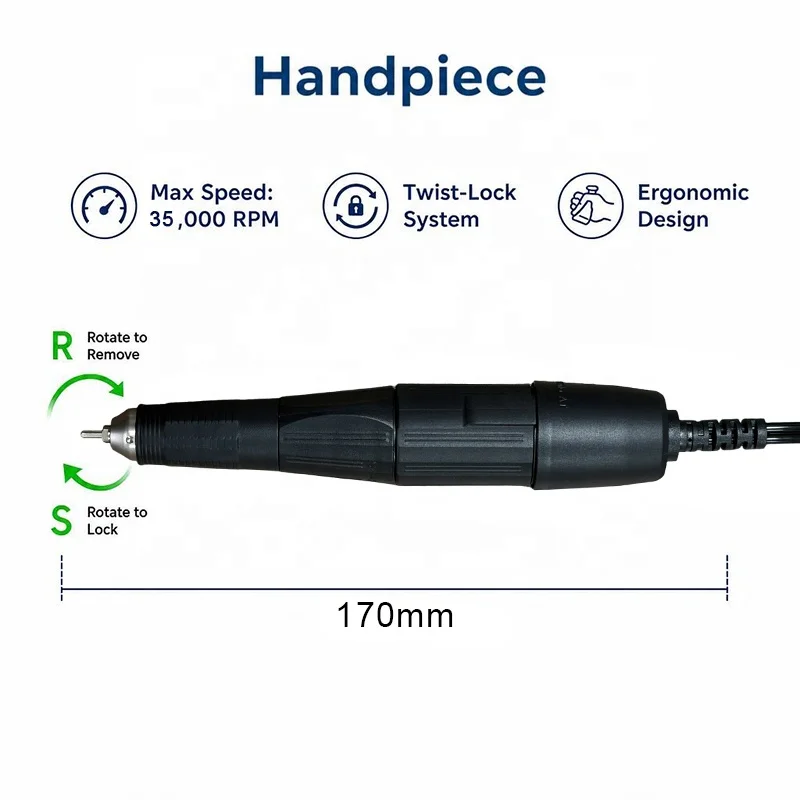
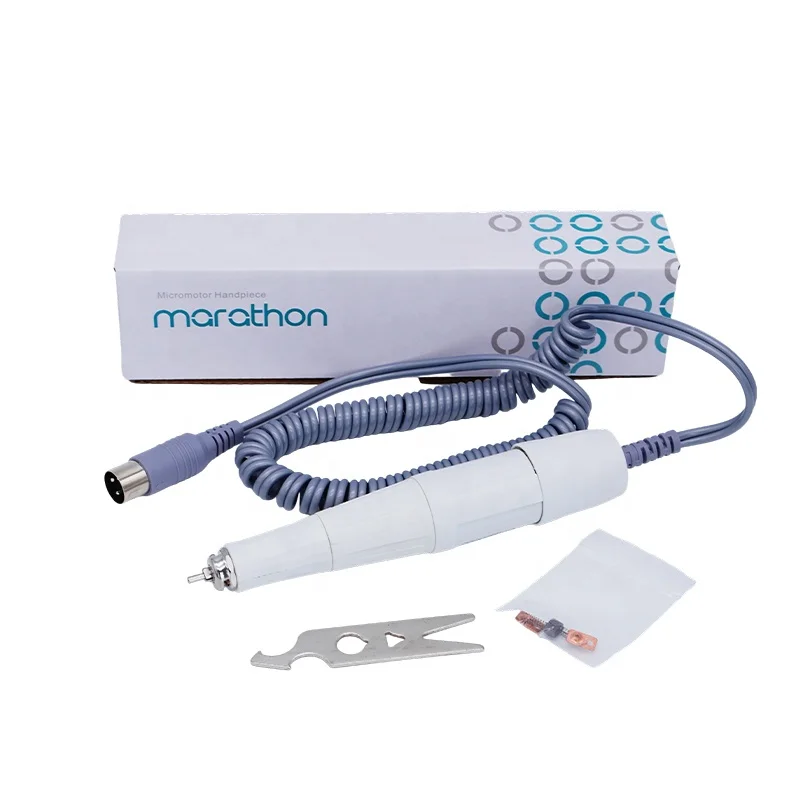
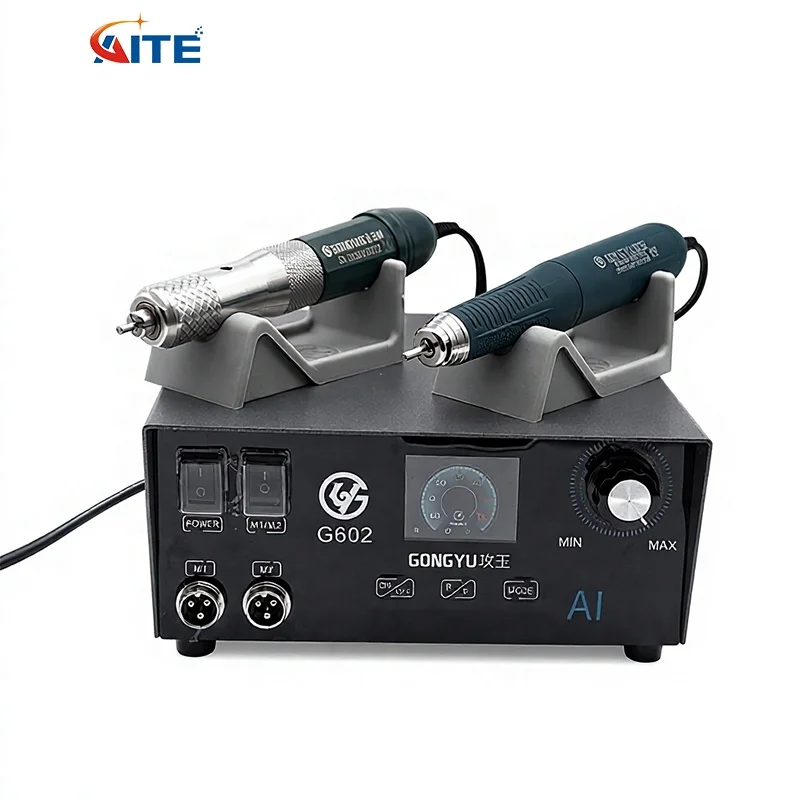
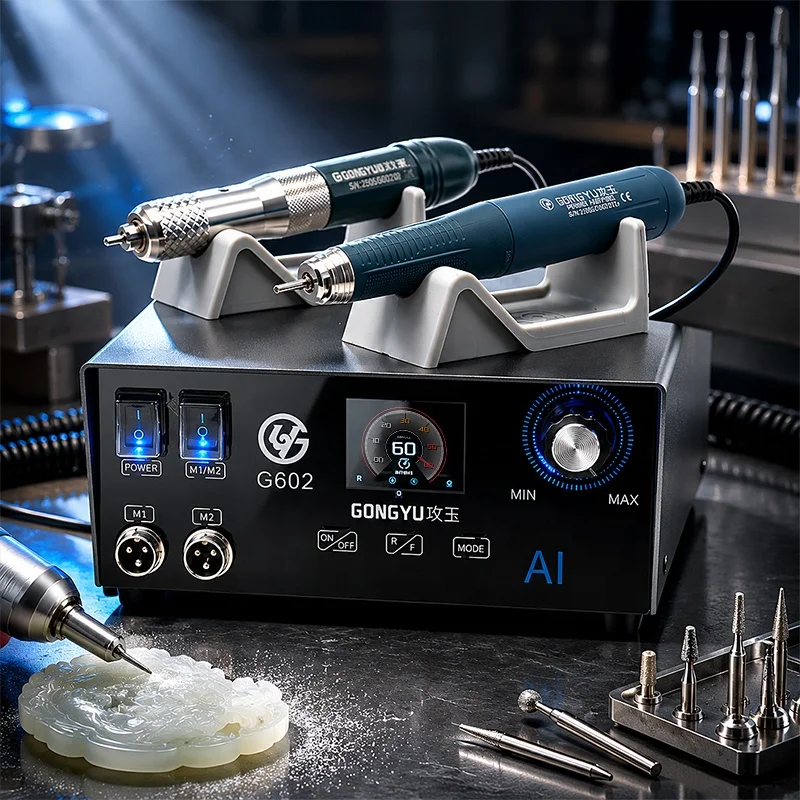
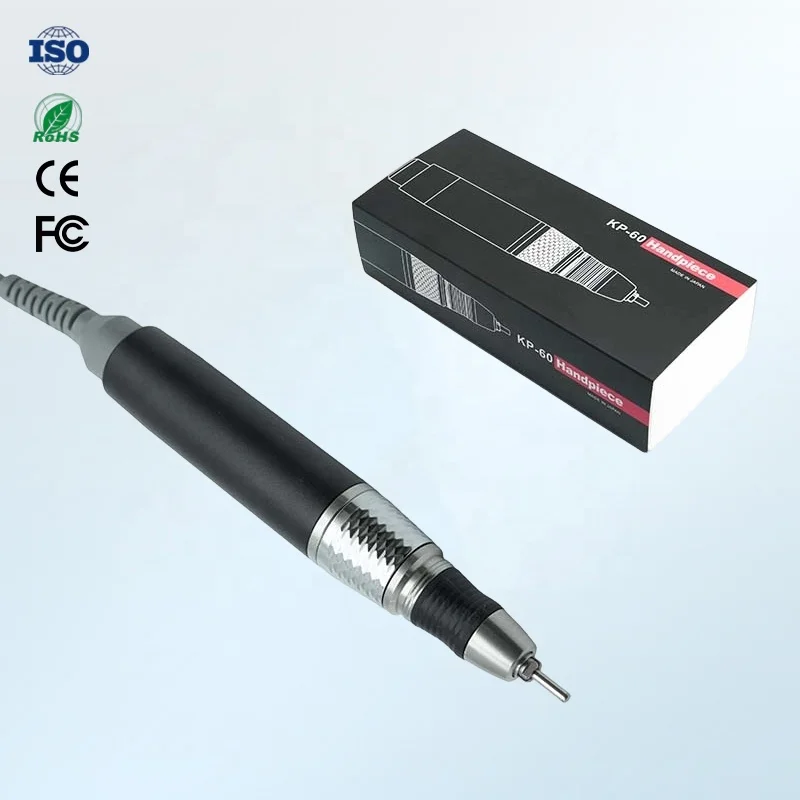
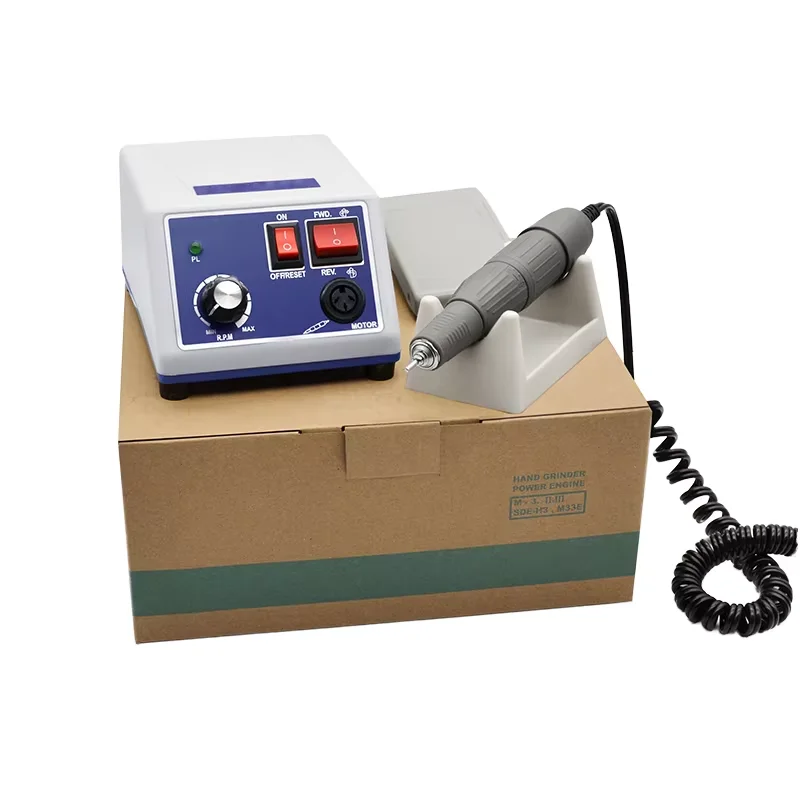
When considering an engraving machine for sale, buyers are often overwhelmed by the diverse range of options available. These machines are crucial for precision tasks across various industries, including jewelry, dentistry, and nail salons. Prospective buyers typically seek to understand the key specifications, cost factors, potential issues, and applicable industries before making a decision. This article aims to clarify these aspects, helping you make informed purchasing choices.
When evaluating an engraving machine for sale, several key specifications should be considered to ensure it meets your operational needs:
Speed and Power: Look for machines with brushless motors that provide consistent performance. For instance, high-speed options can significantly reduce production time in environments like jewelry making or dental applications.
Precision: The resolution of the engraving is critical, especially in applications requiring intricate designs. Machines with adjustable DPI (dots per inch) settings allow for flexibility based on the material and detail required.
Material Compatibility: Ensure the machine can handle the materials you plan to engrave. Common materials include metals, plastics, and wood, each requiring different settings and capabilities.
Control System: A dual-channel control chip, as found in advanced models, can enhance the stability of the engraving process, reducing errors and improving quality.
Size and Ergonomics: Consider the machine's dimensions and weight, especially if space is limited in your workshop. Ergonomic designs can also facilitate easier operation.
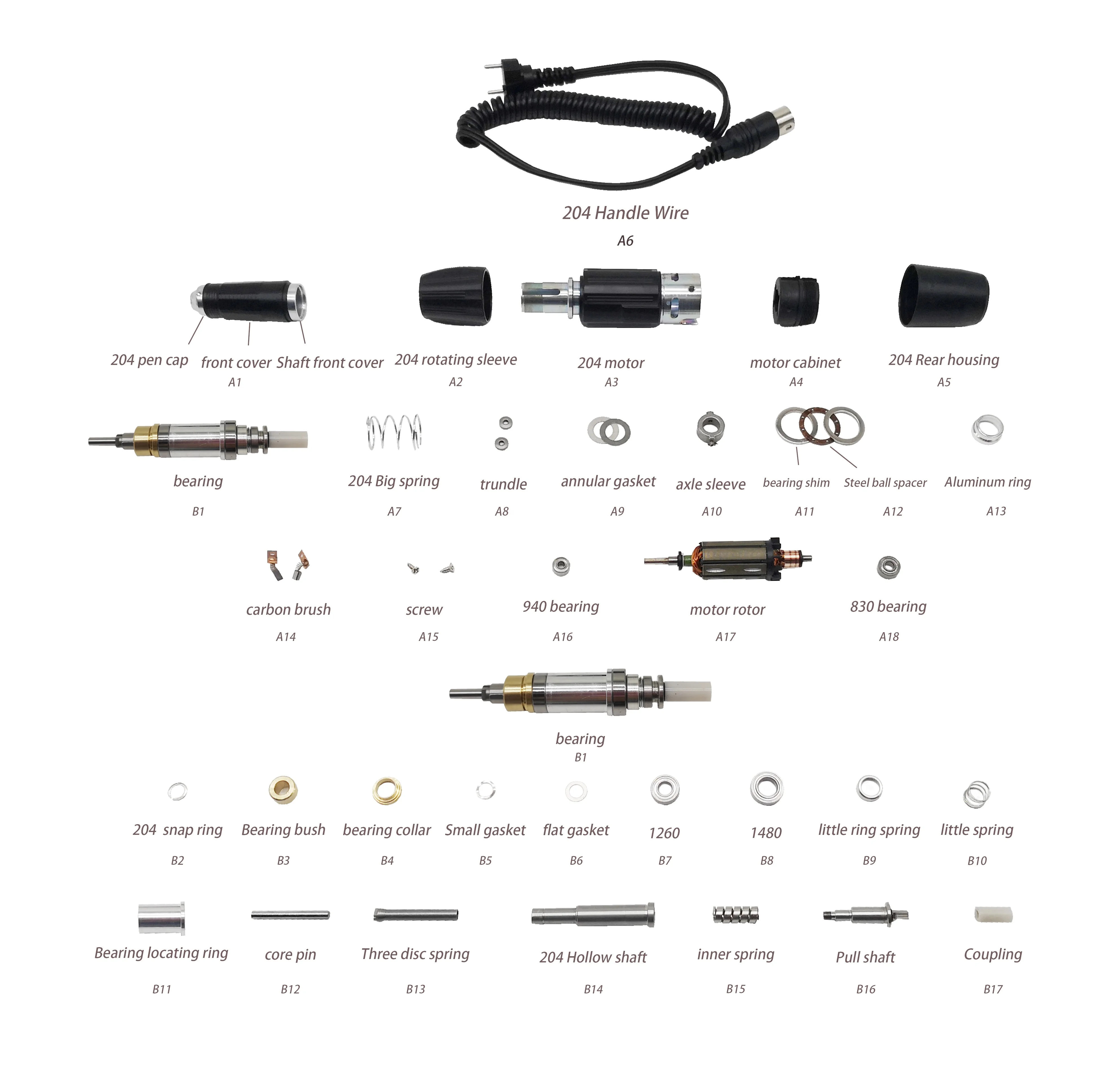
Maintenance Requirements: Assess the ease of maintenance, including access to parts and the frequency of required servicing. Machines that are easier to maintain can reduce downtime, which is why having access to Spare Parts can be beneficial.
The cost of an engraving machine can vary significantly based on several factors:
Initial Price vs. Total Cost of Ownership: While a lower initial price might be attractive, consider the total cost, including maintenance, consumables, and potential downtime.
Customization Options: Machines that offer customization may come at a higher price but can provide tailored solutions for specific applications, potentially enhancing productivity.
Production Capacity: Evaluate whether the machine can meet your production demands. Higher capacity machines may have a higher upfront cost but can pay off in increased efficiency.
Supplier Reputation: Working with a reputable manufacturer or supplier like Fujian Aite Precision Machinery Co., Ltd. often assures better support, warranty terms, and product quality, which are critical in long-term investments.
Shipping and Installation: Don’t forget to factor in shipping costs and installation fees, which can add significantly to the total expenditure.
Despite their advanced technology, engraving machines can present issues. Here are some common problems and suggested solutions:
Inconsistent Quality: Variations in engraving quality can occur due to improper material settings or mechanical issues. Regular calibration, along with using the correct settings for specific materials, can mitigate this.
Overheating: Machines may overheat during extended use, leading to performance drops. Ensuring adequate ventilation and using machines with built-in cooling systems can help avoid this.
Software Compatibility: Engraving machines rely on software for design input. Ensure that the machine’s software is compatible with your existing systems to avoid operational hiccups.
Wear and Tear: Regular inspection of components, such as cutting tips and belts, is crucial. Establishing a scheduled maintenance routine can prevent performance degradation over time.
User Error: Many issues stem from incorrect usage. Training staff on proper operation and machine capabilities can significantly reduce mistakes and improve output quality.
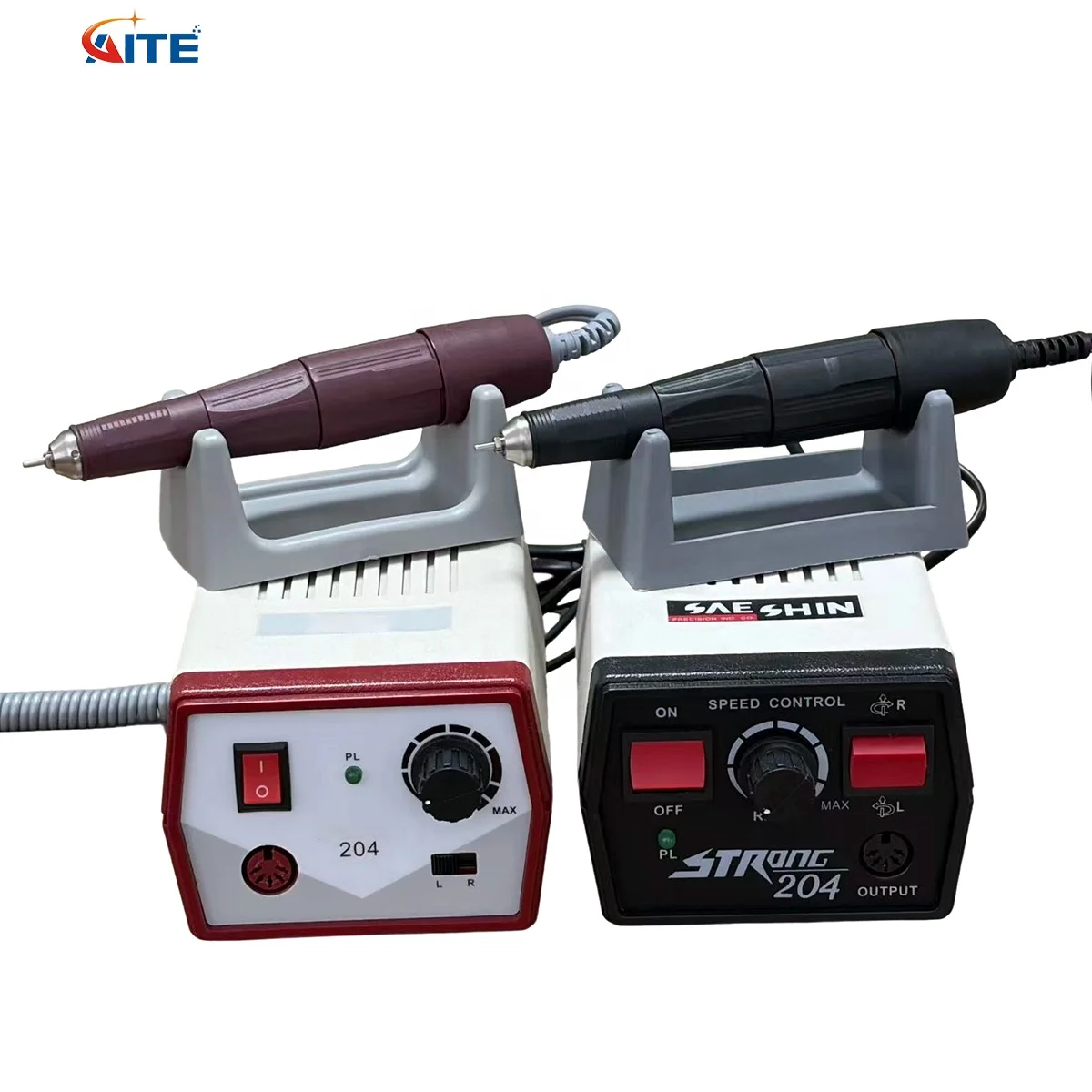
Engraving machines are versatile tools used across several industries, each with unique applications:
Jewelry: In jewelry making, engraving machines are essential for adding intricate designs and personal touches to pieces, enhancing their value and appeal.
Dentistry: Dentists use engraving machines to create precise dental molds and custom products, ensuring a high level of care and personalization for patients.
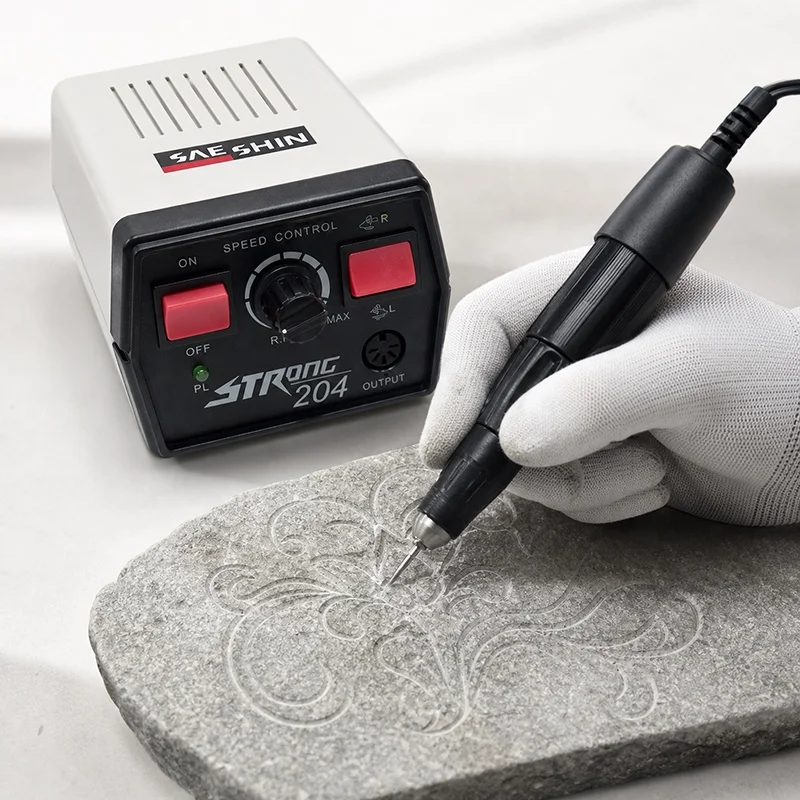
Nail Salons: Engraving machines enable nail technicians to produce detailed designs on nails, improving service offerings and customer satisfaction. In fact, options like the Nail drill machine are especially popular for this purpose.
Manufacturing: In broader manufacturing contexts, engraving machines are used for labeling, part identification, and creating customized components.
Artisanal Crafts: Crafters can utilize engraving machines to add unique designs to handmade items, setting their products apart in a competitive market.
To make the best purchasing decision when considering an engraving machine for sale, follow these guidelines:
Define Your Needs: Clearly outline your specific requirements, including production volume, material types, and intended applications. This will help narrow down suitable options.
Request Detailed Quotations: When reaching out to suppliers, provide comprehensive information about your needs, including desired specifications, expected usage, and customization requirements.
Evaluate Samples: Before committing to a purchase, request samples to evaluate the machine's performance under actual operating conditions. This helps ensure the machine meets your quality expectations.
Check References: Look for reviews or case studies from other businesses in your industry. This can provide insight into the machine's reliability and the supplier's customer service.
Plan for Future Needs: Consider the potential for growth in your operations. Investing in a machine that can scale with your business can save costs in the long run.
By understanding these factors, you can confidently navigate the market for engraving machines, ensuring that your investment aligns with your operational goals and quality standards.
 EN
 AR
 BG
 HR
 CS
 DA
 NL
 FI
 FR
 DE
 EL
 IT
 JA
 NO
 PL
 PT
 RU
 ES
 SV
 CA
 TL
 IW
 ID
 LV
 SR
 SK
 SL
 UK
 SQ
 ET
 GL
 MT
 FA
 MS
 GA
 CY
 BE
 MK
 KA
 BN